The power of A.I. can reach deeper than just recommending which show to binge on Netflix. It can also be used to analyze millions of images to predict things like income, political leanings, and buying habits. Steve Lohr, Technology and Economics Reporter at The New York Times, joined us to discuss artificial intelligence's full potential when it comes to predictive analytics.
Lohr's recent piece in The New York Times highlights a Stanford study that used 50 million images from Google Street View to give a glimpse of A.I.'s ability to gather data. He explains that researchers identified 22 million cars to draw conclusions about information such as which political candidate a particular zip code favored. The project took just 2 weeks to classify all the cars. In his piece, Lohr points out that without the help of AI, it would take human experts over 15 years to accomplish that task.
This type of data collection raises concerns over privacy and issues of data access. He says most of predictive analysis has been used for commercial purposes and selling products. The use of data becomes scary when it becomes integrated into decisions such as hiring, he says, because the mistakes become more costly.
Doug Scott, Twitch CMO, talked to Cheddar about the platform's streaming success partly by allowing its audience to be creators as well.
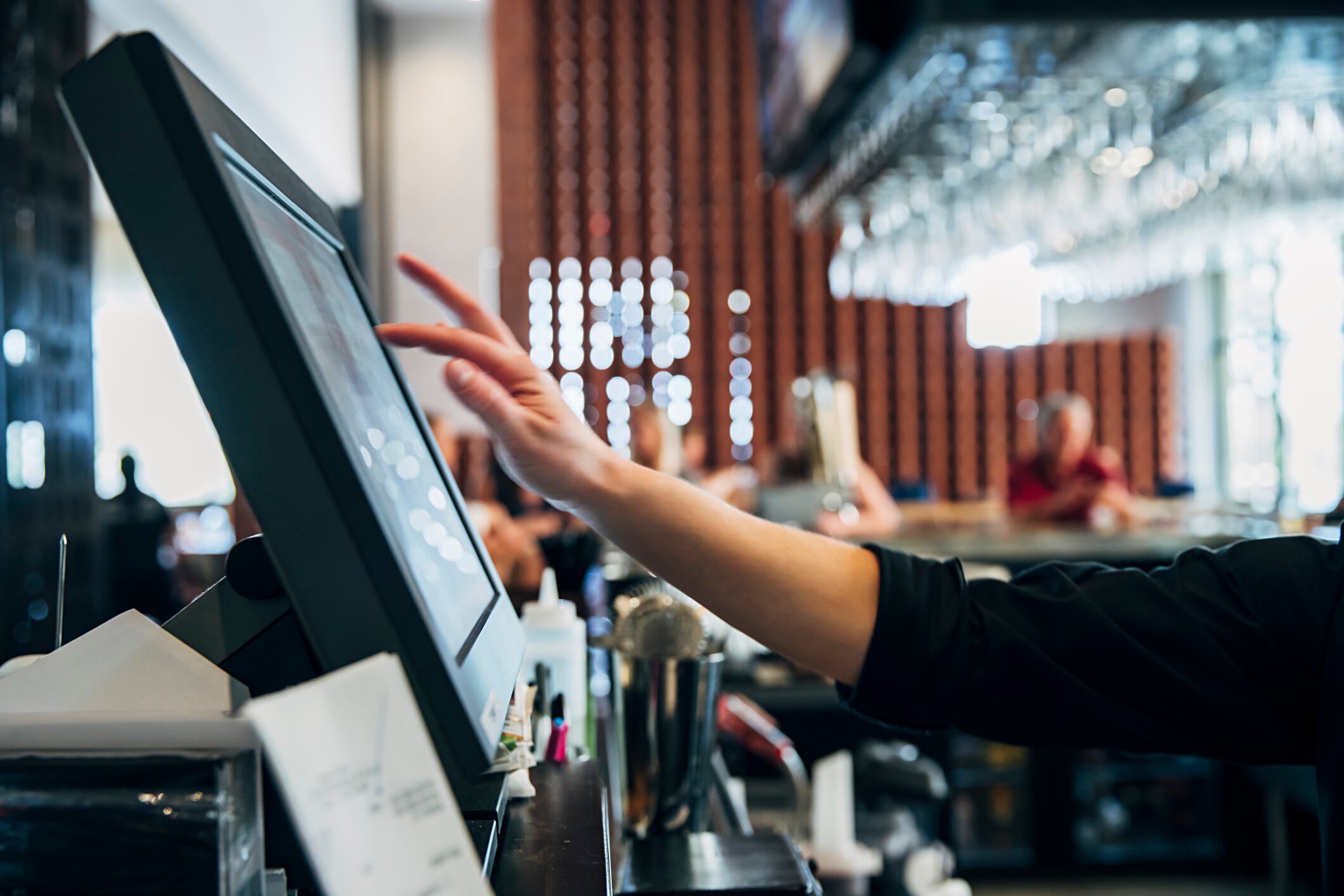
CEO and founder of OloNoah Glass spoke to Cheddar about the restaurant tech firm's successful public offering on Wednesday.
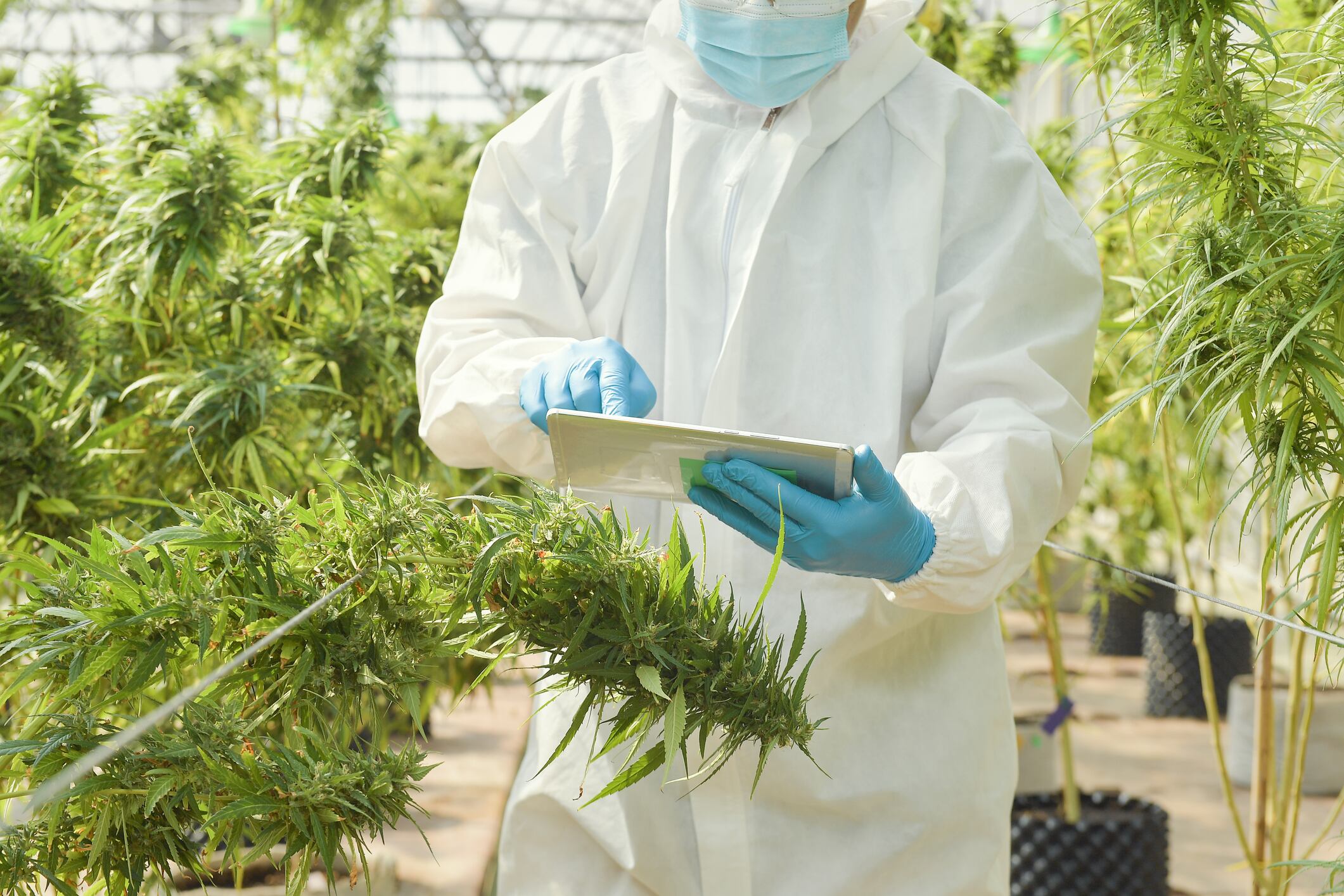
Cannabis e-commerce platform Dutchie announced a $200 million Series C round of funding that the company said values it at $1.7 billion.
Designed to help you master this fast-paced business, you’ll learn how to implement automated trading using different algorithms and Python programming language.
Charles Stewart, CEO of Sotheby's, talked to Cheddar about plans to make its first-ever sale of a non-fungible token (NFT) in partnership with artist Pak.
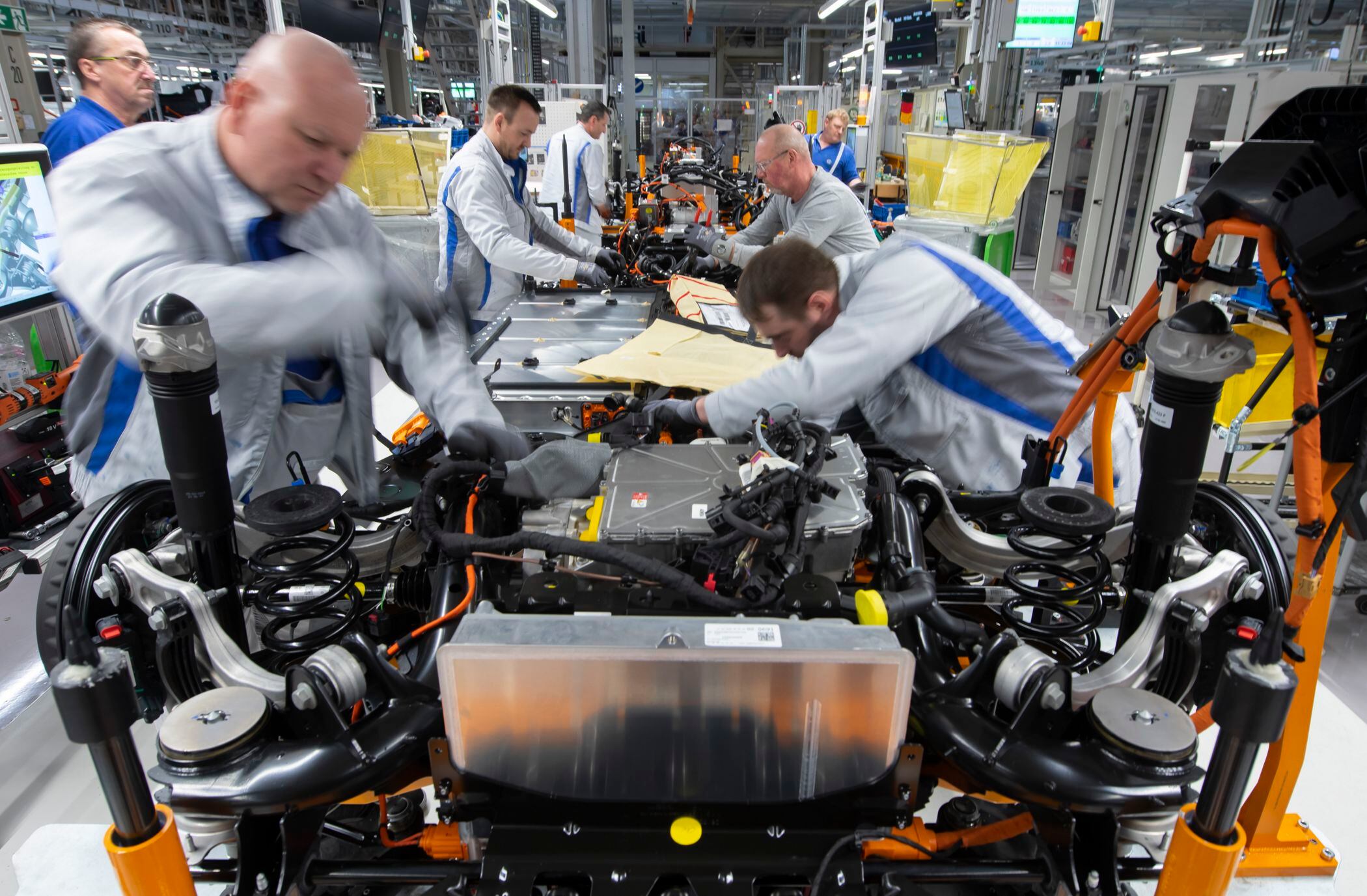
The German automaker says it plans six big battery factories in Europe by 2030, starting with building out its existing ones in Salzgitter, German, and in Skelleftea, Sweden.
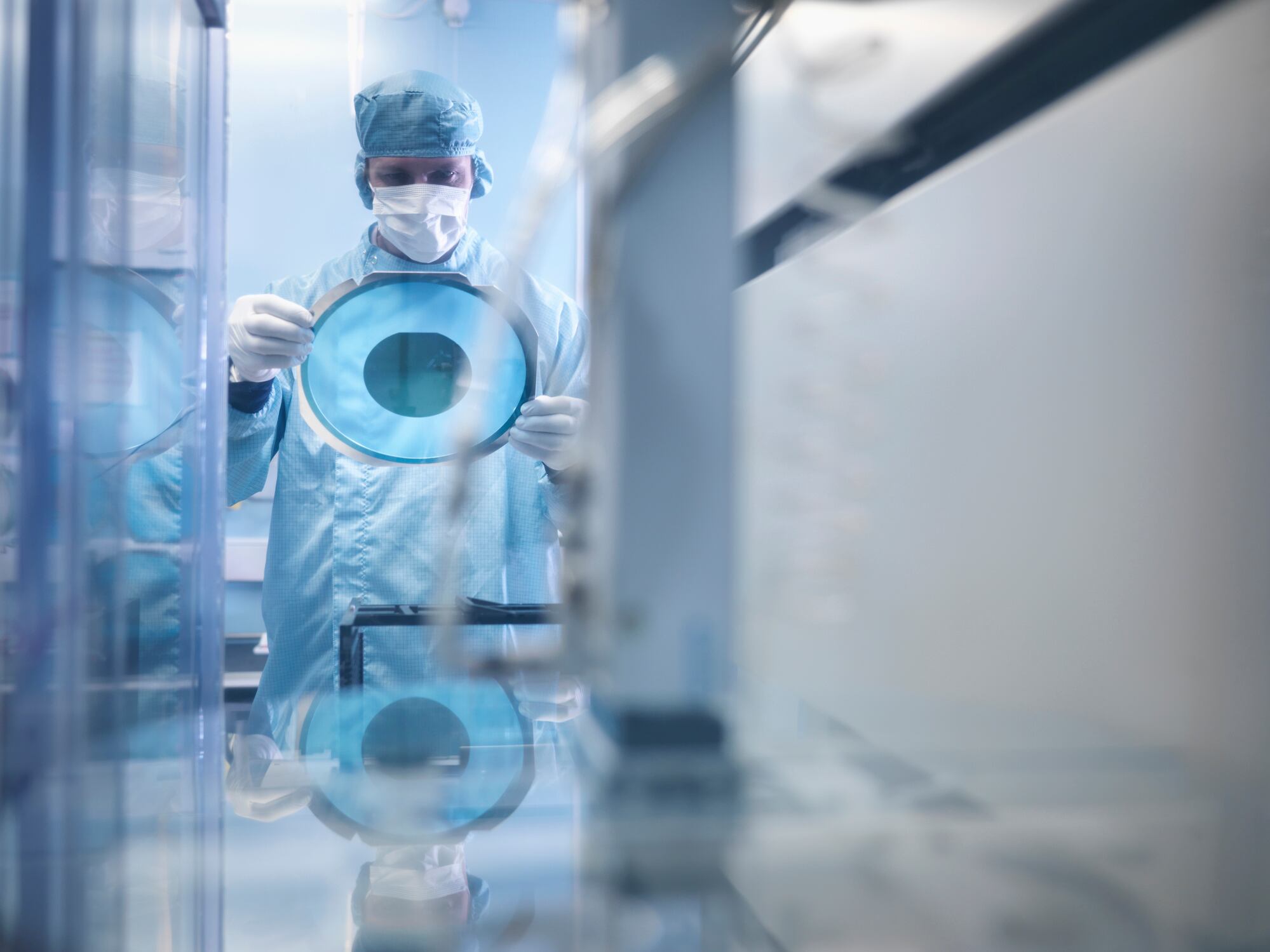
As a worldwide semiconductor shortage hammers American industries, trade groups are reaching out to the Biden administration with pleas to boost production in the U.S.
The street artist known as Alec Monopoly and Latin music star Ozuna are riding the wave of interest in non-fungible tokens (NFTs) to sell collaborative artwork featuring both of their brands.
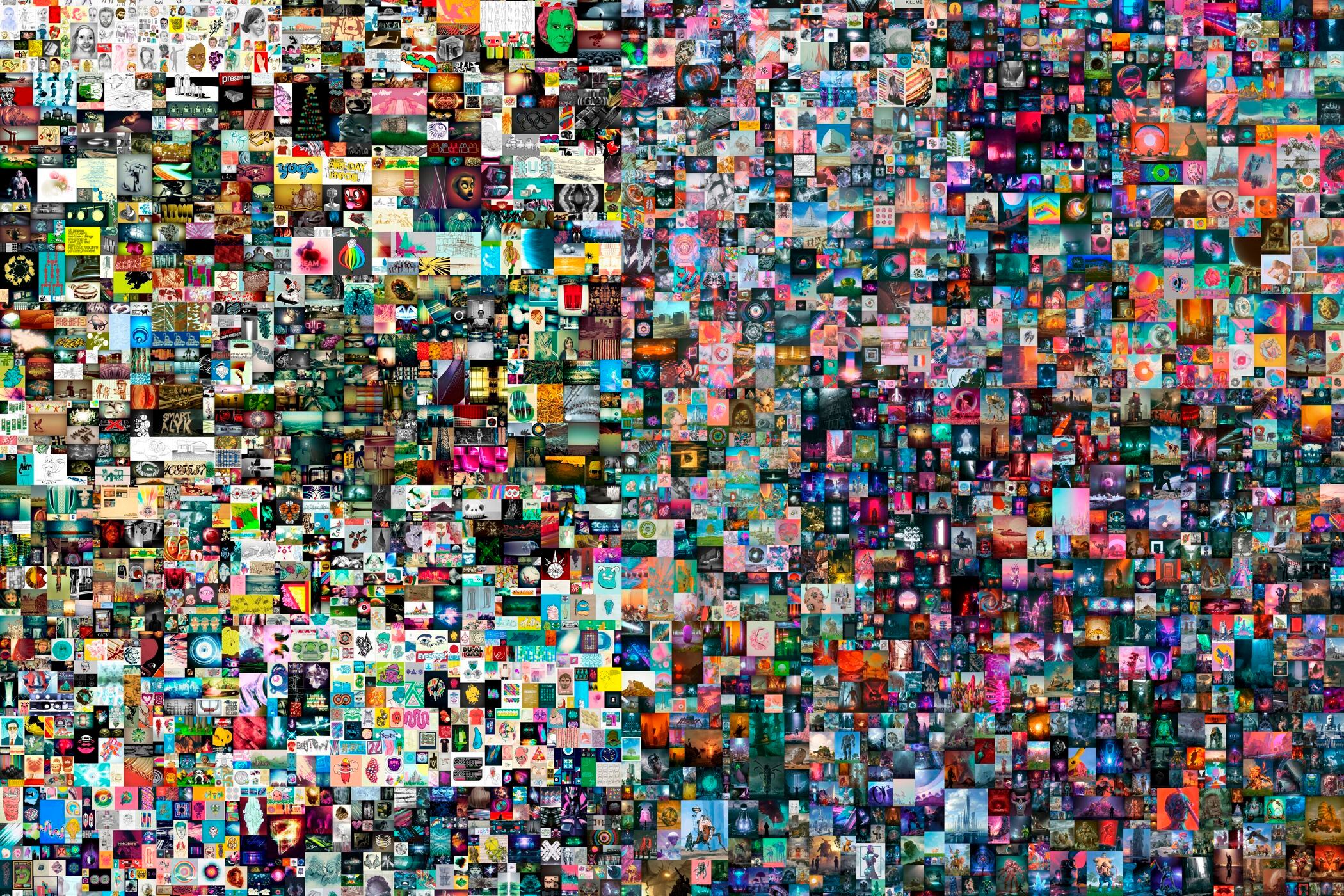
Noah Davis, Christie's specialist in post-war and contemporary art, spoke to Cheddar about the stunning auction of a digital-only piece of art for $69.4 million by a relatively new artist called Beeple.
From Wall Street to Silicon Valley, these are the top stories that moved markets and had investors, business leaders, and entrepreneurs talking this week on Cheddar.