Google Street View Gives a Glimpse into Power of A.I.
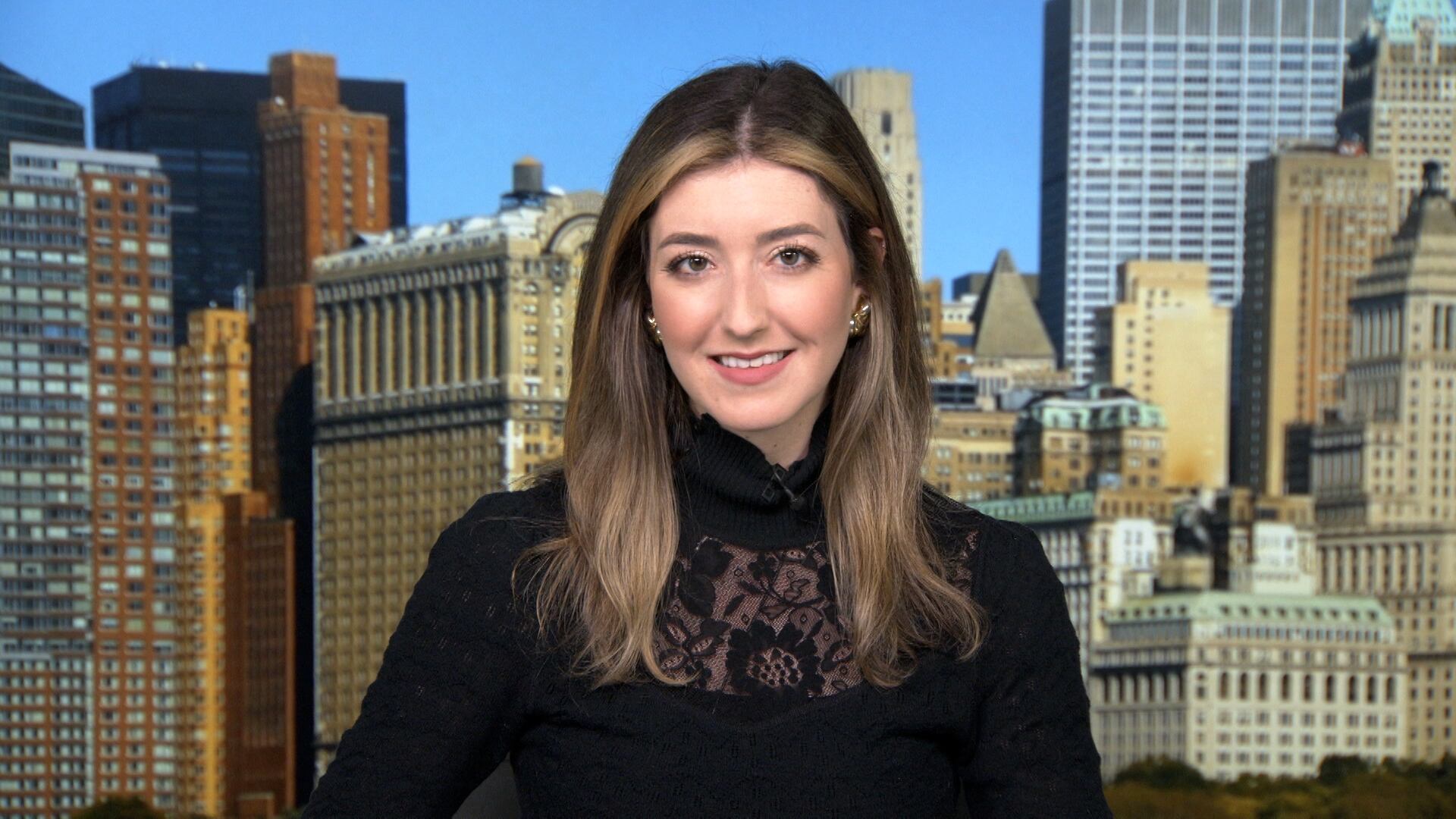
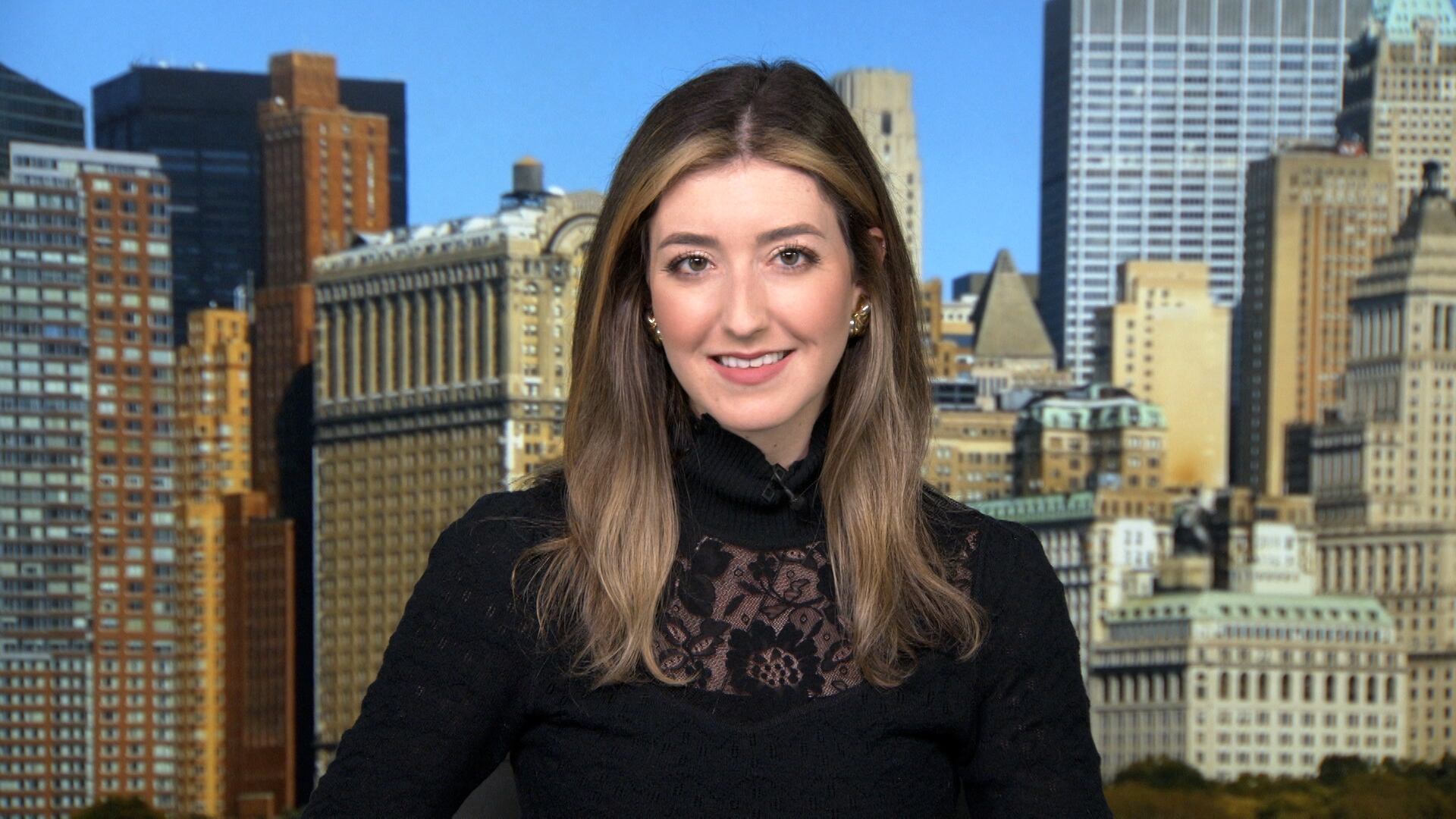
The power of A.I. can reach deeper than just recommending which show to binge on Netflix. It can also be used to analyze millions of images to predict things like income, political leanings, and buying habits. Steve Lohr, Technology and Economics Reporter at The New York Times, joined us to discuss artificial intelligence's full potential when it comes to predictive analytics.
Lohr's recent piece in The New York Times highlights a Stanford study that used 50 million images from Google Street View to give a glimpse of A.I.'s ability to gather data. He explains that researchers identified 22 million cars to draw conclusions about information such as which political candidate a particular zip code favored. The project took just 2 weeks to classify all the cars. In his piece, Lohr points out that without the help of AI, it would take human experts over 15 years to accomplish that task.
This type of data collection raises concerns over privacy and issues of data access. He says most of predictive analysis has been used for commercial purposes and selling products. The use of data becomes scary when it becomes integrated into decisions such as hiring, he says, because the mistakes become more costly.
Jarrod Loadholt, Partner at Ice Miller, joins Cheddar News' Closing Bell, where he calls President Biden's executive order on digital assets a 'home run' and explains the ways it benefits the greater cryptocurrency market.
Auction-based advertising infrastructure startup Topsort
raised $8 million in a seed funding round. Topsort says companies like Google and Amazon have been making huge profits from auction-based advertising for decades, but that the technology is complicated, exclusive, and hard to build. The company is trying to be a solution, by offering an auction-based advertising API to smaller retailers and marketplaces. Regina Ye, CEO and co-founder of Topsort, joins Cheddar News' Closing Bell to discuss.
Lance Ippolito, Head Trader at Future of Wealth, joins Cheddar News' Closing Bell, where he says the President's executive order on crypto is a step in the right direction even though investor sentiment cooled off on Thursday.
After a week of headlines that ranged from a potential criminal investigation by the Justice Department to a 20 for 1 stock split, Michael Pachter, the managing director of equity research at Wedbush Securities, joined Cheddar News to shake out what wild week means for the tech giant and what he thinks is behind possible government antipathy towards the company. "If you look at Amazon, Capitol Hill hates them," he said. "And maybe it's just because Bezos looks like Dr. Evil, but I think part of it is that a lot of constituents of these legislators just don't whine at Congress, 'leave my company alone,' the way they do with Disney or Microsoft."
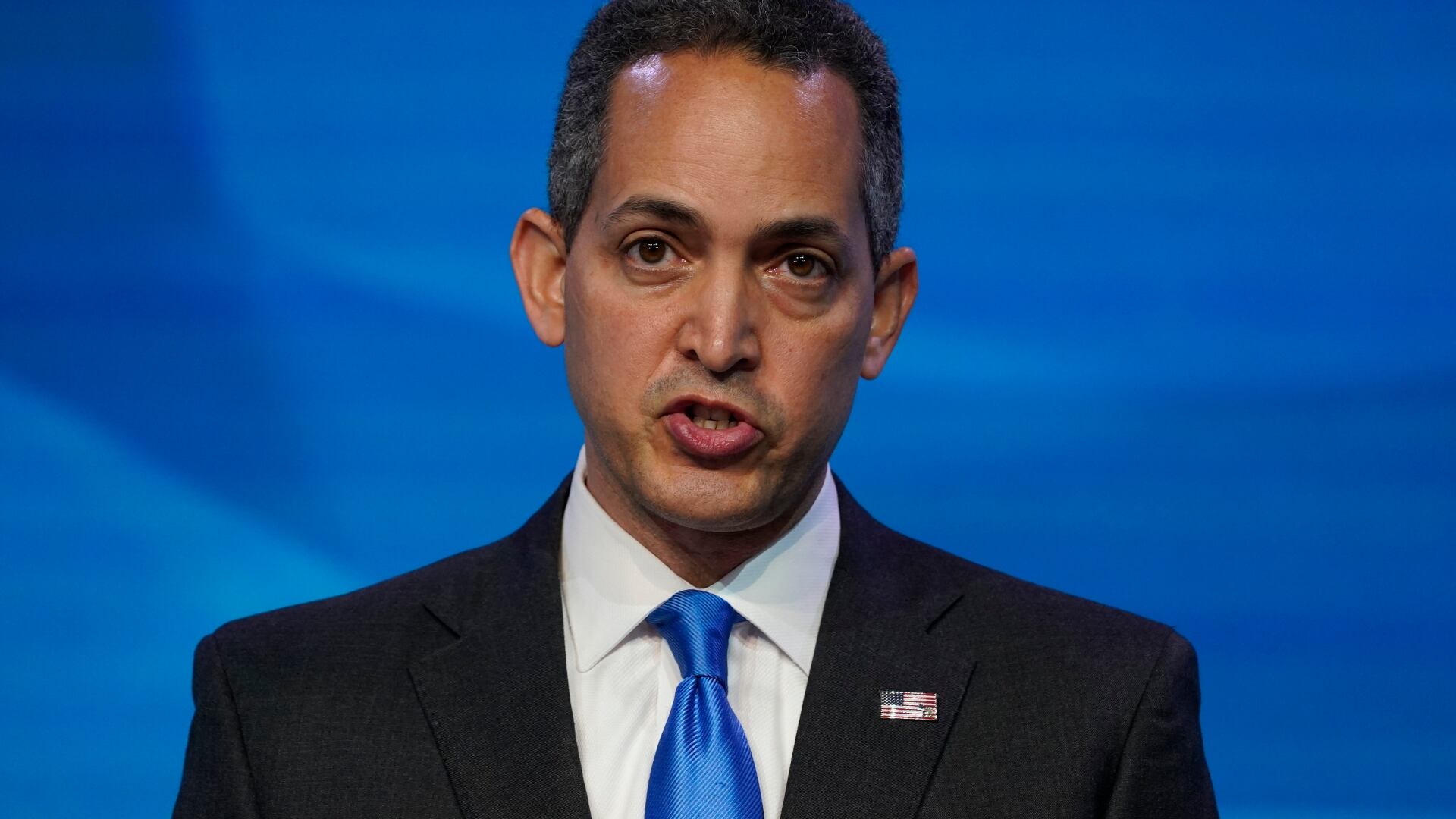
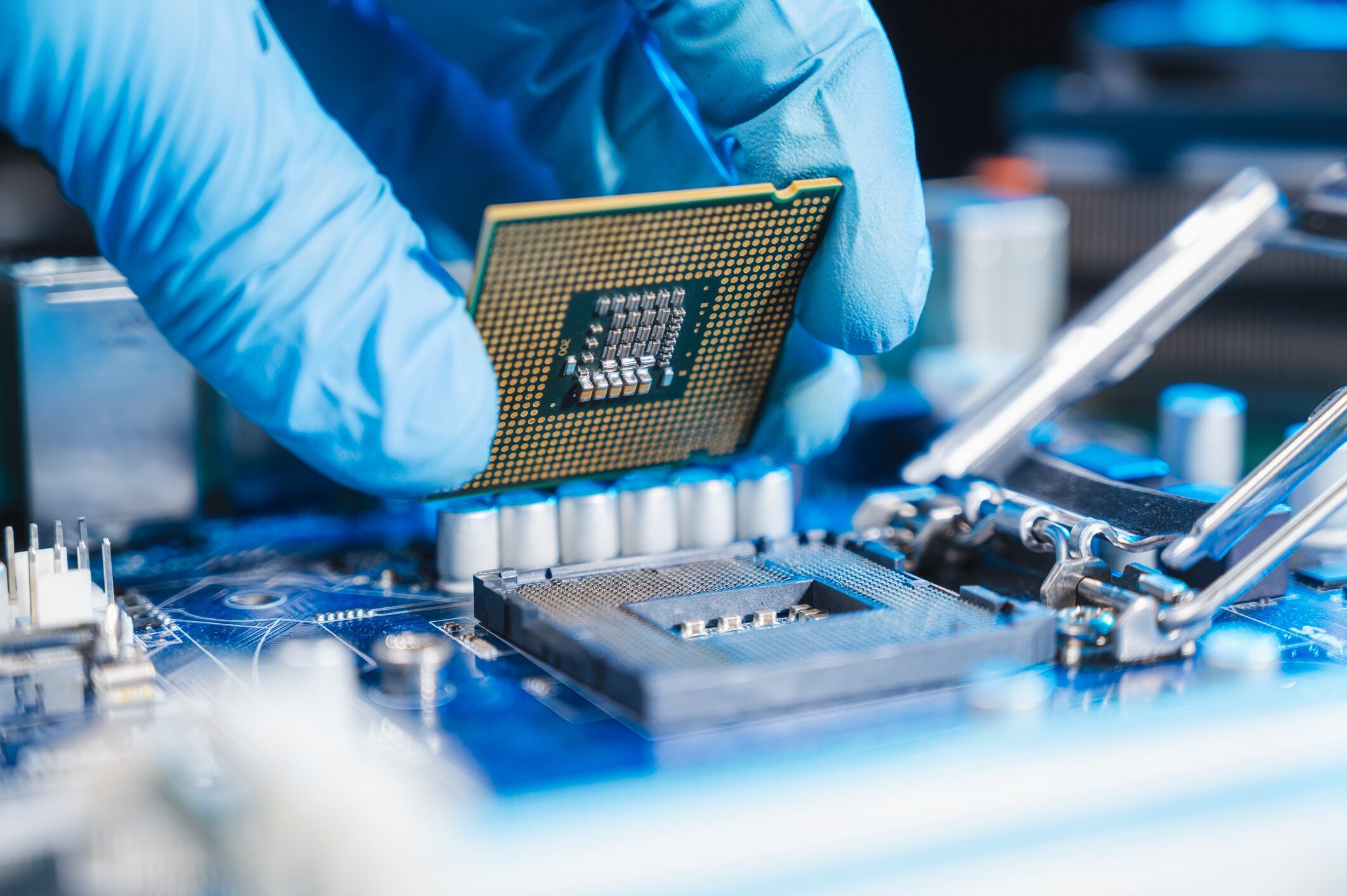
The ongoing semiconductor chip shortage has been impacting everything from the purchase of cars to smartphones. Deputy Commerce Secretary Don Graves spoke with Cheddar about the Biden administration's efforts to combat the issue and if the current crisis in Ukraine will have any impact on the global supply chain problems for semiconductors. "We're working very closely with all of our partners and allies around the globe, just as we have on the export controls and sanctions that we've applied to Russia to deal with that needless aggression," he said. "We're also working with them on the challenges of raw materials for a range of industries, including the semiconductor industry. We believe that we are going to be able to meet the demand for the for the near term."
Deputy Commerce Secretary Don Graves spoke to Cheddar's Alex Vuocolo about the ongoing semiconductor shortages and the push from the Biden administration to cover the supply chain problem as well as look ahead to future-proofing it.
Card Issuing Platform Marqeta blowing past Wall Street expectations in its Q4 earnings report, with revenue jumping to $155 million, up significantly from the $86 million it reported last quarter. Vidya Peters, Chief Operating Officer, Marqeta, joined Cheddar's Opening Bell to discuss the company's strong growth as well as her tips for female leaders.