Google Street View Gives a Glimpse into Power of A.I.
The power of A.I. can reach deeper than just recommending which show to binge on Netflix. It can also be used to analyze millions of images to predict things like income, political leanings, and buying habits. Steve Lohr, Technology and Economics Reporter at The New York Times, joined us to discuss artificial intelligence's full potential when it comes to predictive analytics.
Lohr's recent piece in The New York Times highlights a Stanford study that used 50 million images from Google Street View to give a glimpse of A.I.'s ability to gather data. He explains that researchers identified 22 million cars to draw conclusions about information such as which political candidate a particular zip code favored. The project took just 2 weeks to classify all the cars. In his piece, Lohr points out that without the help of AI, it would take human experts over 15 years to accomplish that task.
This type of data collection raises concerns over privacy and issues of data access. He says most of predictive analysis has been used for commercial purposes and selling products. The use of data becomes scary when it becomes integrated into decisions such as hiring, he says, because the mistakes become more costly.
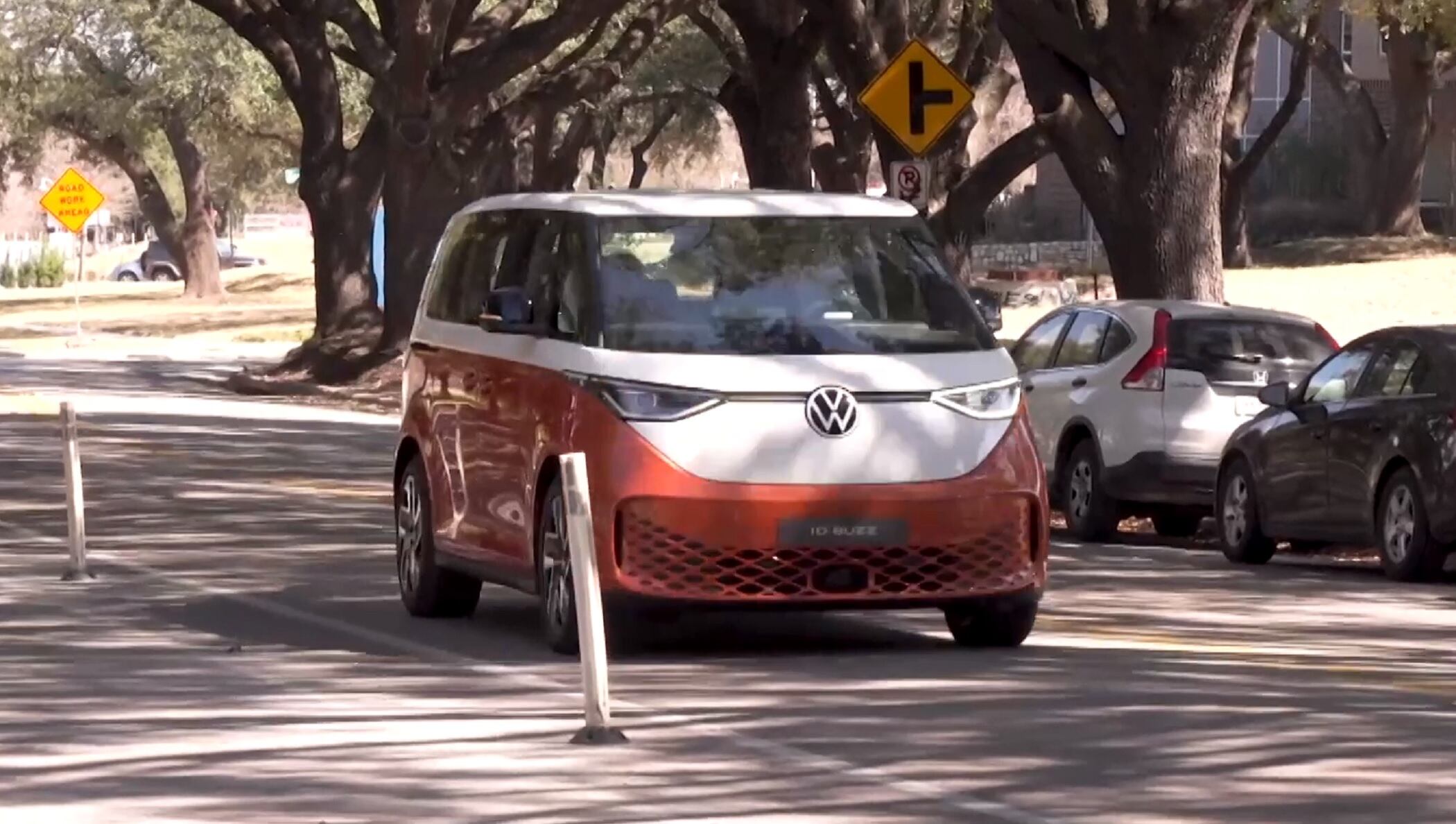
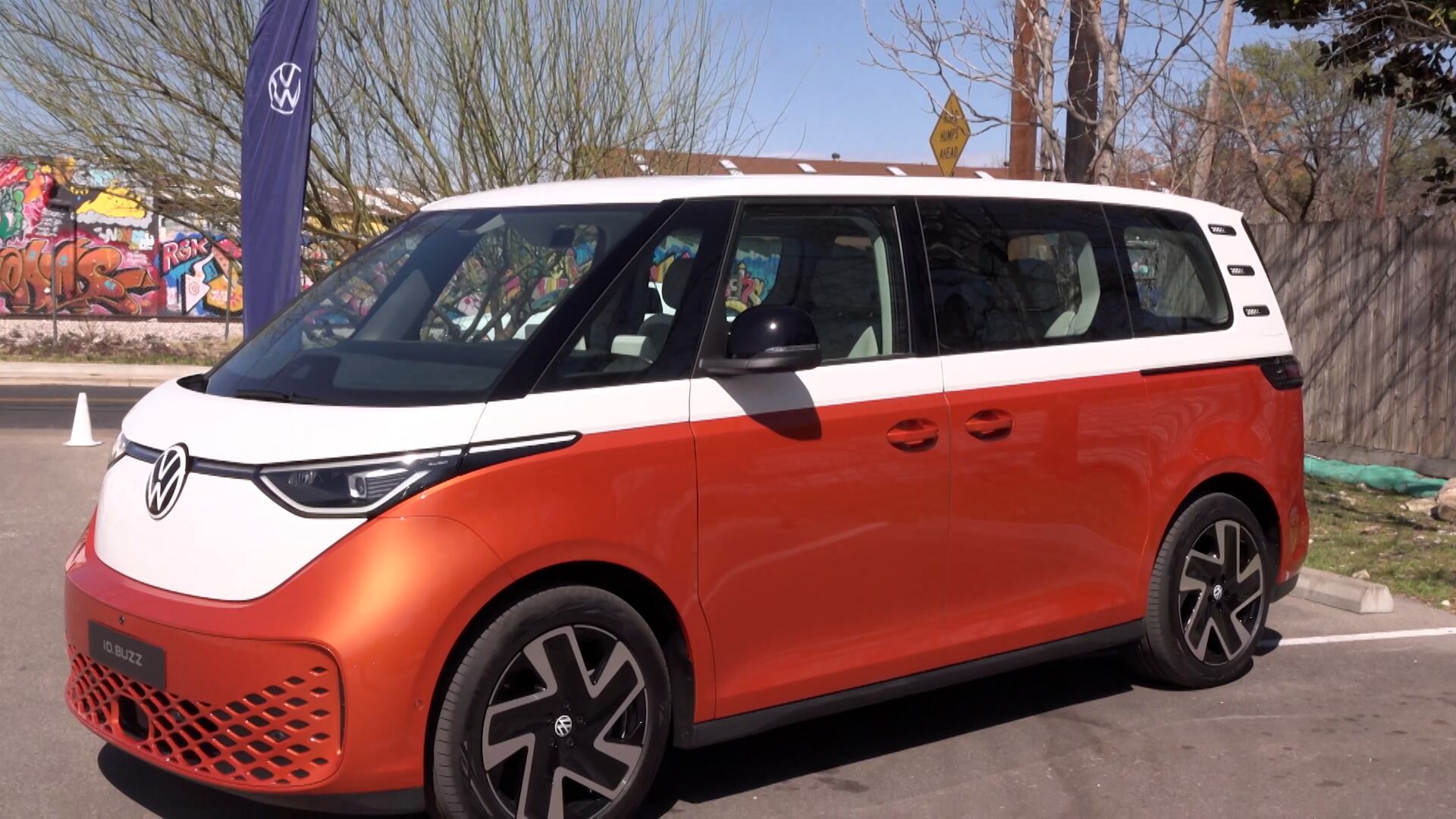
Cheddar News senior reporter, Michelle Castillo joined Scott Keogh, CEO of Volkswagen Group of America, for a ride in the new ID.Buzz electric van at South by Southwest. Keogh touched on issues from the auto giant's commitment to electrification and achieving carbon neutrality to the need for more charging infrastructure to support the electric vehicle wave. "We made a commitment to be CO2 neutral, and I think the reason it is, simplistically is, we're the world's largest car company. We're responsible for 1 percent of global CO2 emissions, and frankly, leaders have to lead and so that's what we want to do," he said.
The U.S. Securities and Exchange Commission Monday laid out a proposal that would require businesses to disclose the emissions they produce. Kathleen Rogers, CEO & President at EARTHDAY.ORG, joined Cheddar News to break down the implications of this historic step.
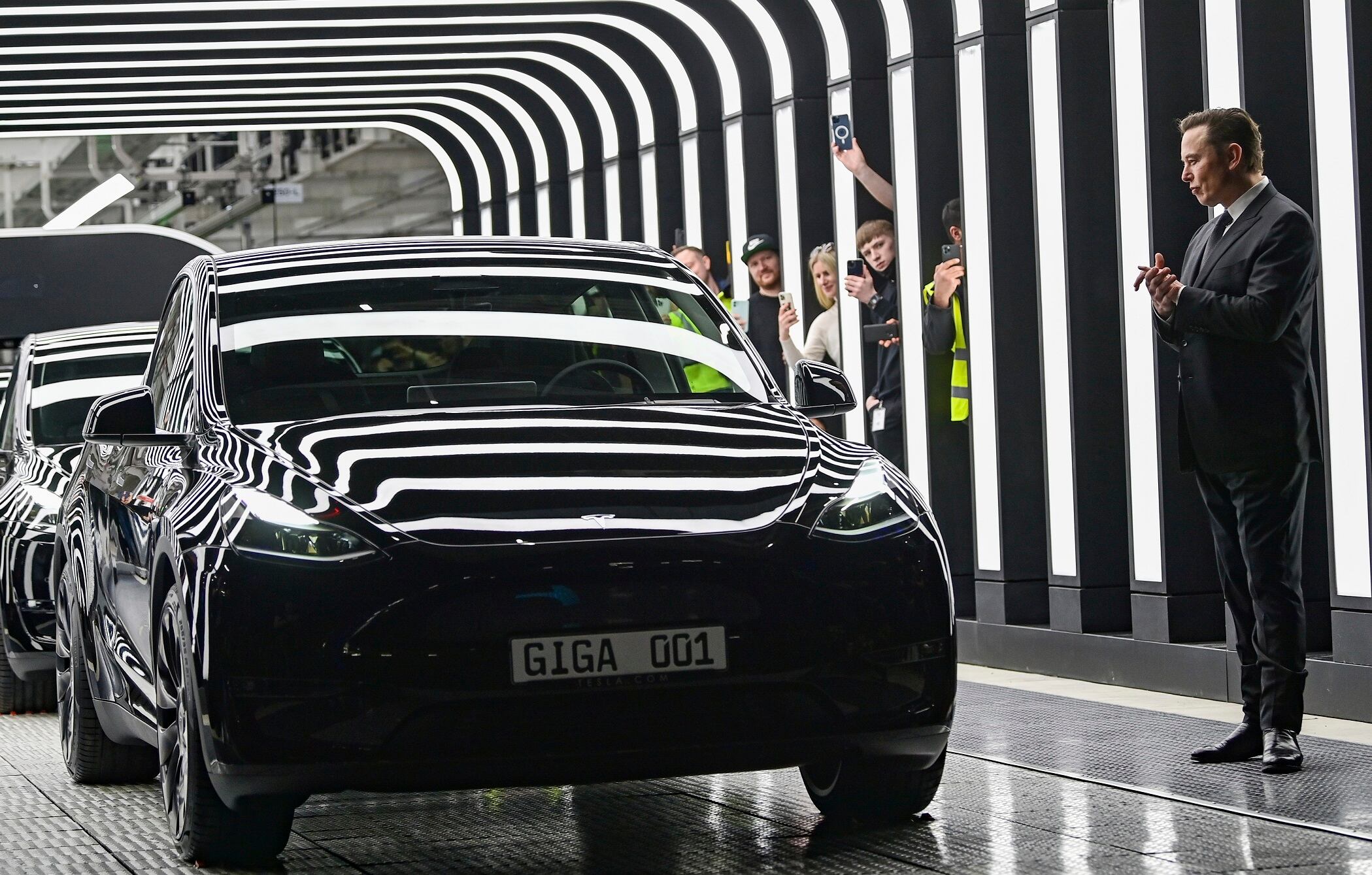
Electric car manufacturer Tesla opened its first European factory on the outskirts of Berlin in an effort to challenge German automakers on their home turf.