Google Street View Gives a Glimpse into Power of A.I.
The power of A.I. can reach deeper than just recommending which show to binge on Netflix. It can also be used to analyze millions of images to predict things like income, political leanings, and buying habits. Steve Lohr, Technology and Economics Reporter at The New York Times, joined us to discuss artificial intelligence's full potential when it comes to predictive analytics.
Lohr's recent piece in The New York Times highlights a Stanford study that used 50 million images from Google Street View to give a glimpse of A.I.'s ability to gather data. He explains that researchers identified 22 million cars to draw conclusions about information such as which political candidate a particular zip code favored. The project took just 2 weeks to classify all the cars. In his piece, Lohr points out that without the help of AI, it would take human experts over 15 years to accomplish that task.
This type of data collection raises concerns over privacy and issues of data access. He says most of predictive analysis has been used for commercial purposes and selling products. The use of data becomes scary when it becomes integrated into decisions such as hiring, he says, because the mistakes become more costly.
Sourceful is an all-in-one platform for sourcing sustainable materials. The startup recently raised $20 million in a Series A round led by Index Ventures. Through its platform, Sourceful helps businesses find and design more eco-friendly packaging and reduce the carbon footprint of their supply chains. Wing Chan, Co-Founder and CEO of Sourceful, joined Cheddar News' Closing Bell to discuss.
Britt Reichborn-Kjennerud, Section Manager for E-Mobility & Demonstrations for Electric Vehicles, Con Edison and
Joe Morreale, Section Manager of EV Demo Projects and Managed Charging & E-Mobility & Demonstrations, Con Edison, join Cheddar News' Ken Buffa from the New York Auto Show to discuss Con Edison's Clean Energy Commitment and the goal to power New York with 100% clean energy through initiatives like the 'SmartCharge' and 'PowerReady' Programs.
Arthur Madrid, CEO of The Sandbox, and Steven Kolb, CEO of CFDA, join Cheddar News to discuss their partnership focused around fashion in the metaverse.
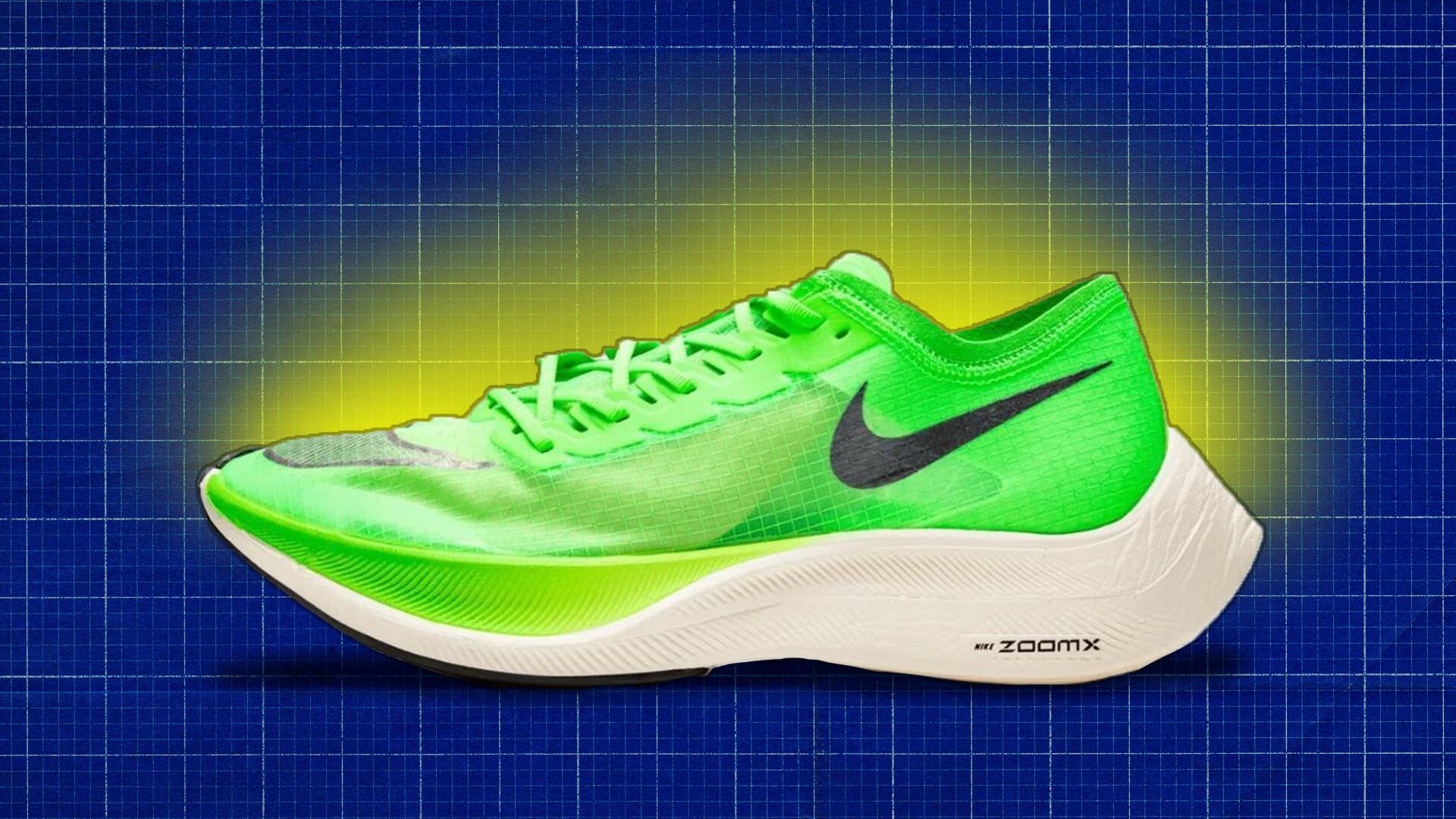
Nike introduced the Vaporfly in the 2016 Olympics to Nike-sponsored athletes, three of whom took the top spots in marathon events. Since then, the shoe has been the weapon of choice of elite athletes like those competing in the 2022 Boston Marathon. Why? Because Nike designed the shoe to literally make you faster. To not wear the Vaporfly has become a disadvantage. So how exactly does this shoe increase speeds and should it even be allowed in competition?
William Antonelli, tech reporter at Insider, joins Cheddar News to discuss Apple store employees' union efforts at the Grand Central location in New York City.
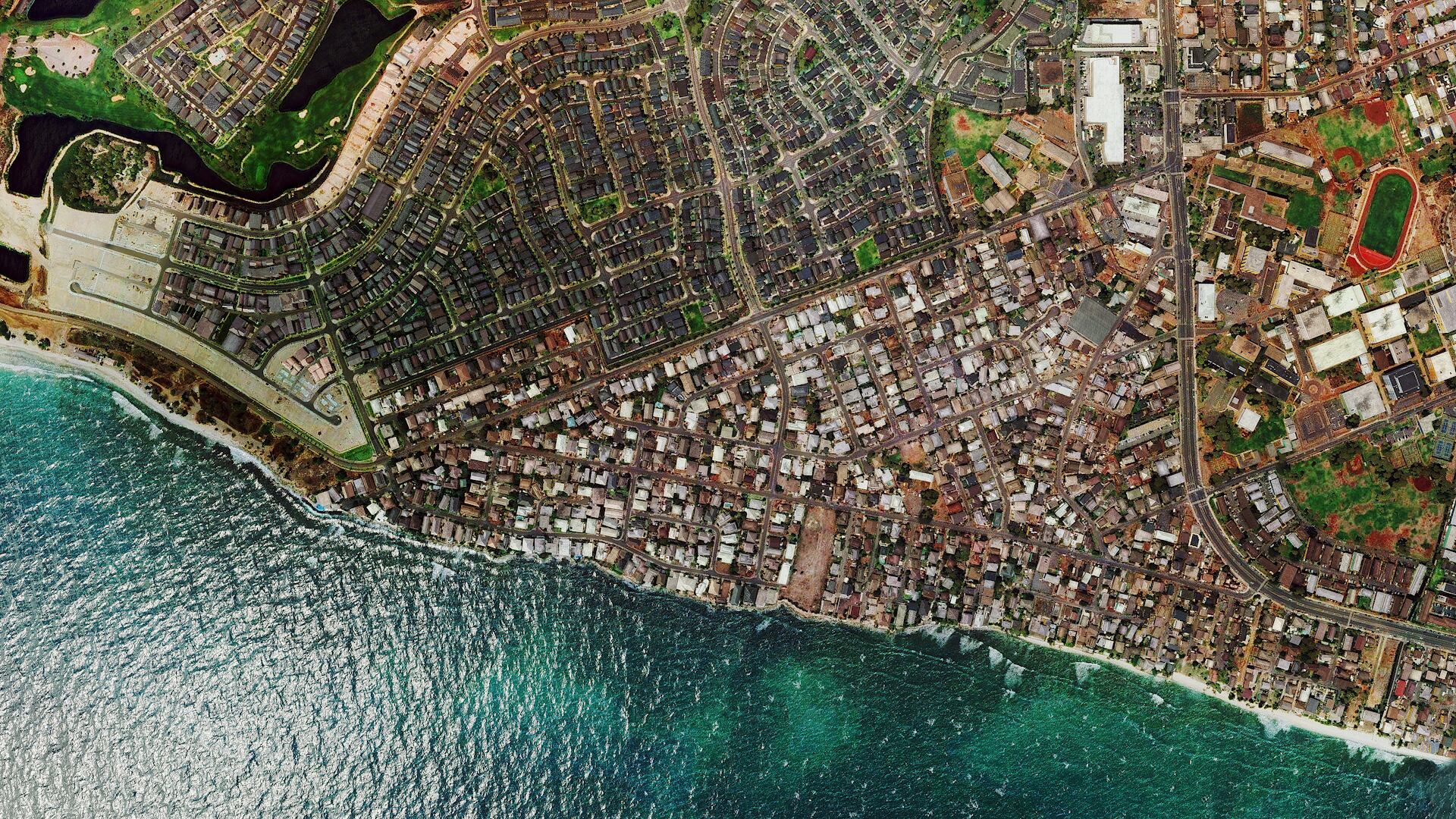
Will Marshall, CEO, Planet, joins Cheddar Reveals to discuss Planet's influence and innovation from agriculture to sustainability using geospatial insights from their constellation of over 200 satellites.
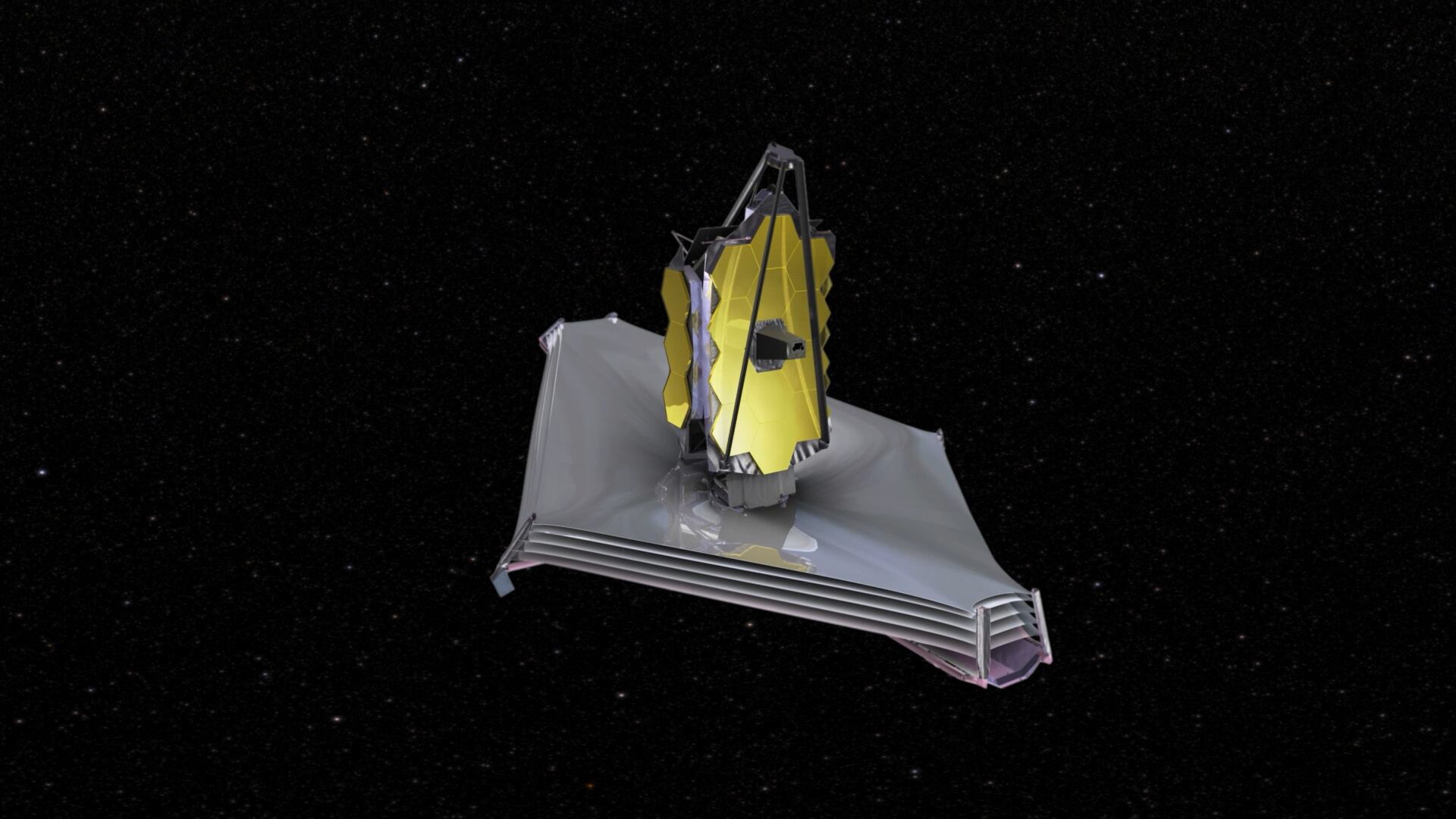
Thomas Zurbuchen, Associate Administrator, NASA Science, joins Cheddar Reveals to break down the future of space exploration and how NASA is innovating this year and into the next decade.