Google Street View Gives a Glimpse into Power of A.I.
The power of A.I. can reach deeper than just recommending which show to binge on Netflix. It can also be used to analyze millions of images to predict things like income, political leanings, and buying habits. Steve Lohr, Technology and Economics Reporter at The New York Times, joined us to discuss artificial intelligence's full potential when it comes to predictive analytics.
Lohr's recent piece in The New York Times highlights a Stanford study that used 50 million images from Google Street View to give a glimpse of A.I.'s ability to gather data. He explains that researchers identified 22 million cars to draw conclusions about information such as which political candidate a particular zip code favored. The project took just 2 weeks to classify all the cars. In his piece, Lohr points out that without the help of AI, it would take human experts over 15 years to accomplish that task.
This type of data collection raises concerns over privacy and issues of data access. He says most of predictive analysis has been used for commercial purposes and selling products. The use of data becomes scary when it becomes integrated into decisions such as hiring, he says, because the mistakes become more costly.
Enterprise blockchain provider, BlockApps, recently raised $41 million in a new funding round led by Liberty City Ventures. BlockApps builds products and applications for other companies on its own blockchain platform called STRATO. The company says its blockchain technology can help businesses increase the value of their assets, streamline their supply chains, and help them meet their sustainability goals. Kieren James-Lubin, President & CEO of BlockApps, joins Cheddar News' Closing Bell to discuss.
Tesla has continued to beat expectations as illustrated by its last quarter earnings despite issues in Shanghai, China. Dan Ives, the managing director of equity research at Wedbush Securities, joined Cheddar News to talk about the resilience of Tesla. "I thought they were almost Cinderella-like numbers," he said about the delivery numbers. "They are performing just miles ahead of any auto player, and that's why the stock is doing what it's doing. In my opinion, they're expanding their lead in EVs, even in this Category 5 hurricane that we're seeing in China." Ives noted that issues in China could pose ongoing challenges going forward even with the largely positive outlook.
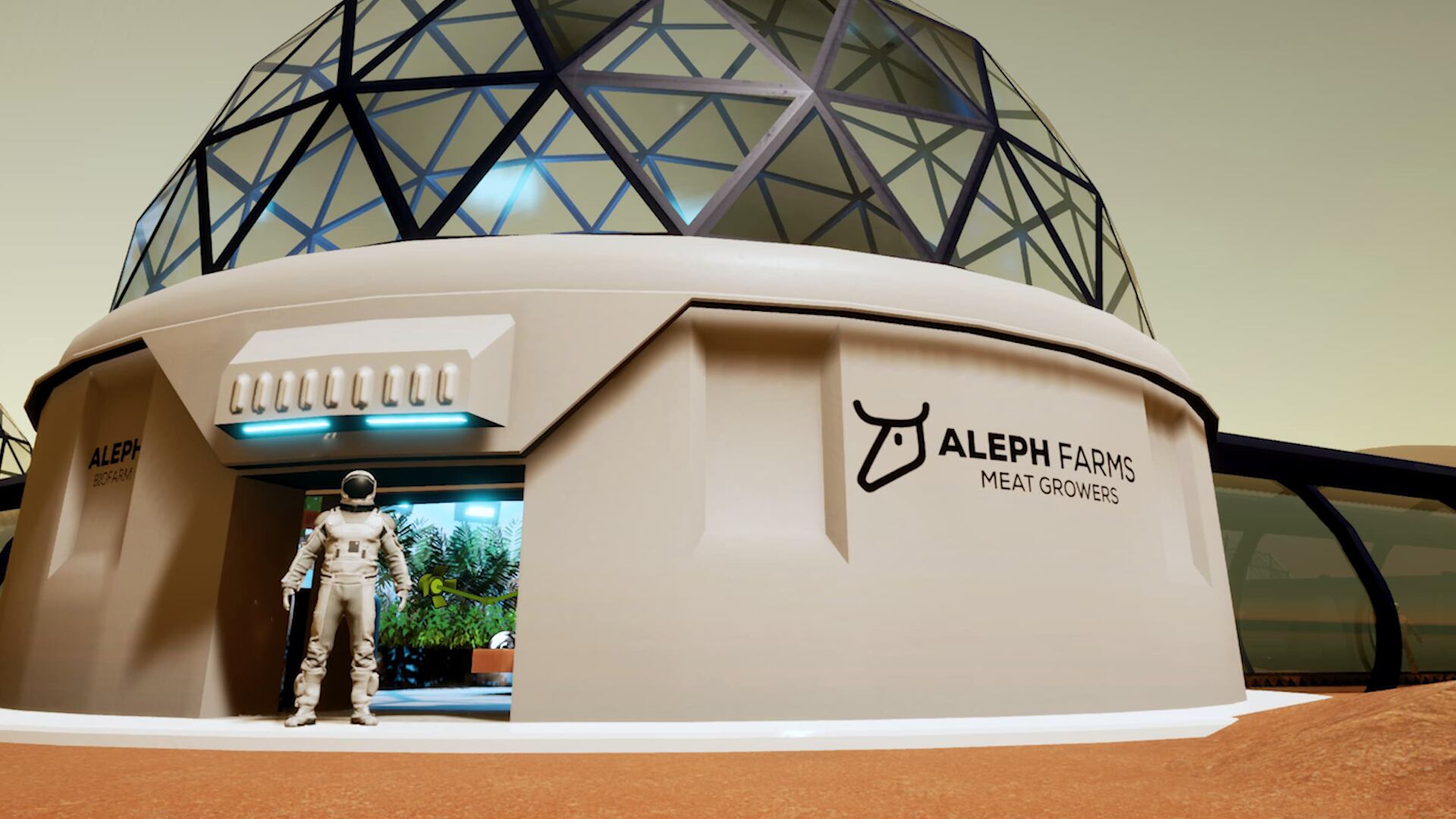
Dr. Neta Lavon, CTO and VP of R&D at Aleph Farms, joins Cheddar Innovates to discuss how the team sent cow cells to space to further research the production of meat in space, and why developing cultivated meat is so critical to the future of space travel.
A new report from DrakeStar Partners, an investment bank that closely tracks the sector, said $98.7 billion in deals were announced or closed in the first three months of the year. T
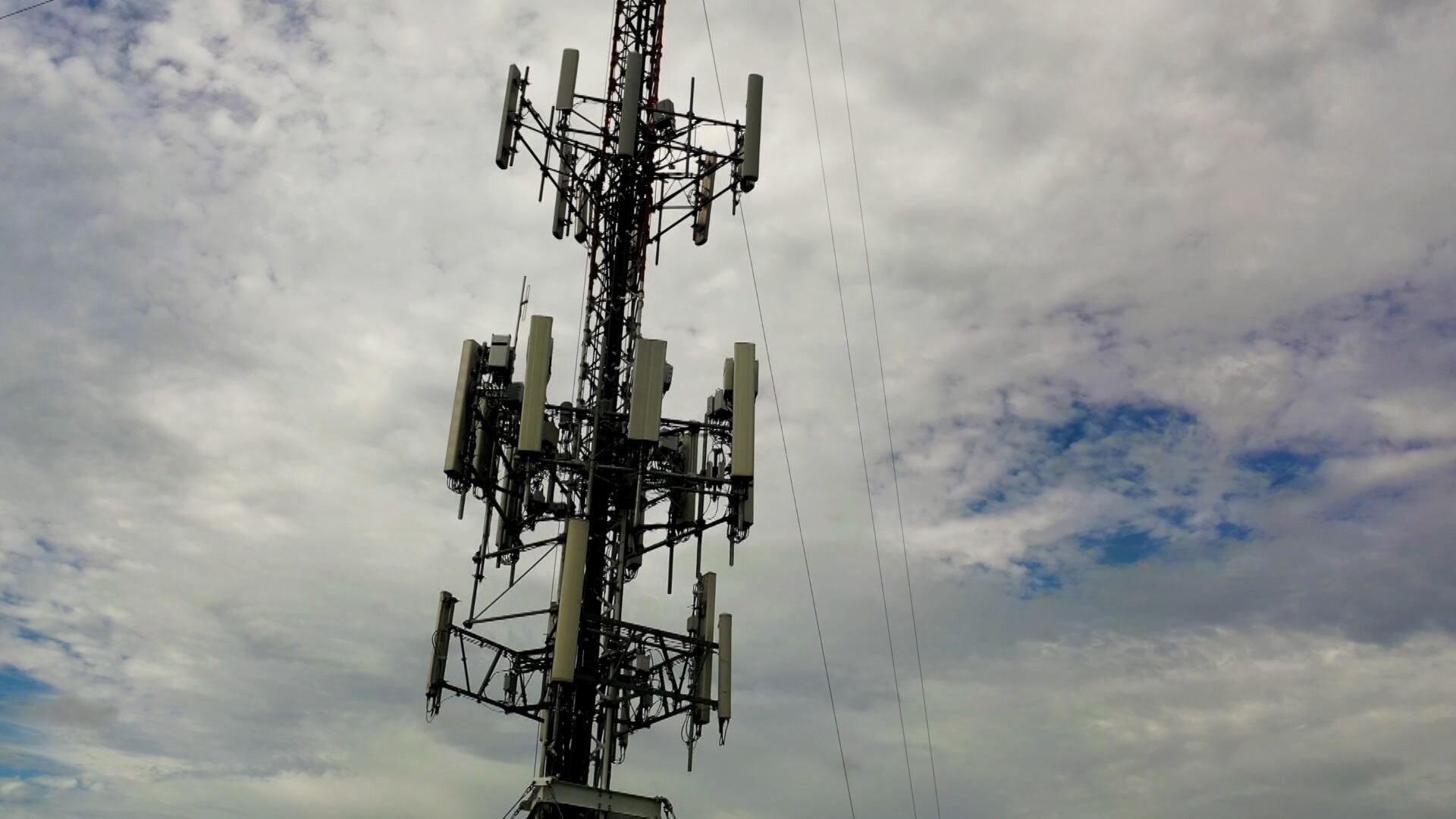
AT&T reported a 2.5 percent rise in its core wireless revenue for the first quarter as its 5G rollout expands across the United States, even as the company pivots away from streaming to focus on its communication business amid heightened demand for high-speed internet. CEO John Stankey joined Cheddar's Opening Bell to discuss the company's 5G plans, its divestment from WarnerMedia, and its push into the metaverse. "To the extent that we start to see social aspects come into the metaverse that allows people to — as they're out and about — experience those kinds of things, that just puts a higher premium on mobile networks and scaled robust mobile networks to enable those applications, which is our bread and butter, and it's probably one of our best returning and best yielding businesses," he said.
The last pocket of resistance in Mariupol, Ukraine, has been given a brief respite, the Biden admin is appealing the transit mask mandate being overturned, and Tesla reports earnings. Here is all the news you Need2Know for April 21, 2022.
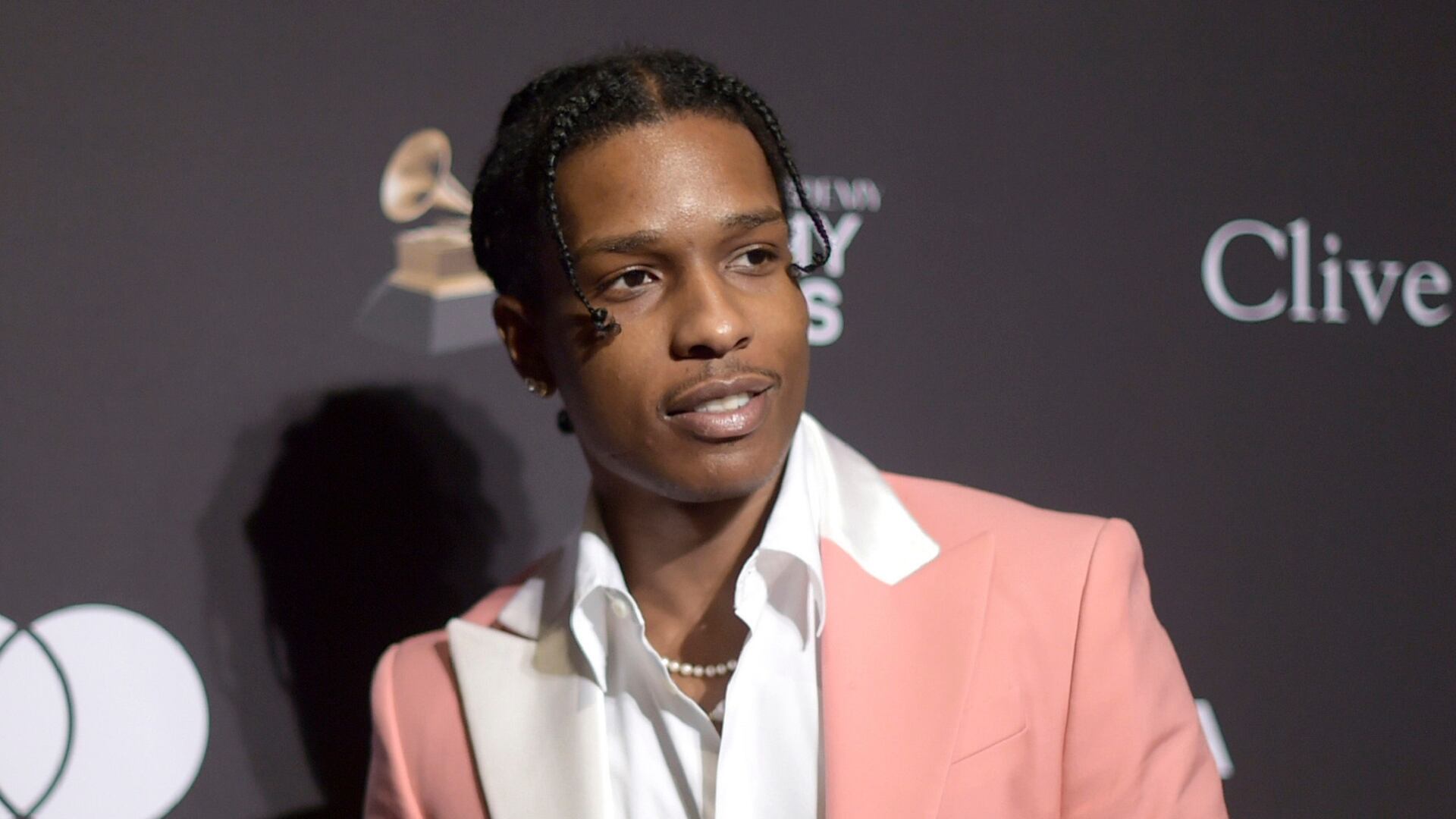
Catching you up on what you need to know on April 21, 2022, with President Biden set to announce more security assistance funding to Ukraine, polls showing a majority of Americans in favor of transit mask mandates, rapper A$AP Rocky's arrest, and more.