Google Street View Gives a Glimpse into Power of A.I.
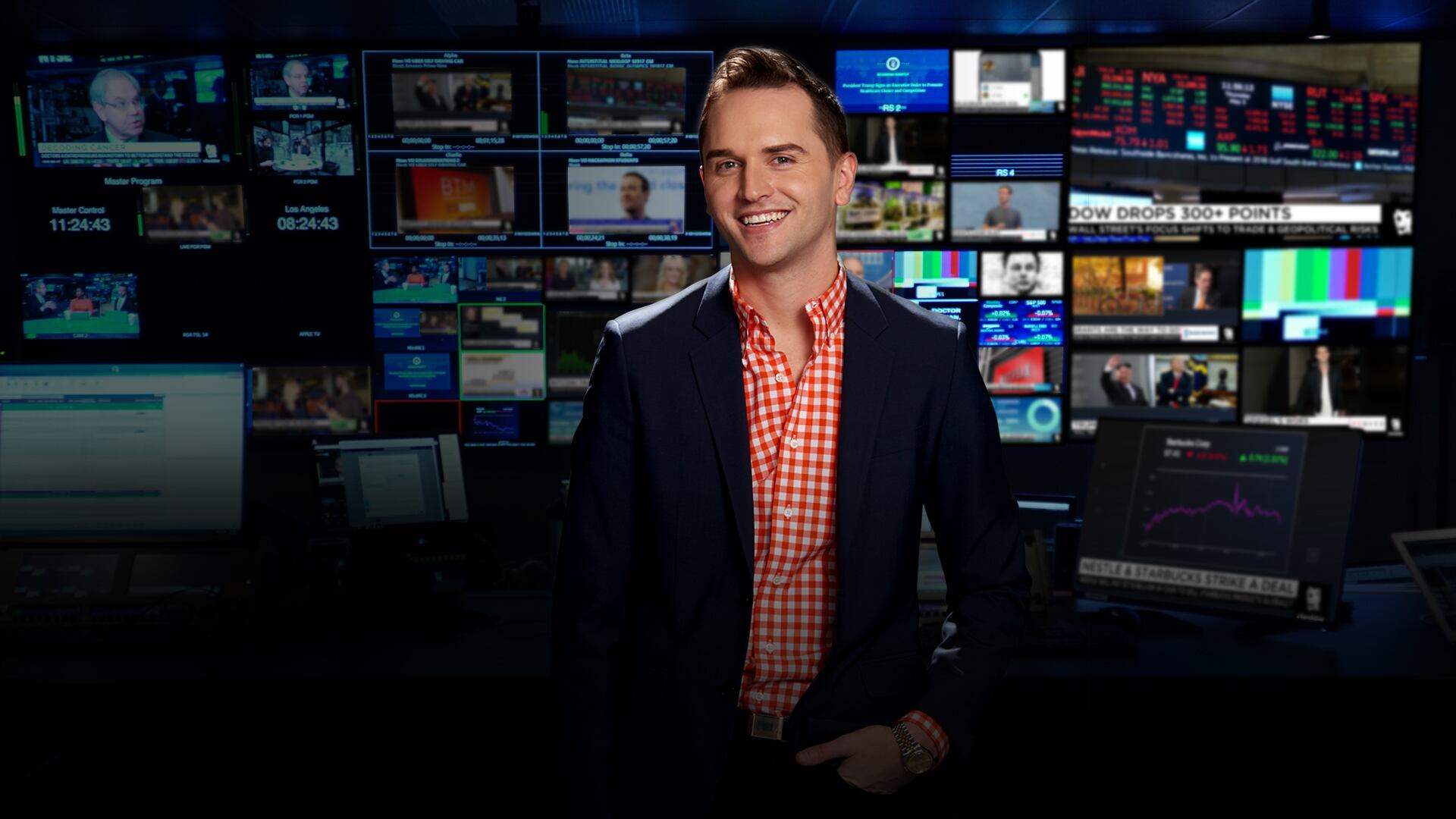
The power of A.I. can reach deeper than just recommending which show to binge on Netflix. It can also be used to analyze millions of images to predict things like income, political leanings, and buying habits. Steve Lohr, Technology and Economics Reporter at The New York Times, joined us to discuss artificial intelligence's full potential when it comes to predictive analytics.
Lohr's recent piece in The New York Times highlights a Stanford study that used 50 million images from Google Street View to give a glimpse of A.I.'s ability to gather data. He explains that researchers identified 22 million cars to draw conclusions about information such as which political candidate a particular zip code favored. The project took just 2 weeks to classify all the cars. In his piece, Lohr points out that without the help of AI, it would take human experts over 15 years to accomplish that task.
This type of data collection raises concerns over privacy and issues of data access. He says most of predictive analysis has been used for commercial purposes and selling products. The use of data becomes scary when it becomes integrated into decisions such as hiring, he says, because the mistakes become more costly.
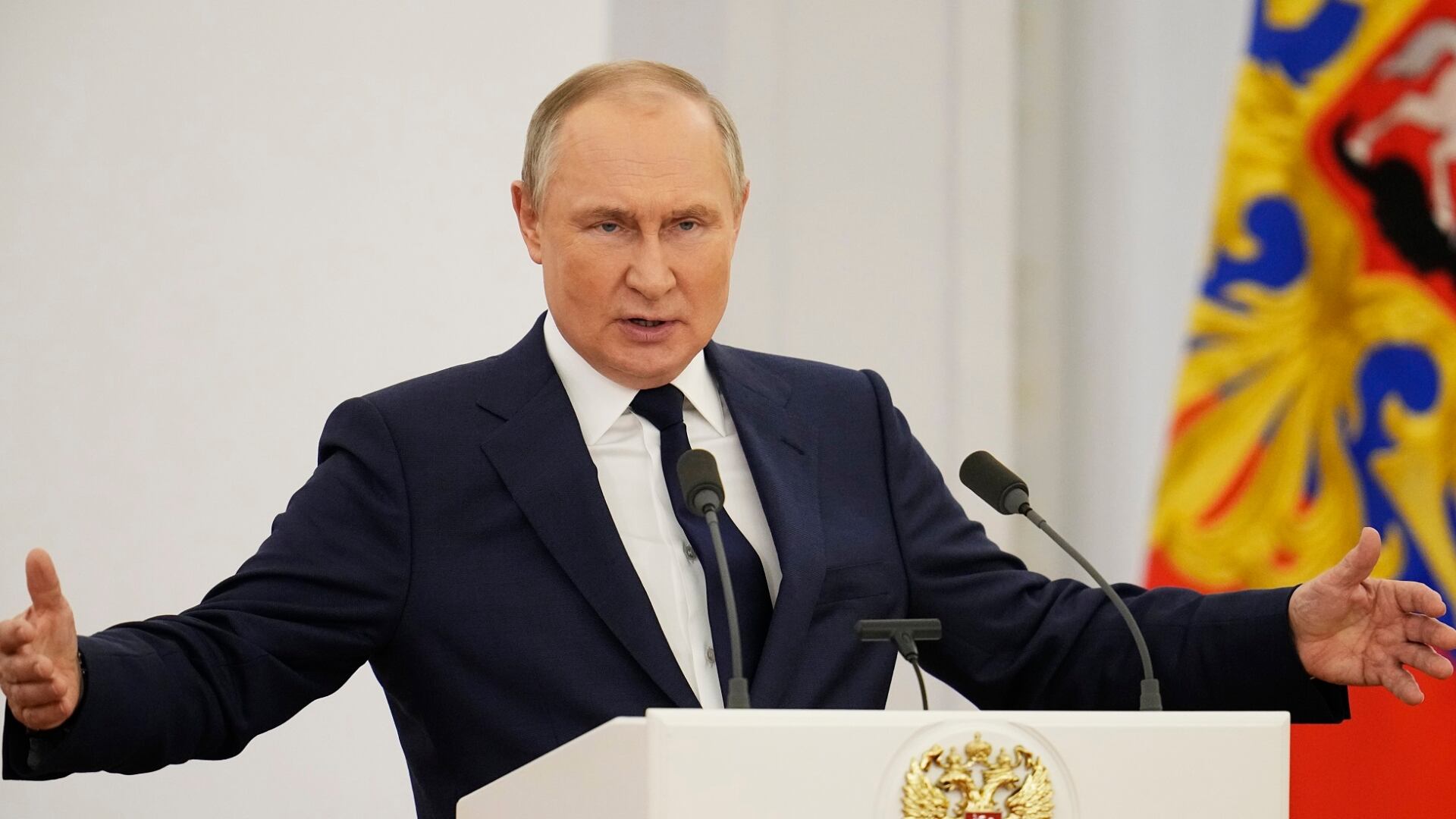
Catching you up on what you need to know on April 26, 2022, with Elon Musk’s purchase of Twitter for $44 billion, Russia warning of a possible threat of World War III, the FDA approving a COVID treatment for children under 12, and more.
The annual Edison Awards dive into the latest in the world of technology and innovation. Each year at the ceremony, the Edison Lifetime achievement is awarded to select individuals who have made a difference in the space. Cheddar News sat down with the 2022 honoree, Carmichael Roberts, co-founder and managing partner at Material Impact, to discuss.
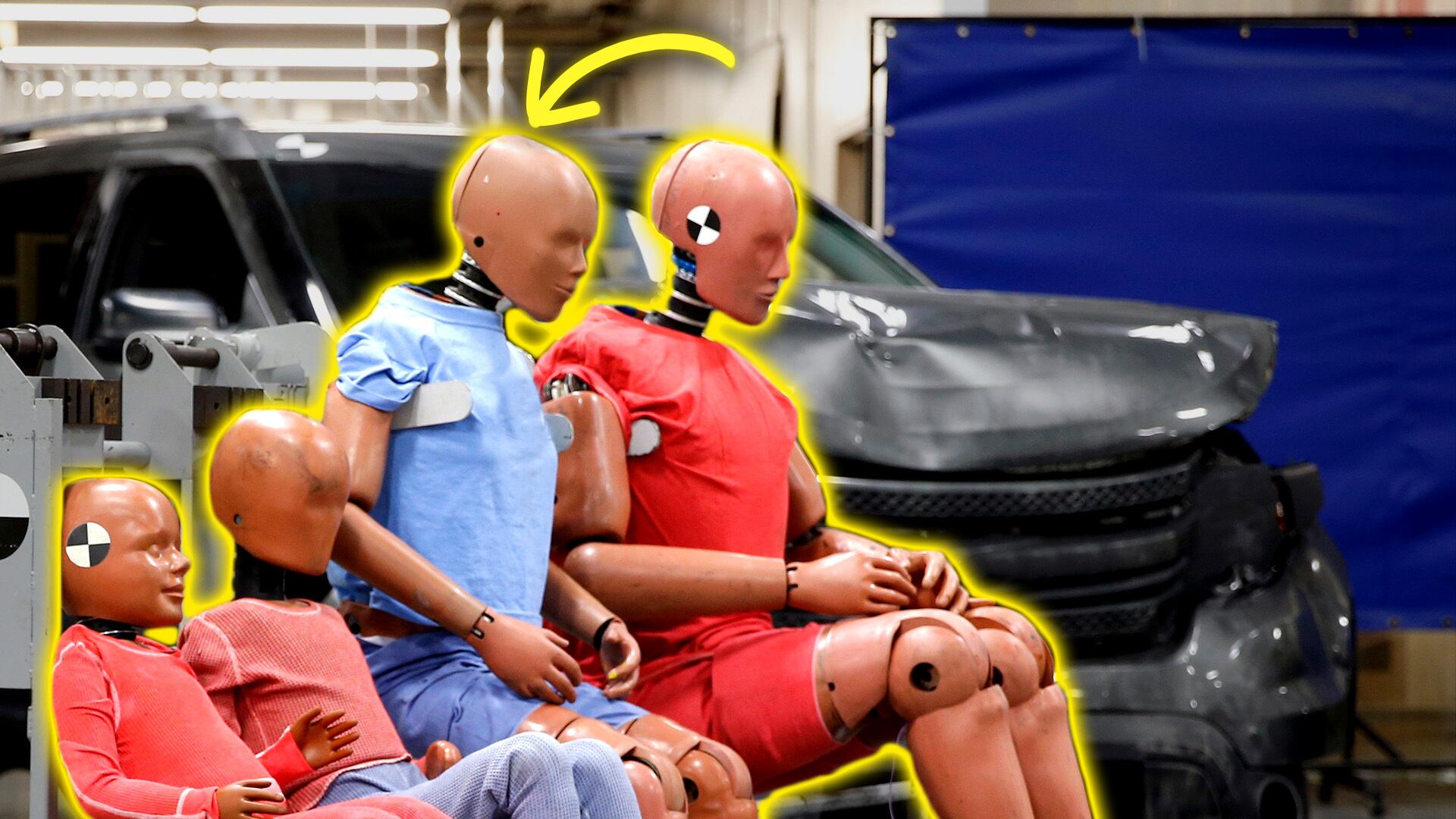
In February 2022, over 65 congressional members sent a letter to Secretary Buttigieg and the Department of Transportation urging the agency to update certain safety standards when it comes to crash testing. So, what exactly are advocates calling for and why do they say our crash tests need a major update?
Amid a spate of Big Tech earnings reports on the horizon, social media giant Twitter accepted Elon Musk’s $44 billion offer to buy the platform. Musk has already signaled his intention to take the company private, and Angelo Zino, a senior equity analyst for CFRA, joined Cheddar News to talk about tech-related business news and what taking Twitter private could mean for the company. "His kind of vision is clearly on softening his stance on content moderation. You're going to see him do it, and we'll kind of see what else he has in store in terms of the pipeline of enhancing the product out there," Zino said about Musk's plans. "But there's a lot more he can do as a private company than he can do as a public company."
UPSIDE foods, a company that makes cultivated meat products, recently raised $400 million in a Series C round.
UPSIDE says it's developing a way to grow real meat, poultry, and seafood, without the need to raise animals for human consumption. It's a process that gets the attention of some big-name backers, including Bill Gates and Richard Branson. Dr. Uma Valeti, Founder and CEO of UPSIDE Foods, joins Cheddar News' Closing Bell to discuss.