Google Street View Gives a Glimpse into Power of A.I.
The power of A.I. can reach deeper than just recommending which show to binge on Netflix. It can also be used to analyze millions of images to predict things like income, political leanings, and buying habits. Steve Lohr, Technology and Economics Reporter at The New York Times, joined us to discuss artificial intelligence's full potential when it comes to predictive analytics.
Lohr's recent piece in The New York Times highlights a Stanford study that used 50 million images from Google Street View to give a glimpse of A.I.'s ability to gather data. He explains that researchers identified 22 million cars to draw conclusions about information such as which political candidate a particular zip code favored. The project took just 2 weeks to classify all the cars. In his piece, Lohr points out that without the help of AI, it would take human experts over 15 years to accomplish that task.
This type of data collection raises concerns over privacy and issues of data access. He says most of predictive analysis has been used for commercial purposes and selling products. The use of data becomes scary when it becomes integrated into decisions such as hiring, he says, because the mistakes become more costly.
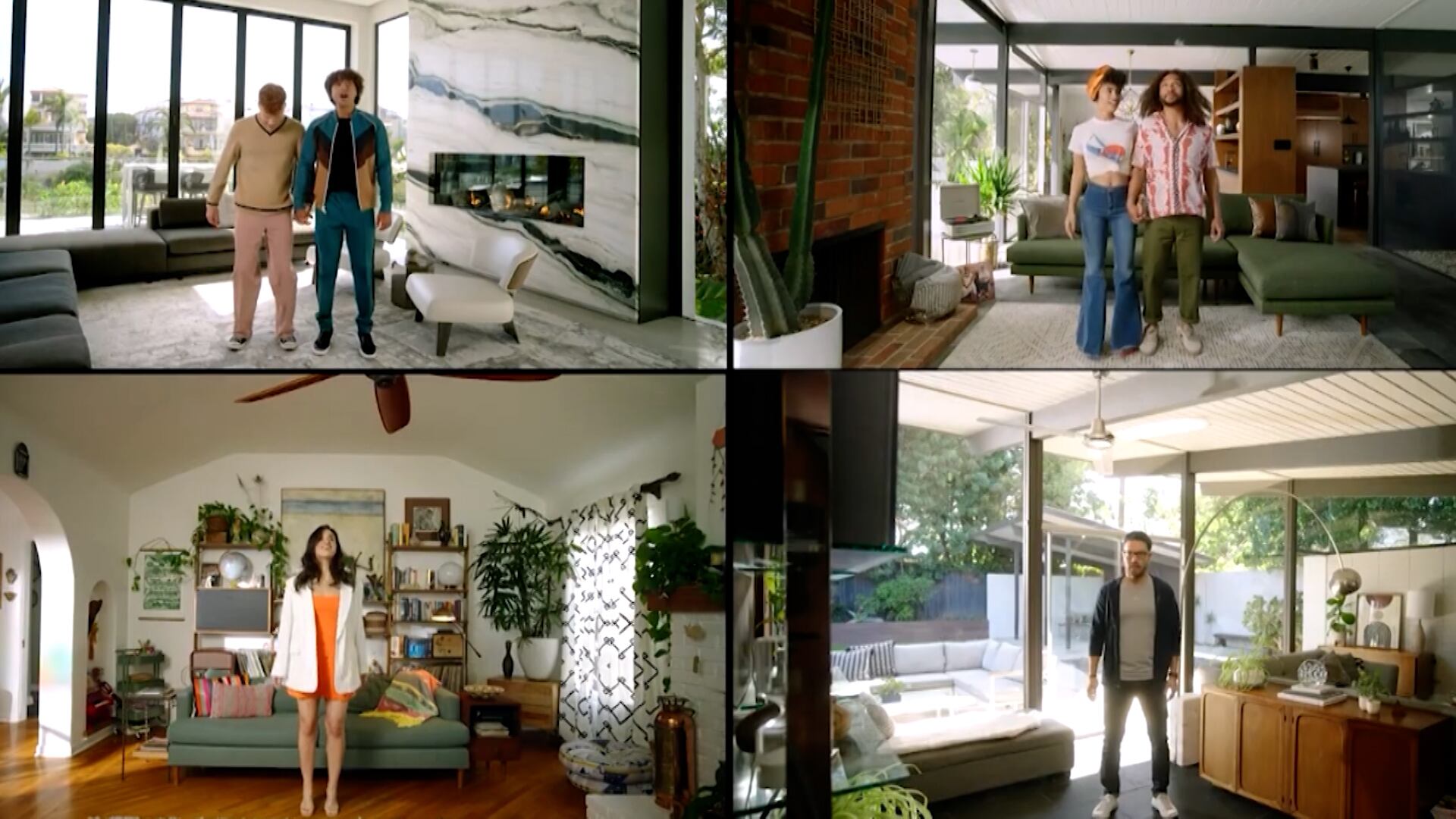
Members-only home swapping network Kindred recently announced its launch alongside a $7.75 million seed round led by Andreessen Horowitz. Homeowners and renters can exchange homes on Kindred's platform, which the company says allows members to travel and take advantage of remote-work flexibility at the fraction of the cost of a hotel or rental home. Justin Palefsky and Tas Amina, co-founders of Kindred, join Cheddar News' Closing Bell to discuss.
SpoonTEK is an eating utensil that uses new technology to enhance flavors. Co-founders Ken and Cameron Davidov join Cheddar News to explain how the high-tech silverware can not only boost taste but also the health of its user.
Judith Donath, Fellow at Harvard's Berkman Center, and the founder of the Sociable Media Group at the MIT Media Lab, joins Cheddar Reveals to take a trip back through the origins of the Internet and how it's shaped human behavior over decades.
Mike Liebhold, Distinguished Fellow and Senior Technology Researcher, Institute for the Future, joins Cheddar Reveals to discuss what the future of the internet holds and why cell phones could give way to glasses and headsets as the most common way to access the Internet.