Google Street View Gives a Glimpse into Power of A.I.
The power of A.I. can reach deeper than just recommending which show to binge on Netflix. It can also be used to analyze millions of images to predict things like income, political leanings, and buying habits. Steve Lohr, Technology and Economics Reporter at The New York Times, joined us to discuss artificial intelligence's full potential when it comes to predictive analytics.
Lohr's recent piece in The New York Times highlights a Stanford study that used 50 million images from Google Street View to give a glimpse of A.I.'s ability to gather data. He explains that researchers identified 22 million cars to draw conclusions about information such as which political candidate a particular zip code favored. The project took just 2 weeks to classify all the cars. In his piece, Lohr points out that without the help of AI, it would take human experts over 15 years to accomplish that task.
This type of data collection raises concerns over privacy and issues of data access. He says most of predictive analysis has been used for commercial purposes and selling products. The use of data becomes scary when it becomes integrated into decisions such as hiring, he says, because the mistakes become more costly.
Melissa Snover, Founder & CEO of Nourished, joins Cheddar Innovates to discuss her one-of-a-kind business that offers customizable, 3D printed vitamins that offer less hassle, cost, and waste than traditional vitamins.
Mental health platform Real recently raised $37 million in a Series B round led by Owl Ventures. Through its mobile app, Real says it provides mental health care at a lower cost than traditional therapy and aims to make mental wellness a part of everyone's daily routine. The company also announced that U.S. soccer star Megan Rapinoe will serve as an adviser to the company. Ariela Safira, Founder & CEO of Real, joins Cheddar News' Closing Bell to discuss.
Catching you up on what you need to know on April 28, 2022, with Elon Musk mocking Twitter's top legal exec Vijaya Gadde on the platform itself, a probe in George Floyd's death finding discrimination within the Minneapolis police force, the latest California drought leading to new water restrictions, and more.
Ford CFO John Lawler joined Cheddar News to talk about the auto giant's Q1 earnings report that beat on revenue and EPS. Despite the good numbers, Lawler spoke to challenges Ford had to navigate. "We also see the continued disruption to the supply chain impacting our production, and that hit us in the first quarter as well. So it kept us from having an even stronger quarter," he said. Lawler noted that chip shortages leading to the supply constraints should ease up throughout the year.
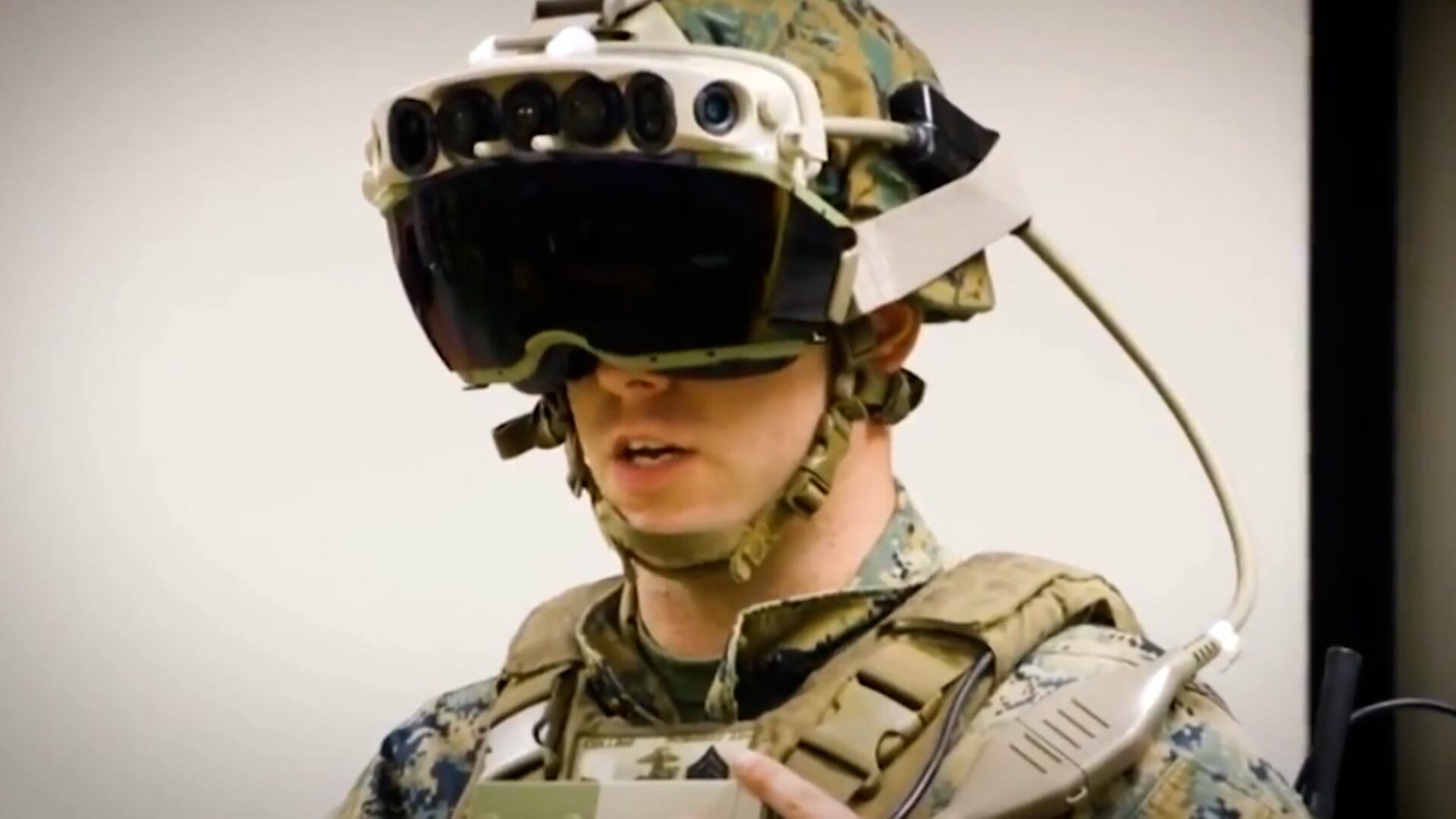
Tech giant Microsoft won a military contract for the production of its IVAS (integrated visual augmentation system) combat goggles, based on its HoloLens ARG tech, worth up to $21.9 billion over 10 years. However, the Pentagon is now saying that the device "has not yet demonstrated the capability to serve as a fighting goggle," and that the Army made mistakes in the program's initial stages by not clearly describing minimum performance standards. While testing continues, concerns have grown outside of the Defense Department to Congress and even within Microsoft itself. Cheddar's Ken Buffa takes a deeper look at the possible boondoggle.