Google Street View Gives a Glimpse into Power of A.I.
The power of A.I. can reach deeper than just recommending which show to binge on Netflix. It can also be used to analyze millions of images to predict things like income, political leanings, and buying habits. Steve Lohr, Technology and Economics Reporter at The New York Times, joined us to discuss artificial intelligence's full potential when it comes to predictive analytics.
Lohr's recent piece in The New York Times highlights a Stanford study that used 50 million images from Google Street View to give a glimpse of A.I.'s ability to gather data. He explains that researchers identified 22 million cars to draw conclusions about information such as which political candidate a particular zip code favored. The project took just 2 weeks to classify all the cars. In his piece, Lohr points out that without the help of AI, it would take human experts over 15 years to accomplish that task.
This type of data collection raises concerns over privacy and issues of data access. He says most of predictive analysis has been used for commercial purposes and selling products. The use of data becomes scary when it becomes integrated into decisions such as hiring, he says, because the mistakes become more costly.
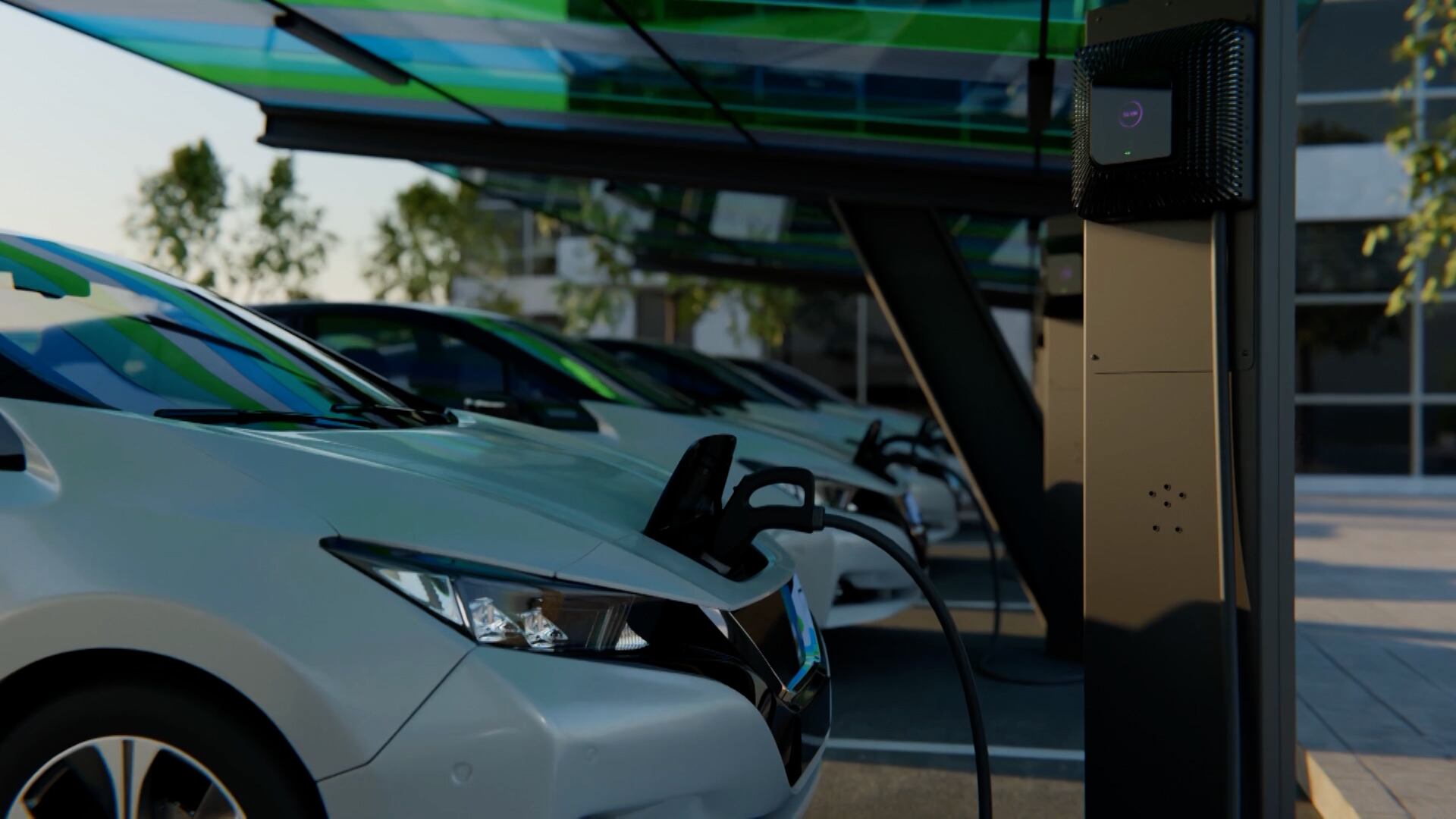
Electric vehicle charging company Wallbox goes public via a SPAC on the NYSE under the ticker symbol WBX.
Wallbox has merged with special purpose acquisition corporation Kensington Capital Acquisition. Enric Asunción, CEO of Wallbox, joins Cheddar News' Closing Bell to discuss.
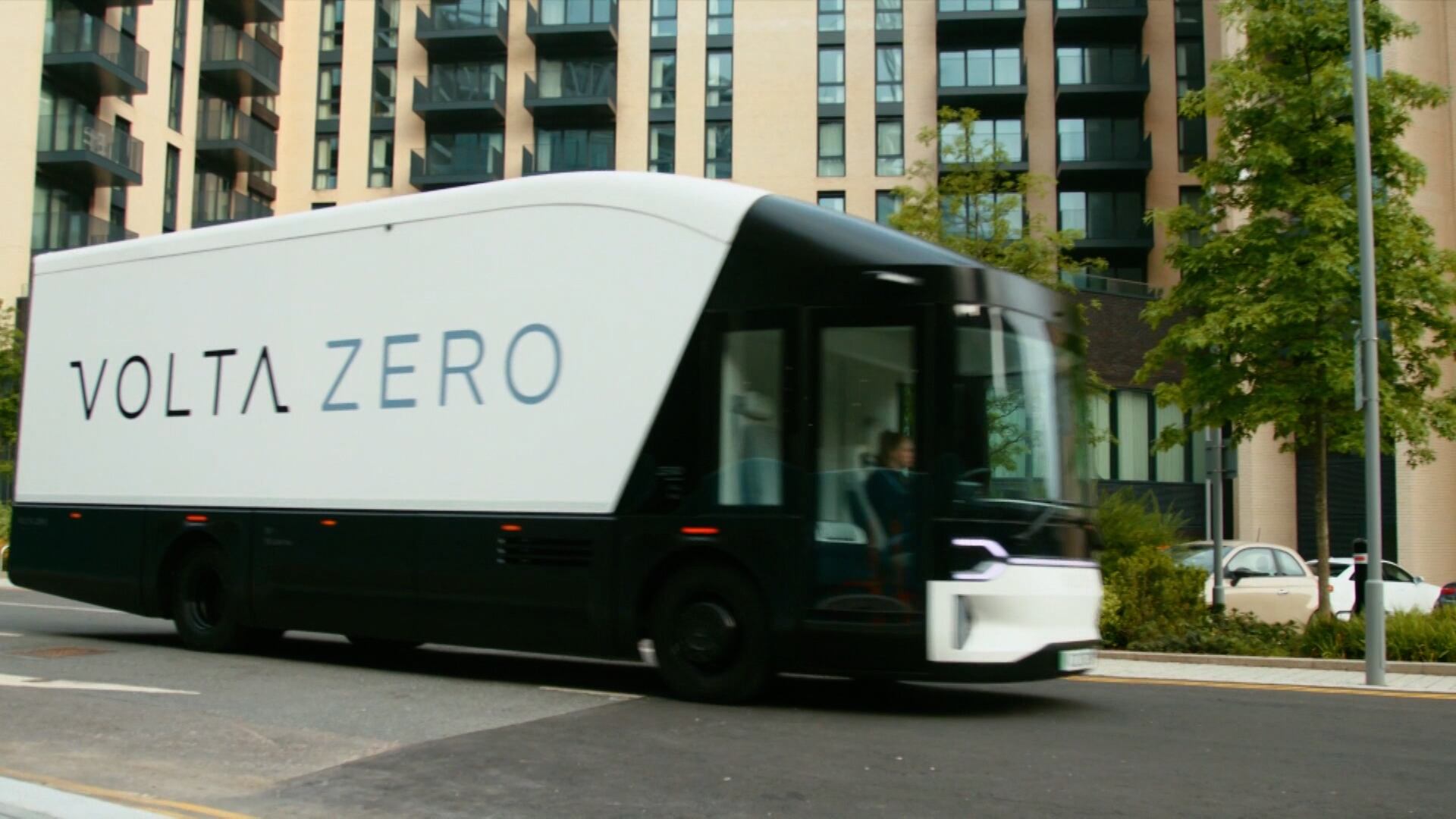
The parcel delivery industry is getting more competitive as more companies enter the space with climate change in mind. Carl-Magnus Norden, founder and executive chairman at Volta Trucks, joined Cheddar to talk about electrifying delivery vehicles as well as the startup’s $44 million funding round. Despite ongoing driver shortages, he noted that he didn't see autonomous delivery being available in city settings within the next five years.
Jeff Bezos' space travel company Blue Origin is under fire after a group of 20 current and former employees signed a letter to the FAA claiming safety violations that were detailed along with accusations of sexual harassment.
Cloud contact center software company Five9's shareholders voted against the $14.7 billion all-stock acquisition deal from Zoom. A return to offices and in-person meetings have been cited for at least some of the reasons the deal ultimately fell through.