Google Street View Gives a Glimpse into Power of A.I.
The power of A.I. can reach deeper than just recommending which show to binge on Netflix. It can also be used to analyze millions of images to predict things like income, political leanings, and buying habits. Steve Lohr, Technology and Economics Reporter at The New York Times, joined us to discuss artificial intelligence's full potential when it comes to predictive analytics.
Lohr's recent piece in The New York Times highlights a Stanford study that used 50 million images from Google Street View to give a glimpse of A.I.'s ability to gather data. He explains that researchers identified 22 million cars to draw conclusions about information such as which political candidate a particular zip code favored. The project took just 2 weeks to classify all the cars. In his piece, Lohr points out that without the help of AI, it would take human experts over 15 years to accomplish that task.
This type of data collection raises concerns over privacy and issues of data access. He says most of predictive analysis has been used for commercial purposes and selling products. The use of data becomes scary when it becomes integrated into decisions such as hiring, he says, because the mistakes become more costly.
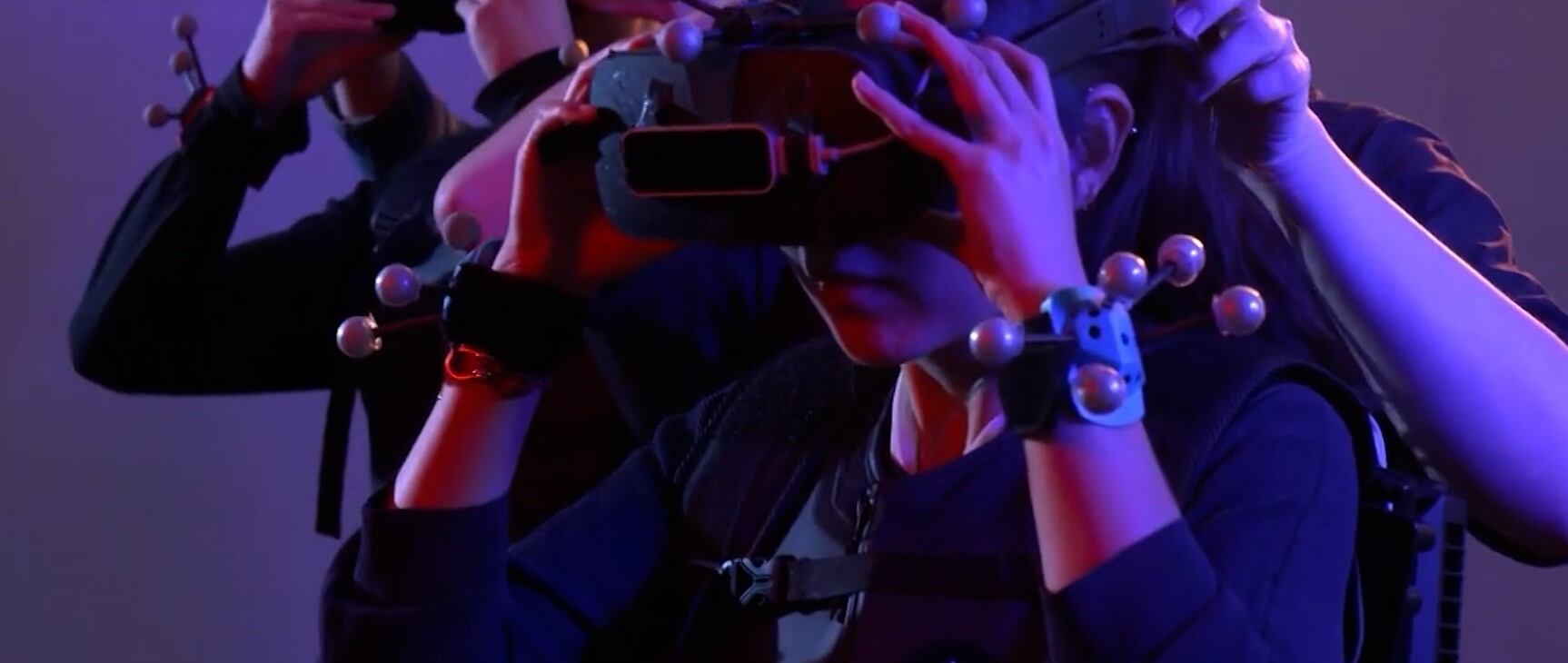
Virtual reality startup Sandbox VR recently announced it raised $37 million Series B funding round. It is a location-based VR company, a space that was hit hard during the pandemic. Sandbox was eventually forced to file for bankruptcy; however, the company is emerging from the pandemic with a fresh round of funding and plans to open new retail locations around the world. Sandbox VR CEO Steve Zhao joins Cheddar News' Closing Bell to discuss.
Jill and Carlo cover the latest with the infrastructure bill, the growing state rebellion over boosters, Trump's dereliction of duty on the pandemic, Taylor Swift's reign of cultural domination and more.
2021 has been the year of many things, and one of them is the NFT or non-fungible token. We've seen NFTs come about for so many different things.
Digital artists have used them to sell their artwork in a more traditional art transaction than the internet had previously allowed. We've seen specific NFT campaigns like the pudgy penguins amass large followings. And now we're seeing them expand into horror films just in time for spooky season.
The iconic horror movie franchise "Texas Chainsaw Massacre" has launched its debut NFT line entitled "Leatherfaces." the illustrations are designed by Skinner in partnership with Ultra Rare to reveal a total of over 10,000 Leatherface avatars. The collection gives fans, NFT fiends and blockchain fanatics access to a new Texas Chainsaw Massacre metaverse unlike any that has been seen before.
Richie Hobson, co-founder of Ultra Rare, joins None of the Above to discuss.