Google Street View Gives a Glimpse into Power of A.I.
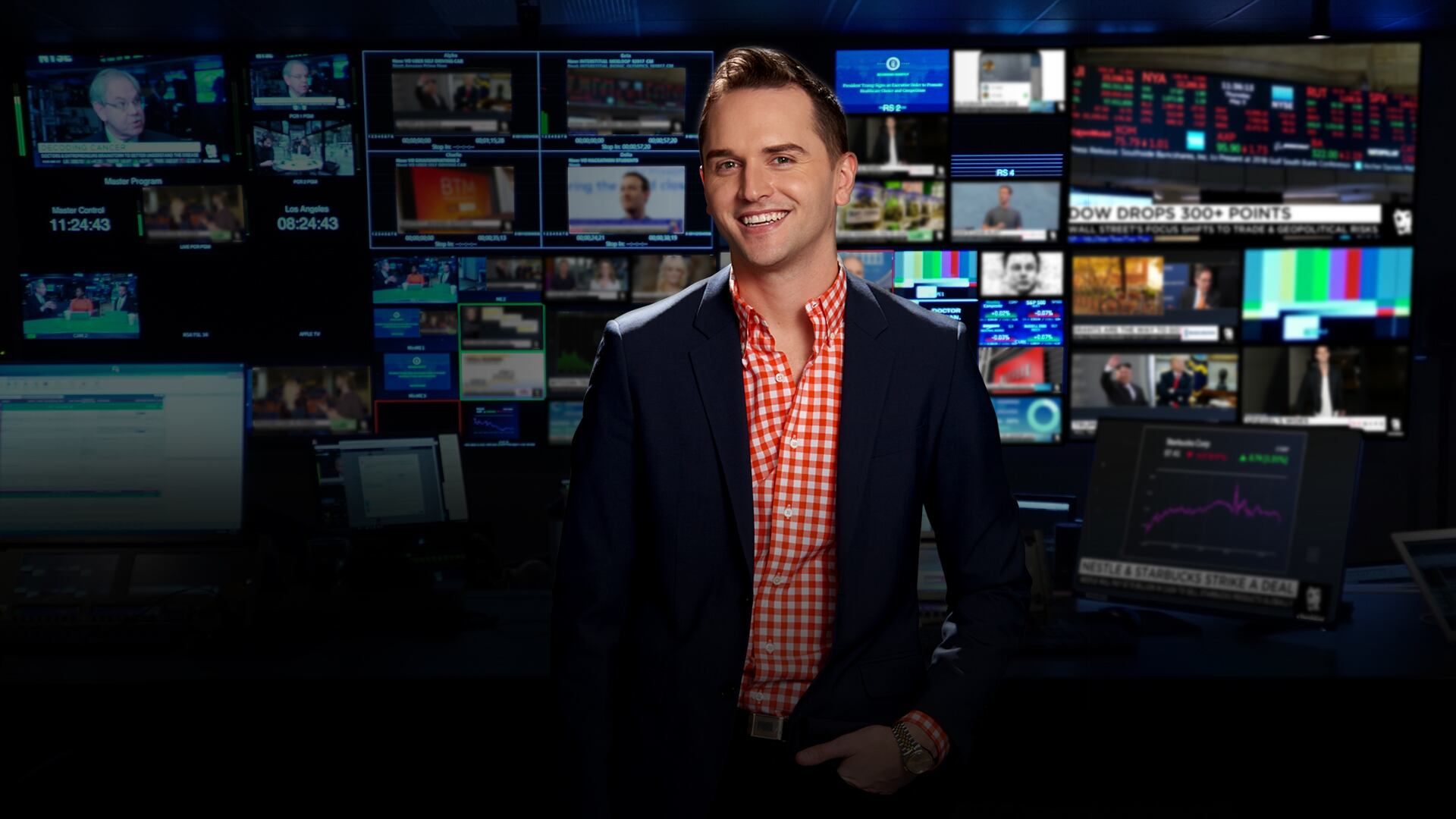
The power of A.I. can reach deeper than just recommending which show to binge on Netflix. It can also be used to analyze millions of images to predict things like income, political leanings, and buying habits. Steve Lohr, Technology and Economics Reporter at The New York Times, joined us to discuss artificial intelligence's full potential when it comes to predictive analytics.
Lohr's recent piece in The New York Times highlights a Stanford study that used 50 million images from Google Street View to give a glimpse of A.I.'s ability to gather data. He explains that researchers identified 22 million cars to draw conclusions about information such as which political candidate a particular zip code favored. The project took just 2 weeks to classify all the cars. In his piece, Lohr points out that without the help of AI, it would take human experts over 15 years to accomplish that task.
This type of data collection raises concerns over privacy and issues of data access. He says most of predictive analysis has been used for commercial purposes and selling products. The use of data becomes scary when it becomes integrated into decisions such as hiring, he says, because the mistakes become more costly.
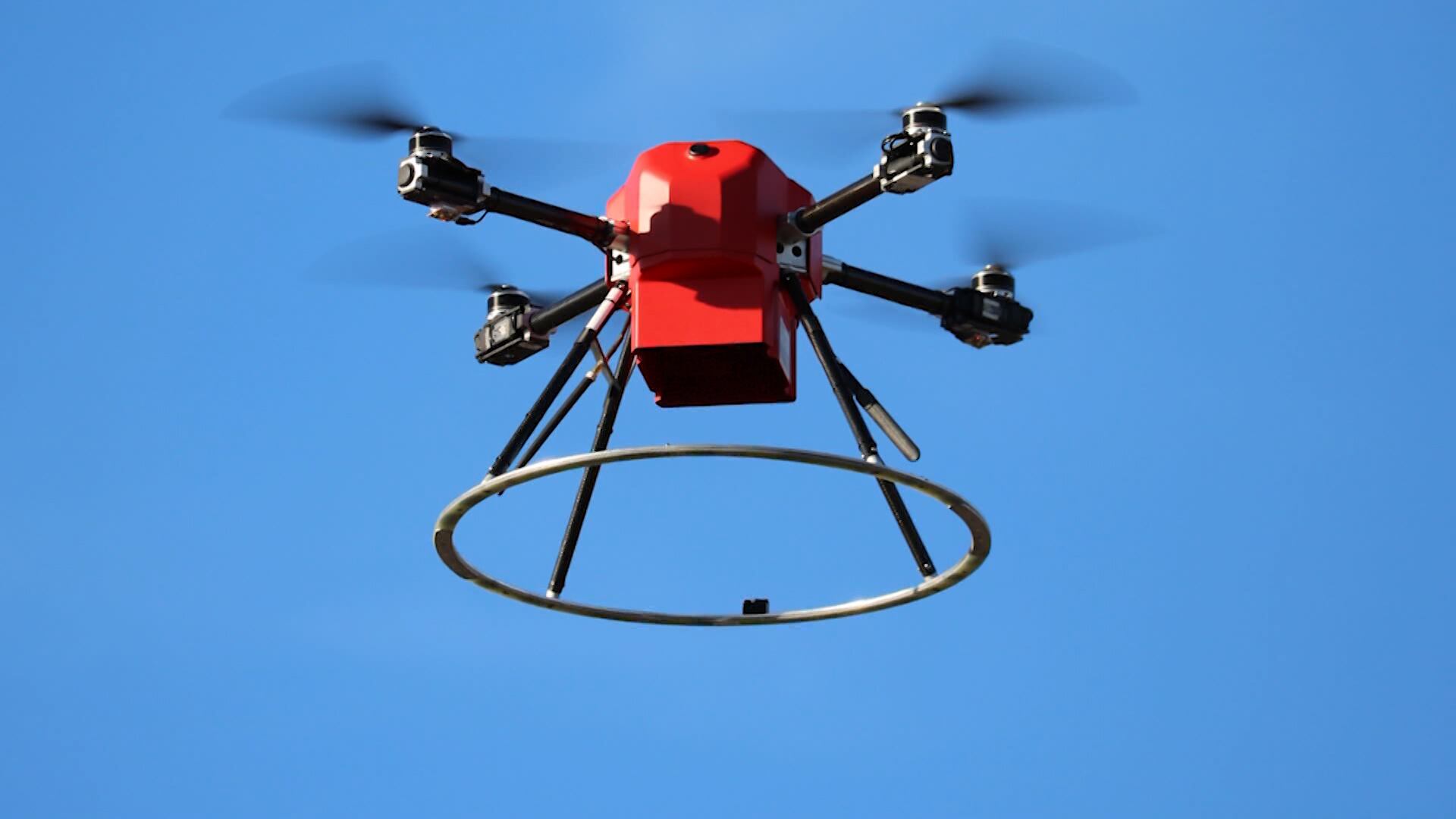
Reese Mozer, CEO and co-founder of American Robotics, joins Cheddar News to discuss innovations in edge computing and how drone technology can maximize its potential.
Jill and Carlo cover the latest on Omicron, another school shooting in America and more. Plus, bidding farewell to 'transitory' inflation, and the controversy surrounding 'Lovely Bones' author Alice Sebold.
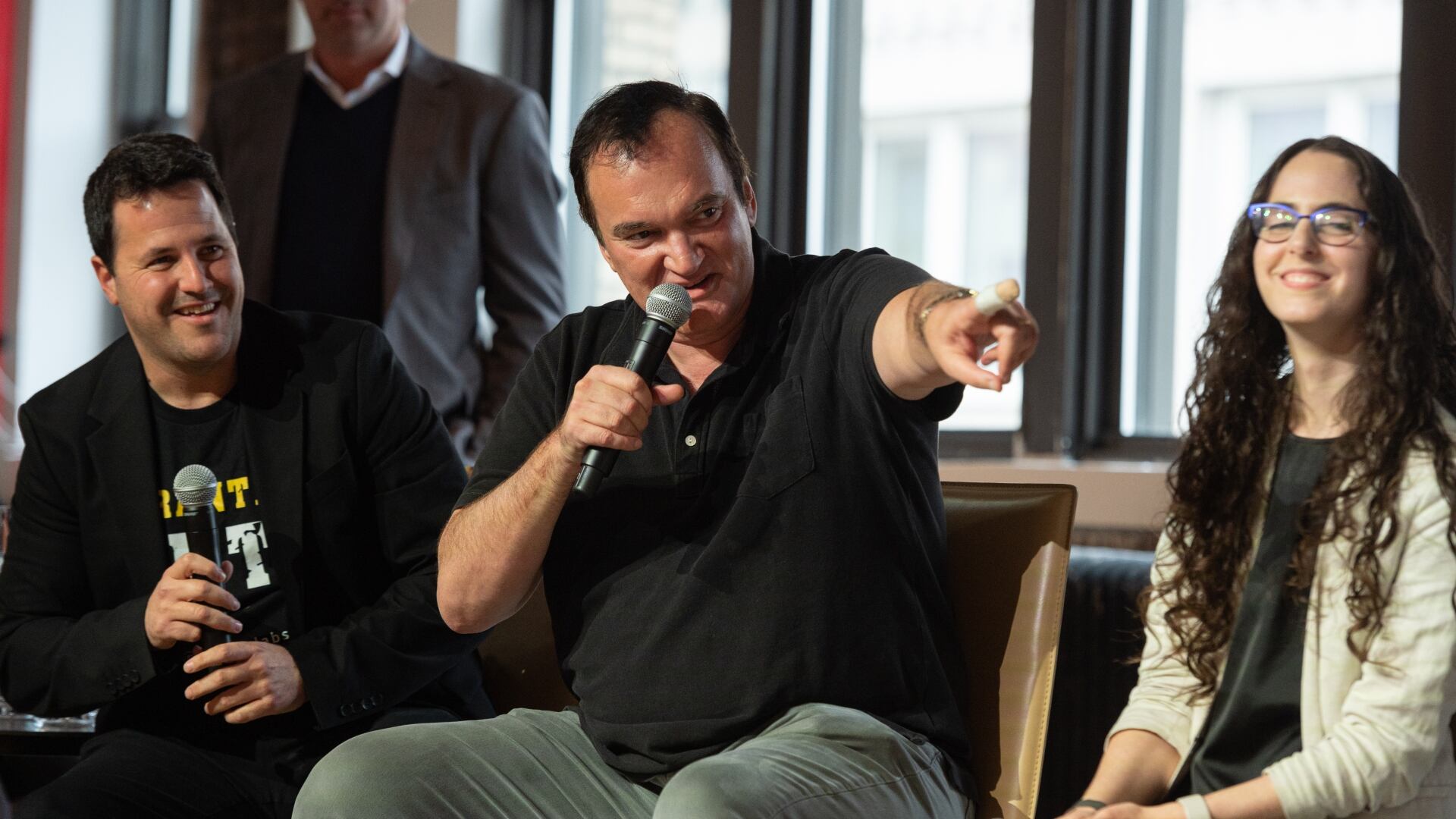
Capitalizing on the NFT hype while riding the rush to all things '90s, tarantino announced earlier this month a planned sale of NFTs based off his hand-written, original script of 'Pulp Fiction.' Days after the announcement, the studio that produced the iconic film, Miramax, filed suit against Tarentino. Kal Raustiala, Professor of comparative and international law at UCA joins Cheddar News.
Sam Burd, president of Dell Technologies Client Solutions Group, joined Cheddar to talk about the firm's Q3 earnings beat and what consumers can expect from the tech company in the future. He noted a return to offices alongside the overall change to how people work as sources for the earnings beat. Burd also discussed how the company has been able to navigate the ongoing global semiconductor chip shortage.
Sarav Arunachalam, air pollution scientist at the University of North Carolina at Chapel Hill, joins Cheddar Climate, where he discusses what he needs to happen when it comes to EV production on a global level to help reduce the effects of climate change.