Google Street View Gives a Glimpse into Power of A.I.
The power of A.I. can reach deeper than just recommending which show to binge on Netflix. It can also be used to analyze millions of images to predict things like income, political leanings, and buying habits. Steve Lohr, Technology and Economics Reporter at The New York Times, joined us to discuss artificial intelligence's full potential when it comes to predictive analytics.
Lohr's recent piece in The New York Times highlights a Stanford study that used 50 million images from Google Street View to give a glimpse of A.I.'s ability to gather data. He explains that researchers identified 22 million cars to draw conclusions about information such as which political candidate a particular zip code favored. The project took just 2 weeks to classify all the cars. In his piece, Lohr points out that without the help of AI, it would take human experts over 15 years to accomplish that task.
This type of data collection raises concerns over privacy and issues of data access. He says most of predictive analysis has been used for commercial purposes and selling products. The use of data becomes scary when it becomes integrated into decisions such as hiring, he says, because the mistakes become more costly.
According to the U.S. Department of Health and Human Services, more than 40 million people have had their personal health information exposed in data breaches this year alone. A number of these incidents have caused health care networks to crash for weeks. Founder and CEO of BlackCloak Chris Pierson, joined Cheddar to discuss more.
Rainmaker Games bills itself as a blockchain-based organization founded in the metaverse, built on a new type of gaming ecosystem called play-to-earn. The company announced a $6.5 million seed round after it was founded just this year. Rainmaker Games CEO and founder Will Deane joins Cheddar News' Closing Bell to discuss.
Analysts are all-in on tech giant Apple, issuing bullish ratings this week and calling it a 'safety blanket' and one of the best assets for investors in 2022. This comes as Apple edges closer to a $3 trillion market cap. Mario Stefanidis, Vice President at Roundhill Investments, joins Cheddar News' Closing Bell to discuss why analysts are bullish on the tech giant, how close the company is to hitting a $3 trillion market cap, and more.
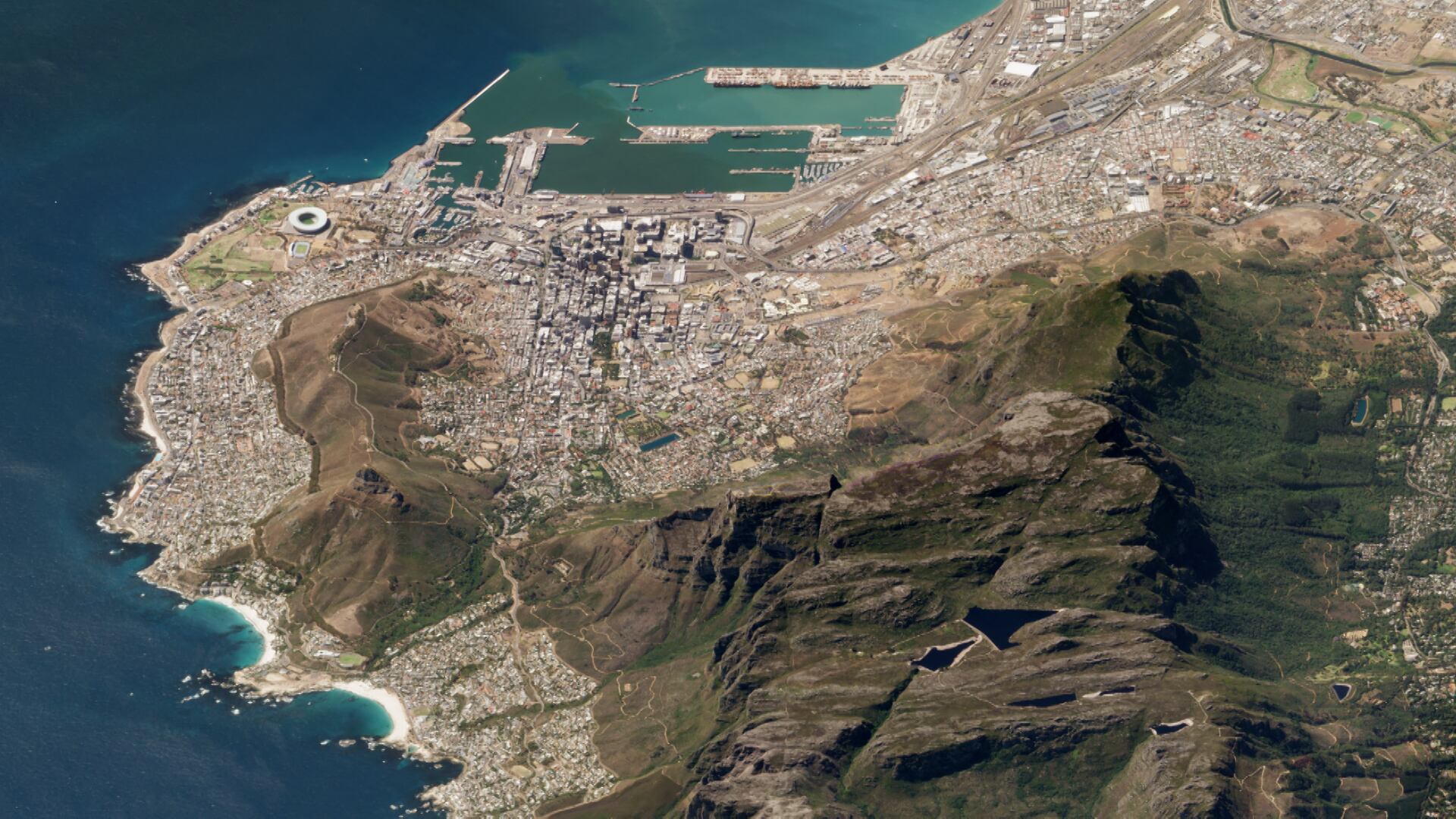
Planet made its public debut on December 8, ringing the opening bell at the NYSE in honor of the occasion. With more than 200 satellites in orbit, the company operates the world's largest constellation of satellites, providing daily scans of the entire earth. This helps with everything from agriculture companies monitoring fields and crop health, to FEMA's disaster response, to marine protection programs. Will Marshall, co-founder and CEO of Planet, explains how this milestone will allow the company fulfill its mission of using space to help life here on Earth.
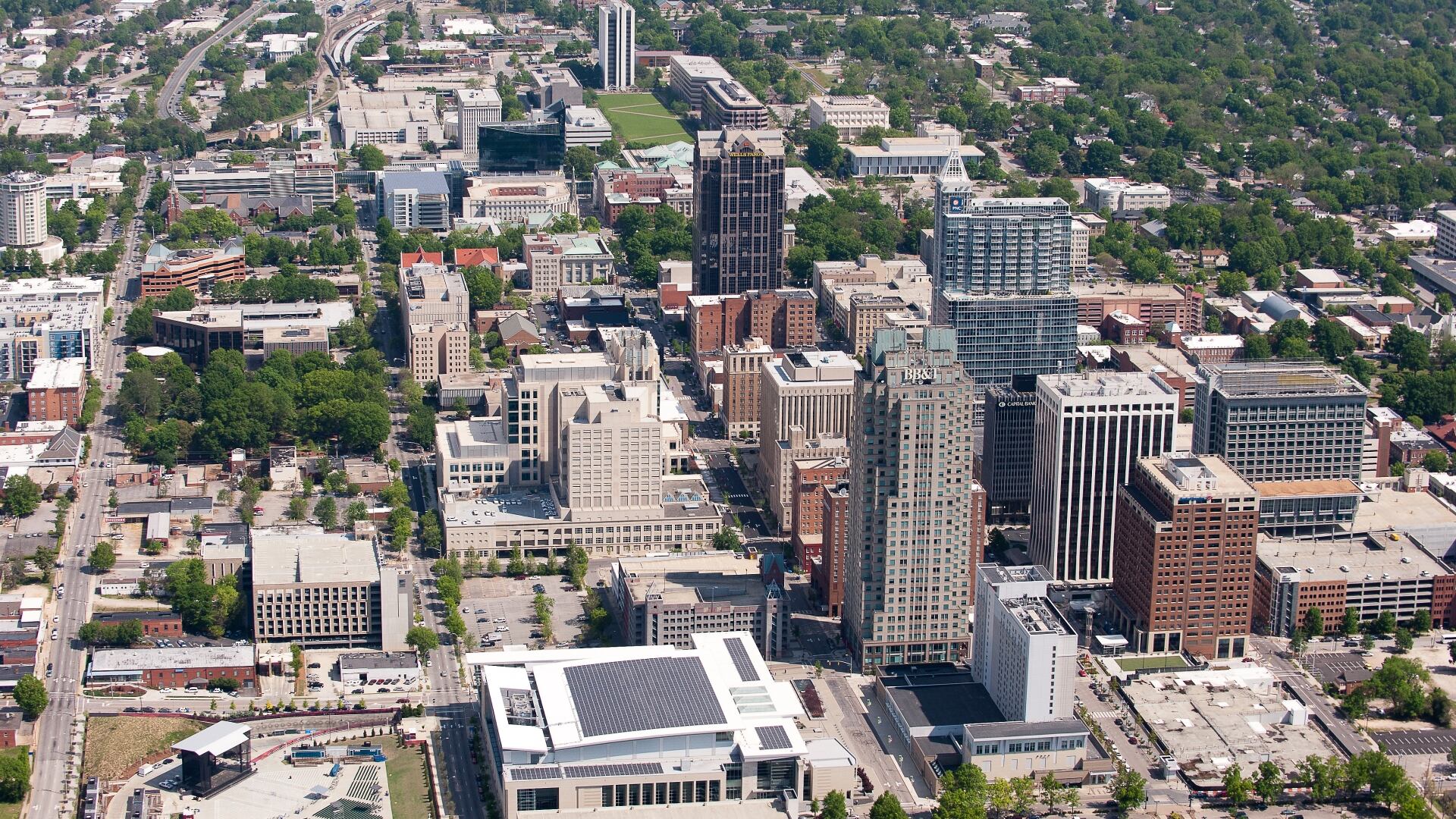
North Carolina is transitioning into an electric vehicle manufacturing hub, as Toyota plans to build its first North American lithium-ion battery plant. Machelle Baker Sanders, secretary of commerce for North Carolina, joined Cheddar to discuss the influx of tech-heavy businesses and what Toyota's 1,750 jobs mean for North Carolina's economy. Sanders said the carmaking giant's $1.29 billion project was contingent on it committing to align with the state's own climate goals for a greener future.
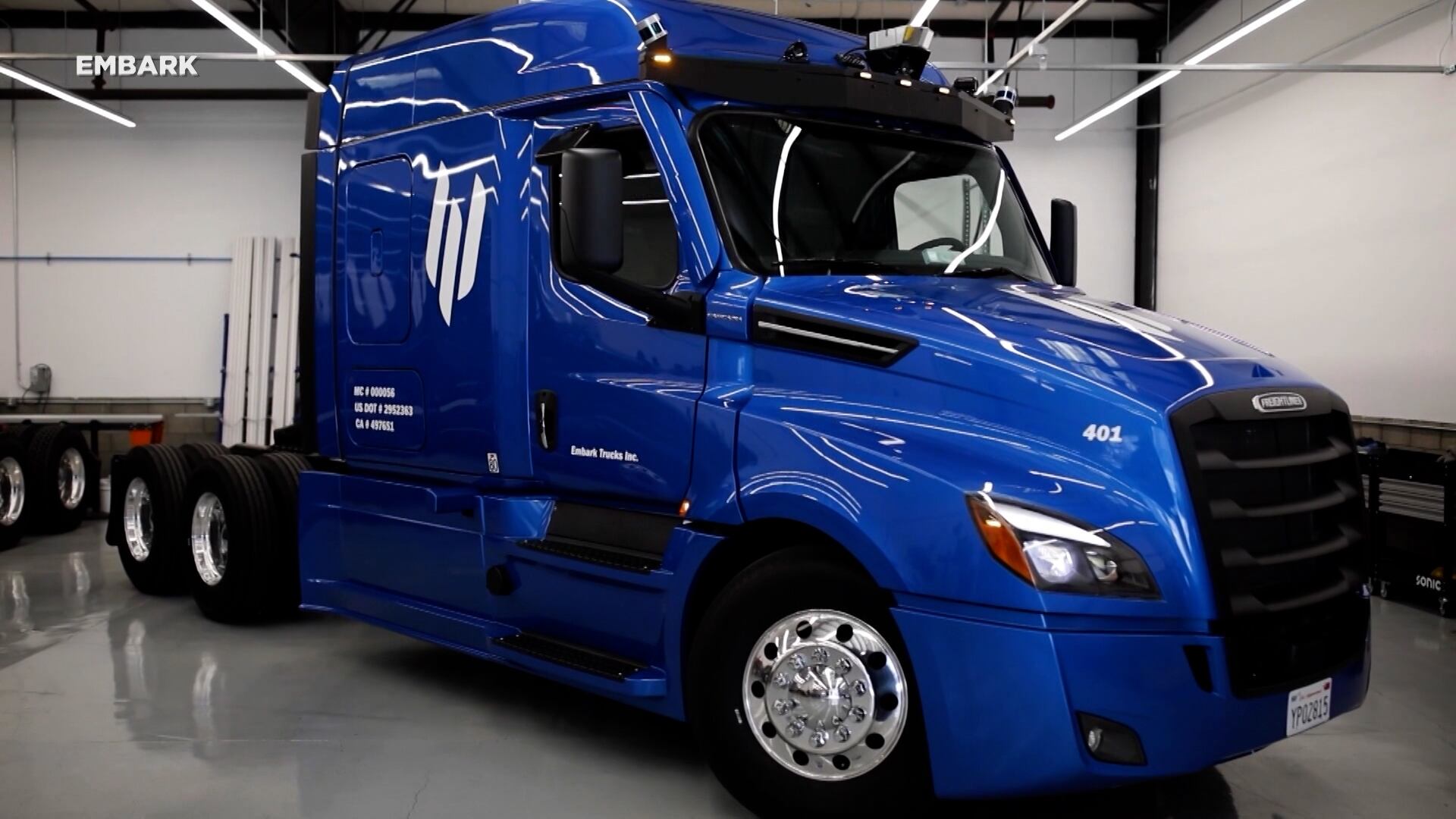
Just weeks after launching its IPO, Embark Trucks is looking to take trucking to the next level by establishing an autonomous truck lane between Houston and San Antonio, Texas. CEO Alex Rodrigues joined Cheddar's "Closing Bell" to talk about the company's expansion into the Lone Star State and the efforts taken to make the driverless vehicles safe for the shipping corridor. "I think the biggest thing you'll notice as a person driving on the road is that they're going to be a little bit more patient, a little bit more law-abiding because they don't have to get there under the same kind of time pressure," he said. "They don't have the hours of service limitations." He also explained that the lane itself isn't a segregated road but a digital route on an existing roadway for the vehicles to follow.
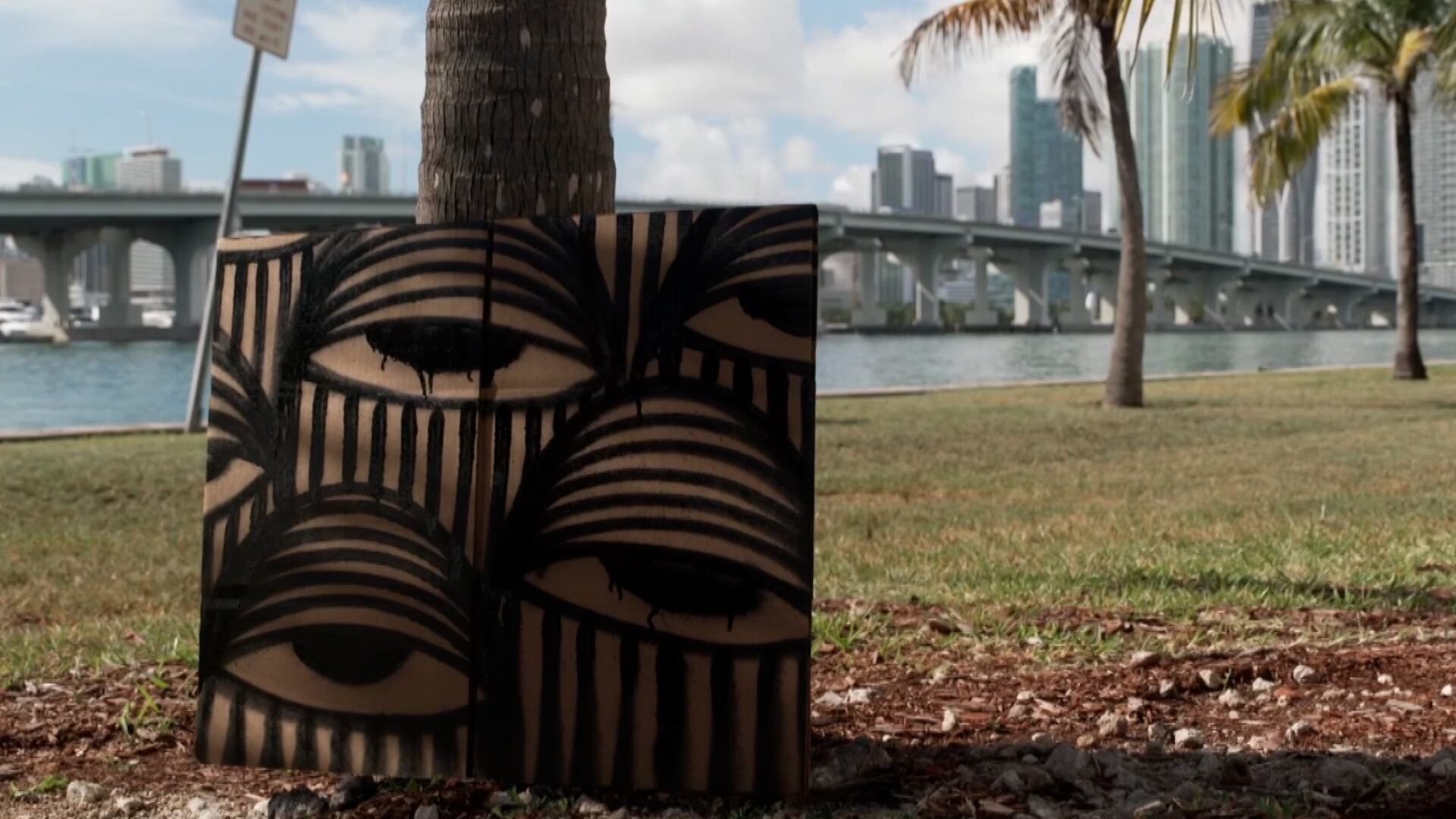
As the saying goes, one man's trash is another man's treasure. That's exactly what artist David Anasagasti, also known as Ahol Sniffs Glue, was thinking when he created his scavenger hunt during Art Basel. Nearly 100 winners who followed the clues were able to get their piece of art signed, plus an NFT minted artwork. Artist Ahol Sniffs Glue joins Cheddar News to discuss the event and his exhibit.
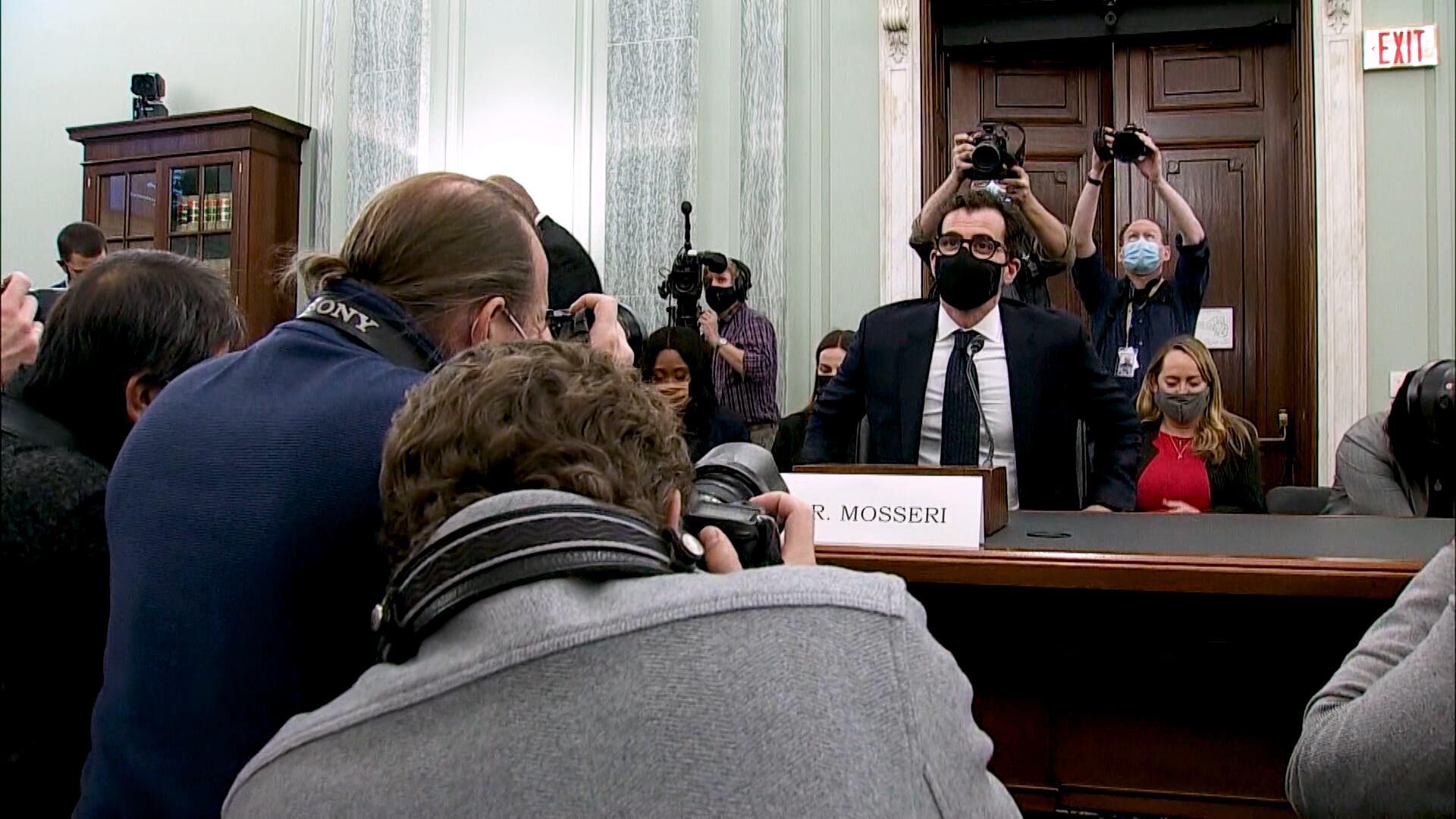
Instagram CEO Adam Mosseri faced a bipartisan Congressional grilling this week as the Senate inquired about safety practices for protecting the mental wellbeing of young people on the platform. Sen. Marsha Blackburn (R-Tenn.) joined Cheddar to talk about the hearing and how she was disappointed in Instagram coming unprepared with relevant information or documents. Blackburn also offered concern that the platform could continue with building a kids-only version despite having drawn significant opposition from the public.
If you were wondering what the most popular trends on Google were after a rollercoaster 2021, the search giant has released its annual trending list. Sports, politics, and "Squid Game" dominated the U.S. and global trends this year.