Google Street View Gives a Glimpse into Power of A.I.
The power of A.I. can reach deeper than just recommending which show to binge on Netflix. It can also be used to analyze millions of images to predict things like income, political leanings, and buying habits. Steve Lohr, Technology and Economics Reporter at The New York Times, joined us to discuss artificial intelligence's full potential when it comes to predictive analytics.
Lohr's recent piece in The New York Times highlights a Stanford study that used 50 million images from Google Street View to give a glimpse of A.I.'s ability to gather data. He explains that researchers identified 22 million cars to draw conclusions about information such as which political candidate a particular zip code favored. The project took just 2 weeks to classify all the cars. In his piece, Lohr points out that without the help of AI, it would take human experts over 15 years to accomplish that task.
This type of data collection raises concerns over privacy and issues of data access. He says most of predictive analysis has been used for commercial purposes and selling products. The use of data becomes scary when it becomes integrated into decisions such as hiring, he says, because the mistakes become more costly.
After nearly two years of the pandemic, U.S. consumers are ready to spend big this holiday season. However, shoppers may be faced with limited inventory as the U.S. continues to face shortages of key products and extended order backlogs. Per Hong, partner at consulting firm Kearney, joined Cheddar's Opening Bell to discuss the country's path forward.
The U.S. is preparing to add more China-based firms to a blacklist in response to human rights violations in the country. This includes the leading drone manufacturer DJI. American businesses will be barred from investing or conducting business with the blacklisted companies.
From the TikTok boom to social commerce shopping to livestreaming events, social media trends took on all different shapes and sizes this year. Stephanie Humphrey, technology and lifestyle expert, joined Cheddar to discuss the biggest fads of the year, as well as what to expect for next year.
If 2021 is any indication, 2022 will be a big year for social media. TikTok reached 1 billion users this year and is expected to grow even bigger. We got our first look at the Metaverse, NFTs soared in popularity, and the crypto craze starting hitting its stride - just to name a few fads. Mark Douglas, CEO and Founder of MNTN, joined Cheddar to discuss if these trends could continue, or if we'll see some surprises in the year ahead.
2021 was a big year for big tech, but it was also a wake-up call for the government. Lawmakers are still struggling to figure out how to regulate big tech companies as they grow bigger and get even more powerful. Evan Greer, director of the digital rights organization Fight for the Future, joined Cheddar to discuss key takeaways from the year, as well as what we can expect for big tech and regulation in 2022.
Bumble users are remaining active on the dating app and still linking up with potential matches despite the emergence of the omicron variant of COVID-19. CEO Whitney Wolfe Herd noted that no matter what is happening in the world, people will always need to connect.
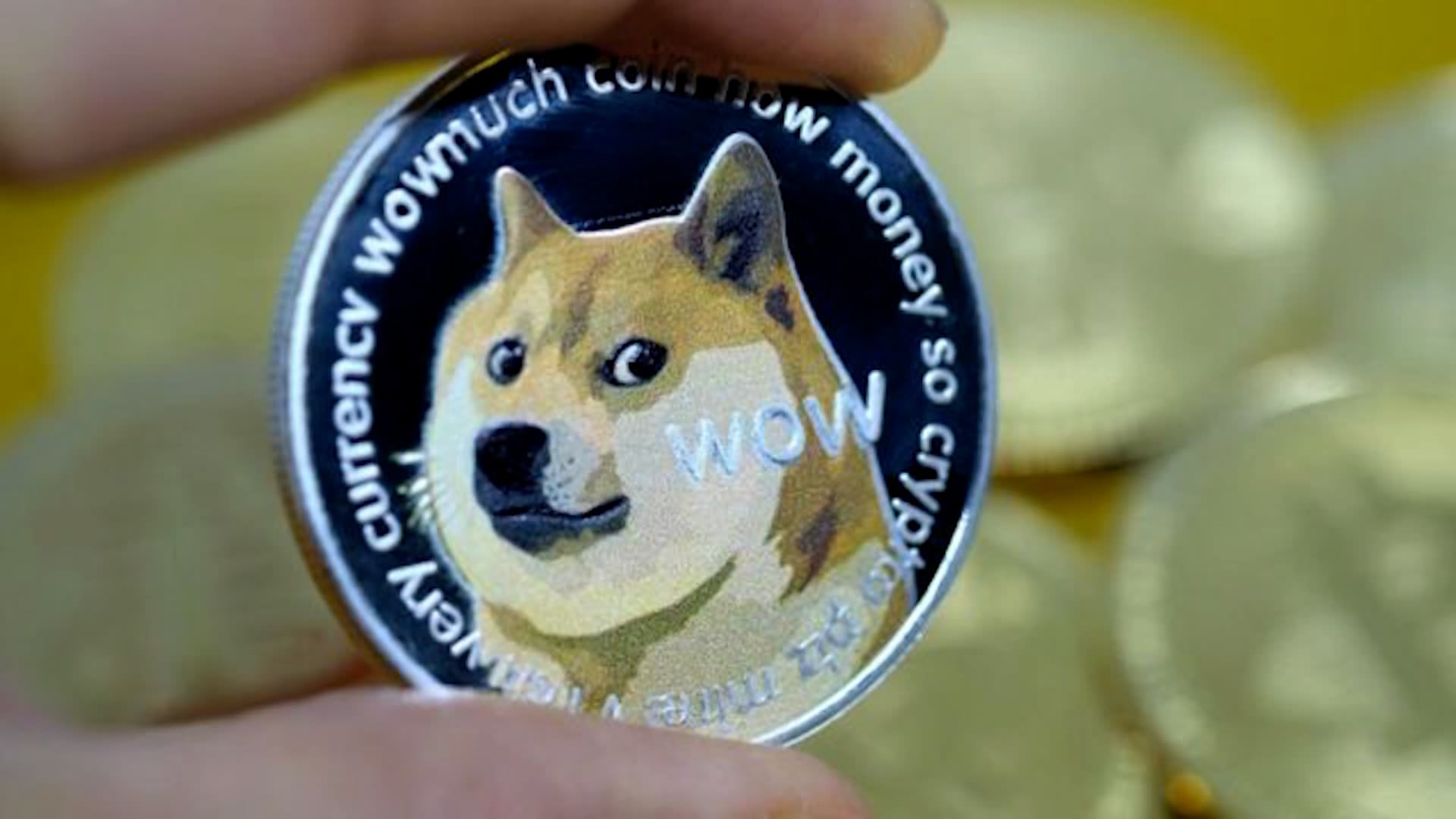
There seems to be no stopping the crypto craze, and this week has been no exception. Dogecoin surged after ‘Time Person of the Year' Elon Musk tweeted that Tesla will accept some payments in the digital token. Everett Millman, Crypto & Metals Analyst at Gainsville Coins, gives Cheddar insight into just how much influence Musk has over the crypto world.
As the world of crypto evolves, the need from investors for some type of stability within crypto is also growing. Enter stablecoins. Stablecoins serve as a crypto-equivalent which hold their value, and allow investors to quickly move their profits across currencies. Patrick McConlogue, CEO of Overline and former Citadel Investment Group engineer, explains what to expect ahead of the U.S. Senate Banking Committee’s stablecoin hearing, as regulatory tensions between the crypto market and the government continue to hover in limbo.