Google Shuts Down Consumer Version of Google+ Social Network
*By Carlo Versano*
Google cut its losses Monday after the publication of a story about a previously unreported data breach at its struggling Google+ social network.
The Alphabet-owned company ($GOOGL) said in a [blog post](https://www.blog.google/technology/safety-security/project-strobe/) that it would shutter Google+ to consumers as part of a larger restructuring of its privacy controls. It noted that "90 percent of Google+ user sessions are less than five seconds."
The post seemed timed to respond to a [report](https://www.wsj.com/articles/google-exposed-user-data-feared-repercussions-of-disclosing-to-public-1539017194) in the Wall Street Journal that the company had discovered a vulnerability back in March that left the private data of hundreds of thousands of Google+ users potentially exposed for as long as three years until it was found and patched.
Further, the Journal reported that Google executives, including CEO Sundar Pichai, made a strategic decision to keep the vulnerability secret due to the potential for "immediate regulatory interest." The bug was discovered just as the Facebook ($FB) scandal involving Cambridge Analytica was reinvigorating a public debate over how the big tech companies were handling the massive troves of data they were collecting.
Google said the vulnerability was a result of a coding bug in conjunction with an API that gave access to outside developers and exposed the names, email addresses, occupations, genders, and ages of roughly 500,000 users. It said it found no evidence that the exposed data was misused by third-party developers.
The decision to keep the issue private and then kill the social network altogether reflects the heightened stakes for the handful of tech companies that control the vast majority of the web. The "growth at all costs" mantra is being replaced with a more cautious approach that seeks to weigh the trust of an increasingly skeptical public and new interest from regulators.
But by not immediately alerting the public last spring, Google has likely made the matter worse for itself as it now must react to a scandal just as it gets ready to [unveil](https://www.youtube.com/channel/UCIG1k8umaCIIrujZPzZPIMA) a slate of new devices.
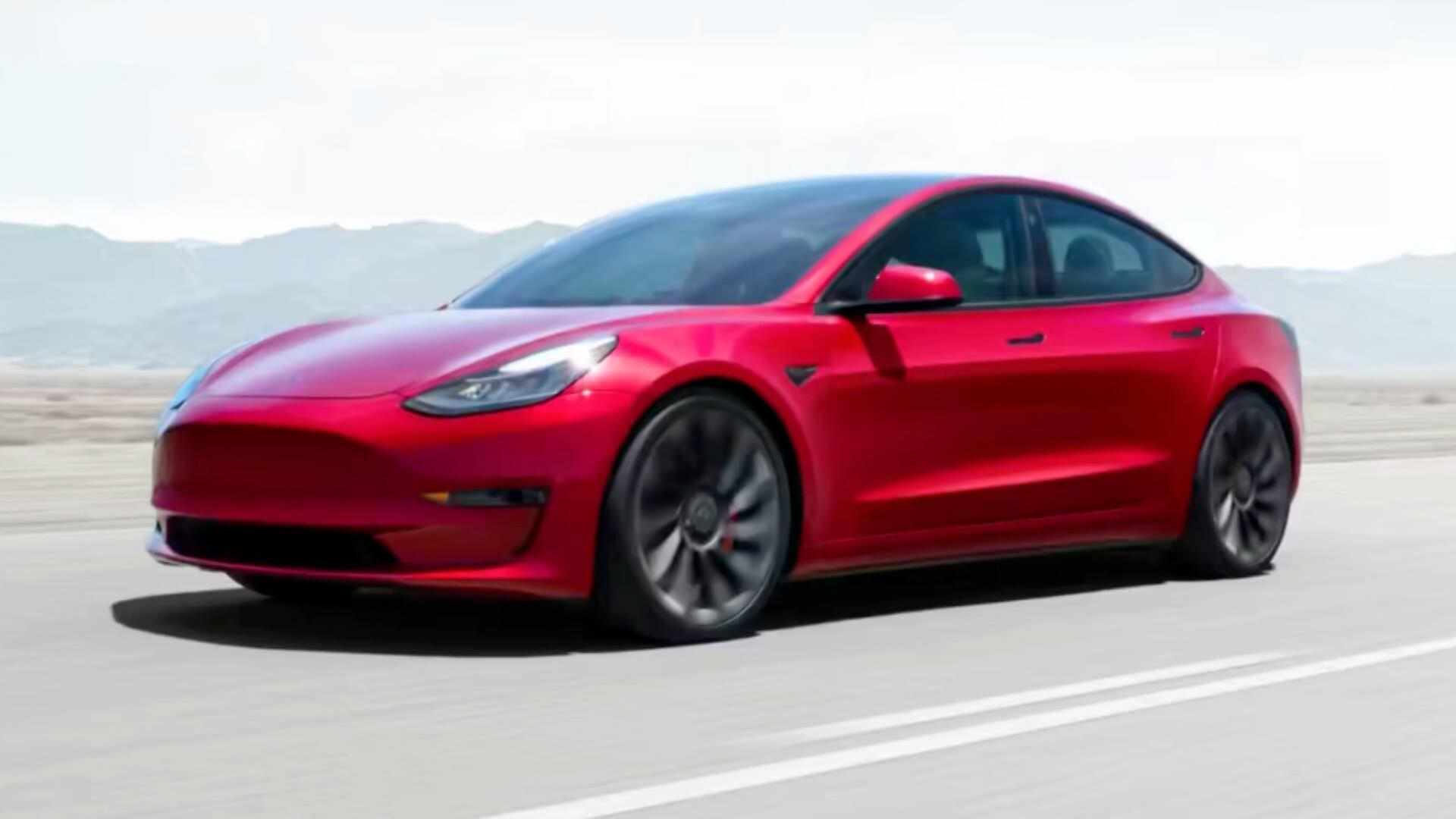
Amid a string of recalls for their electric cars, Tesla is also facing a lawsuit over workplace discrimination. The electric automaker is being accused by California’s Department of Fair Employment and Housing of a pattern of racial discrimination against Black workers. Caleb Silver, Editor-in-Chief at Investopedia, joined Cheddar News to discuss the numerous technical and safety issues that led to the recalls and the allegations of systemic racist abuse at its Fremont plant. "Tesla disputes these claims, but still you can’t avoid the pattern," he said.
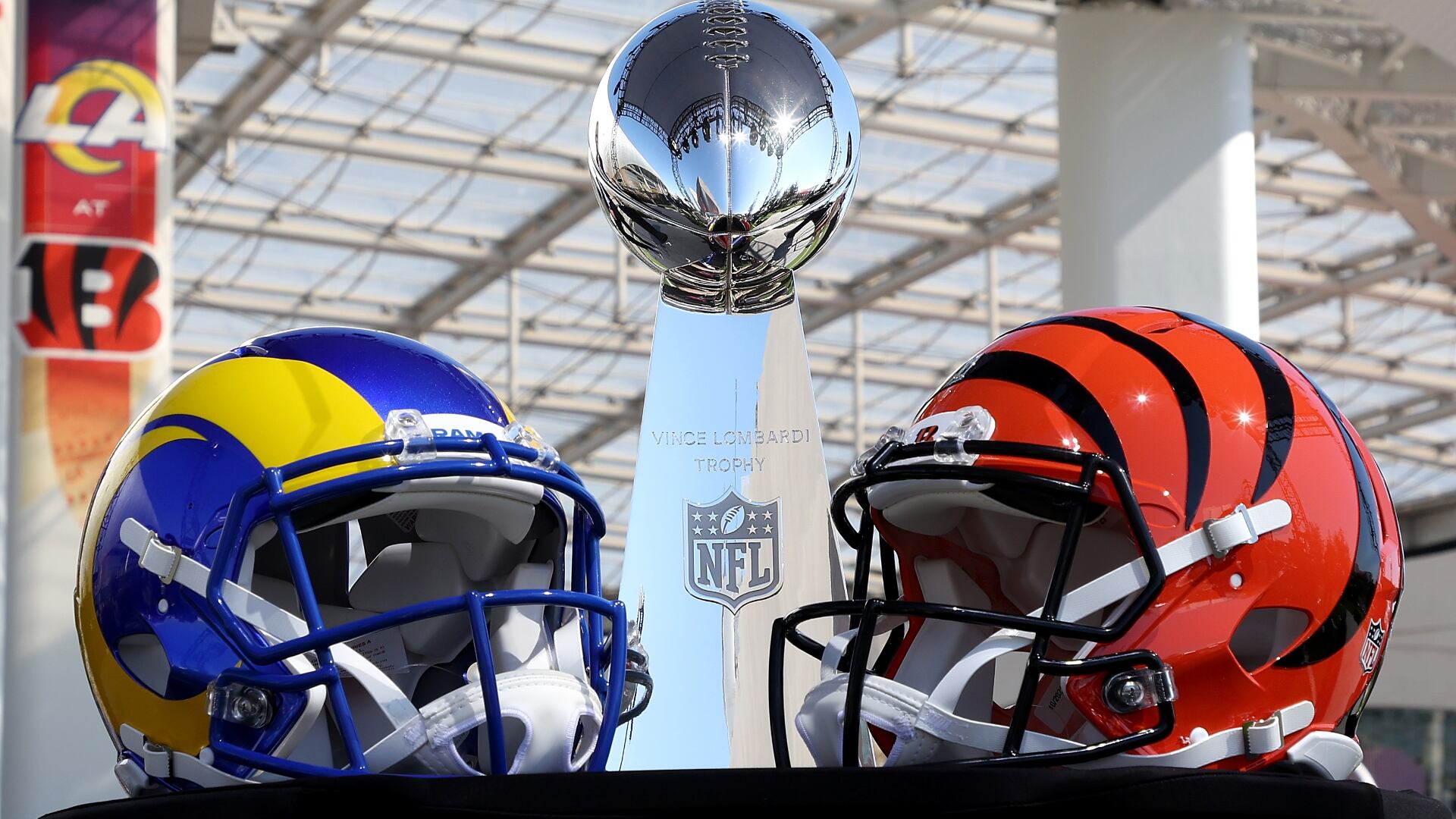
The Super Bowl is only a few days away, and the game is currently tracking to be the most expensive one ever.
Gametime, a website and app for last-minute tickets, says the average ticket price for the NFL's championship game is $9,502.50, with the most expensive seats costing nearly $38,000. That's a far cry away from the average ticket price of the first-ever Super Bowl in 1967, which was only $12. The average ticket price increased by more than $8,000 in just the past decade. Matt Rados, Senior Operations Manager at Gametime, joins Cheddar News' Closing Bell to discuss.
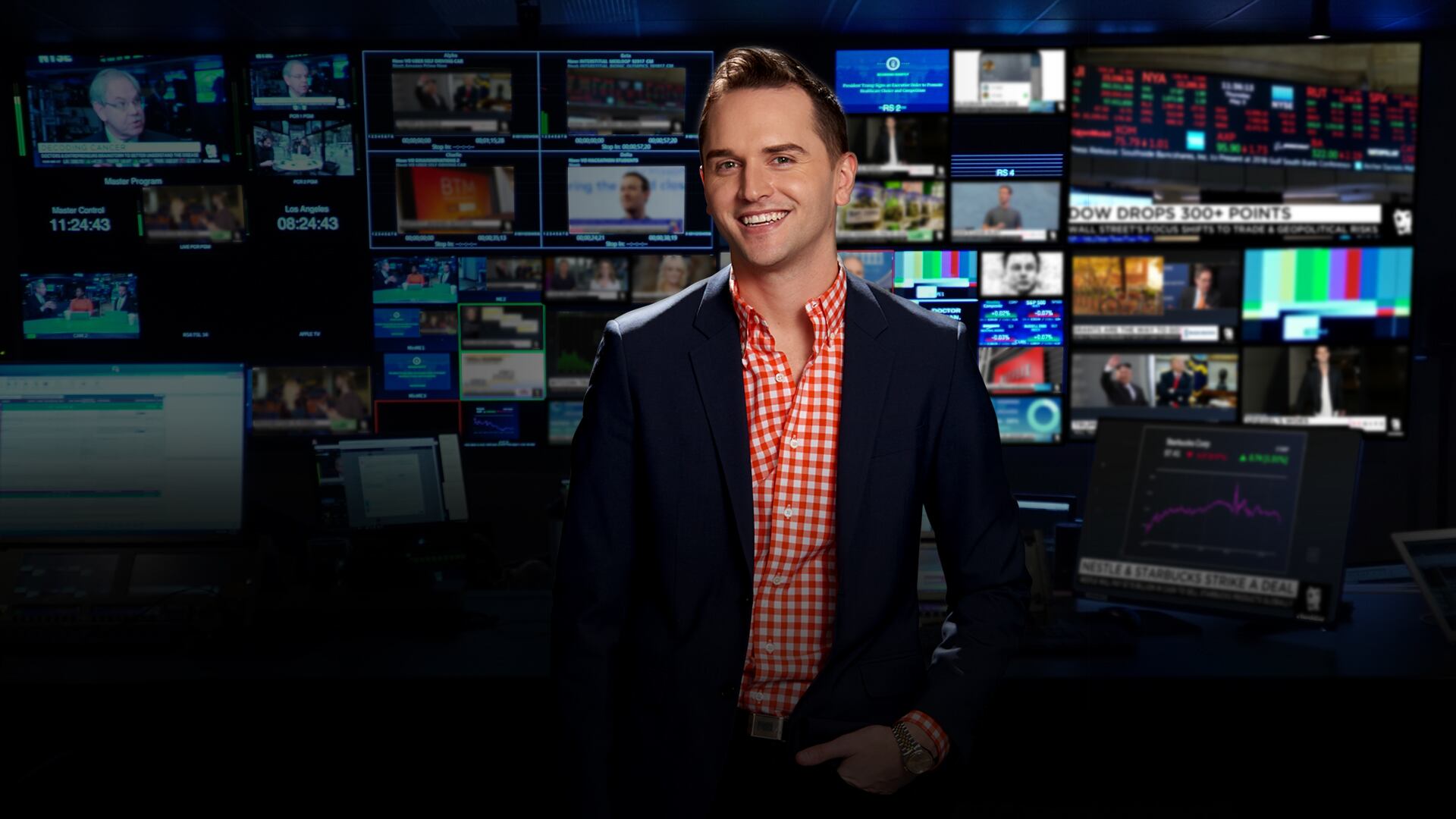
Earlier this week, digital investment advisor Betterment announced that it has hired Makara, a company known for its management of cryptocurrency portfolios. Sarah Levy, CEO of Betterment, joins Cheddar News' Closing Bell, where she explains why crypto represents such a promising long-term play and how her company stands to benefit from this latest move.
At-home medical labs company Getlabs raised $20 million in a Series A round, led by Emerson Collective and the Minderoo Foundation. Getlabs aims to be the boots-on-the-ground partner to telehealth. The company says more than 70% of medical decisions still require collecting diagnostic tests in person, and that it fills that void by delivering health care directly to their patients' homes. Founder & CEO of Getlabs Kyle Michelson joined Cheddar News' Closing Bell to discuss.
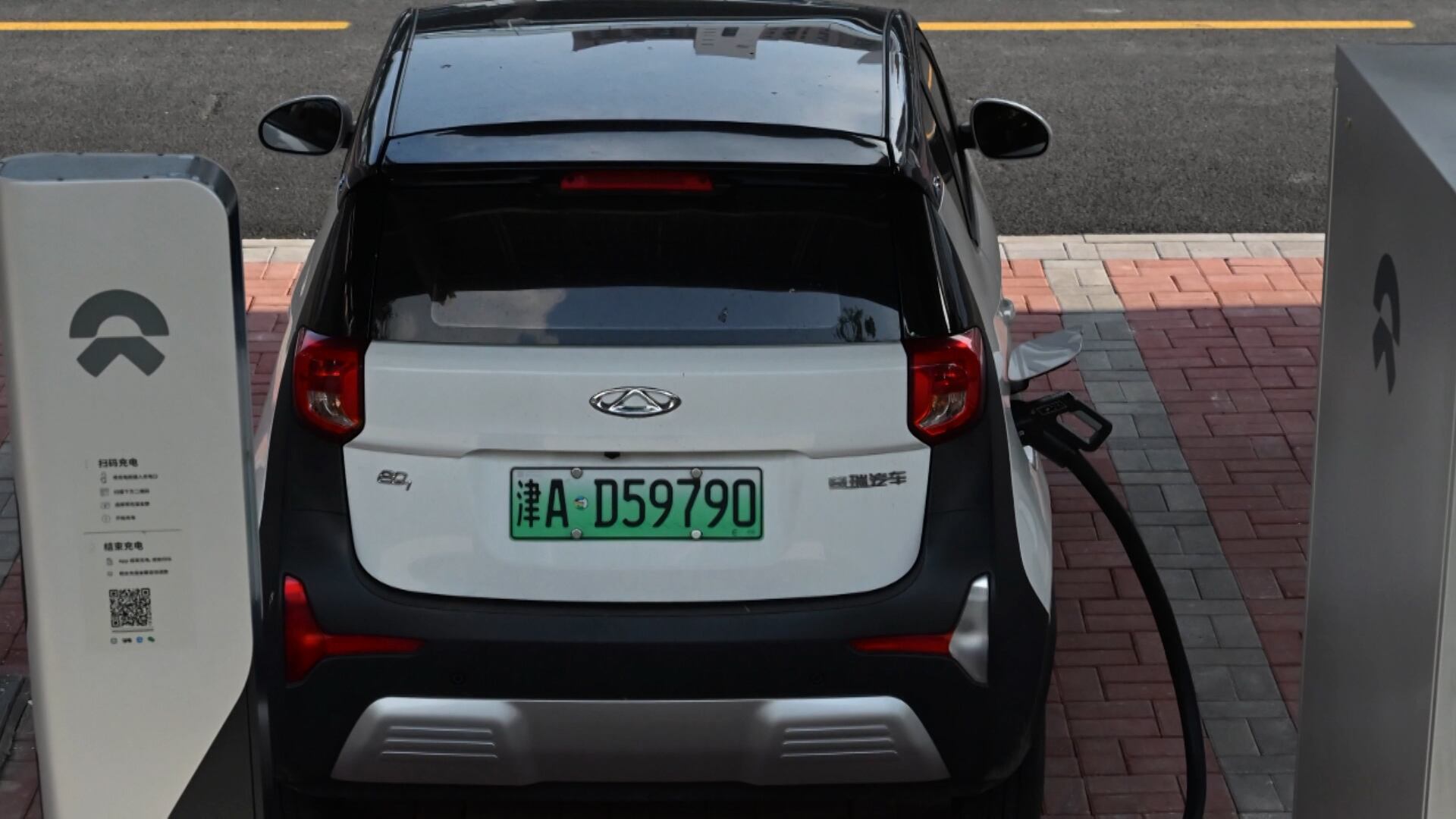
The White House laid out plans for a $5 billion investment into a national network of charging stations to ease EV driving anxiety. Bruce Brimacombe, CEO of EV infrastructure GOe3 joined Cheddar News to discuss how much needs to be done for drivers to get over the fear of running out of energy. "People need to be able to do what they're doing now," he said. "But that is the way that if you're going to buy an electric car, you got to feel like you're not changing your world." Brimacombe noted that building out the infrastructure between cities was GOe3's own focus.
U.S. automakers are saying that the blockade of the Ambassador Bridge, a crucial border crossing between the U.S. and Canada, is affecting their production lines. Michelle Krebs of Cox Automotive warns that the disruption "couldn't come at a worst time," amid chip and labor shortages in Detroit.
AND DETROIT-BASED AUTO MAKERS SAY THEY ARE SHUTTING DOWN PLANTS OR SCALING BACK PRODUCTION BECAUSE OF PARTS SHORTAGES.