Google Shuts Down Consumer Version of Google+ Social Network
*By Carlo Versano*
Google cut its losses Monday after the publication of a story about a previously unreported data breach at its struggling Google+ social network.
The Alphabet-owned company ($GOOGL) said in a [blog post](https://www.blog.google/technology/safety-security/project-strobe/) that it would shutter Google+ to consumers as part of a larger restructuring of its privacy controls. It noted that "90 percent of Google+ user sessions are less than five seconds."
The post seemed timed to respond to a [report](https://www.wsj.com/articles/google-exposed-user-data-feared-repercussions-of-disclosing-to-public-1539017194) in the Wall Street Journal that the company had discovered a vulnerability back in March that left the private data of hundreds of thousands of Google+ users potentially exposed for as long as three years until it was found and patched.
Further, the Journal reported that Google executives, including CEO Sundar Pichai, made a strategic decision to keep the vulnerability secret due to the potential for "immediate regulatory interest." The bug was discovered just as the Facebook ($FB) scandal involving Cambridge Analytica was reinvigorating a public debate over how the big tech companies were handling the massive troves of data they were collecting.
Google said the vulnerability was a result of a coding bug in conjunction with an API that gave access to outside developers and exposed the names, email addresses, occupations, genders, and ages of roughly 500,000 users. It said it found no evidence that the exposed data was misused by third-party developers.
The decision to keep the issue private and then kill the social network altogether reflects the heightened stakes for the handful of tech companies that control the vast majority of the web. The "growth at all costs" mantra is being replaced with a more cautious approach that seeks to weigh the trust of an increasingly skeptical public and new interest from regulators.
But by not immediately alerting the public last spring, Google has likely made the matter worse for itself as it now must react to a scandal just as it gets ready to [unveil](https://www.youtube.com/channel/UCIG1k8umaCIIrujZPzZPIMA) a slate of new devices.
Dave Burg, EY Americas Cybersecurity Leader, joins Cheddar News to discuss the rise of quantum computing and how it can compromise existing security measures at play today, and what the timeline looks like for quantum computing to become a reality.
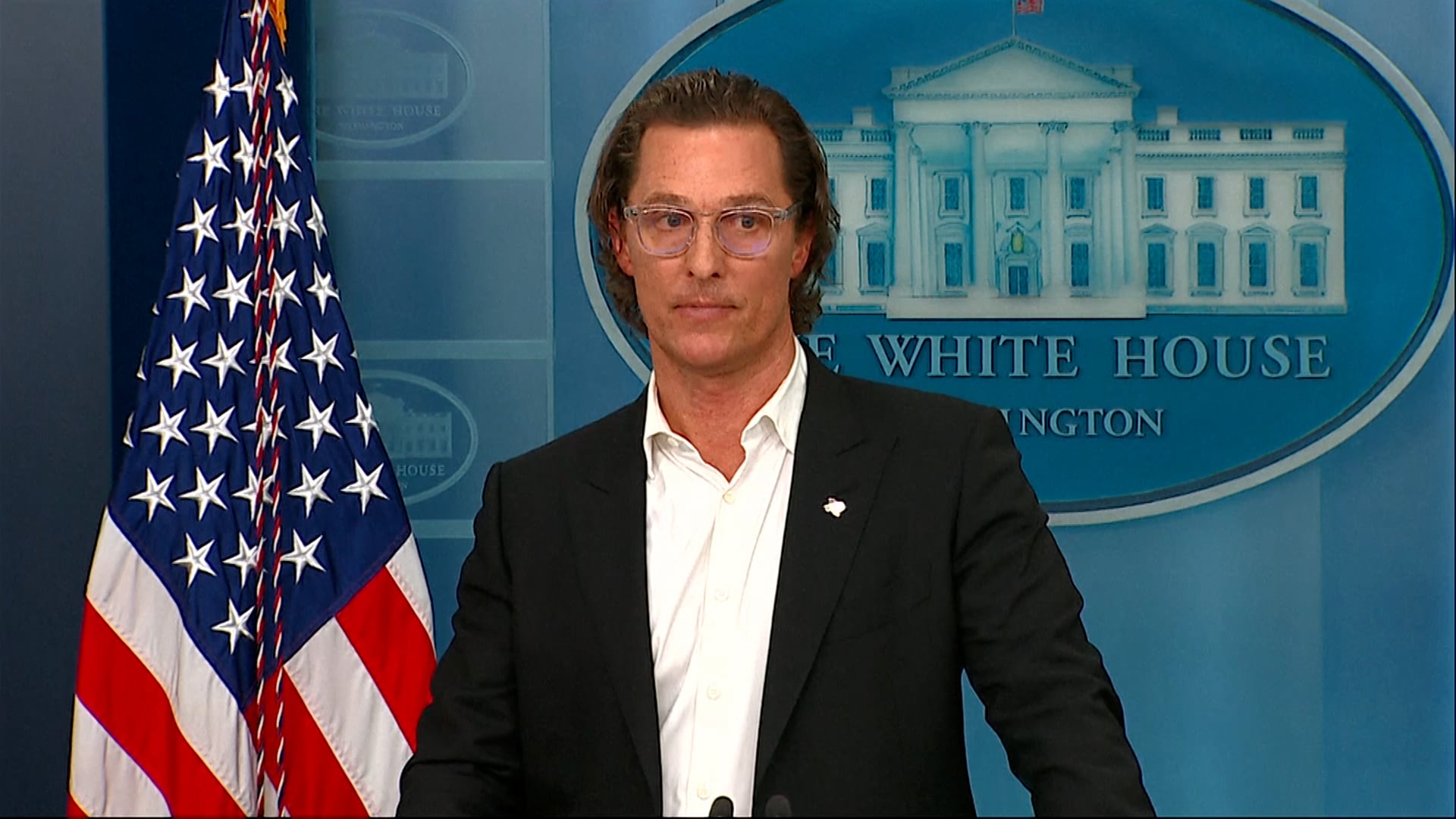
Getting you caught up on the stories you need to know this morning: Matthew McConaughey lends his voice to the gun control fight in congress, at least 30 people were injured in Germany after a car plows into a crowd, and a new weight loss drug shows promising results.
Michelle Bond, CEO of the Association for Digital Asset Markets, joins Closing Bell, where she breaks down the Responsible Financial Innovation Act, which would not only establish a regulatory structure for digital assets, but hand over crypto oversight to the CFTC instead of the SEC.
Caleb Silver, Editor-in-Chief at Investopedia, joined Closing Bell to break down what Target's lowered forecast means for the retail industry ahead of Friday's CPI report.
Jim Corridore, Senior Insights Manager at Similarweb, joined Closing Bell to break down the competing offers from JetBlue and Frontier as both airlines look to join forces with Spirit Airlines.
Child care marketplace startup Kinside announced raising $12 million in a Series A round led by venture capitalists who are mothers themselves. The company aids parents searching for affordable child care easier by providing concierge support in a marketplace of verified professionals and helping them tap into flexible spending accounts (FSA) and other benefits. Founder and CEO Shadiah Sigala joined Cheddar News to talk about the fresh funds and the ongoing effects of the pandemic on the care of young children.
Apple revealed its plans for new IOS software, products, and more at its Worldwide Developers Conference. However, new features added to iMessage, including options to delete and edit already sent text messages, stole the show.
Hyatt Hotels released new data showing just how seriously consumers are looking at summer 2022 for revenge travel following previous disruptions from the pandemic. Joan Bottarini, CFO of the hotel chain, joined Cheddar News to break down the report. "We've got on the books a 15 percent increase on a global basis in demand over the summer months from June to August," she explained.