The logo of Google is displayed on a carpet at the entrance hall of Google France in Paris, on Nov. 18, 2019. Google said Friday, jan. 20, 2023, it’s laying off 12,000 workers, becoming the latest tech company to trim staff after rapid expansions during the COVID-19 pandemic have worn off. (AP Photo/Michel Euler, File)
At its annual health event on Tuesday, Google announced a series of changes to its search tool that it said will make it easier to access information about affordable health care services.
For example, the company will move affordable local health care options to the top of its search queries. It will also use a conversational artificial intelligence technology called Duplex to verify information from providers and check whether they accept state Medicaid plans.
"People come to Google with health-related questions hundreds of millions of times a day," the company said in a press release. "They also turn to YouTube, where videos about health conditions were viewed more than 110 billion times globally in 2021."
In the near term, Google will also make it easier for users to find information through search about Medicaid re-enrollment, which is due by the end of March.
The other big announcement from the event was the launch of Open Health Stack, an open-source tool kit for software developers in the health care space. The goal is for developers to create new apps making it easier for health care workers to access patient information.
"Digital health solutions built to date have focused on solving for single, disease-focused conditions, leading to data silos and making it difficult for healthcare workers to access the patient information they need," the company said.
The Open Health Stack is designed to help developers break out of these silos and share best practices.
Finally, the tech giant said it is developing a model for automatically outlining and contouring organs on CT scans, while limiting exposure to radiation.
CEOs of social media platforms like Facebook, TikTok, and more meet with lawmakers Wednesday about how they are protecting children from sexual exploitation.
San Francisco 49ers president Al Guido discusses what goes into preparing for Super Bowl LVIII, building a championship-ready team, and how Taylor Swift and streaming are both bringing new fans to the NFL.
A $1 billion loss from a six-week strike did not crash GM's net income last year, which instead rose 12% — and the automaker expects improvement in 2024, too.
Accrue CEO and founder Michael Hershfield explains why Americans' credit card delinquencies are on the rise, advice on what can help, and the key difference between Boomers and Gen Z when it comes to money.
Senior Economist at Morning Consult Kayla Bruun shares thoughts on what to expect from the Fed's January meeting and where monetary policy is headed, as well as how consumers are faring.
Former Medtronic CEO and author of 'True North' Bill George explains the steps Boeing leadership must take to regain client and consumer trust after 737 Max 9 production was stopped.
Amazon blamed "regulatory hurdles" for calling off its proposed acquisition of robot vacuum maker iRobot. Not even a Roomba could clean up the deal's antitrust scrutiny.
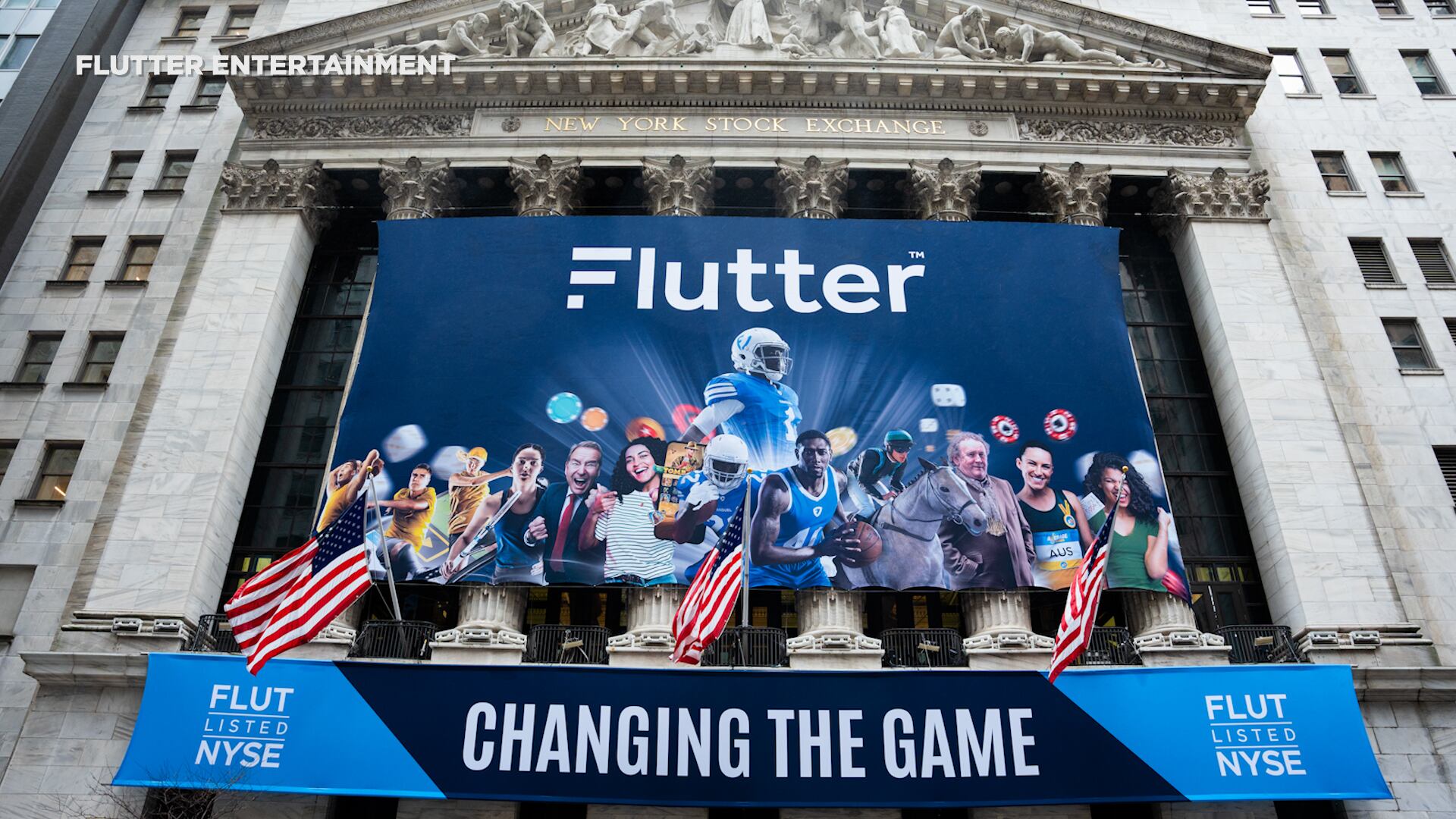
To celebrate Flutter Entertainment's debut on the NYSE, FanDuel CEO Amy Howe shares her thoughts on the company's plans for growth, the future of online sportsbetting, and Super Bowl Sunday.
Investopedia's Caleb Silver shares thoughts on the upcoming Fed meeting, why individual investors are still slightly skeptical, and what he's looking for from mega cap tech earnings.