A new study from Northwestern University published in the journal PNAS this week suggests that there could be a way to prevent age-related baldness at the cellular level. The study points out that as people age, their hair follicles get stiff, comparing it to the way joints can get stiff as we age. Well, by boosting a certain type of MRNA, the scientists were able to reverse the stiff stem cells and produce hair growth in mice. They haven't conducted human trials yet, but they hope to eventually produce a topical treatment for preventing baldness.
AD-SUPPORTED AMAZON PRIME VIDEO
Amazon is following Netflix's lead and plans to offer an ad-supported tier of their streaming service Prime Video. The Wall Street Journal reports that the streamer has been discussing these plans for several weeks now, including possibly adding ads to existing Prime Video plans, offering users access to a higher-cost, no-ad plan, similar to what happened with Amazon's music streaming service. Amazon chose not to comment on the story, so we don't know how much the new version of the service would cost just yet.
Have you been hearing about all the passport delays that are currently affecting travelers around the U.S? If you're in a rush to get your passport, it could cost you hundreds of dollars. So to protect your dollar, we brought in travel expert Francesca Page to give some tips on how to avoid extra fees for expedited passports down the line.
While it's already July, there's still time to plan those last minute summer vacations. and we've got expert tips that can help you save. Consumer Reporter Janice Lieberman has more.
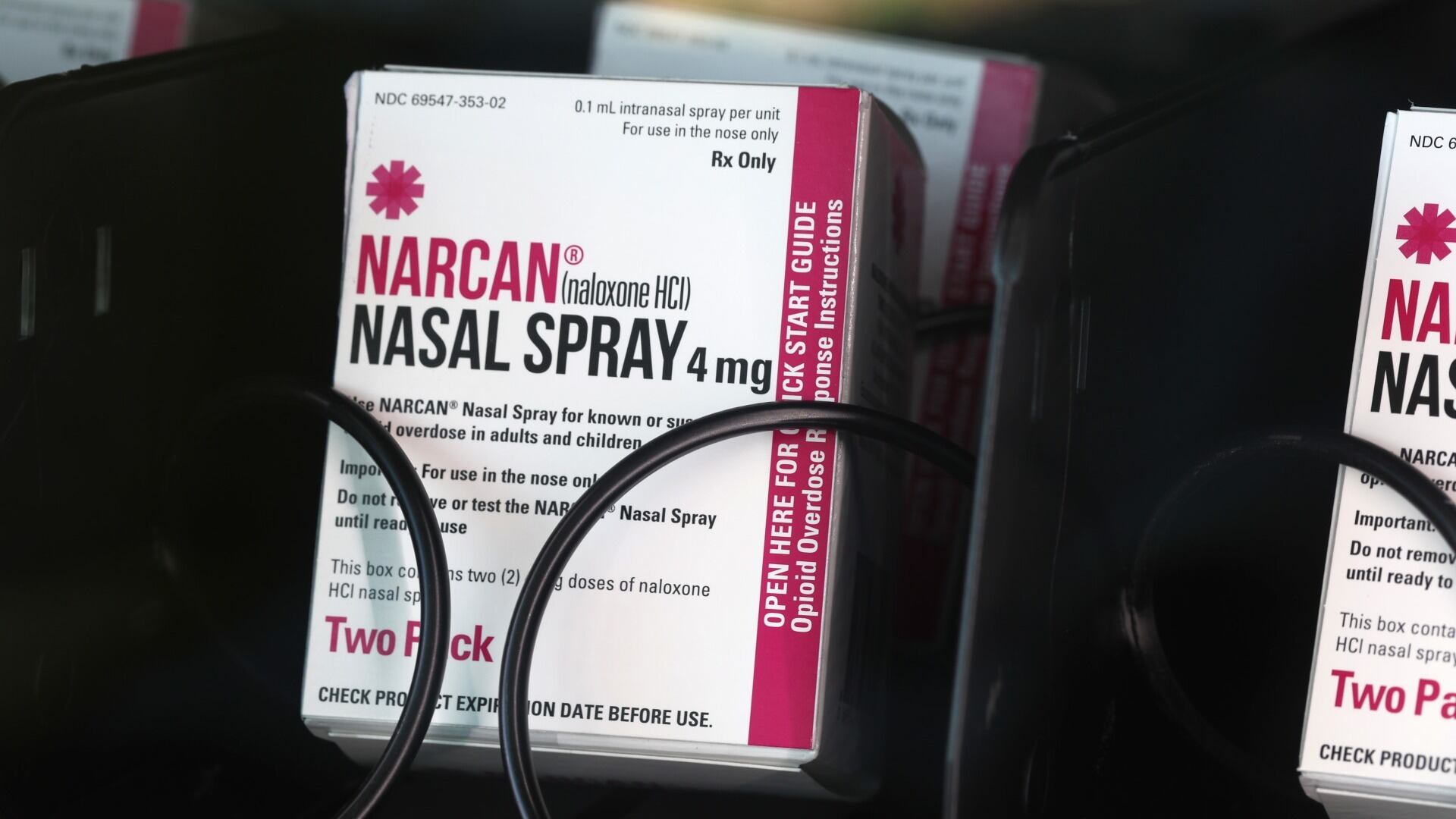
New York City has debuted its first vending machine for drug overdose treatment Narcan, but for some reason, not everyone is on board with this progressive community offering. Cheddar's own Ashley Mastronardi explored this complex issue.
A new study shows that there could be an unexpected side effect of climate change happening right under your feet. Researchers at Northwestern University used temperature sensors underground across Chicago and found that the city's concrete structures (think parking garages, basements, or train tunnels) are absorbing heat from rising temperatures, and it's causing the city to slowly sink.