CLIMATE CHANGE AND SLEEP
A new study shows that climate change is making it harder to fall asleep. The study, published in Cell Press over the weekend, shows that millions of people are already sleeping less because of higher overnight temperatures. The study looked at people in 68 countries and found that when nights were hotter than 86 degrees, people slept 14 minutes less. That averages out to over 44 hours per year. Here in the U.S., at least 30 percent of adults in most areas reported sleeping less than 7 hours per night, with as many as 43 percent in areas of the south and west. The elderly and people in low-income countries were the most impacted, with the study citing a lack of air conditioning as an issue.
MOSQUITO STUDY
Finally, a couple weeks ago we told you about the study showing that your coconut body wash might stop mosquitoes from biting you. Well now, there's new research showing that your body odor is also a major factor. The study, published in Current Biology, showed that carboxylic acids, a compound that's produced by bacteria on your skin, was the most attractive to mosquitoes. On the flipside, one subject who had higher levels of eucalyptol, a chemical found in the eucalyptus tree, repelled the mosquitoes the most. Unfortunately, these scents can be so subtle that showering or wearing stronger deodorant probably won't be enough to trick the flying pests, but this research could help develop better repellants or traps for mosquitoes in the future.
Drugmaker giant Eli Lilly CEO Dave Ricks said during a Senate Committee hearing that the company will not raise the price of insulin products.
New blood donations rules will allow sexually active gay and bisexual men in monogamous relationships to give in the FDA guidelines ease decades-old restrictions put in place to protect the blood supply from HIV.
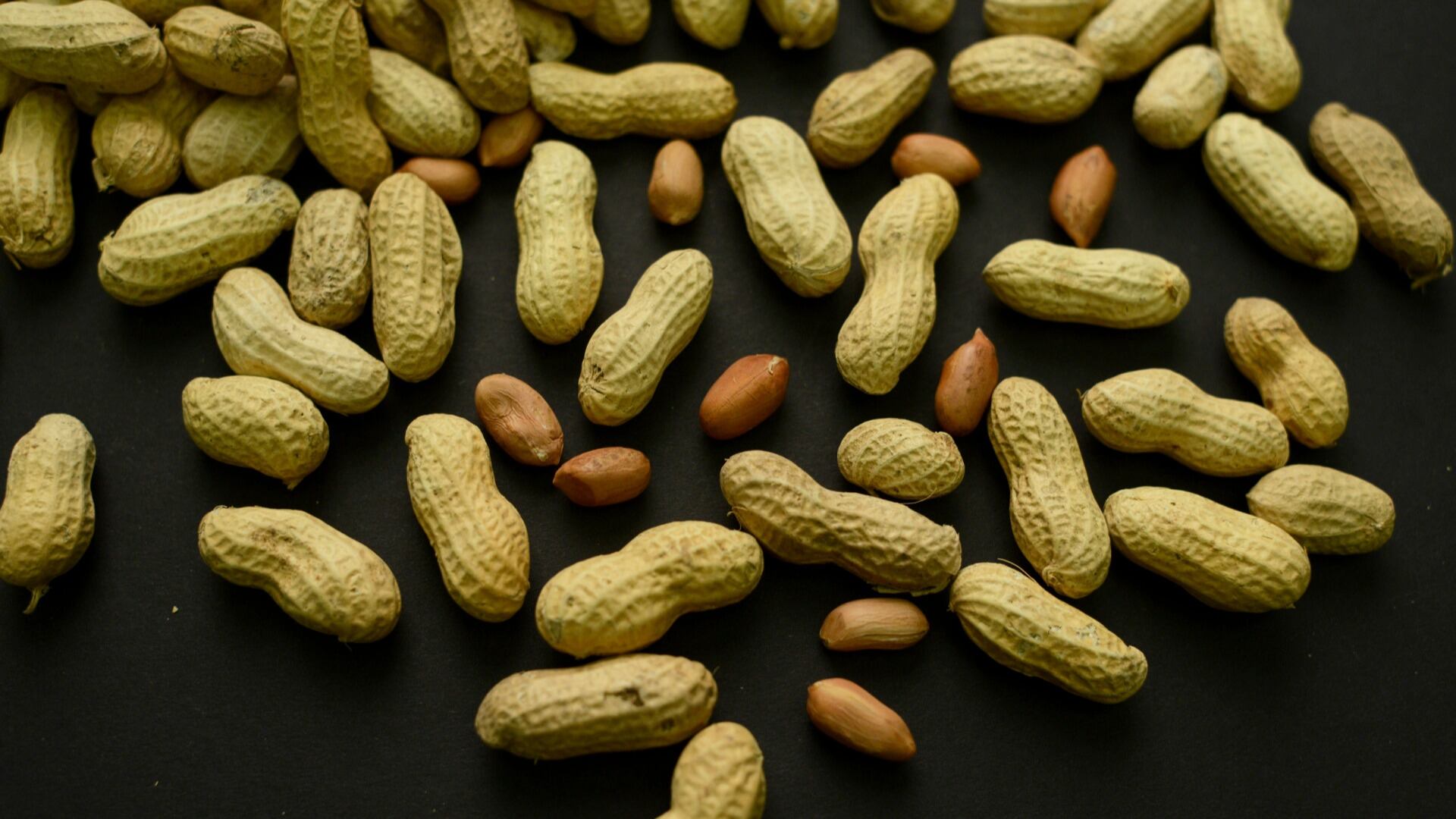
A new study finds an experimental skin patch shows promise to treat toddlers who are highly allergic to peanuts.
Britain's fertility regulator on Wednesday confirmed the births of the U.K.'s first babies created using an experimental technique combining DNA from three people, an effort to prevent the children from inheriting rare genetic diseases.
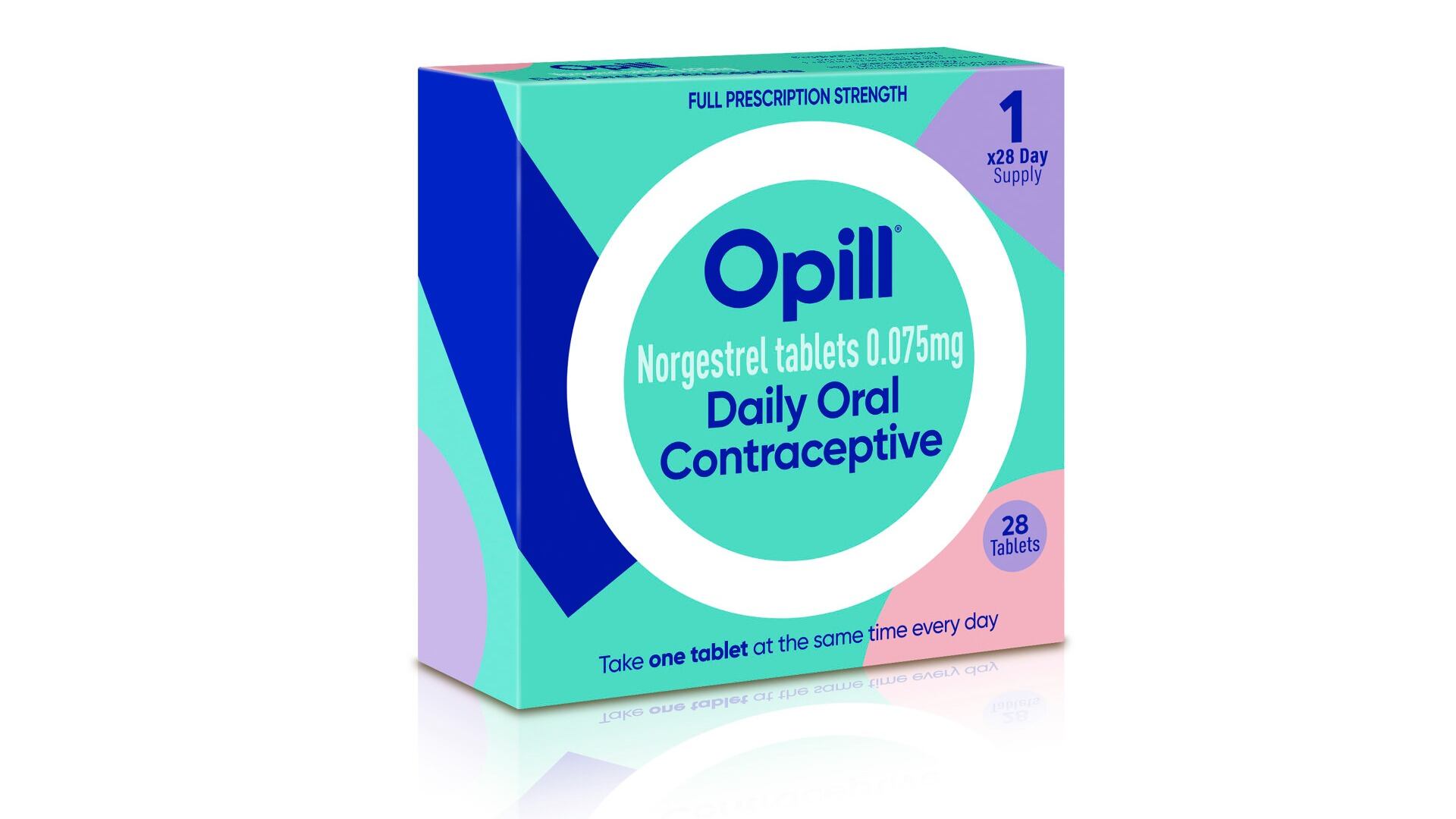
Federal health advisers said Wednesday that a decades-old birth control pill should be sold without a prescription, paving the way for a likely U.S. approval of the first over-the-counter contraceptive medication.
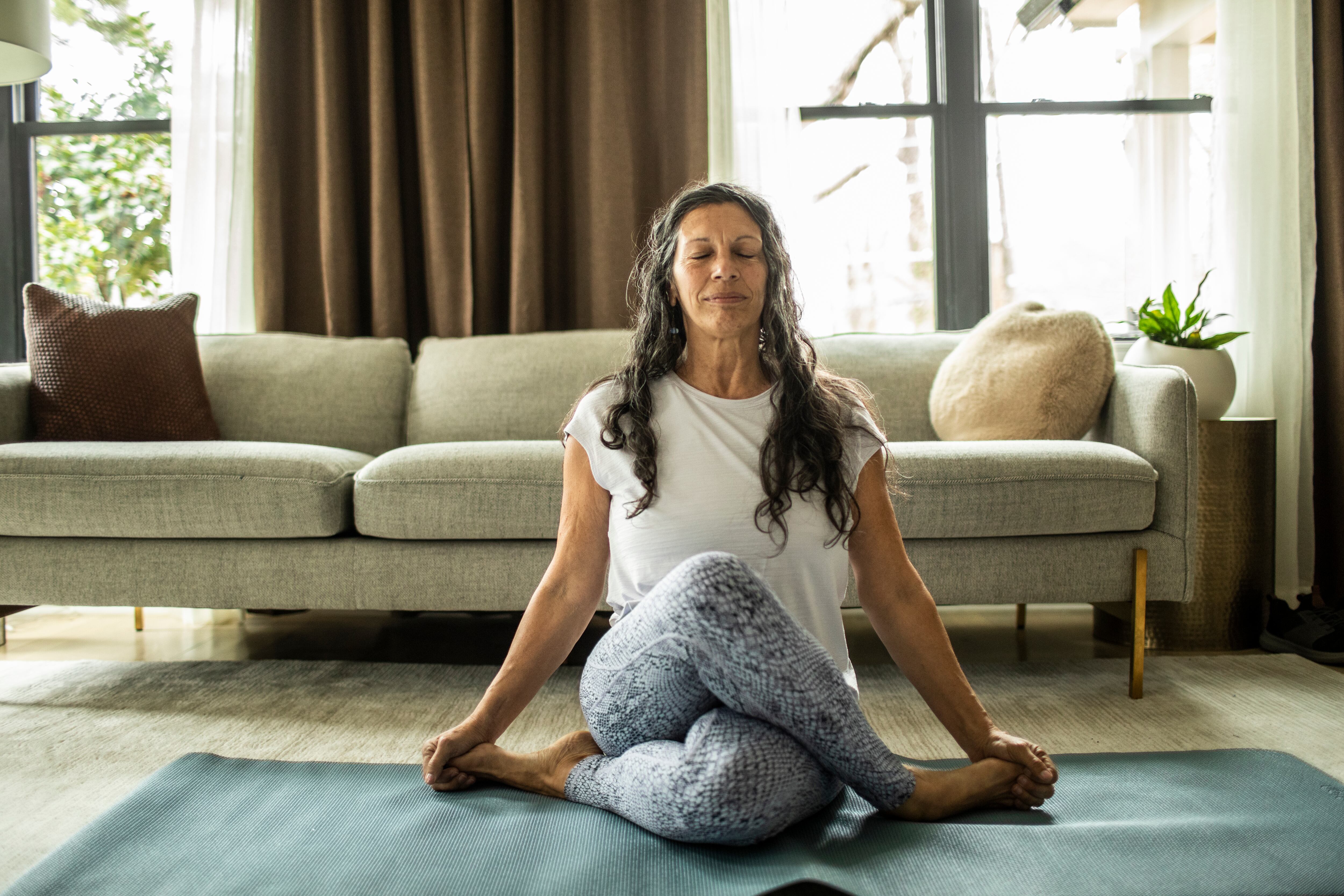
Colette Morales, instructor at Core 95, joined Cheddar News to teach a few basic yoga poses aimed at strengthening multiple areas of the body simultaneously.
A group of nationally-recognized medical experts are suggesting women start getting breast cancer screening at 40 years old.
The Food and Drug Administration is kicking off a two-day meeting to consider whether to let people get birth control pills without a prescription, with a decision expected by the summer.
Be Well: How Yoga Can Benefit Children
Be Well: Understanding Strokes and How Doctors Work to Reverse Their Effects