A new study shows that climate change is making it harder to fall asleep. The study, published in Cell Press over the weekend, shows that millions of people are already sleeping less because of higher overnight temperatures. The study looked at people in 68 countries and found that when nights were hotter than 86 degrees, people slept 14 minutes less. That averages out to over 44 hours per year. Here in the U.S., at least 30 percent of adults in most areas reported sleeping less than 7 hours per night, with as many as 43 percent in areas of the south and west. The elderly and people in low-income countries were the most impacted, with the study citing a lack of air conditioning as an issue.
MOSQUITO STUDY
Finally, a couple weeks ago we told you about the study showing that your coconut body wash might stop mosquitoes from biting you. Well now, there's new research showing that your body odor is also a major factor. The study, published in Current Biology, showed that carboxylic acids, a compound that's produced by bacteria on your skin, was the most attractive to mosquitoes. On the flipside, one subject who had higher levels of eucalyptol, a chemical found in the eucalyptus tree, repelled the mosquitoes the most. Unfortunately, these scents can be so subtle that showering or wearing stronger deodorant probably won't be enough to trick the flying pests, but this research could help develop better repellants or traps for mosquitoes in the future.
Yelling that the future and their lives depend on ending fossil fuels, tens of thousands of protesters on Sunday kicked off a week where leaders will try once again to curb climate change primarily caused by coal, oil and natural gas.
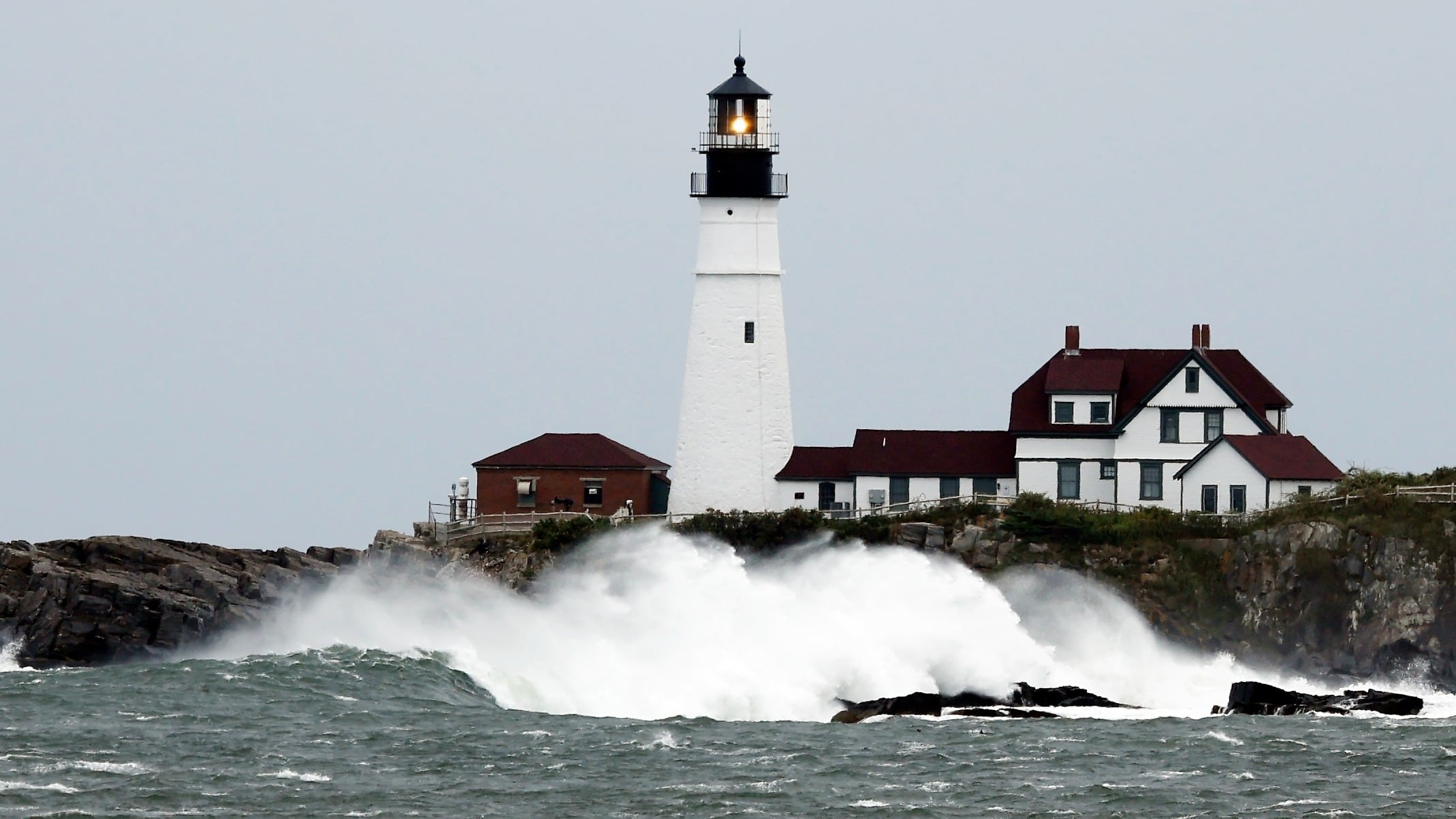
Atlantic storm Lee — which made landfall at near-hurricane strength, bringing destructive winds and torrential rains to New England and Maritime Canada — kept weakening Sunday after officials withdrew warnings and predicted the storm would disappear early this week.
NASA said Thursday that the study of UFOs will require new scientific techniques, including advanced satellites as well as a shift in how unidentified flying objects are perceived.
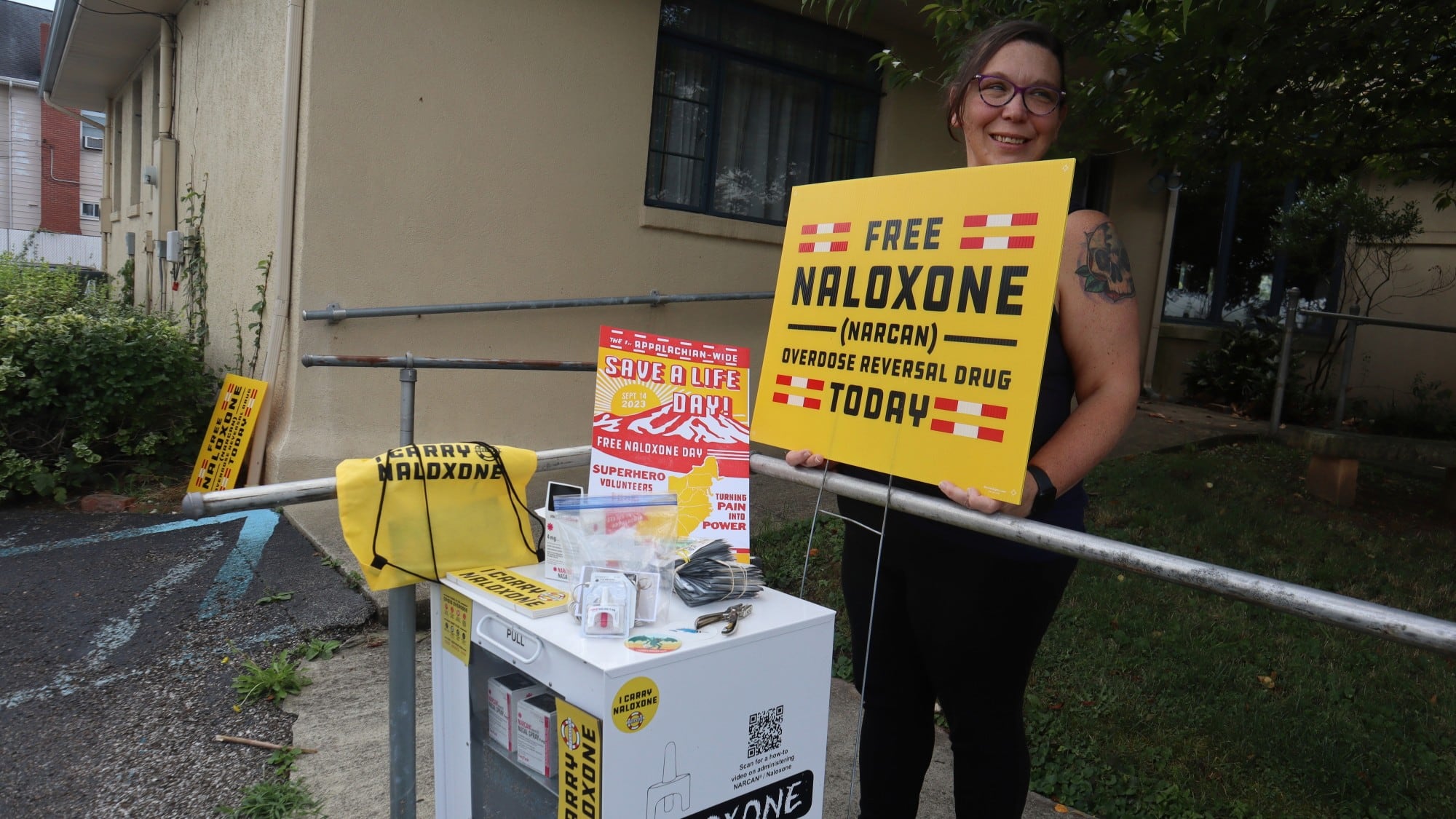
An effort to destigmatize the use of overdose reversal drugs that started as a pilot in two West Virginia counties has expanded to all thirteen states in Appalachia this year.
States and Native American tribes will have greater authority to block energy projects such as natural gas pipelines that could pollute rivers and streams under a final rule issued Thursday by the Biden administration.