Hanneke Weitering, staff writer at Space.com, discusses Vodafone Germany teaming up with Nokia to bring a 4G network to the moon. The network will allow astronauts to stream HD video back to Earth on an upcoming mission.
Weitering explains there won't be any cellphone towers built on the moon, but the entire network will be in a super portable device no larger than a bag of sugar.
Weitering also discusses the University of Central Florida's decision to take over control of the Arecibo Observatory in Puerto Rico. Many people worried the world's second largest radio telescope would shut down after Hurricane Maria. Weitering says the telescope is an essential piece of tech in the search for extraterrestrial life.
Weitering also tells us that March will be the second month in 2018 to have two full moons in one month. The last time this happened was in 1999 and the next time will be in 2037.
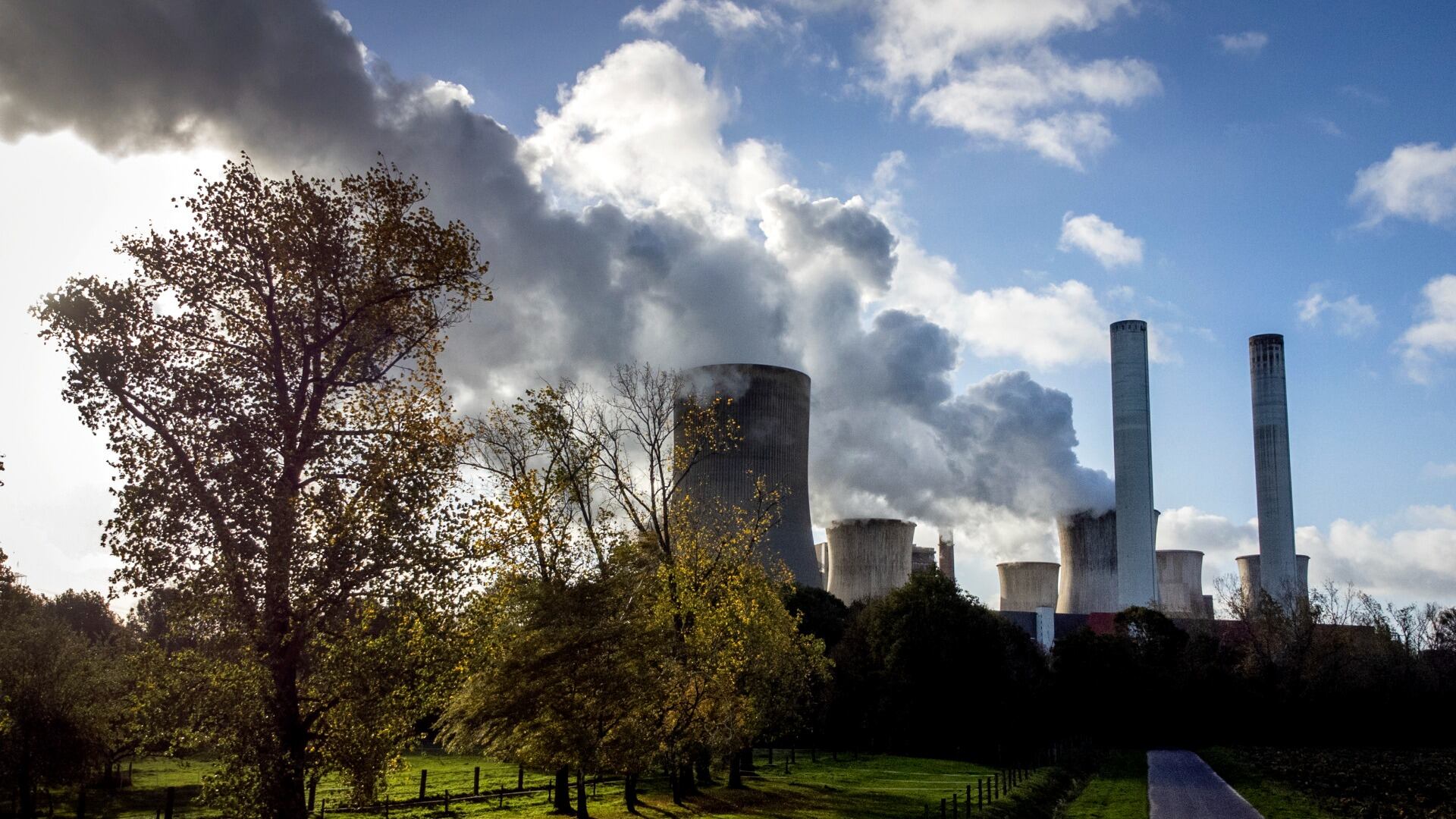
The capacity to burn coal for power went up in 2022 despite global promises to phase down the fuel that’s the biggest source of planet-warming gases in the atmosphere, a report Wednesday found.
Dr. Sandra Lee (aka Dr. Pimple Popper) visited Cheddar News to give viewers a sneak peak of season nine of her TV show, which features the dermatologist popping — you guessed it — pimples.
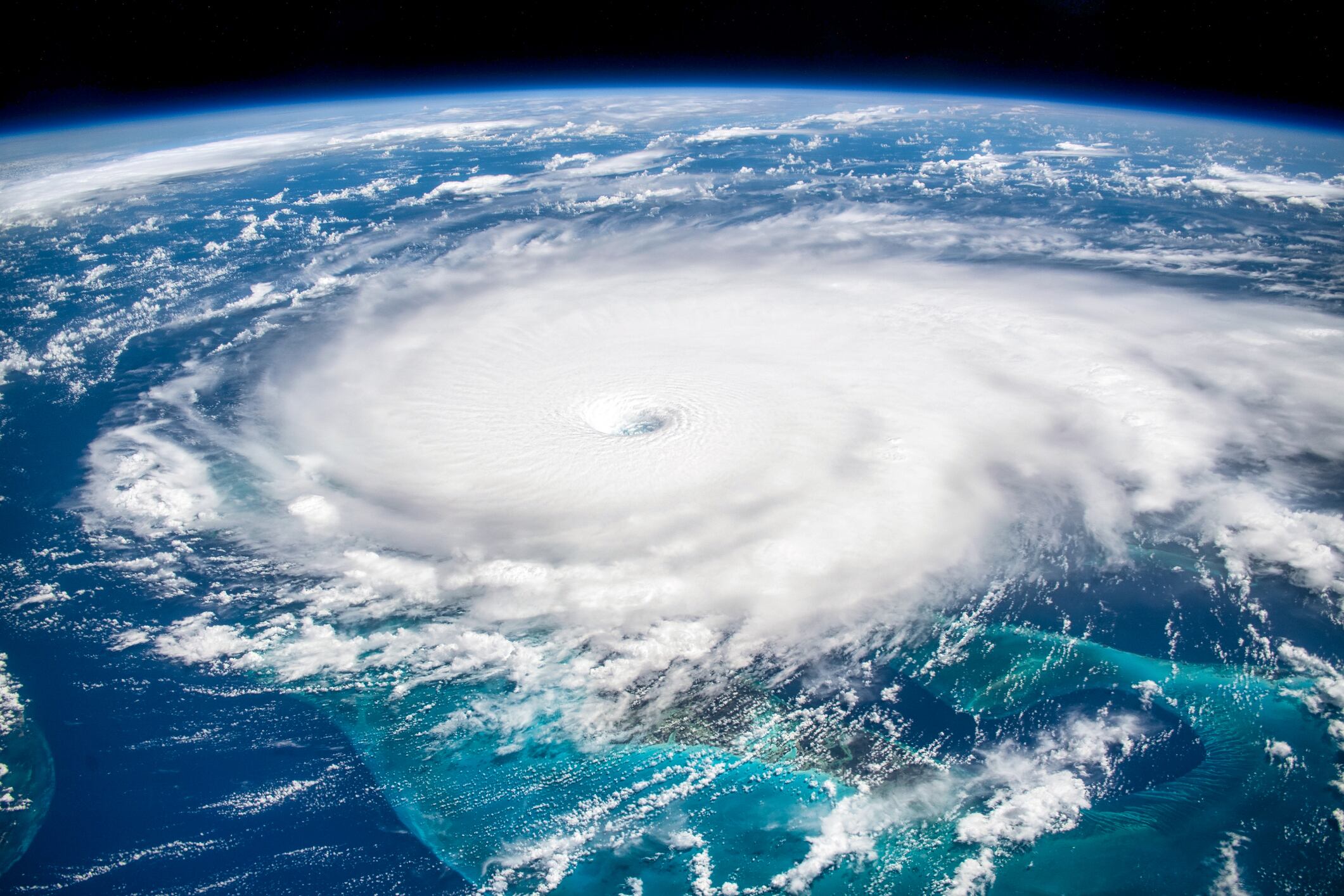
According to a Washington Post article, 82 percent of people get their weather updates on their phones, and there are more than 10,000 weather apps to choose from. The article breaks down the pros and cons of each app.
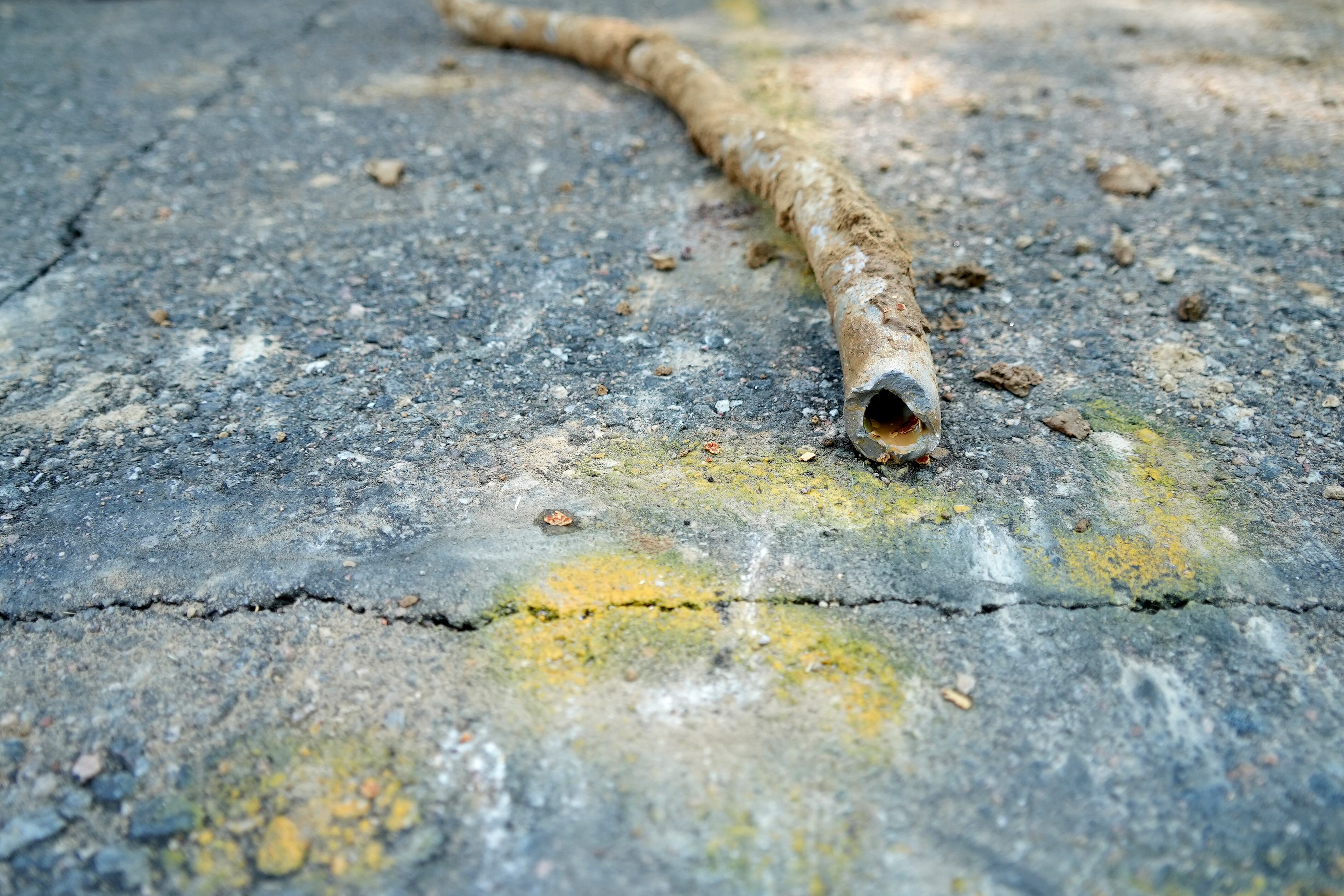
Some 9.2 million lead pipes carry water into homes across the U.S., with more in Florida than any other state, according to a new Environmental Protection Agency survey that will dictate how billions of dollars to find and replace those pipes are spent.