Hanneke Weitering, staff writer at Space.com, discusses Vodafone Germany teaming up with Nokia to bring a 4G network to the moon. The network will allow astronauts to stream HD video back to Earth on an upcoming mission.
Weitering explains there won't be any cellphone towers built on the moon, but the entire network will be in a super portable device no larger than a bag of sugar.
Weitering also discusses the University of Central Florida's decision to take over control of the Arecibo Observatory in Puerto Rico. Many people worried the world's second largest radio telescope would shut down after Hurricane Maria. Weitering says the telescope is an essential piece of tech in the search for extraterrestrial life.
Weitering also tells us that March will be the second month in 2018 to have two full moons in one month. The last time this happened was in 1999 and the next time will be in 2037.
The FDA has approved Opvee, which can reverse fentanyl and other opioid overdoses.
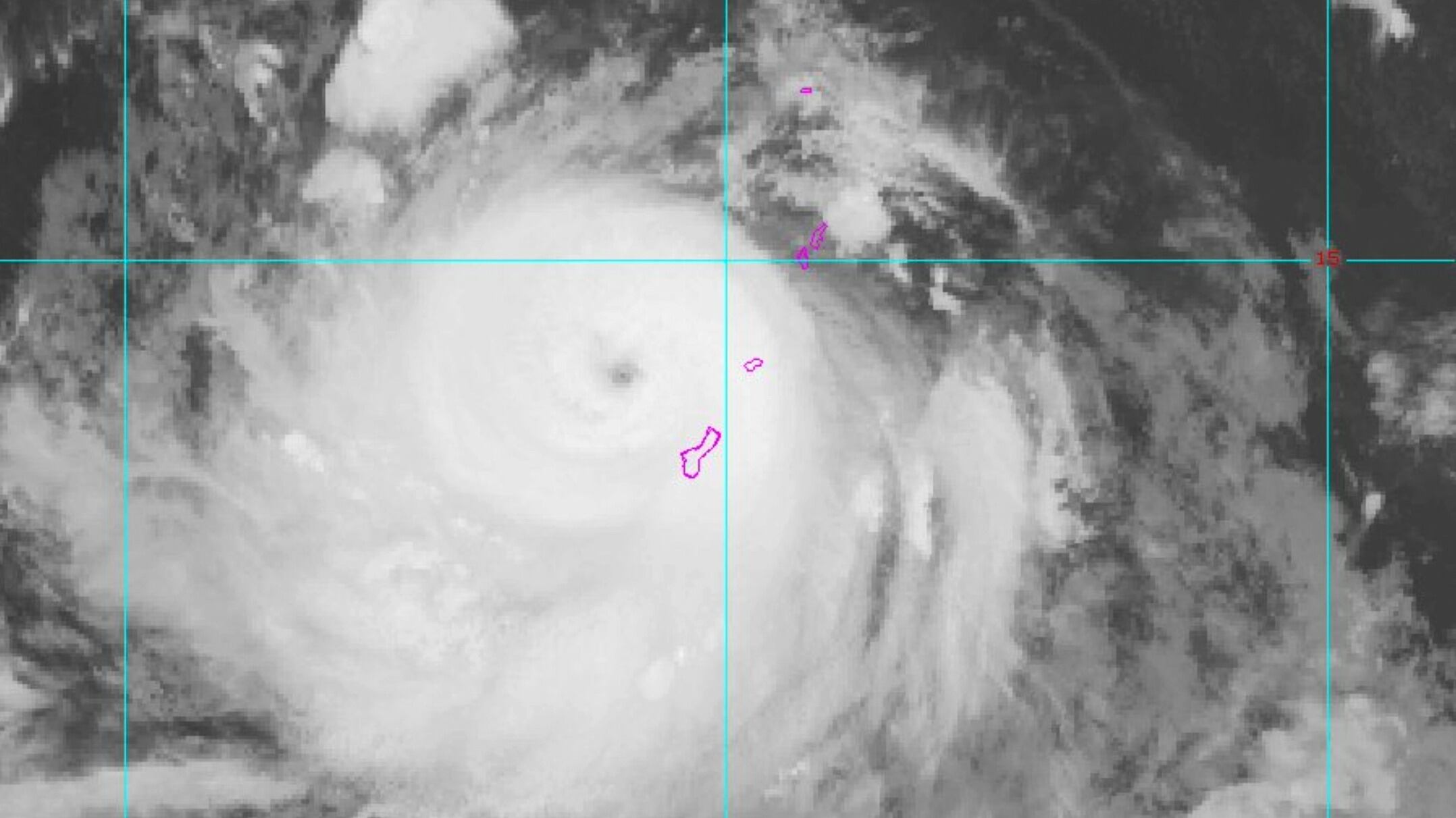
Powerful Typhoon Mawar churned slowly over the U.S. Pacific territory of Guam on Thursday, lashing the island with wind and rain, tearing down trees, walls and power lines, flipping cars, and pushing dangerous storm surge ashore as first-responders waited for daylight to see the full extent of the damage.
U.S. health regulators on Monday approved a new easy-to-use version of a medication to reverse overdoses caused by fentanyl and other opioids driving the nation’s drug crisis.
Be Well: Toni Braxton Shares Her Experience of Living With Lupus
Millions of Americans are impacted by mental health issues and a growing number of them are teenagers, causing concerns for parents across the country. Psychiatrist Dr. Liat Jarkon spoke with Cheddar News about how parents can have open and honest conversations with their kids.
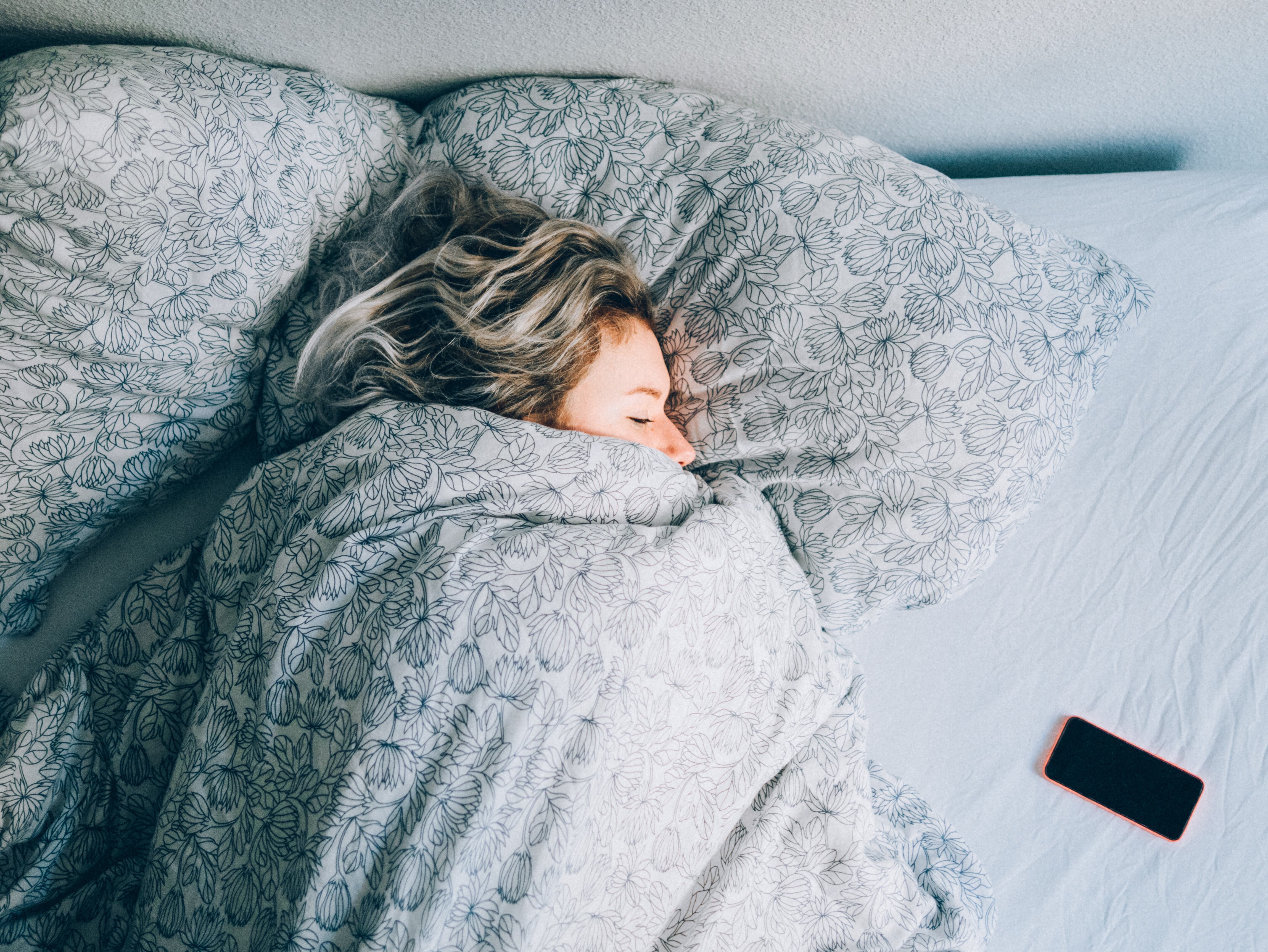
A new study shows that climate change is making it harder to fall asleep. The study, published in Cell Press over the weekend, shows that millions of people are already sleeping less because of higher overnight temperatures.
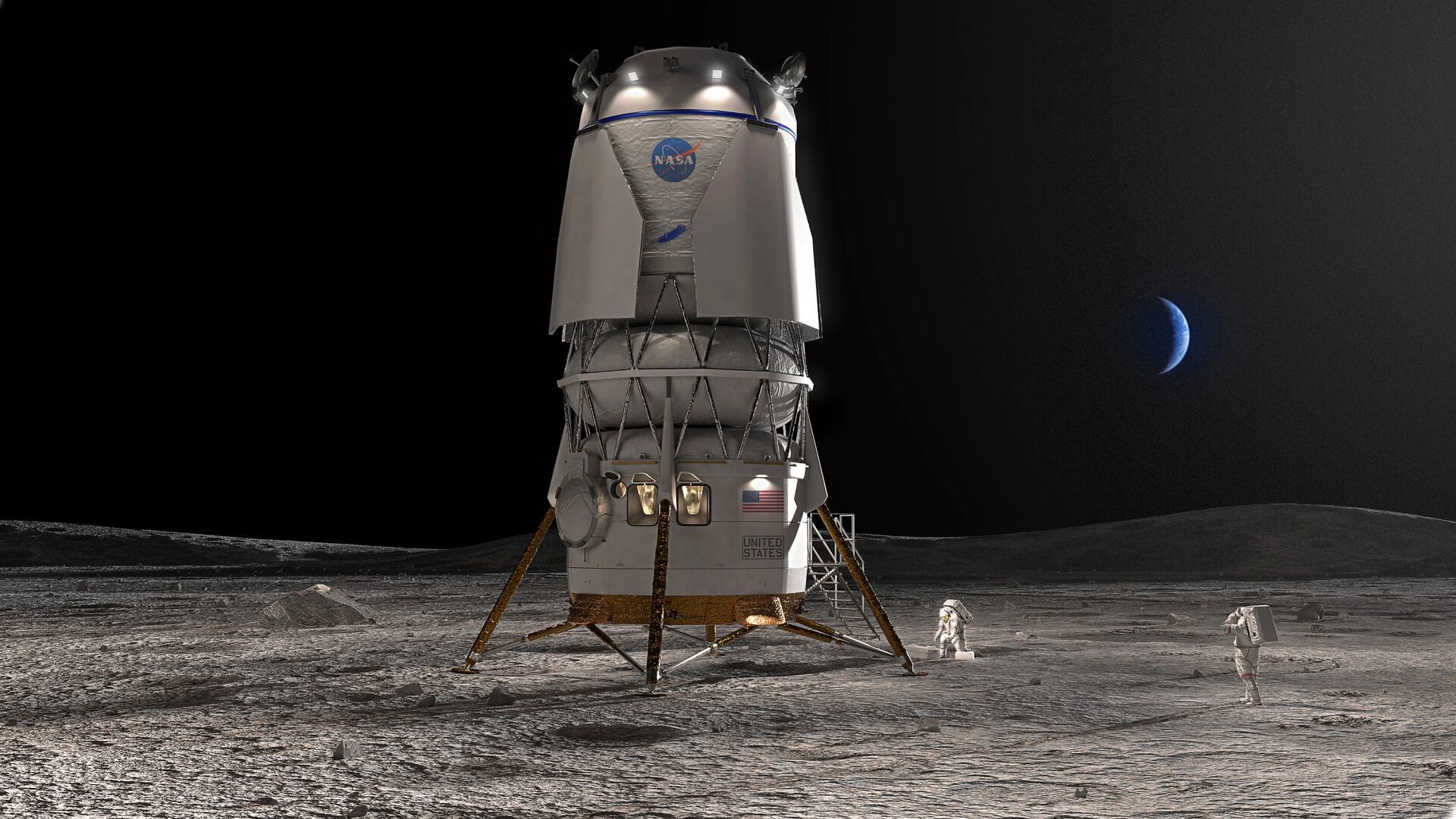
Jeff Bezos' rocket company has won a NASA contract to land astronauts on the moon, two years after it lost out to SpaceX.
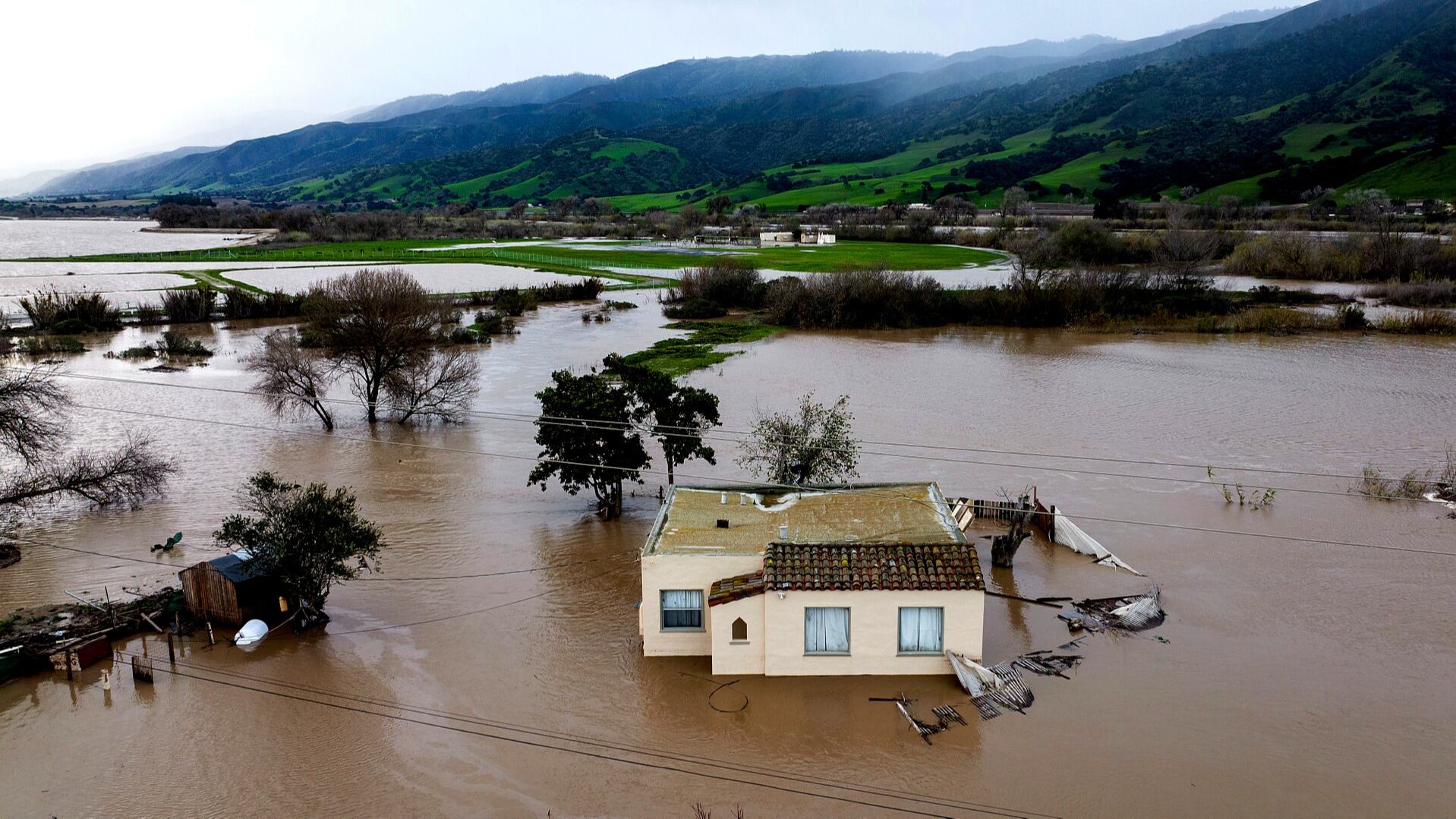
The natural burst of El Nino warming that changes weather worldwide is far costlier with longer-lasting expenses than experts had thought, averaging trillions of dollars in damage, a new study found.
Drug overdose deaths in the U.S. went up slightly last year after two big leaps during the pandemic.
Be Well: How Boxing Can Elevate Your Personal Fitness Program