Hanneke Weitering, staff writer at Space.com, discusses Vodafone Germany teaming up with Nokia to bring a 4G network to the moon. The network will allow astronauts to stream HD video back to Earth on an upcoming mission.
Weitering explains there won't be any cellphone towers built on the moon, but the entire network will be in a super portable device no larger than a bag of sugar.
Weitering also discusses the University of Central Florida's decision to take over control of the Arecibo Observatory in Puerto Rico. Many people worried the world's second largest radio telescope would shut down after Hurricane Maria. Weitering says the telescope is an essential piece of tech in the search for extraterrestrial life.
Weitering also tells us that March will be the second month in 2018 to have two full moons in one month. The last time this happened was in 1999 and the next time will be in 2037.
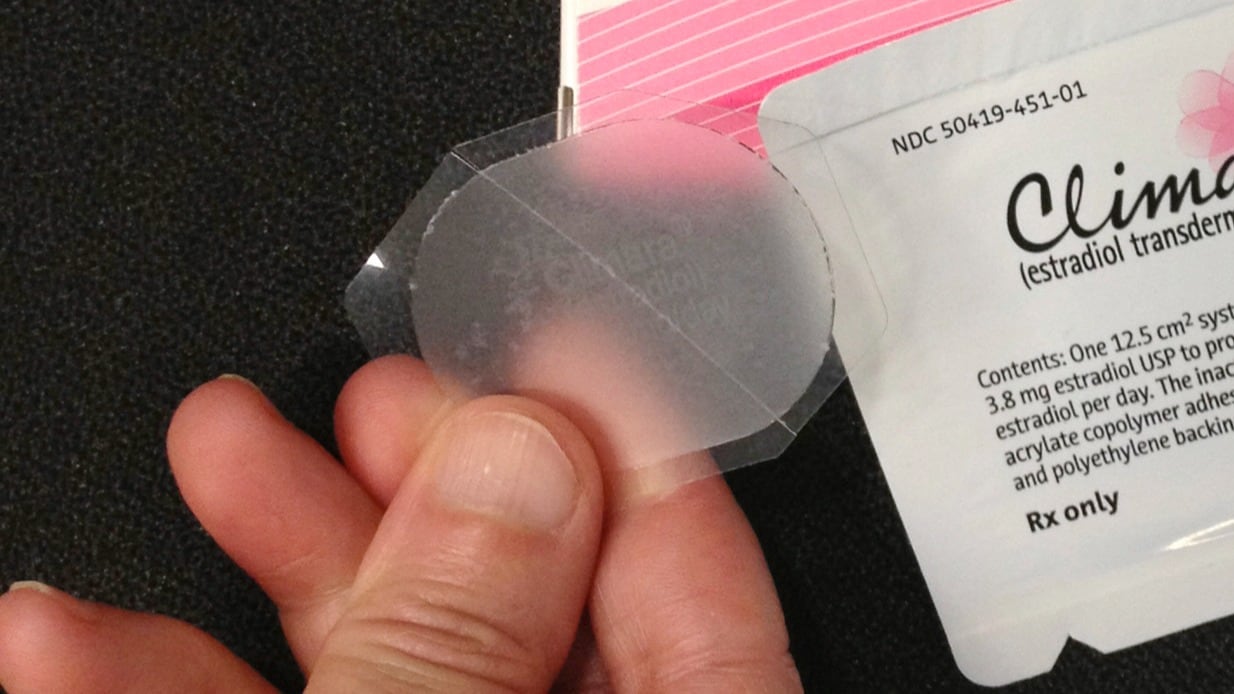
Women often use hormone therapy to relieve hot flashes and other menopause symptoms — and new research suggests patches or creams may be safer for their blood pressure than pills.
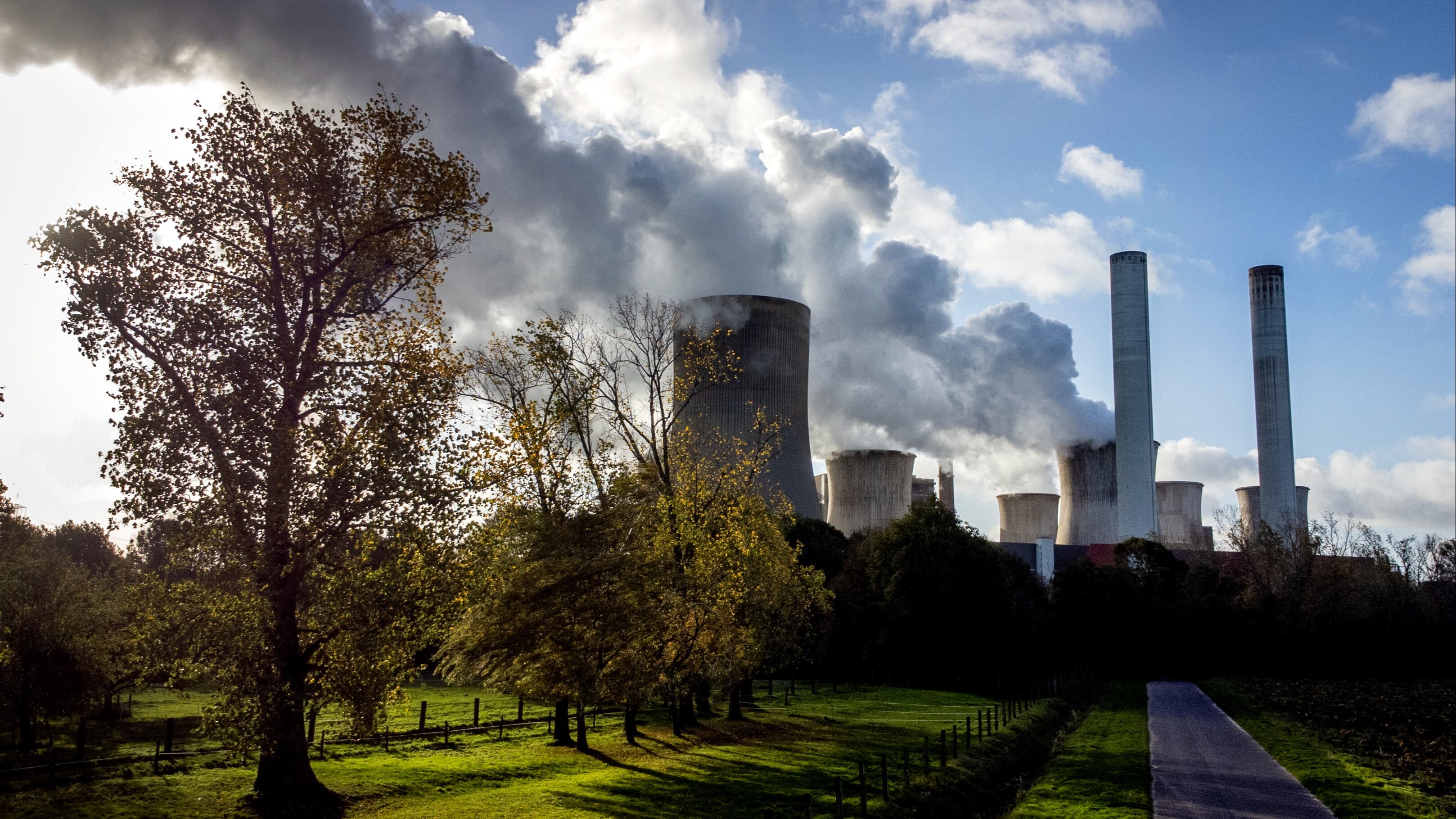
The cause of global warming is showing no signs of slowing as heat-trapping carbon dioxide in Earth’s atmosphere increased to record highs in its annual Spring peak, jumping at one of the fastest rates on record, officials announced Monday.
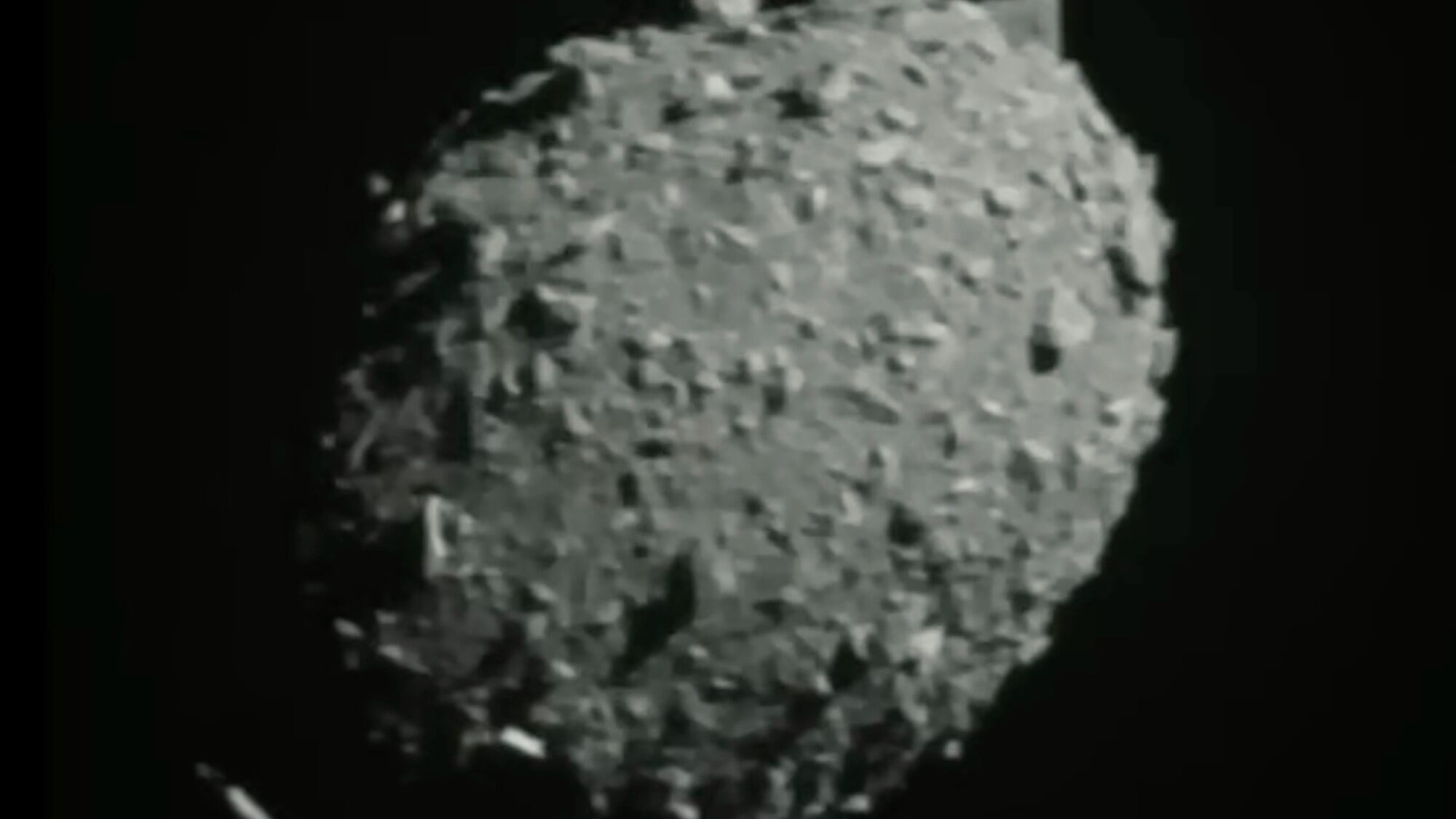
Scientists have discovered a new asteroid that's been tagging along with Earth for the past 2,000 years. The space rock is called a "quasi-moon," since it's only slightly influenced by the Earth's gravitational pull, but it still makes the journey around the sun much like the earth does.