Hanneke Weitering, staff writer at Space.com, discusses Vodafone Germany teaming up with Nokia to bring a 4G network to the moon. The network will allow astronauts to stream HD video back to Earth on an upcoming mission.
Weitering explains there won't be any cellphone towers built on the moon, but the entire network will be in a super portable device no larger than a bag of sugar.
Weitering also discusses the University of Central Florida's decision to take over control of the Arecibo Observatory in Puerto Rico. Many people worried the world's second largest radio telescope would shut down after Hurricane Maria. Weitering says the telescope is an essential piece of tech in the search for extraterrestrial life.
Weitering also tells us that March will be the second month in 2018 to have two full moons in one month. The last time this happened was in 1999 and the next time will be in 2037.
U.S. officials have approved the first over-the-counter birth control pill, which will let American women and girls buy contraceptive medication from the same aisle as aspirin and eyedrops.
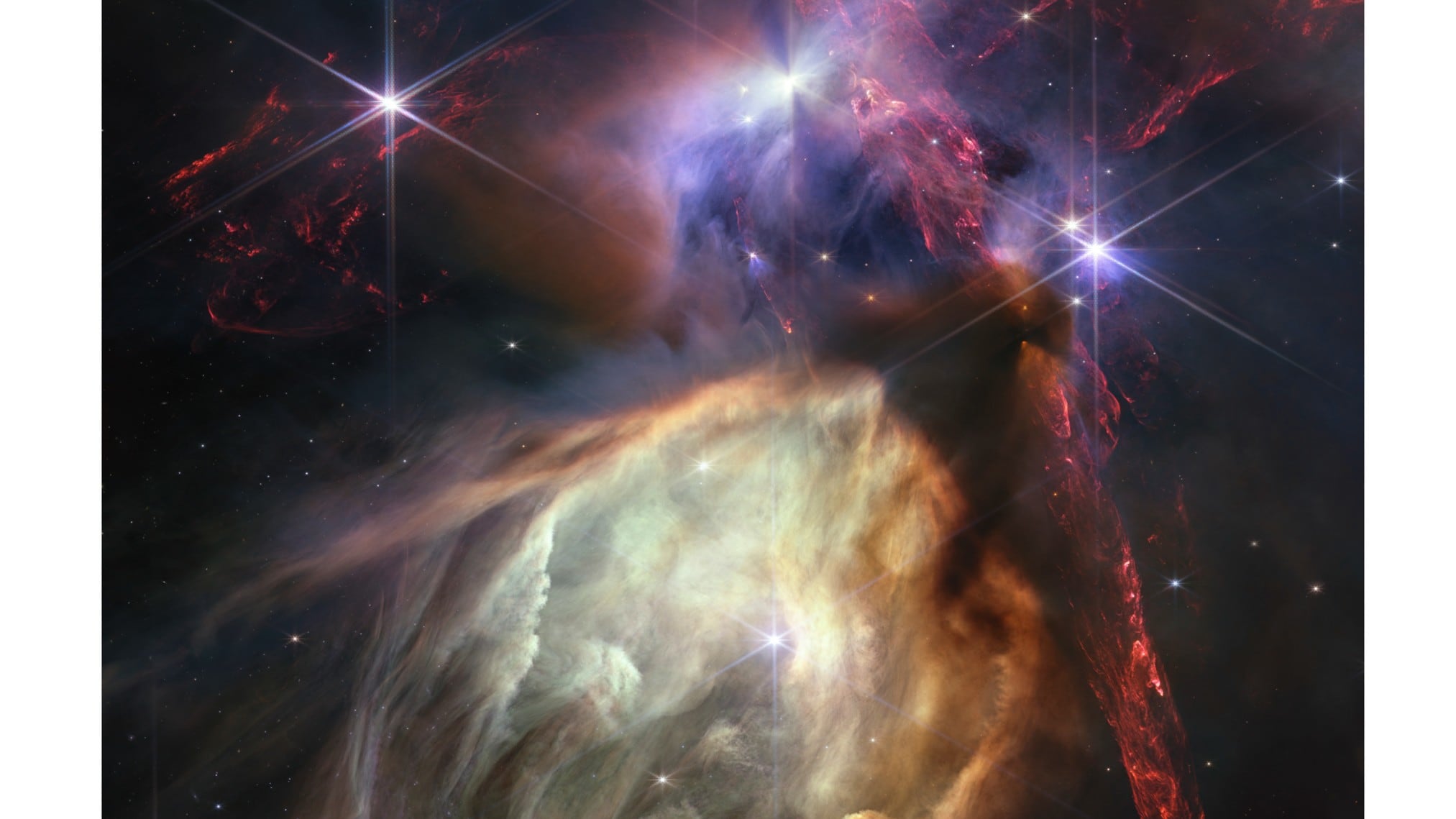
The Webb Space Telescope is marking one year of cosmic photographs with one of its best yet: the dramatic close-up of dozens of stars at the moment of birth.
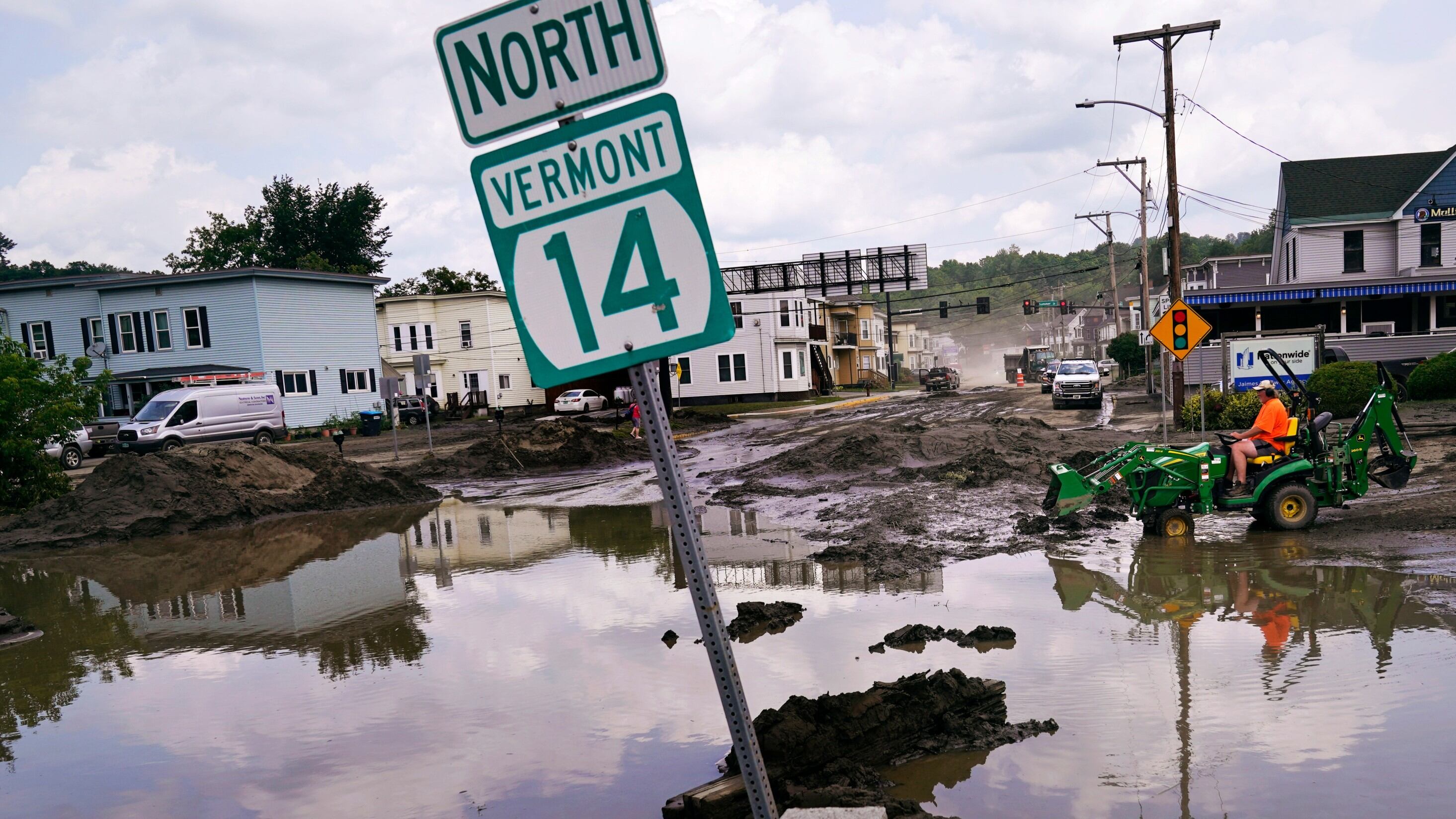
Floodwaters receded in Vermont cities and towns pummeled by a storm that delivered two months of rain in two days, enabling people to focus Wednesday on recovering from a disaster that trapped residents in homes, closed roadways and choked streets and businesses with mud and debris.
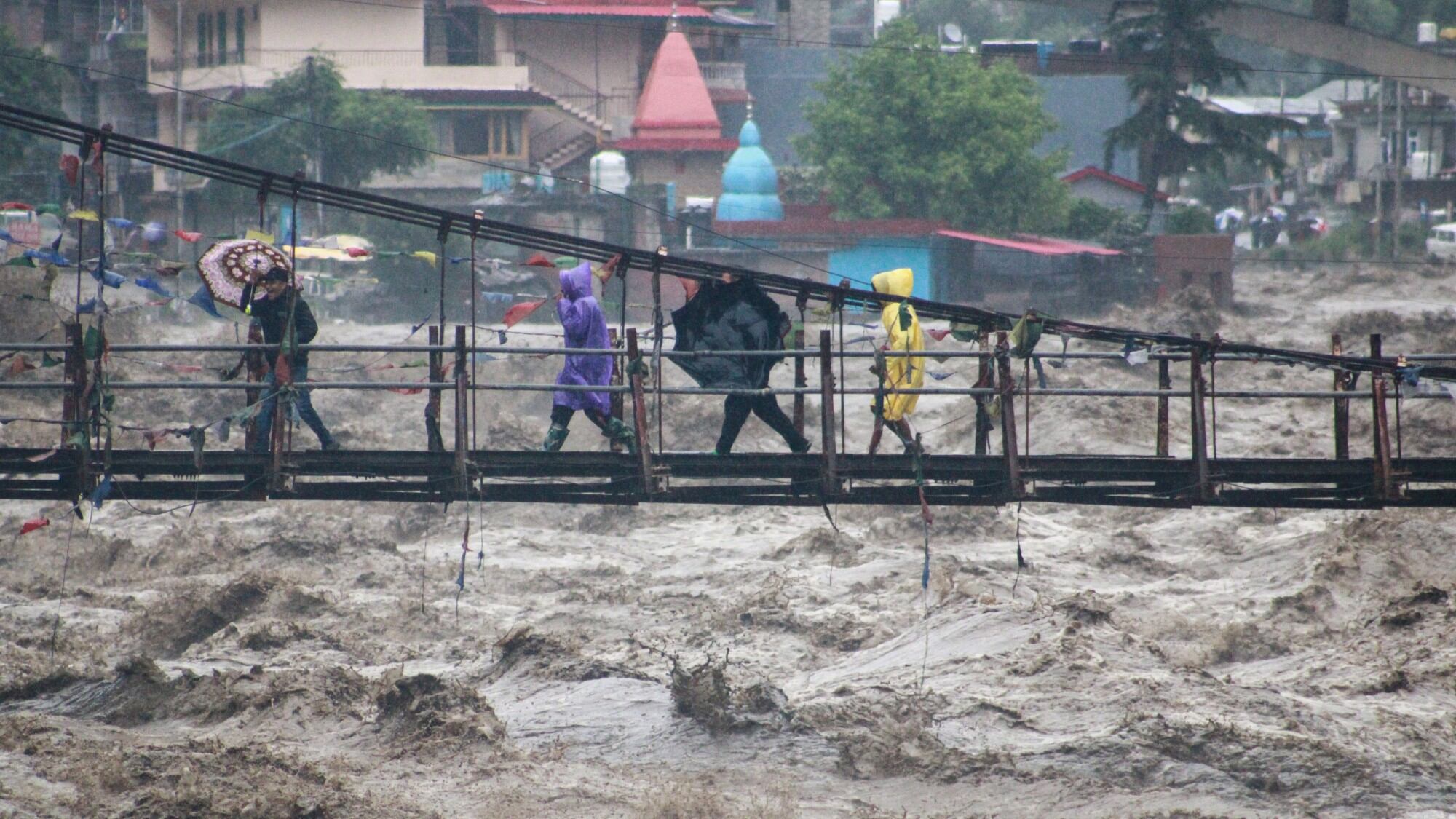
Schools in New Delhi were forced to close Monday after heavy monsoon rains battered the Indian capital, with landslides and flash floods killing at least 15 people over the last three days. Farther north, the overflowing Beas River swept vehicles downstream as it flooded neighborhoods.
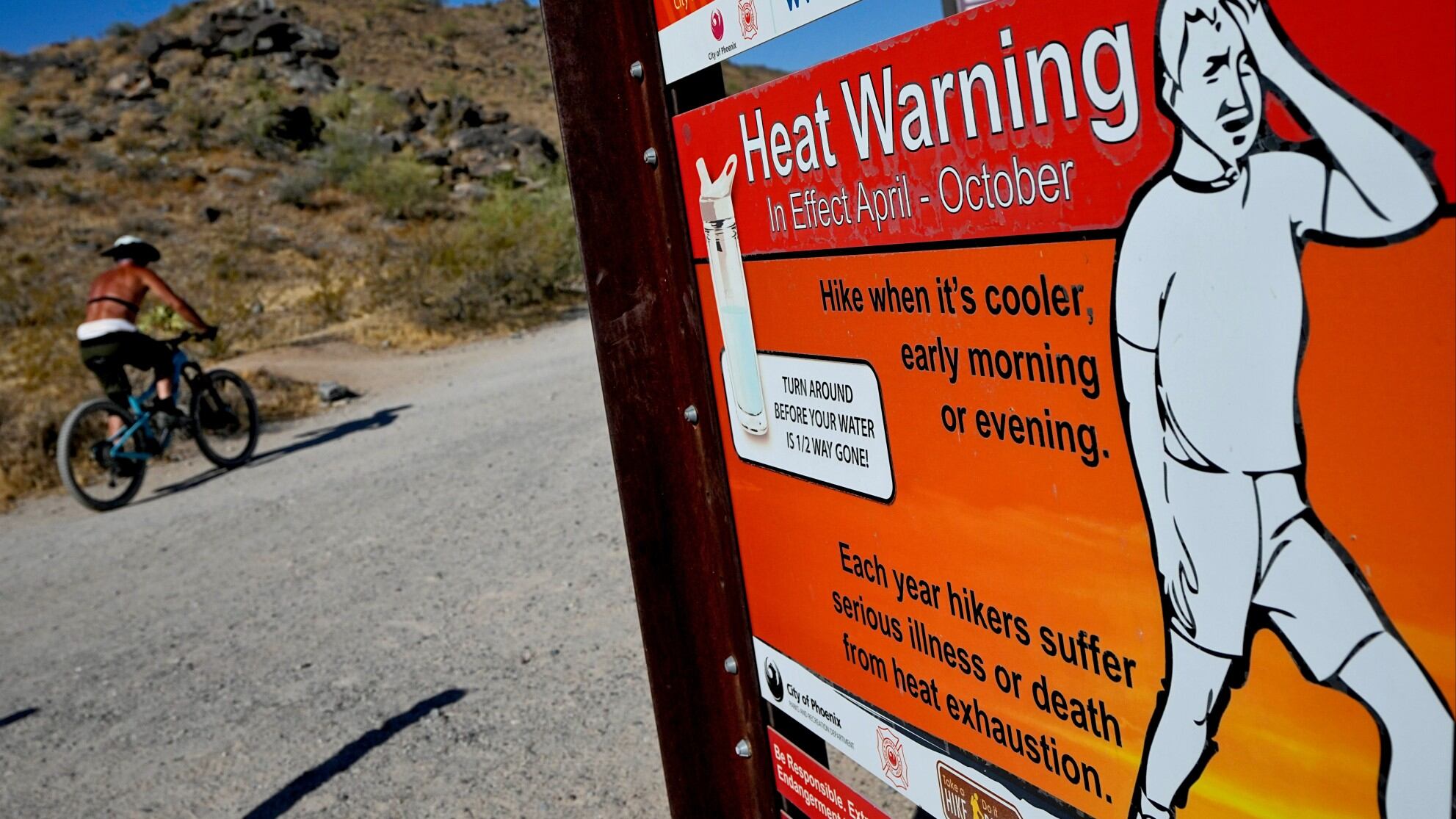
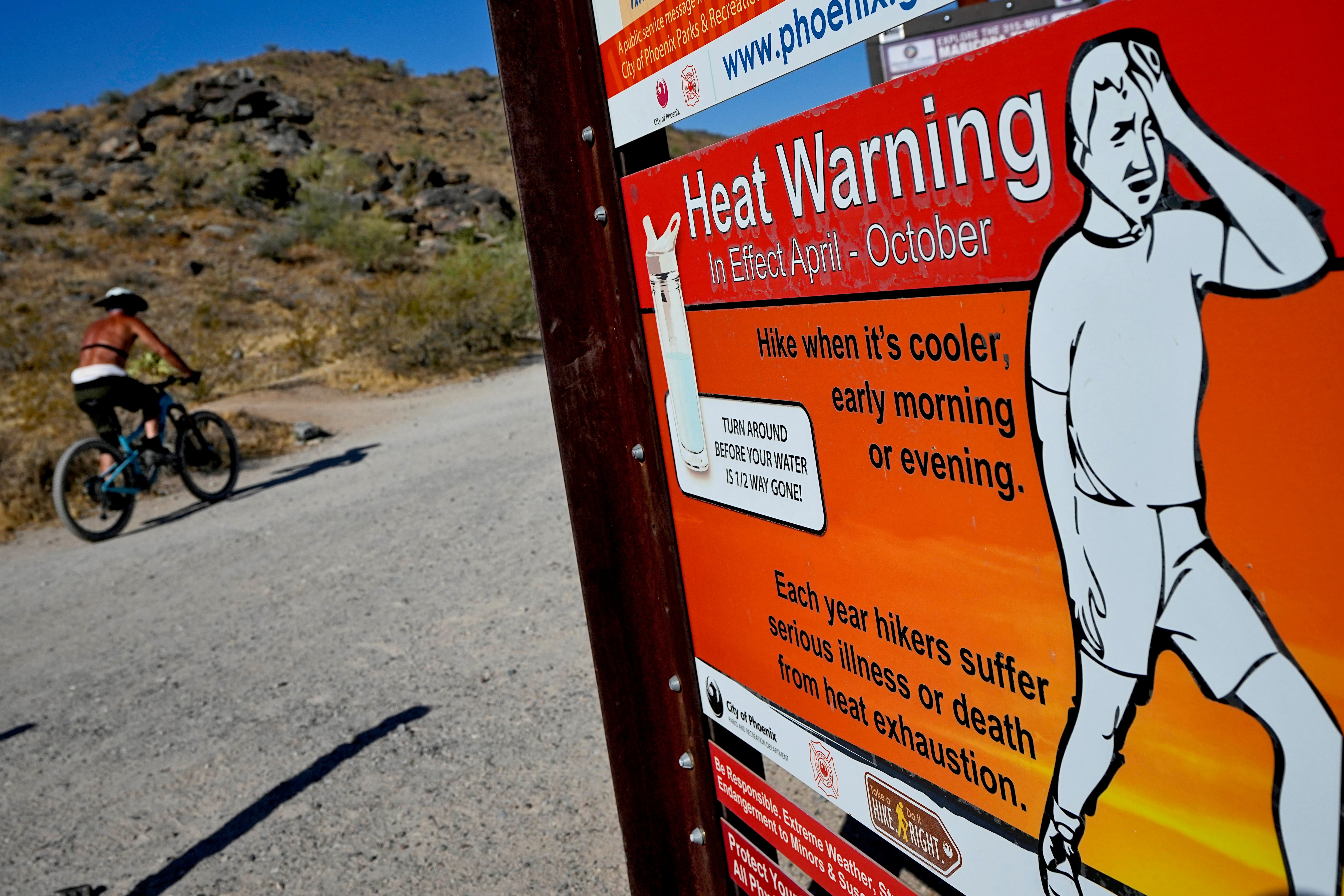
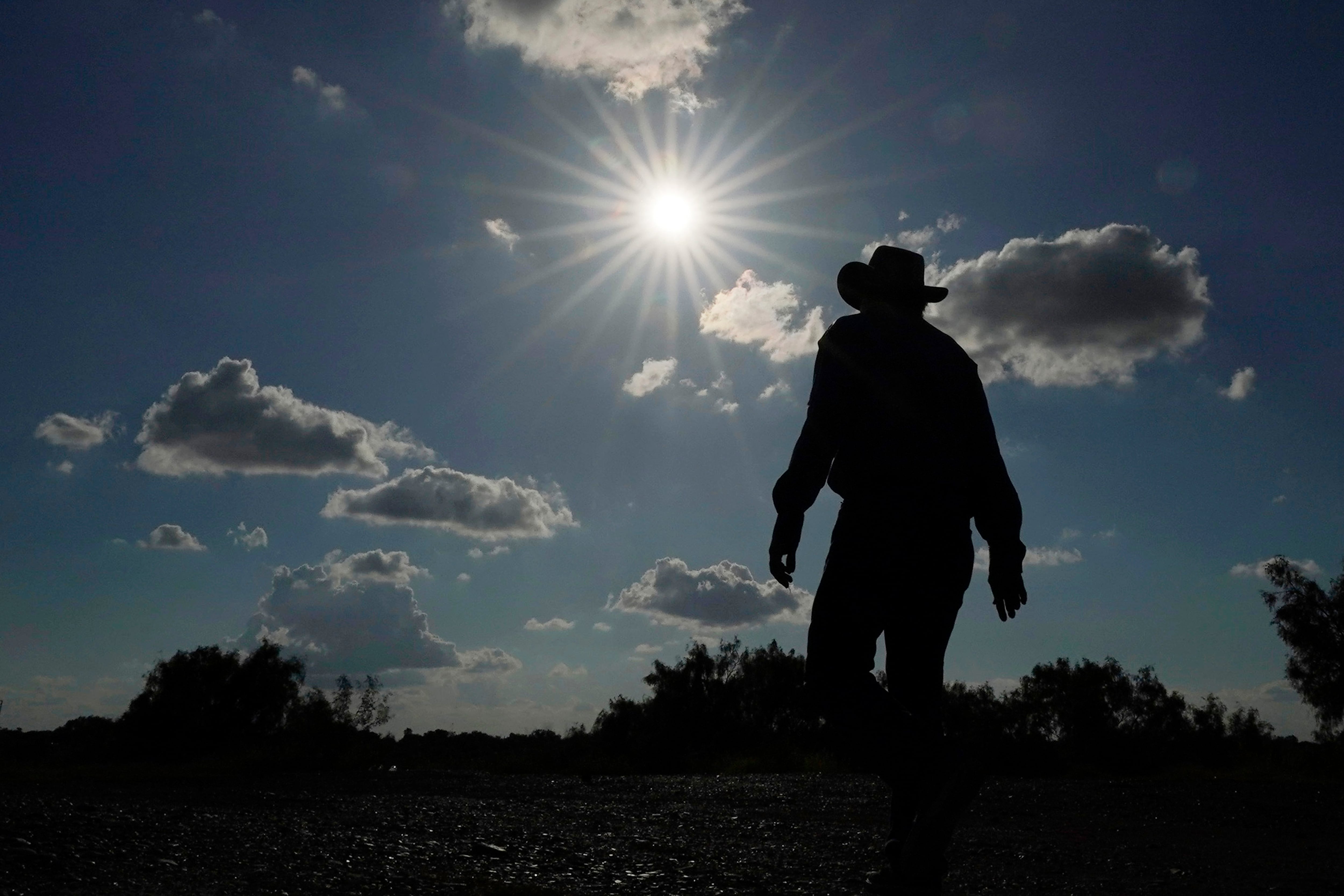
Even Southwestern desert residents accustomed to scorching summers are feeling the grip of an extreme heat wave smacking Arizona, Nevada, New Mexico and Southern California this week with 100-degree-plus temps and excessive heat warnings.