Hanneke Weitering, staff writer at Space.com, discusses Vodafone Germany teaming up with Nokia to bring a 4G network to the moon. The network will allow astronauts to stream HD video back to Earth on an upcoming mission.
Weitering explains there won't be any cellphone towers built on the moon, but the entire network will be in a super portable device no larger than a bag of sugar.
Weitering also discusses the University of Central Florida's decision to take over control of the Arecibo Observatory in Puerto Rico. Many people worried the world's second largest radio telescope would shut down after Hurricane Maria. Weitering says the telescope is an essential piece of tech in the search for extraterrestrial life.
Weitering also tells us that March will be the second month in 2018 to have two full moons in one month. The last time this happened was in 1999 and the next time will be in 2037.
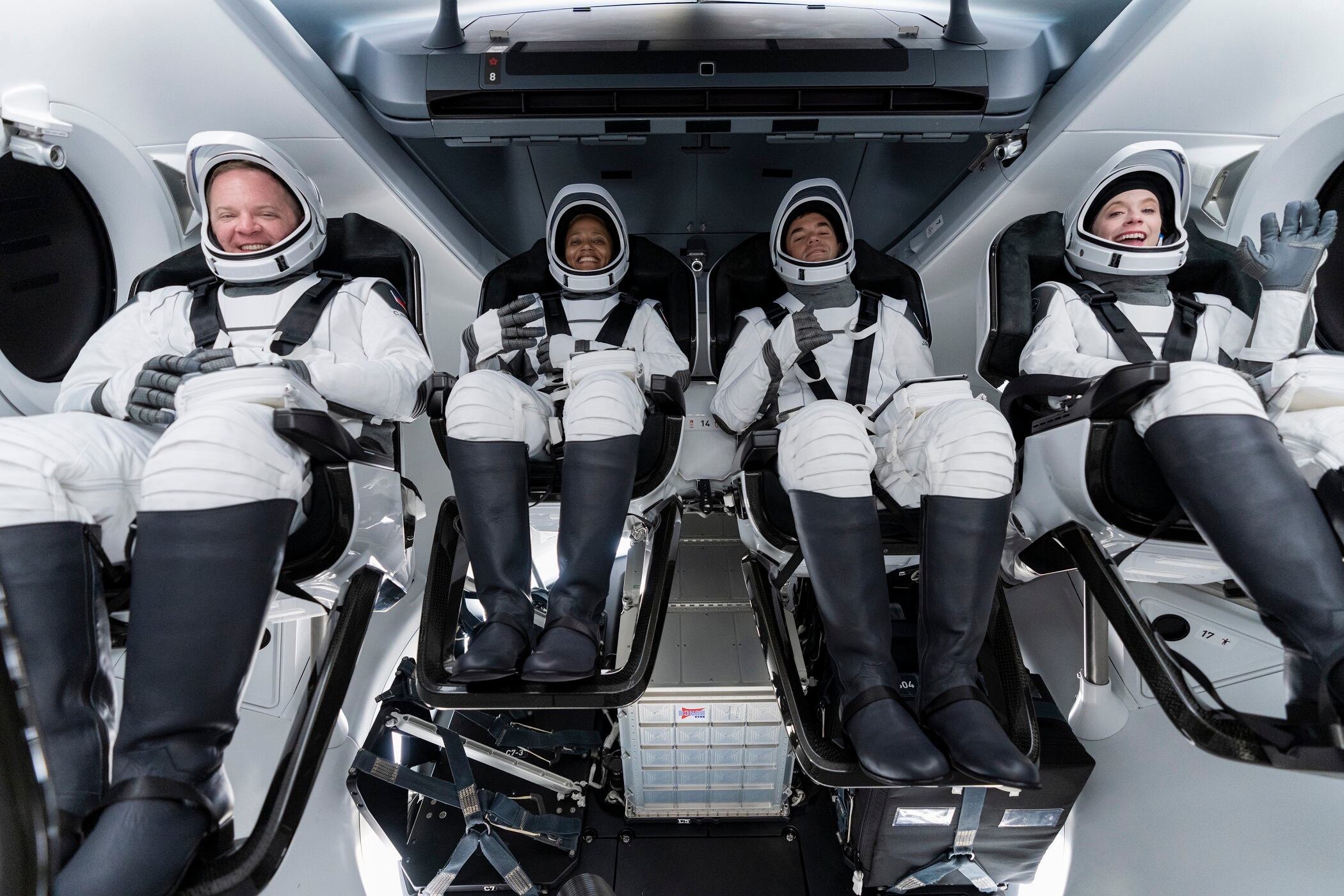
For the first time in 60 years of human spaceflight, a rocket is poised to blast into orbit with no professional astronauts on board, only four tourists.
Solar energy has the potential to supply up to 40% of the nation’s electricity within 15 years — a 10-fold increase over current solar output, but one that would require massive changes in U.S. policy and billions of dollars in federal investment to modernize the nation's electric grid, a new federal report says.
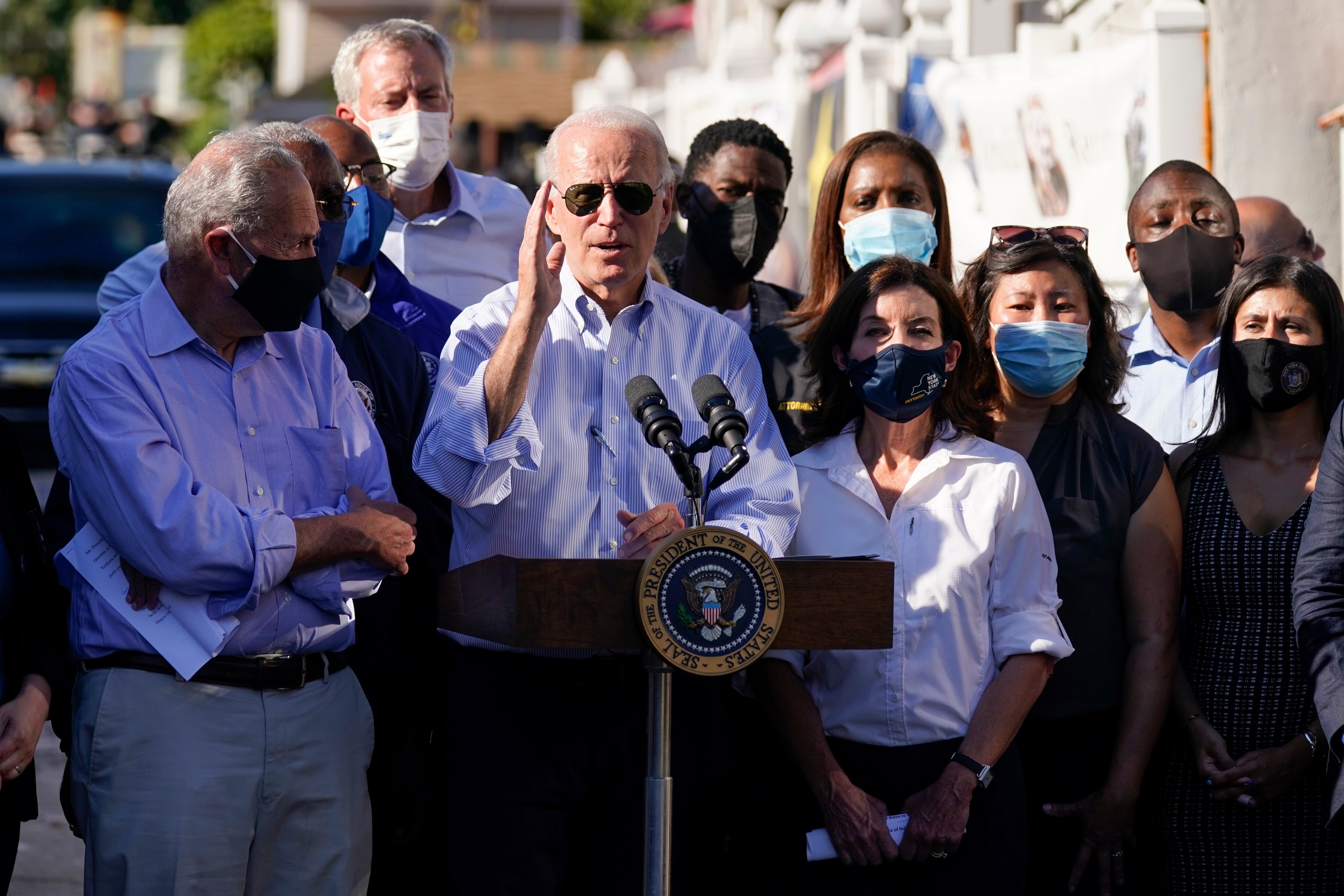
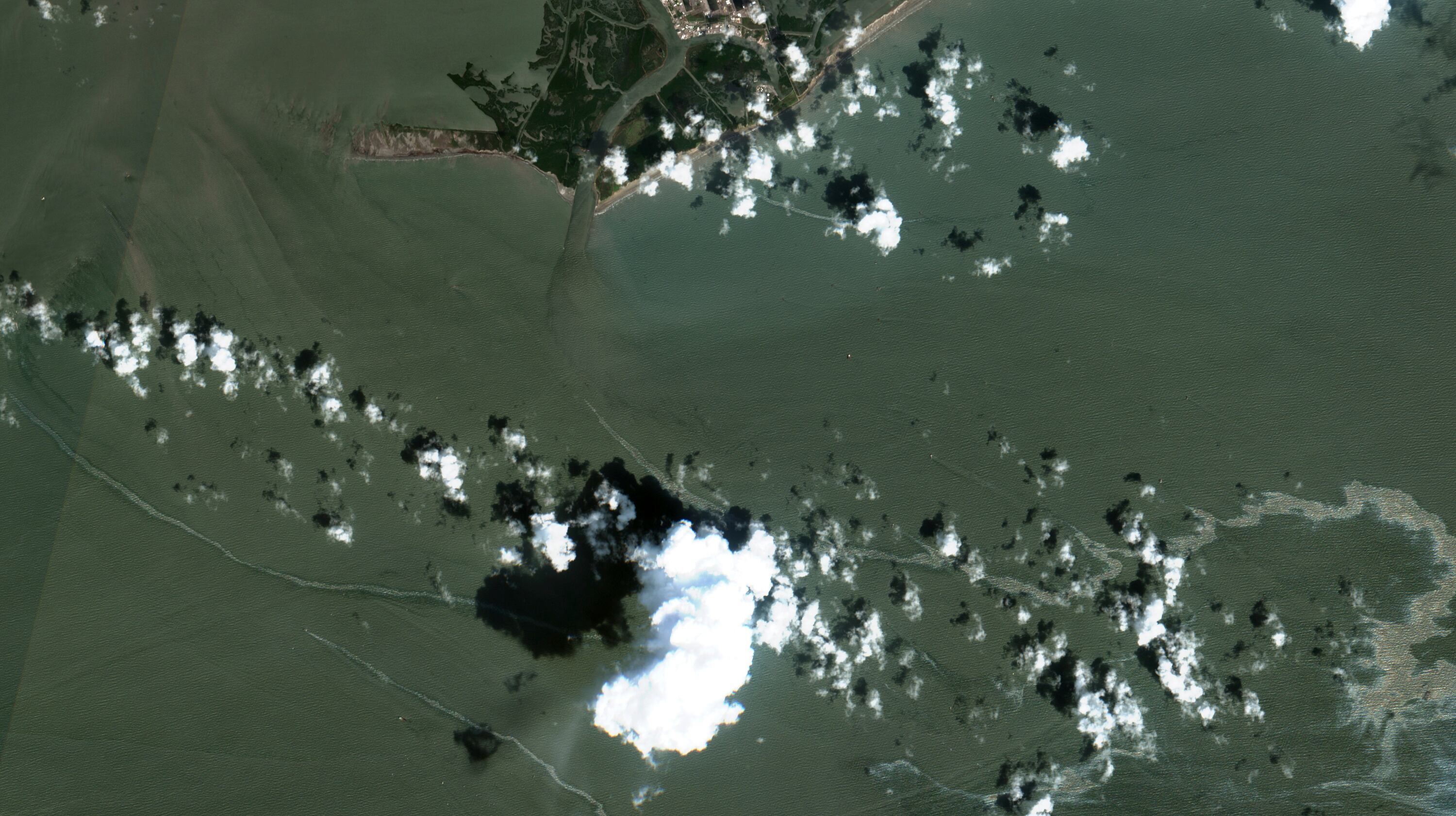
The company overseeing the response to a large oil spill spurred by Hurricane Ida said Tuesday that a containment dome has been placed over a broken undersea pipeline, stemming the flow into the Gulf of Mexico.
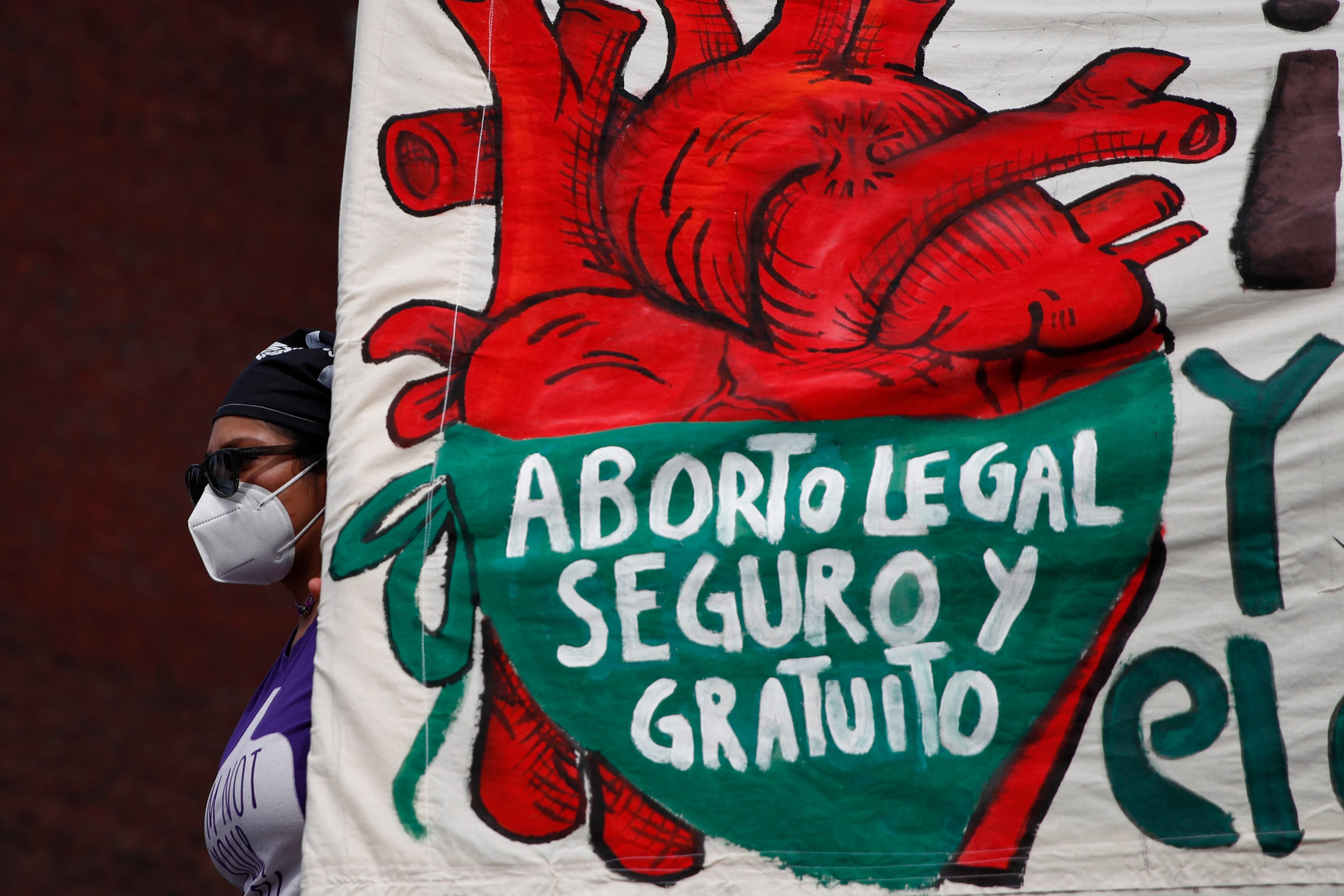
Gain-of-Function, Mexico Abortion Stunner & Album Wars
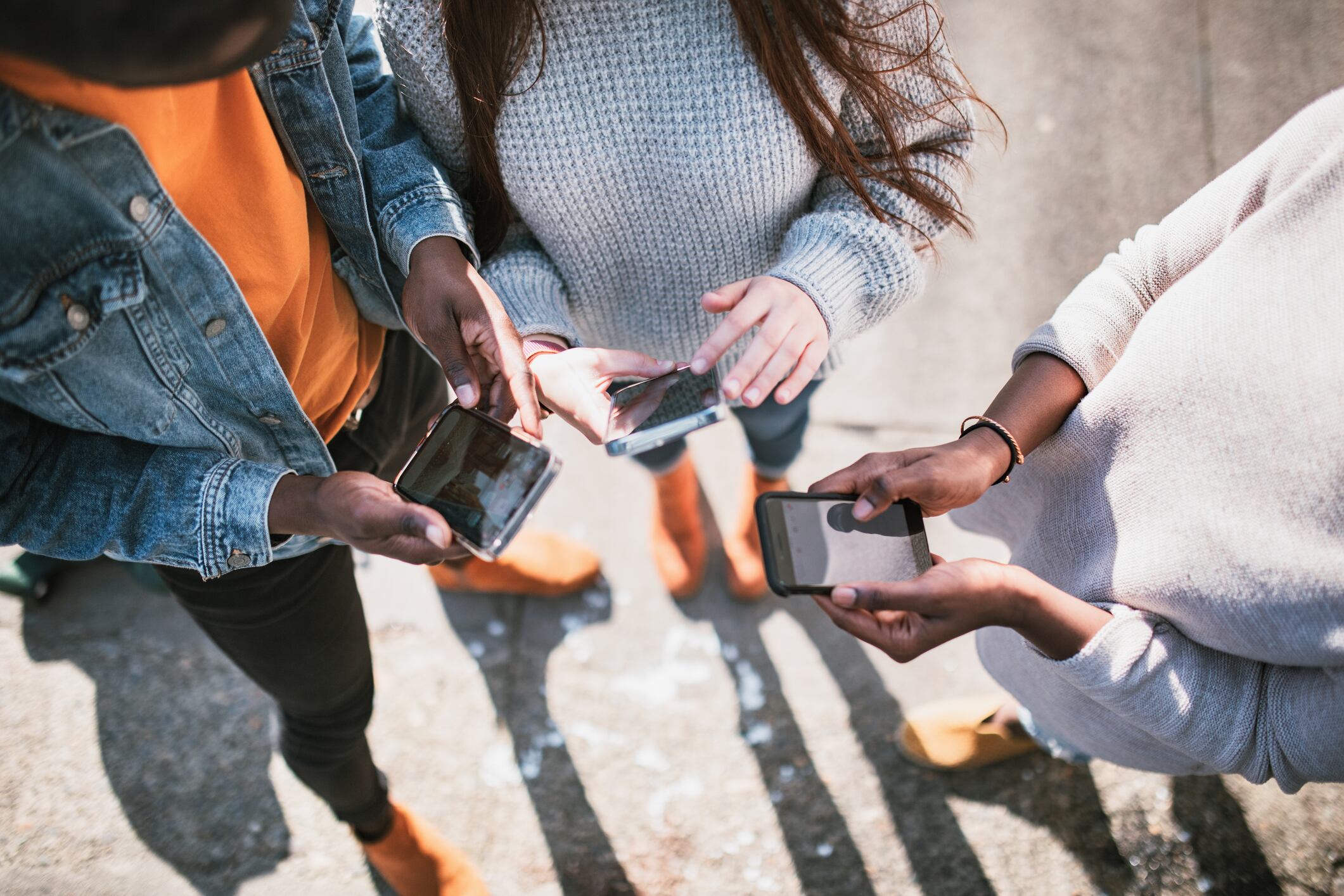
Cheddar asked its Gen Z and Millennial-aged Facebook and Instagram users about several topics including how they use social media, buying cryptocurrency, and the future job market.
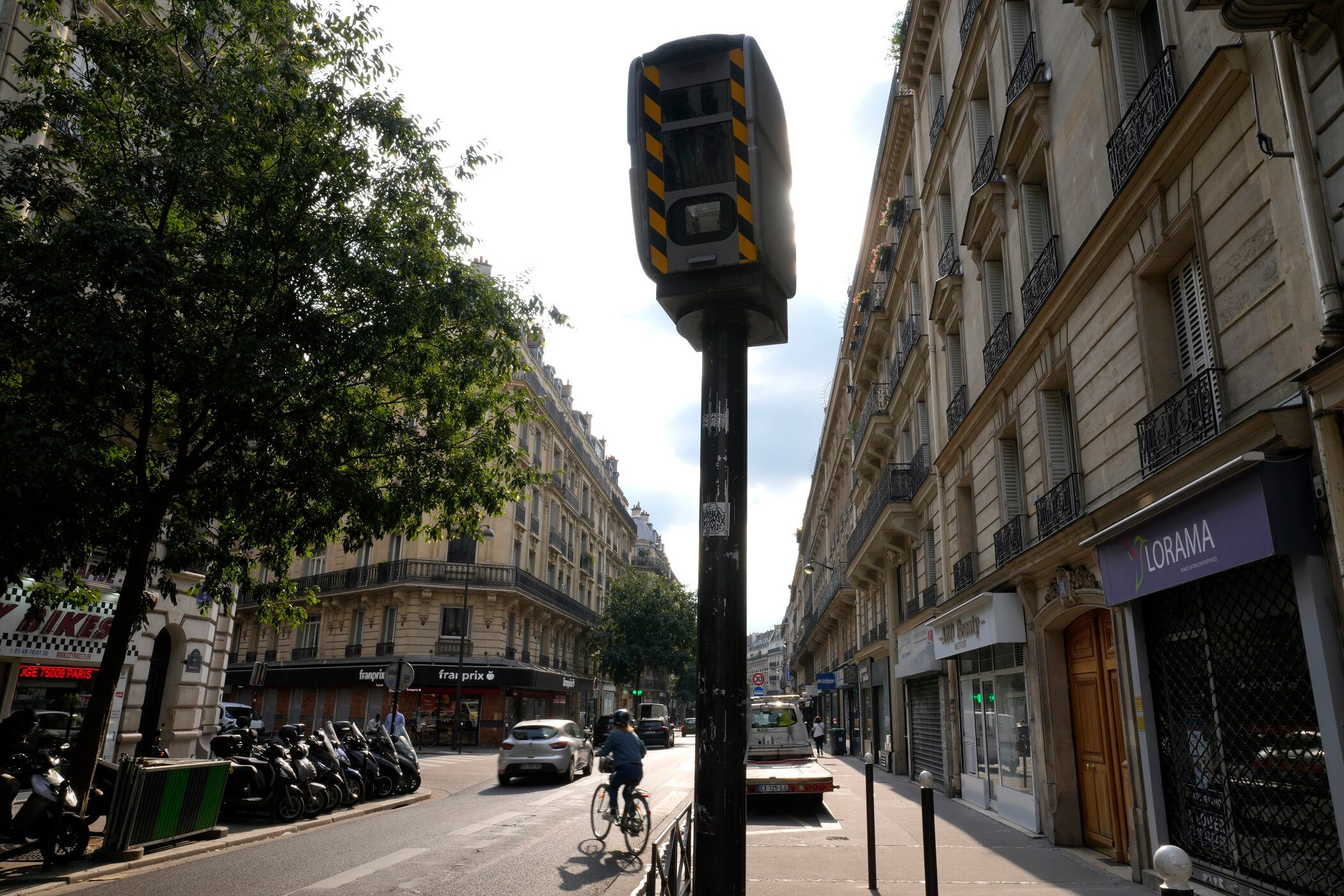
The speed limit for most of Paris is now 30 kilometers per hour (less than 19 miles per hour). The new rule takes effect Monday almost everywhere in the city except for a few wide avenues like the Champs-Elysees and the bypass circling the capital.
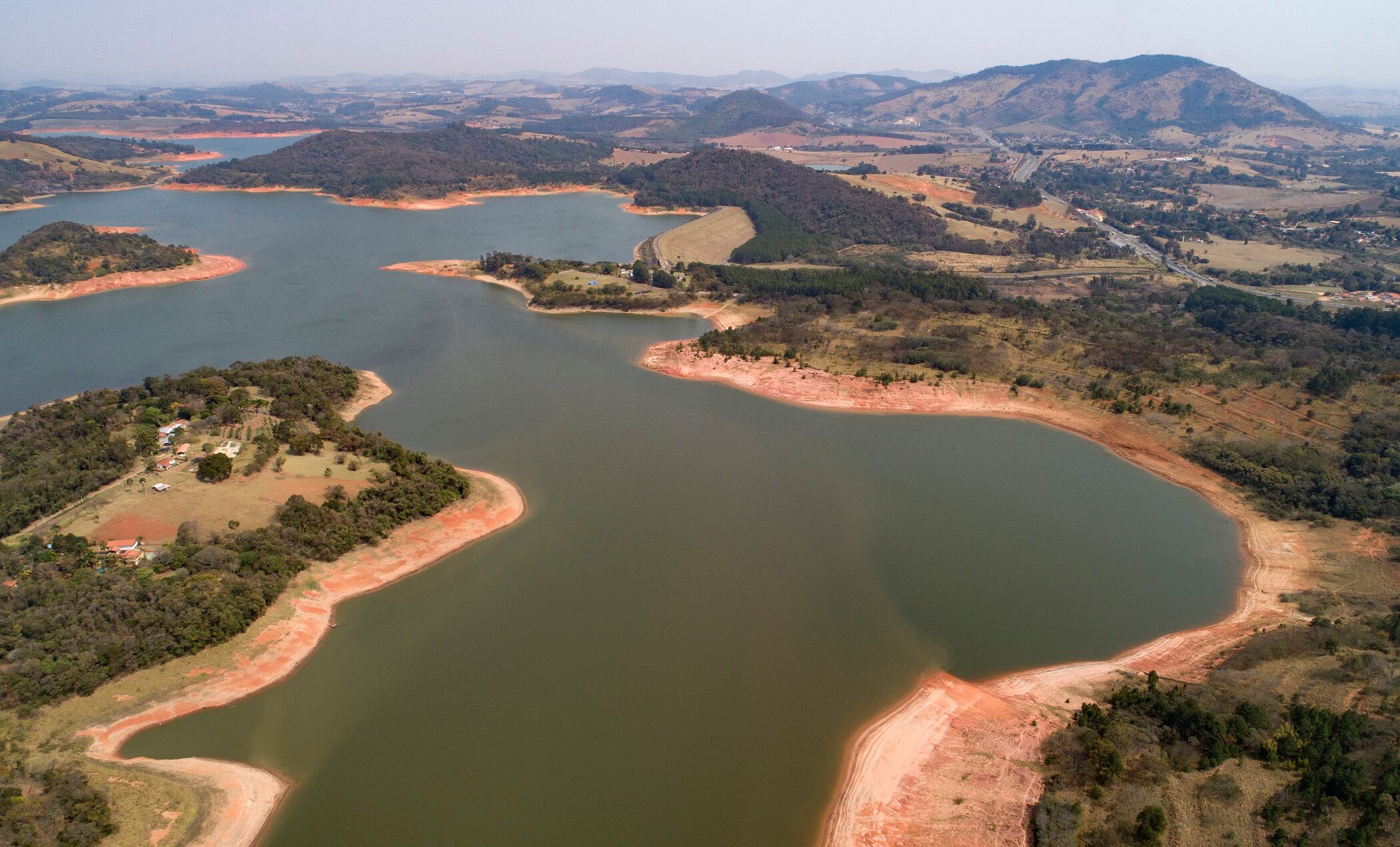
Brazil, the country with the most freshwater resources in the world, has lost 15% of its surface water over the last three decades.
A SpaceX shipment of ants, avocados, and a human-sized robotic arm is on its way to the International Space Station.
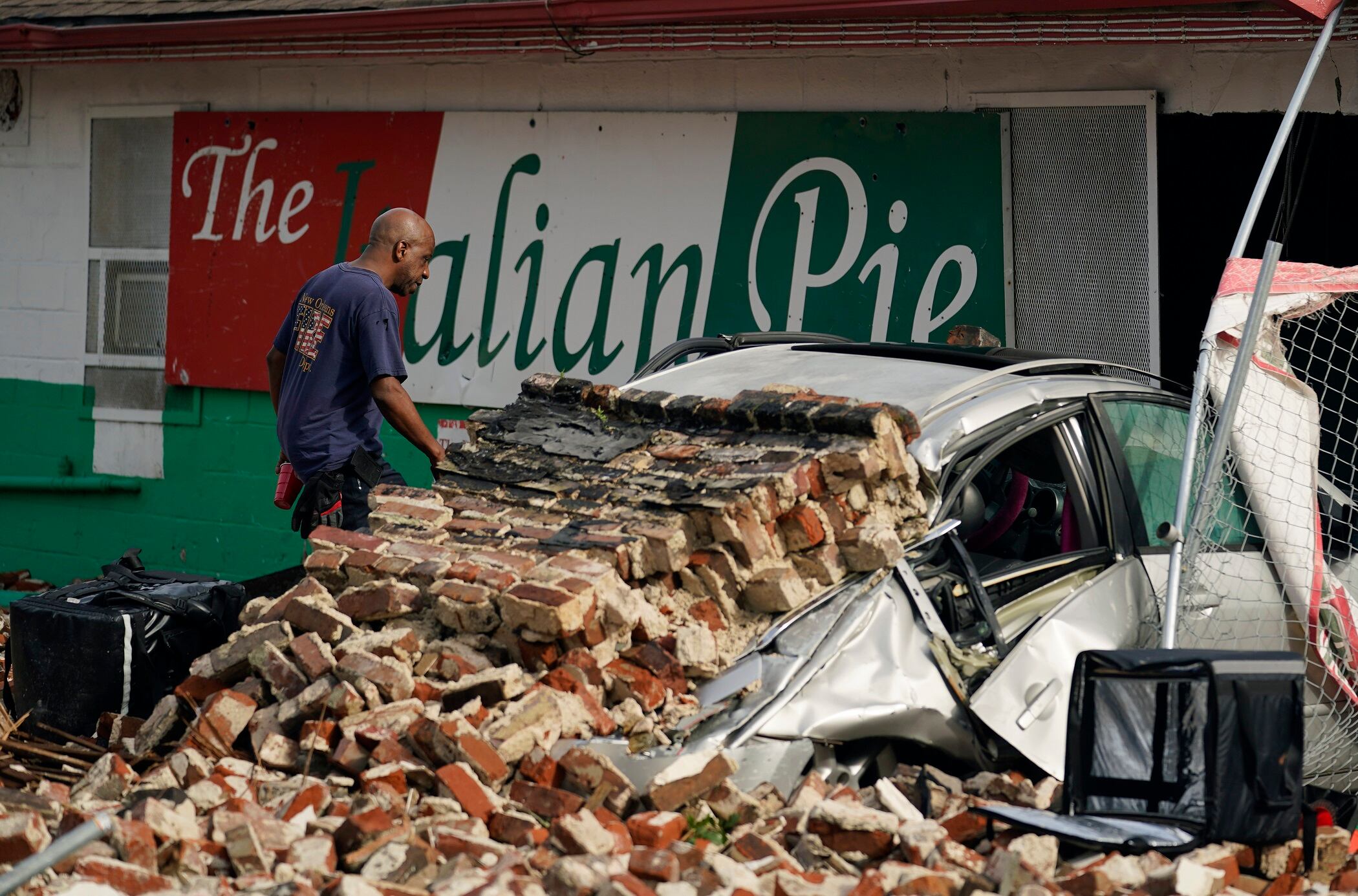
A fearsome Hurricane Ida has left scores of coastal Louisiana residents trapped by floodwaters and pleading to be rescued, while making a shambles of the electrical grid across a wide swath of the state in the sweltering, late-summer heat.
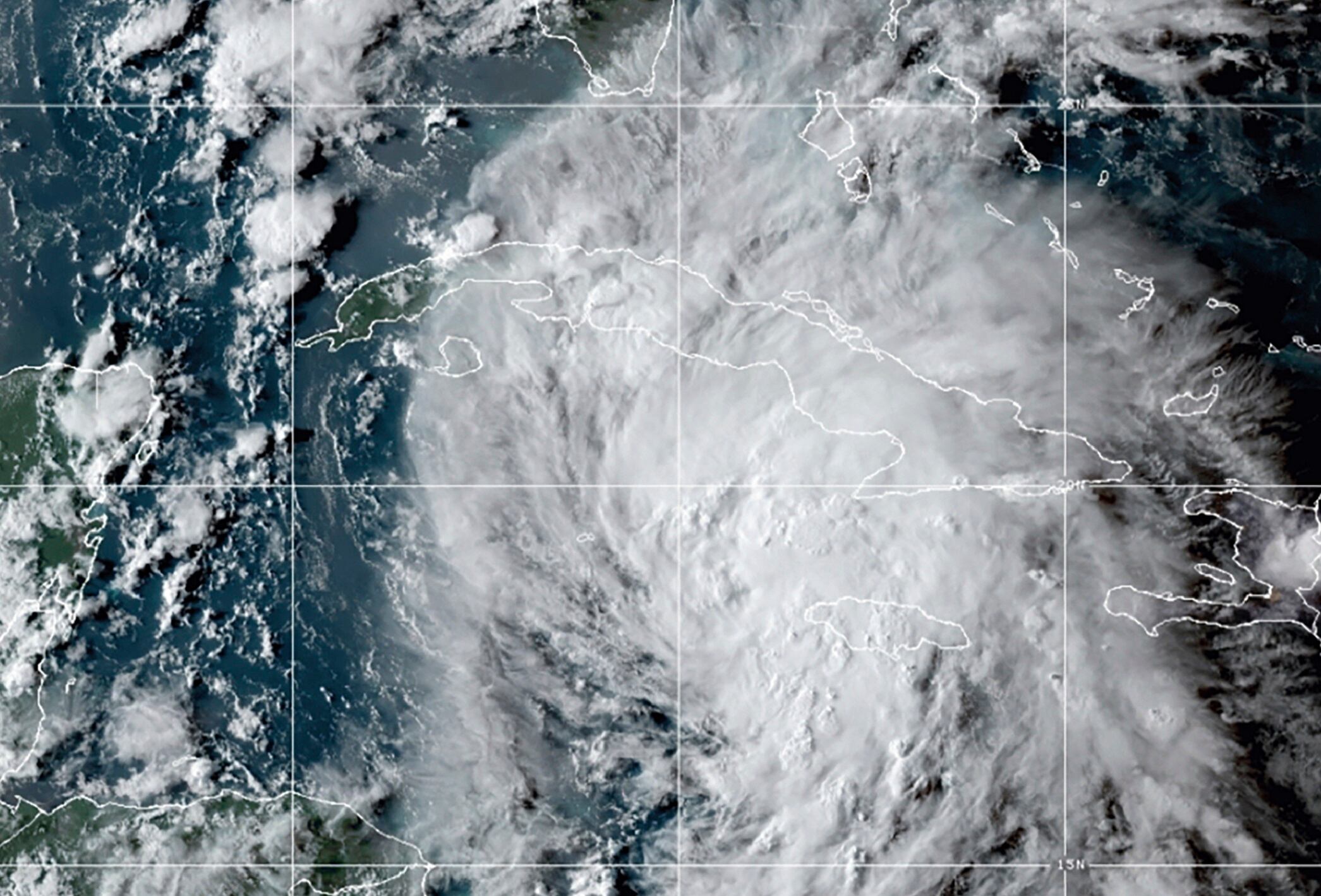
New Orleans Mayor Latoya Cantrell has ordered people outside the city’s levee protection system to evacuate. Forecasters say Ida made landfall in Cuba as a hurricane and could grow to an extremely dangerous Category 4 storm with top winds of 140 mph when it nears the U.S. coast.