Hanneke Weitering, staff writer at Space.com, discusses Vodafone Germany teaming up with Nokia to bring a 4G network to the moon. The network will allow astronauts to stream HD video back to Earth on an upcoming mission.
Weitering explains there won't be any cellphone towers built on the moon, but the entire network will be in a super portable device no larger than a bag of sugar.
Weitering also discusses the University of Central Florida's decision to take over control of the Arecibo Observatory in Puerto Rico. Many people worried the world's second largest radio telescope would shut down after Hurricane Maria. Weitering says the telescope is an essential piece of tech in the search for extraterrestrial life.
Weitering also tells us that March will be the second month in 2018 to have two full moons in one month. The last time this happened was in 1999 and the next time will be in 2037.
Virgin Orbit's "Cosmic Girl," a retrofitted Boeing 747 plane, is scheduled for a horizontal launch into orbit Monday night from the United Kingdom's Spaceport Cornwall.
On Monday, football fans were stunned when Buffalo Bills safety Damar Hamlin collapsed and suffered cardiac arrest. Cheddar News explains the condition and the steps to take if you witness an incident.
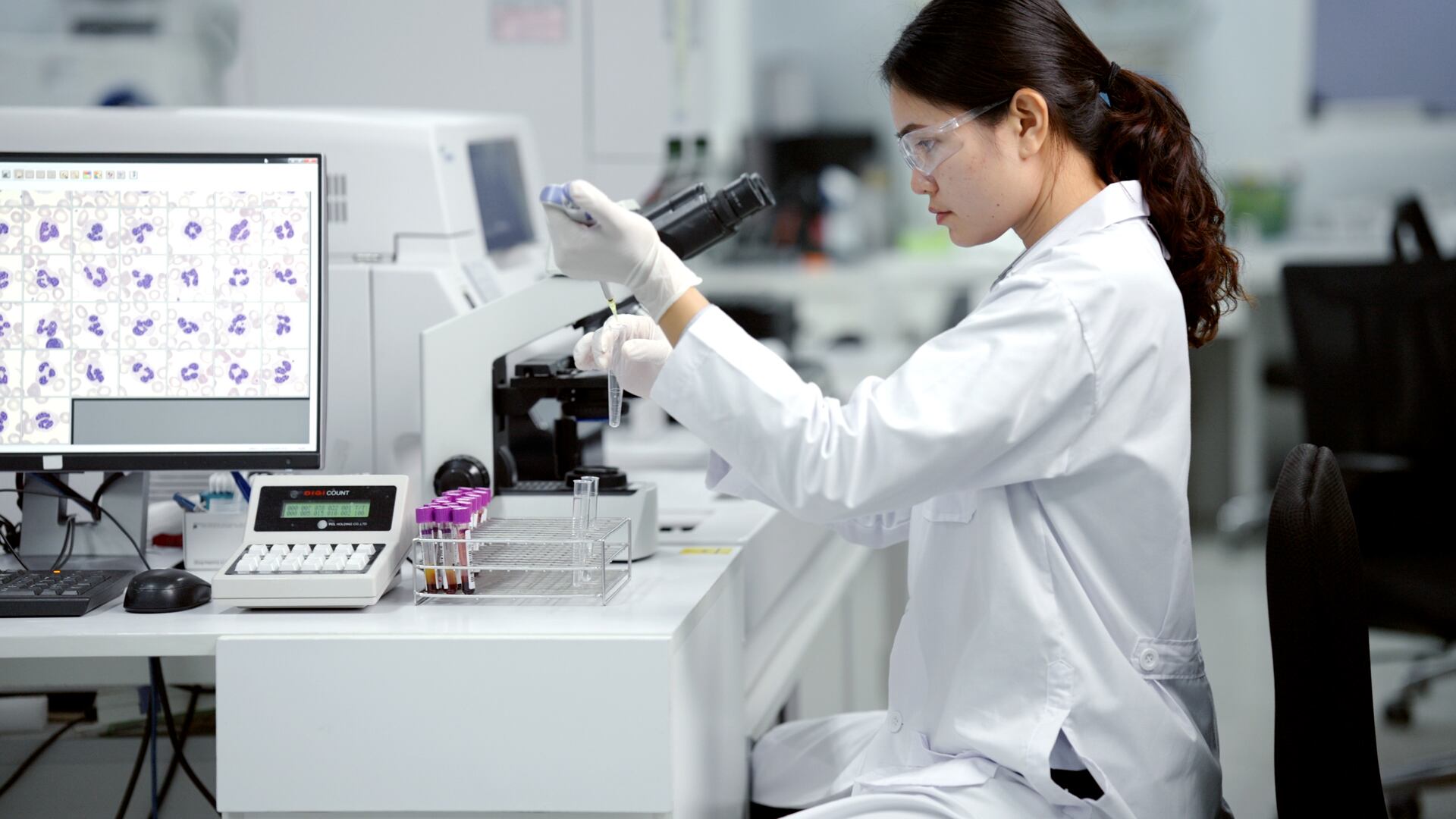
What's being called an unprecedented breakthrough in cancer treatment recently completed a small trial at New York City's Memorial Sloan Kettering in 14 rectal cancer patients. The experimental trial with the drug dostarlimab resulted in 100 percent remission in all candidates, precluding the need for chemotherapy or surgery. Cheddar News anchor Hena Doba dives into this hopeful story.
Join Cheddar News as we break down the top headlines this morning including updates on the Jan. 6 hears, the PGA suspension of 17 of the world's best golfers, and NASA's plans to study UFOs.
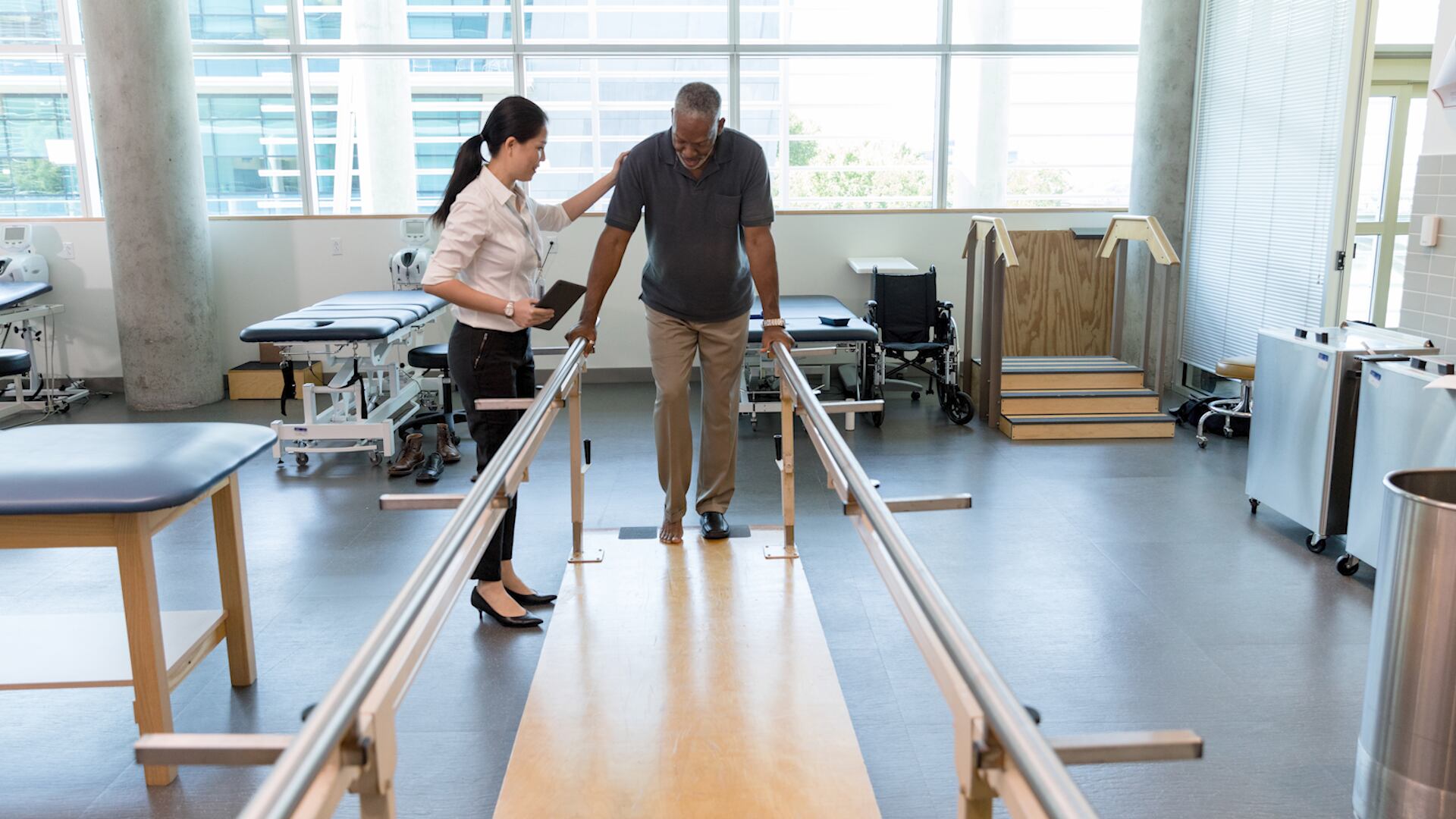
Rick Pauls, President & CEO OF DiaMedica Therapeutics, joins Cheddar Innovates to discuss a new ischemic stroke treatment option that expands the window for effective therapy for stroke patients.