Hanneke Weitering, staff writer at Space.com, discusses Vodafone Germany teaming up with Nokia to bring a 4G network to the moon. The network will allow astronauts to stream HD video back to Earth on an upcoming mission.
Weitering explains there won't be any cellphone towers built on the moon, but the entire network will be in a super portable device no larger than a bag of sugar.
Weitering also discusses the University of Central Florida's decision to take over control of the Arecibo Observatory in Puerto Rico. Many people worried the world's second largest radio telescope would shut down after Hurricane Maria. Weitering says the telescope is an essential piece of tech in the search for extraterrestrial life.
Weitering also tells us that March will be the second month in 2018 to have two full moons in one month. The last time this happened was in 1999 and the next time will be in 2037.
Payam Banazadeh, founder and CEO of Capella Space, joined Cheddar News to discuss the satellite imagery company's latest $60 million funding and what government projects lie ahead.
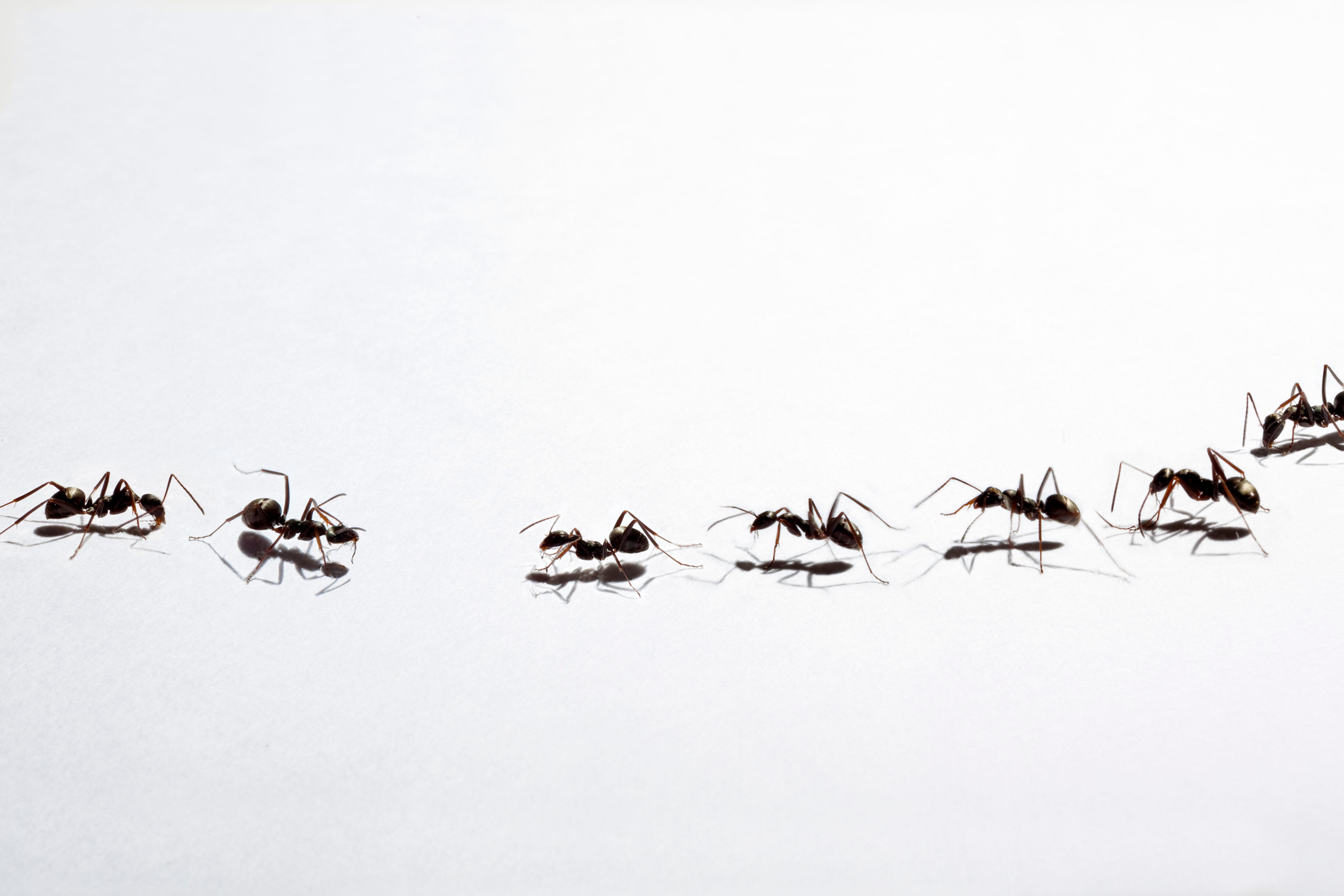
Ants could be the next line of defense against cancer, according to a study.
The Food and Drug Administration is meeting on Thursday to plan a long-term strategy for Covid-19.
A study shows ants could be key to detecting human cancer.
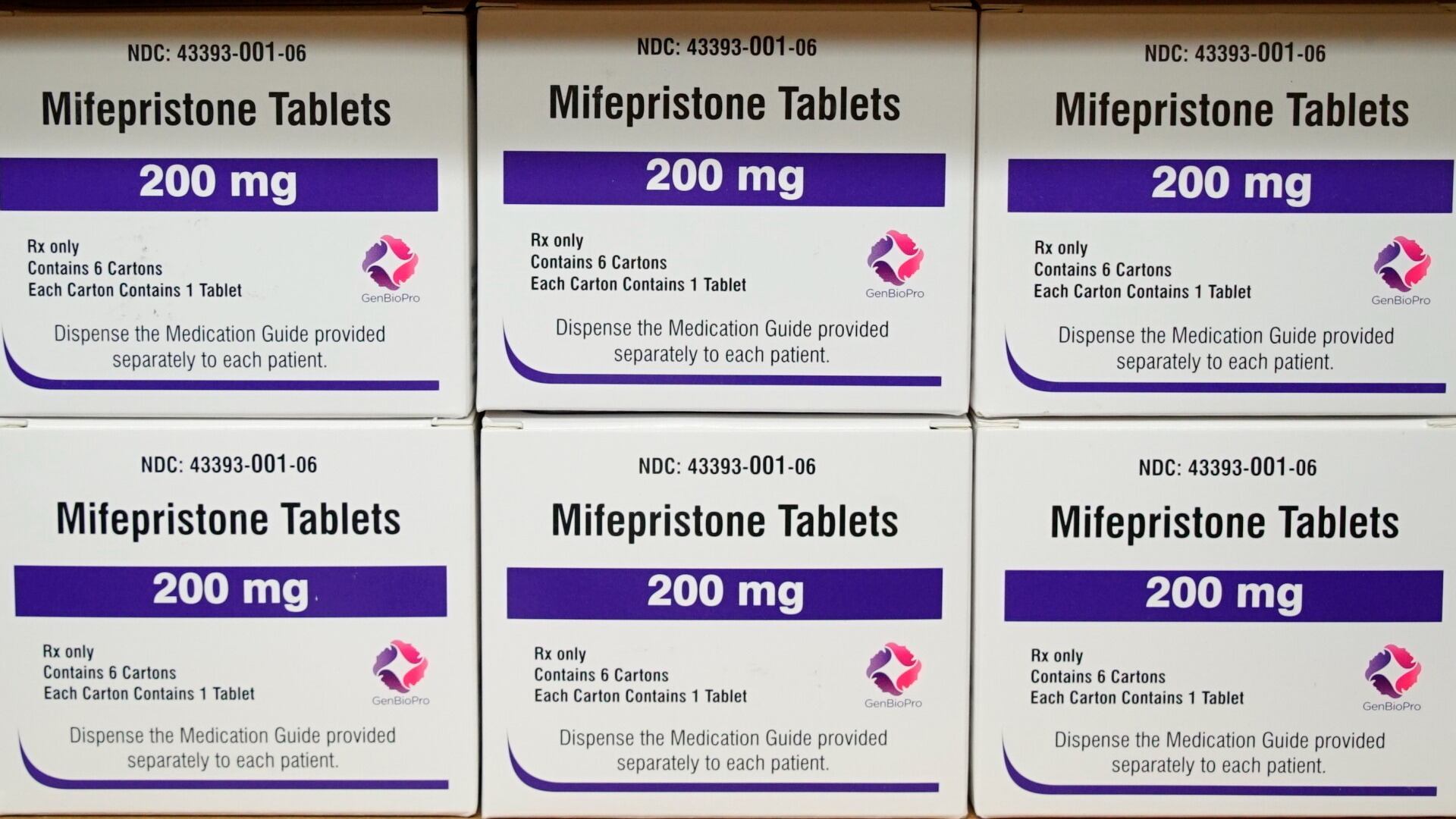
GenBioPro, an abortion pill maker, is suing West Virginia over its abortion ban.
A surge in COVID-19 infections overseas in places like China has prompted the U.S. Centers for Disease and Control to consider testing airplane wastewater for the virus.
A new study shows that ants may be able to detect human cancer with their highly-developed sense of smell.
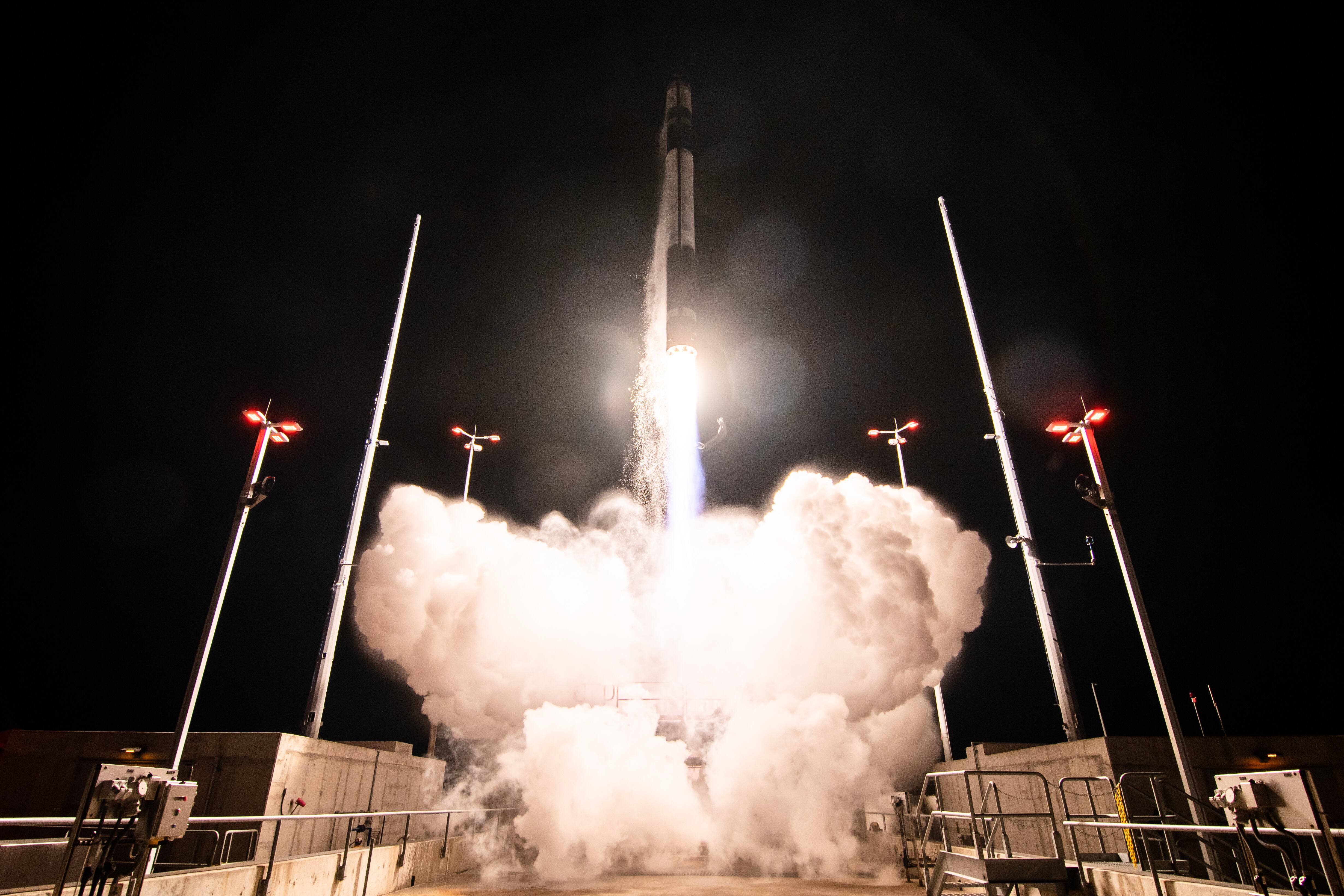
Rocket Lab launched its Electron rocket for its first liftoff from U.S. soil.
New guidance, proposed by the Food and Drug Administration (FDA), seeks to limit levels of the dangerous heavy metal lead in food for babies and toddlers.
Pope Francis, in an interview with the Associated Press, said being gay is not a crime but called it "a sin."