Hanneke Weitering, staff writer at Space.com, discusses Vodafone Germany teaming up with Nokia to bring a 4G network to the moon. The network will allow astronauts to stream HD video back to Earth on an upcoming mission.
Weitering explains there won't be any cellphone towers built on the moon, but the entire network will be in a super portable device no larger than a bag of sugar.
Weitering also discusses the University of Central Florida's decision to take over control of the Arecibo Observatory in Puerto Rico. Many people worried the world's second largest radio telescope would shut down after Hurricane Maria. Weitering says the telescope is an essential piece of tech in the search for extraterrestrial life.
Weitering also tells us that March will be the second month in 2018 to have two full moons in one month. The last time this happened was in 1999 and the next time will be in 2037.
Los Angeles-based FluentPet has developed a series of tiles it claims help four-legged companions communicate with their humans.
The World Health Organization chief says the coronavirus remains a global health emergency.
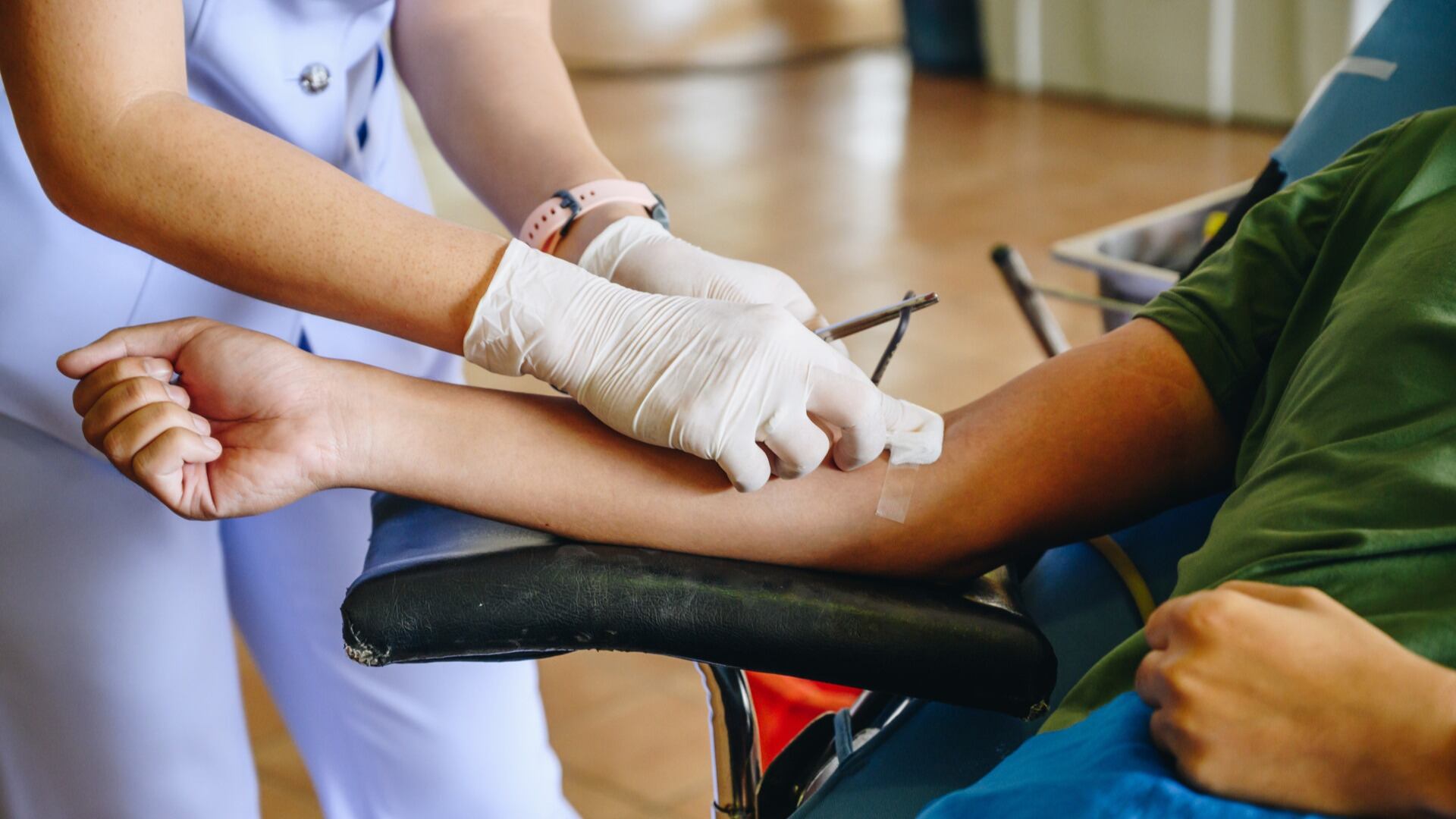
The Food and Drug Administration is changing its policy to make it easier for gay men to donate blood.
Blue Origin is sending an all-female crew into orbit next year, according to The Wall Street Journal.
Jeff Bezos' girlfriend is leading an all-female space mission aboard a Blue Origin spacecraft.
The Food and Drug Administration is raising concerns about the long-term effects of CBD.
CVS and Walmart are cutting back pharmacy hours due to a shortage of pharmacists.
The U.S. plans to make it easier for gay and bisexual men to give blood by easing restrictions on groups that typically face higher risks of HIV.
Five former Memphis police officers were charged with murder in the death of Tyre Nichols, the FDA explores yearly COVID vaccines, and New York City explores electric Uber and Lyft rides. Here is everything you Need2Know for Friday, January 27, 2023.
The Food and Drug Administration is joining an international probe that is taking a closer look at some cough syrups that have killed over 300 children worldwide.