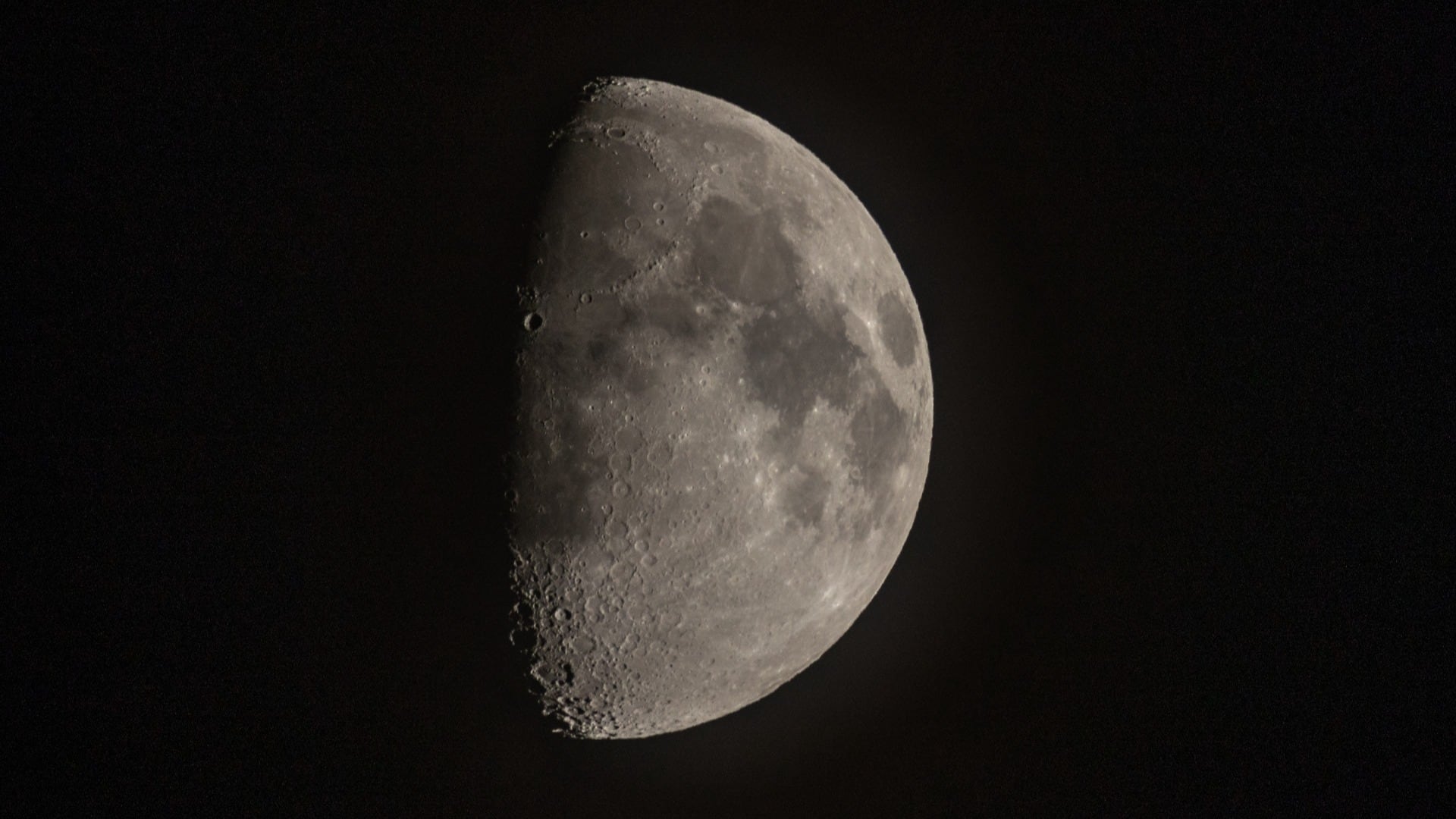
Hanneke Weitering, staff writer at Space.com, discusses Vodafone Germany teaming up with Nokia to bring a 4G network to the moon. The network will allow astronauts to stream HD video back to Earth on an upcoming mission.
Weitering explains there won't be any cellphone towers built on the moon, but the entire network will be in a super portable device no larger than a bag of sugar.
Weitering also discusses the University of Central Florida's decision to take over control of the Arecibo Observatory in Puerto Rico. Many people worried the world's second largest radio telescope would shut down after Hurricane Maria. Weitering says the telescope is an essential piece of tech in the search for extraterrestrial life.
Weitering also tells us that March will be the second month in 2018 to have two full moons in one month. The last time this happened was in 1999 and the next time will be in 2037.
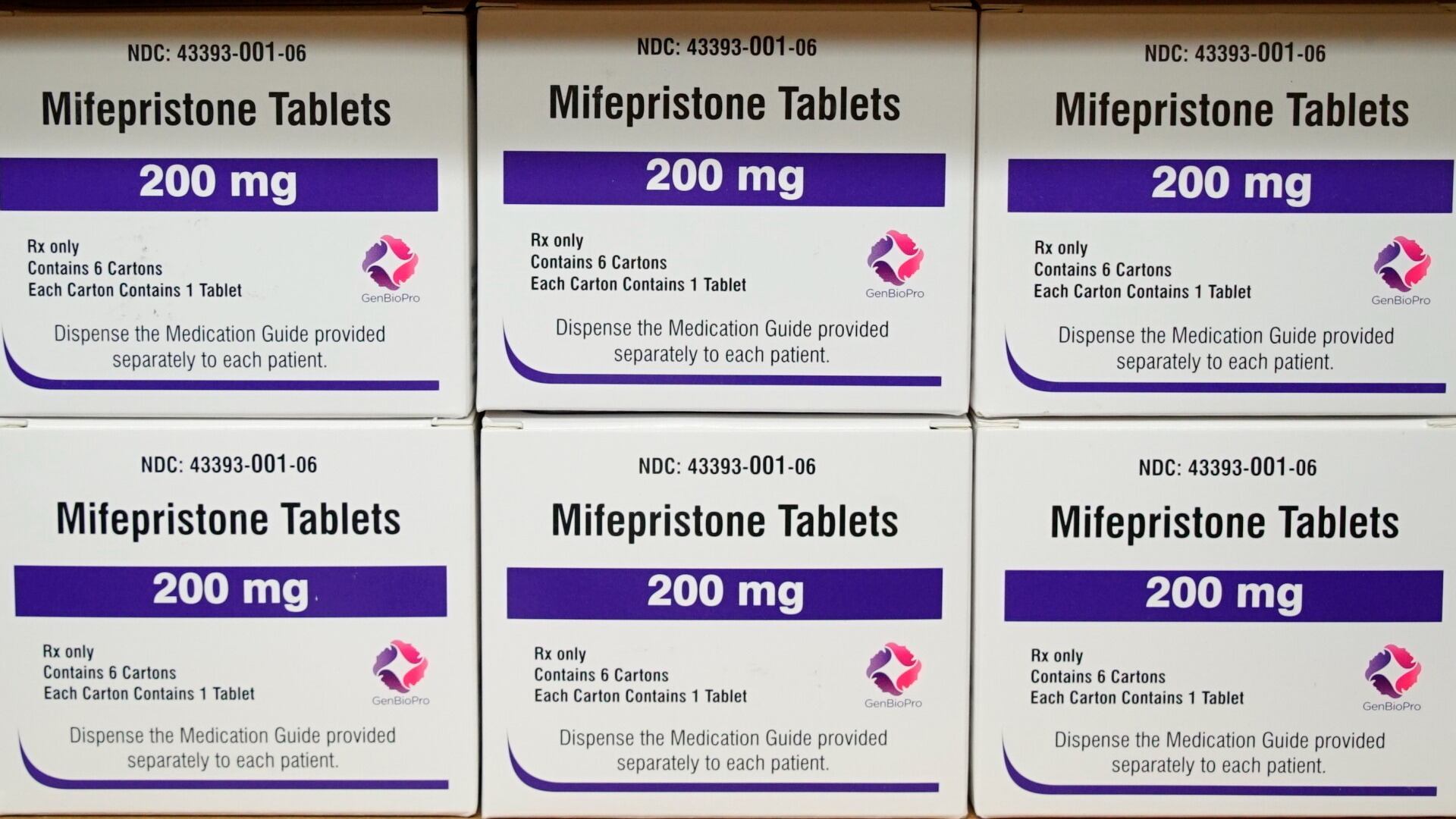
Abortion pills could be difficult to get as a federal judge in Texas is expected to rule as early as today if the FDA's approval of the drug will be overturned.
The Ohio Department of Natural Resources estimated that more than 38,000 minnows died with 5,500 additional species of fish, amphibians, and crayfish also possibly impacted by the toxic spill.
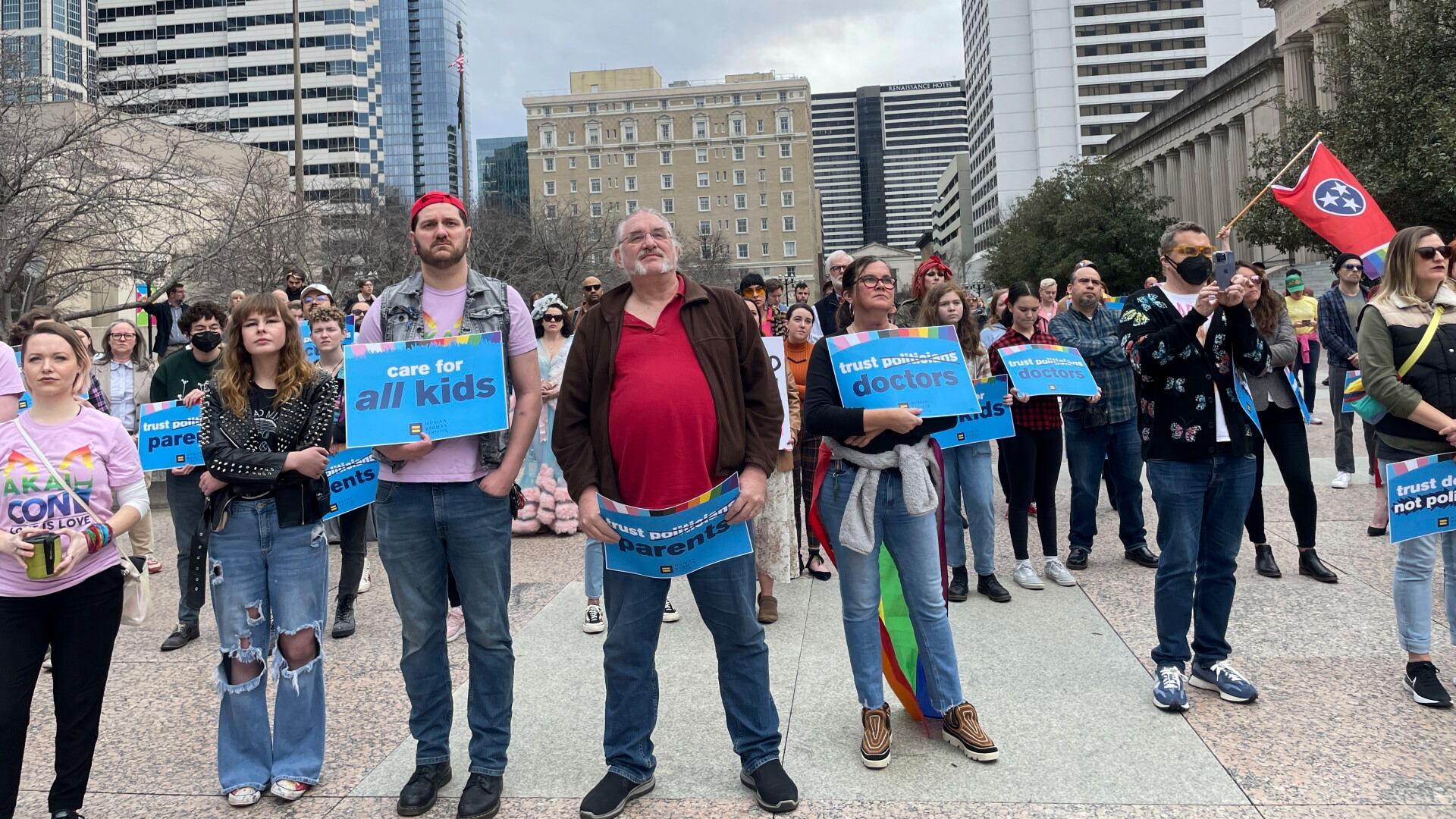
Transgender youth in Tennessee would be banned from receiving gender-affirming care under legislation currently headed to Republican Gov. Bill Lee’s desk.
Plant-based, non-dairy milk producers scored a win when the Food and Drug Administration issued guidance stating products like almond, oat, and soy options can be called milk.