GoDaddy CEO Scott Wagner: New Services, International Market Will Fuel Growth
*By Conor White*
Web hosting company GoDaddy has doubled its revenue in the last five years and seen its stock increase in price by more than 175%. Recently appointed CEO Scott Wagner believes that's only the beginning.
"Today GoDaddy is a useful utility to get your idea started online," Wagner explained. "And our goal over the next five years is to really be the place where ideas start, grow, and thrive online."
Wagner has been at GoDaddy since 2013, serving as CFO and COO before taking over the top spot in January. He'd previously been at investment firm KKR, where he led the portfolio operations team. The firm poured $2.25 billion into GoDaddy back in 2011.
In an interview Wednesday on Cheddar, Wagner mapped out where GoDaddy is headed next and explained why he's so bullish on the future of the company.
"Seven \[million\] of our 18 million customers are from outside the U.S., that will continue nicely," he said. "And it's adding new services ー so connecting not only a tool to build your website to social media platforms.
"We just bought a business called Main Street Hub that'll really be the place where not only can you have an idea and position it on the web, but syndicate that content everywhere you need to be on social media."
GoDaddy reported first-quarter revenue of $633.2 million, up 29% from the year before, and 17.7 million customers, up 17.4%.
For the full segment, [click here.](https://cheddar.com/videos/ceo-of-godaddy-talks-future-plans)
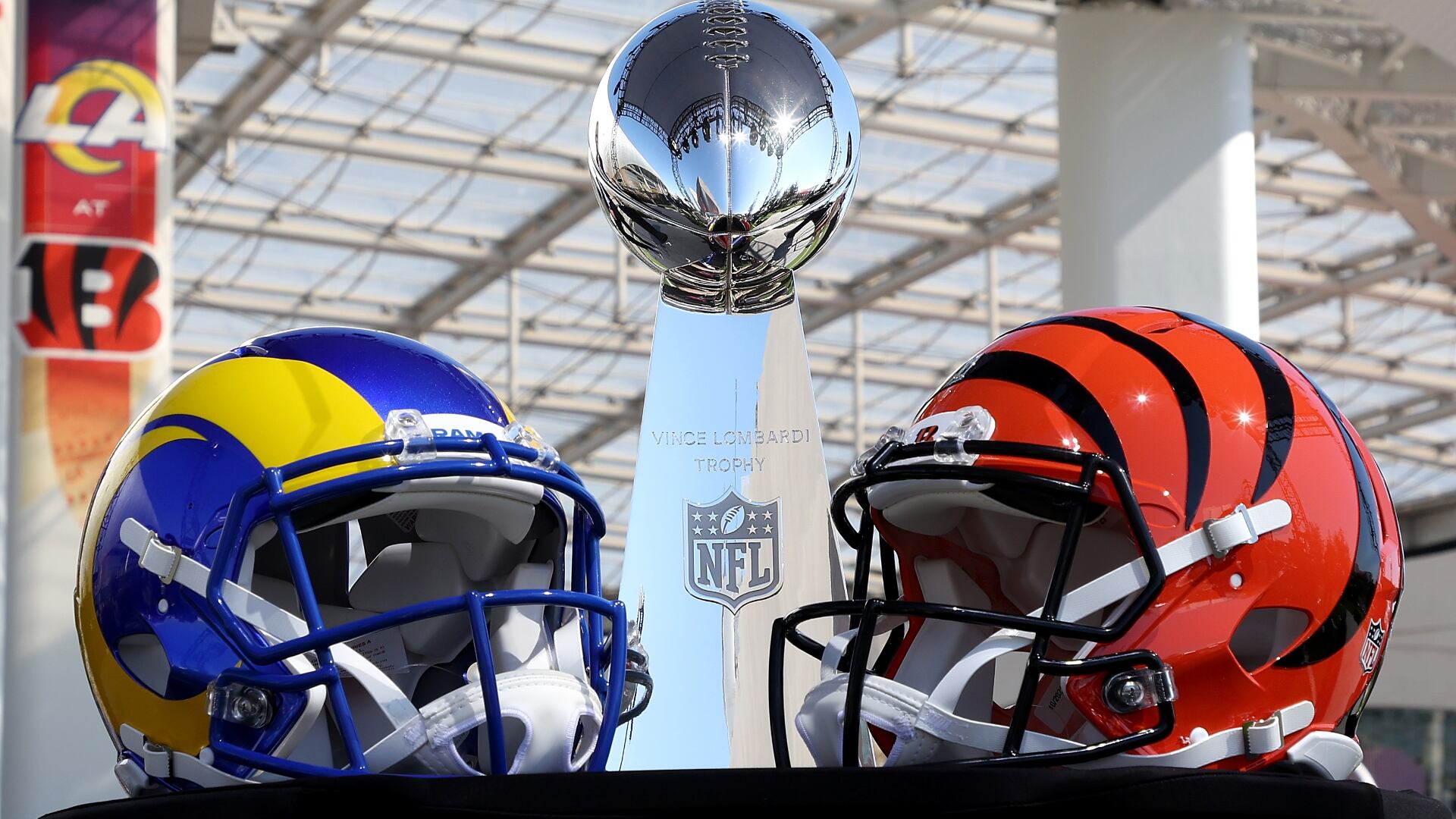
The Super Bowl is only a few days away, and the game is currently tracking to be the most expensive one ever.
Gametime, a website and app for last-minute tickets, says the average ticket price for the NFL's championship game is $9,502.50, with the most expensive seats costing nearly $38,000. That's a far cry away from the average ticket price of the first-ever Super Bowl in 1967, which was only $12. The average ticket price increased by more than $8,000 in just the past decade. Matt Rados, Senior Operations Manager at Gametime, joins Cheddar News' Closing Bell to discuss.
Earlier this week, digital investment advisor Betterment announced that it has hired Makara, a company known for its management of cryptocurrency portfolios. Sarah Levy, CEO of Betterment, joins Cheddar News' Closing Bell, where she explains why crypto represents such a promising long-term play and how her company stands to benefit from this latest move.
At-home medical labs company Getlabs raised $20 million in a Series A round, led by Emerson Collective and the Minderoo Foundation. Getlabs aims to be the boots-on-the-ground partner to telehealth. The company says more than 70% of medical decisions still require collecting diagnostic tests in person, and that it fills that void by delivering health care directly to their patients' homes. Founder & CEO of Getlabs Kyle Michelson joined Cheddar News' Closing Bell to discuss.
The White House laid out plans for a $5 billion investment into a national network of charging stations to ease EV driving anxiety. Bruce Brimacombe, CEO of EV infrastructure GOe3 joined Cheddar News to discuss how much needs to be done for drivers to get over the fear of running out of energy. "People need to be able to do what they're doing now," he said. "But that is the way that if you're going to buy an electric car, you got to feel like you're not changing your world." Brimacombe noted that building out the infrastructure between cities was GOe3's own focus.
U.S. automakers are saying that the blockade of the Ambassador Bridge, a crucial border crossing between the U.S. and Canada, is affecting their production lines. Michelle Krebs of Cox Automotive warns that the disruption "couldn't come at a worst time," amid chip and labor shortages in Detroit.
AND DETROIT-BASED AUTO MAKERS SAY THEY ARE SHUTTING DOWN PLANTS OR SCALING BACK PRODUCTION BECAUSE OF PARTS SHORTAGES.
Sonos reported better than expected Q1 earnings amid chip shortage with the release of its Roam product. CFO Brittany Bagley joined Cheddar News to discuss the smart speaker maker's successful report and its plans to hit its 2024 targets as people leave their homes as pandemic restrictions ease. "Even as people head out in the world, it doesn't mean they don't like to listen to music at home or watch a streaming movie at home," she said. "So there's still a real role for us and our products in peoples lives, sort of, no matter what else they're doing."