In this photo illustration, the American multinational automobile corporation, the General Motors (GM) logo is displayed on a smartphone screen. (Photo Illustration by Budrul Chukrut/SOPA Images/LightRocket via Getty Images)
General Motors is recalling more than 668,000 small SUVs in the U.S. because owners may not be able to hook child seats to the anchors.
The recall covers certain 2020 to 2023 Chevrolet Equinox and GMC Terrain SUVs.
The National Highway Traffic Safety Administration says in documents posted on its website Thursday that the rear-seat lower anchor bars may have had too much powder coating. That could make them too thick and prevent a child seat from being installed.
GM says no crashes or injuries have been reported.
The automaker is asking owners to install child seats using the seat belts until the latches are repaired. Dealers will inspect the anchors and replace the finish if necessary.
Owners will be notified by letter starting June 26.
If you're shopping on Amazon and want to save even more money after Prime Day, Cheddar News has got you covered. Senior reporter Michelle Castillo talked to the experts at the company to find out how you can keep an eye on deals and even get cash back on your household purchases.
Did you happen to watch the series The Bear? The show follows a struggling small business owner in Chicago who is trying to save his business. It's a story a lot of small business owners in the U.S. can relate to. To help out these struggling entrepreneurs, Cheddar News brought on an expert here to help take your company from stressful to successful.
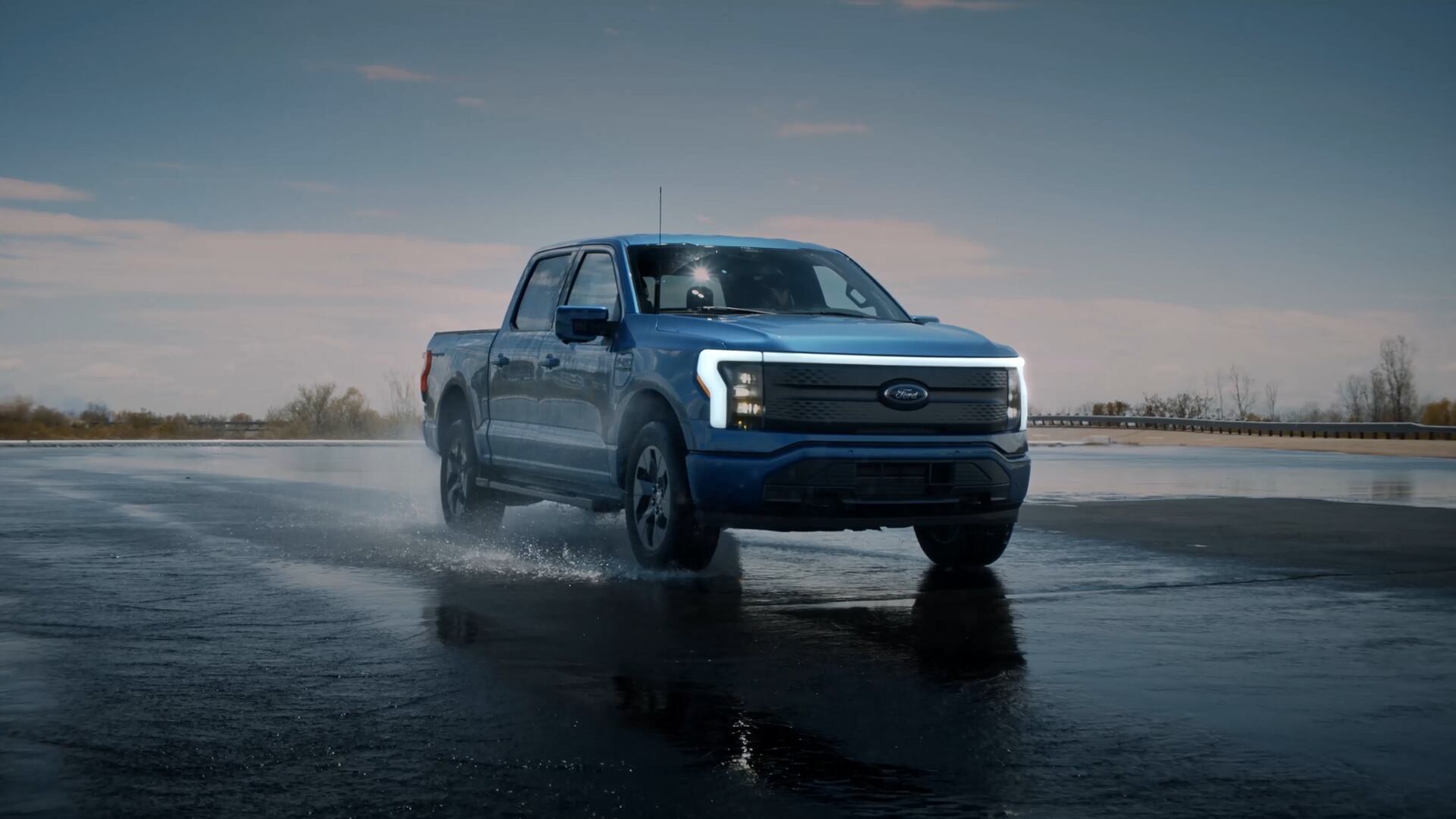
The sticker prices for Ford's F-150 Lightning electric pickup trucks are being lowered by thousands of dollars across the board, the company said Monday, due to increased plant capacity, falling costs for battery raw materials and internal efforts to scale production by the Detroit automaker.
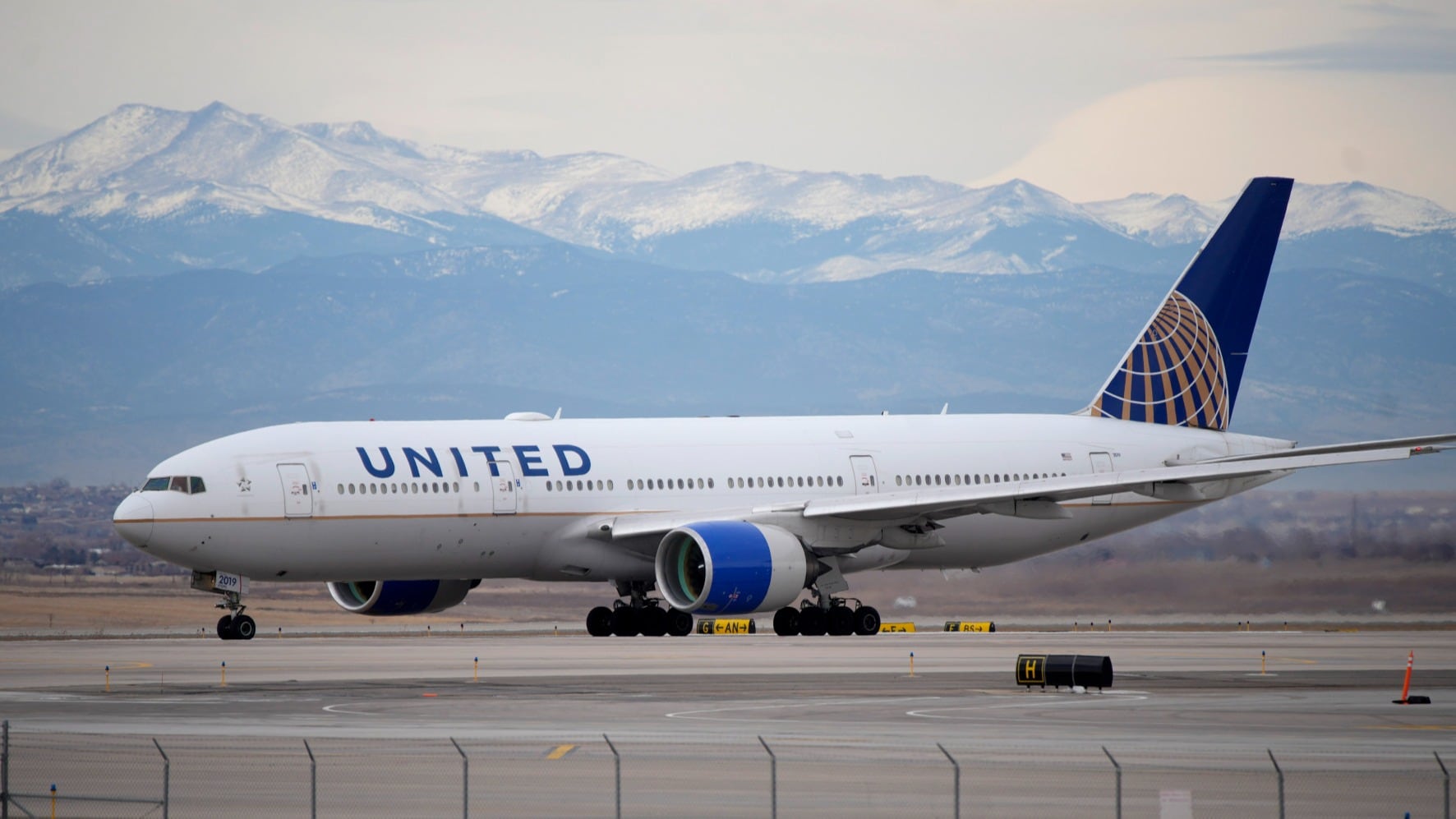
United Airlines and the union representing its pilots said Saturday they reached agreement on a contract that will raise pilot pay by up to 40% over four years.
The court’s ruling applies to higher education institutions and other entities that receive federal funding and doesn’t directly change private employer obligations, but business leaders might pull back diversity, equity and inclusion programs to avoid lawsuits.