The "majority" of General Motors' salaried workforce and some executives have received buyout offers. The company said it's trying to cut costs to invest more in electric vehicles.
The company currently has 58,000 salaried employees in the U.S. The buyouts will target workers who have been with the company for at least five years and executives who have worked at the company for at least two years.
As part of the buyouts, workers will get one month of pay for every year of service up to 12 months. COBRA health benefits are also included. Workers will have to decide if they will sign the buyout by March 24, which will put them on track to leave the company by June 30.
GM previously said it planned to make $2 billion in cost cuts in 2023 as part of its EV transition, which has required shifting resources from its legacy auto business to new pursuits.
It also said during its most recent earnings report that it would strategically leave open some positions that were lost due to attrition.
The federal tax collector said Monday that roughly 940,000 people in the U.S. have until May 17 to submit tax returns for unclaimed refunds for tax year 2020, which total more than $1 billion nationwide.
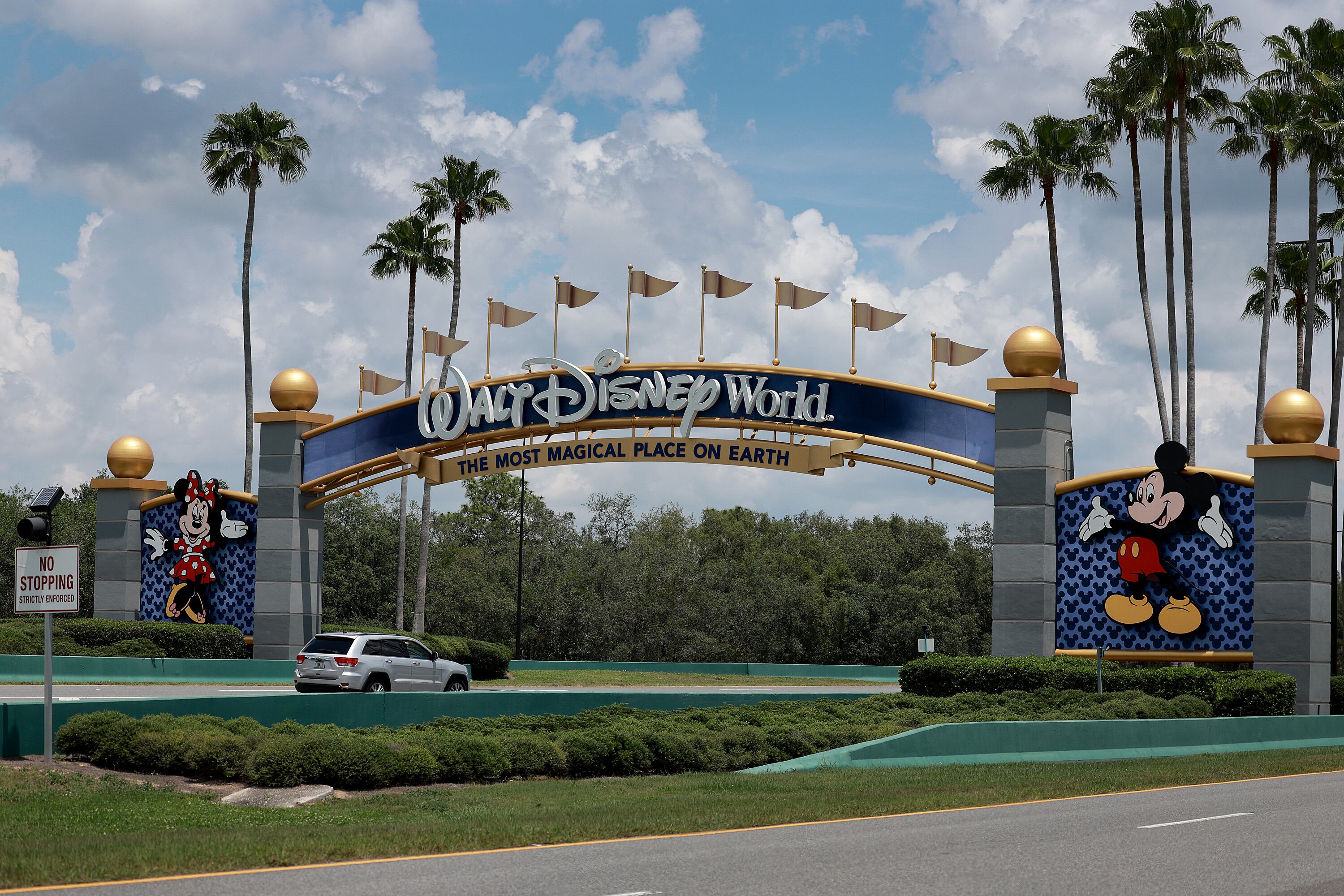
Allies of Florida Gov. Ron DeSantis and Disney have reached a settlement agreement in a state court fight over how Walt Disney World is developed in the future.
Ahead of the WNBA season and in the midst of March Madness, New York Liberty CEO Keia Clarke discusses the team’s new deal with Barclays and bringing even more attention to women’s sports.
U.S. Nissan head Jérémie Papin joins from the New York International Auto Show to give a preview of what’s to come from the carmaker – including the 2025 Nissan Kicks.
Ed Mitzen, the CEO of Business for Good, explains how and why he’s giving back by funding businesses from marginalized entrepreneurs to push social change.
Dana D’Auria, co-CIO at Envestnet, breaks down how she’s expecting markets to perform as ‘cracks’ from the rate hike cycle slowly filter into the economy.
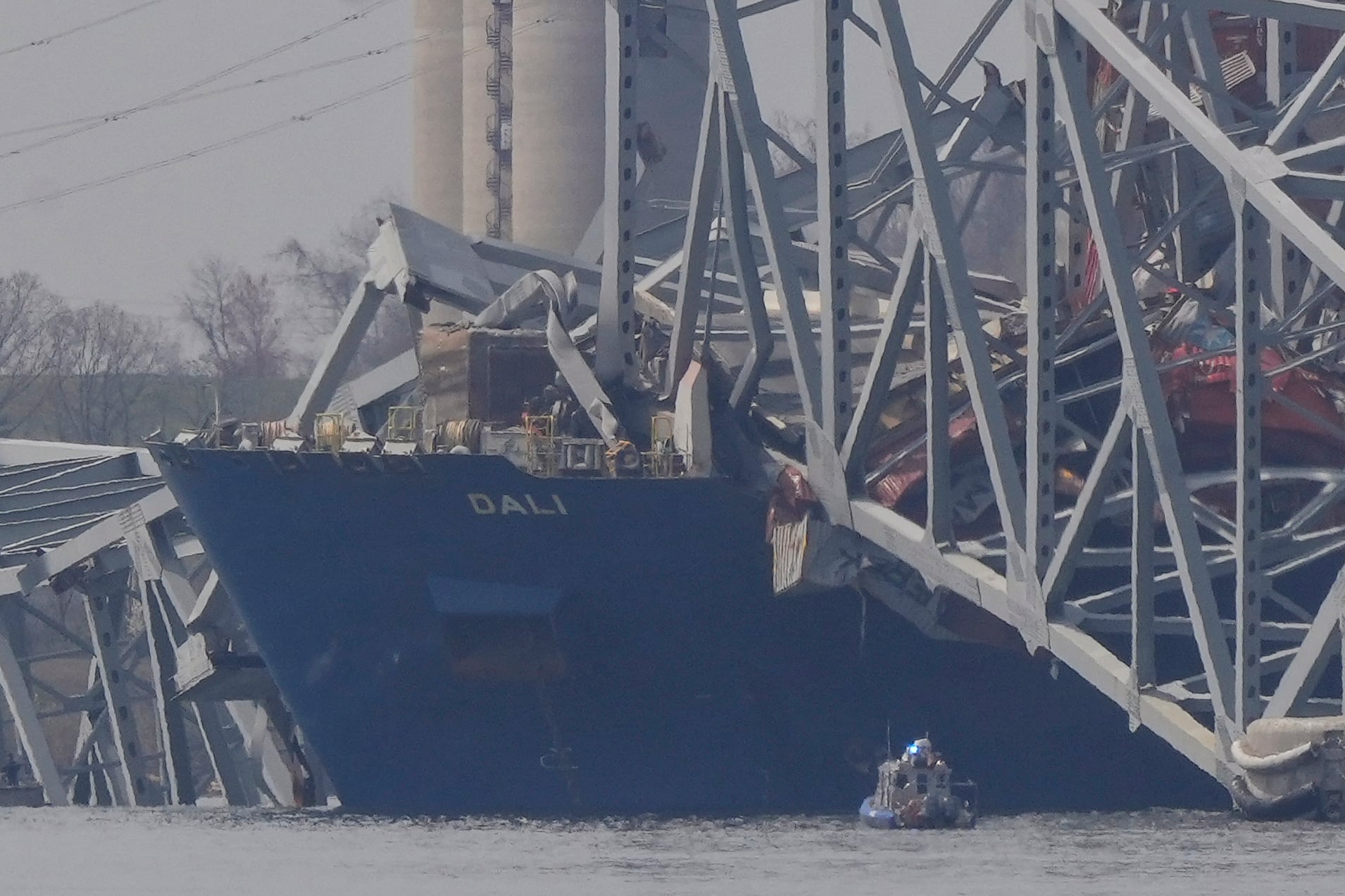
A large cargo ship lost power and issued a mayday call moments before it struck the Francis Scott Key Bridge early Tuesday, though it was still moving toward the span at a rapid speed.