Rep. Dingell: The Left and Right Agree GM Is 'the Worst Corporation in this Country'
*By Justin Chermol and Carlo Versano*
When General Motors announced a major restructuring that would result in mass layoffs and plant closures, the American automaker managed to do what few others have: unite the left and right in anger and disappointment.
Rep. Debbie Dingell (D-MI) represents a suburban Detroit district that will be affected by the reductions. She told Cheddar in an interview Wednesday that she was surprised by the timing, given that the auto industry is cyclical. Both Democrats and Republicans think "they are the worst corporation in this country."
"They have no fans right now," she said.
GM's newest strategy is twofold: the company is shrinking its sedan footprint in response to market conditions and consumer tastes, as well as investing in an electric, self-driving future it's terming "Zero Crashes, Zero Emissions, Zero Congestion."
Ford ($F), GM's main American rival, announced in April that it will scale about 90 percent of its auto production to trucks, utilities, and commercial vehicles by 2020. The company went on to explain that it would discontinue four of its sedan models and invest more in autonomous technology.
Back in June, in a cautionary note, GM [wrote](https://assets.bwbx.io/documents/users/iqjWHBFdfxIU/rJBrNbApznVU/v0) to the Department of Commerce, warning increased tariffs could lead to a "smaller GM."
Despite its foresight, GM didn't cite tariffs as a reason for the layoffs in its statement Monday. Instead, CEO Mary Barra said almost the opposite ー that the economy was so strong that it would be preferable to make changes now rather than trying to restructure during a slowdown. Automakers learned that lesson the hard way during the financial crisis.
Dingell said that while she indicated to President Trump that she would support a "NAFTA 2.0" trade bill, she has changed her mind in the wake of GM's restructuring.
"I will not support a trade bill that lets that company put any more jobs in Mexico," she said. "We need to keep those jobs here in the United States."
After the announcement, [President Trump](https://twitter.com/realDonaldTrump/status/1067494680416407552) and Prime Minister [Justin Trudeau](https://twitter.com/JustinTrudeau/status/1067082236686753792?ref_src=twsrc%5Etfw%7Ctwcamp%5Etweetembed%7Ctwterm%5E1067082236686753792&ref_url=https%3A%2F%2Fwww.cnn.com%2F2018%2F11%2F26%2Fbusiness%2Fgm-oshawa-plant%2Findex.html) both took to Twitter to call reductions in the U.S. and Canada a massive "disappointment." Since then, the two leaders have spoken on the phone to discuss the issue.
While pundits and industry analysts debate whether the era of the personally-owned car is coming to an end ー and perhaps where American automakers fall in the new mobility hierarchy ー the effects of GM's decisions will still weigh heavily on local communities that depend on it as the anchor business. And that, in turn, makes it a political issue for the president. President Trump dispatched his chief economic adviser Larry Kudlow to meet with Barra.
As for the future of the auto-industry, Rep. Dingell said she understands the harsh realities her constituents are facing: "It's no longer a car industry, its a mobility industry. And the mobility industry is changing."
"The model is going to change but you are still going to be building vehicles and there will be new jobs," she said.
Krutika Amin, associate director at the Kaiser Family Foundation for the Program on the Affordable Care Act, joins Cheddar Politics to discuss the Biden administration's plan to fix the so-called 'family glitch' in the Affordable Care Act preventing millions of Americans from accessing government-subsidized health plan.
Abdallah Fayyad, opinion writer at the Boston Globe, joins Cheddar Politics to discuss the House's vote to hold former Trump aides Dan Scavino and Peter Navarro in contempt of Congress and send the recommendation to the Department of Justice. Fayyad also weighs in on the pressure facing Attorney General Merrick Garland to be more aggressive in prosecuting the January 6 case.
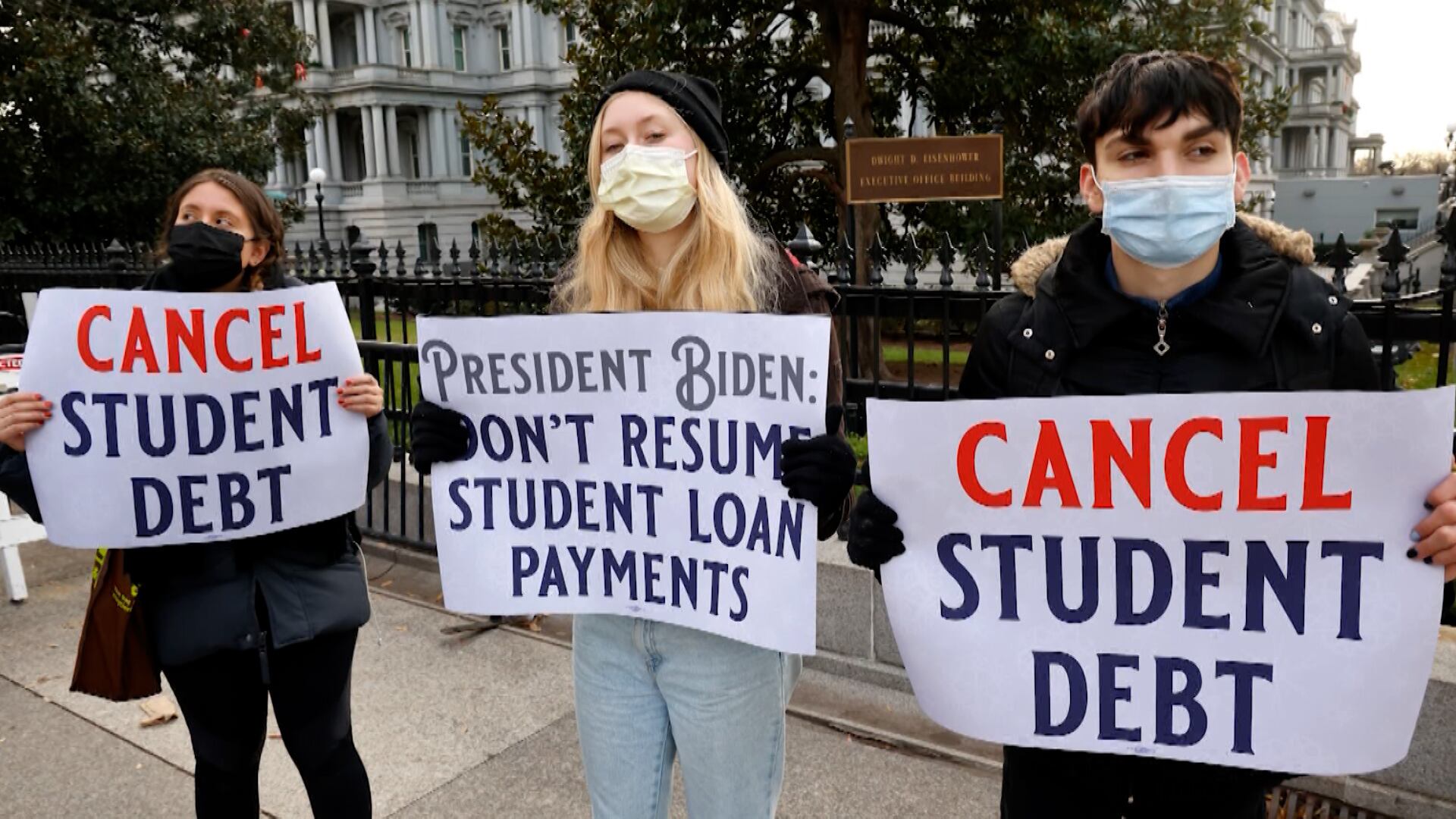
Those paying back federal student loans are getting a few extra months of relief. President Biden just announced another extension of the pandemic relief program allowing millions of borrowers to freeze their student loan payments. The pause began in March 2020 and it has been extended six times. Tomas Campos, co-founder and CEO of Spinwheel, joins Cheddar News to discuss.
There has been notable disagreement in the medical community about a fourth COVID-19 vaccine dose. The FDA last week authorized a second booster dose for older and immunocompromised individuals, as some agency officials did not support the idea. The FDA made the decision without meeting with its advisory committee, as it had ahead of its recommendations on the previous COVID-19 vaccine doses.
The CDC followed in the footsteps of the FDA and authorized a fourth dose as well. Reports say the agency also did not discuss the move with its own advisory team of vaccine experts. Now, a growing number of doctors are speaking out against the decisions - leaving people confused about whether they should get another vaccine dose. Dr. Julie Morita, a member of the CDC's advisory committee to the director, and the executive vice president of the Robert Wood Johnson Foundation, joins Cheddar News' Closing Bell to discuss.
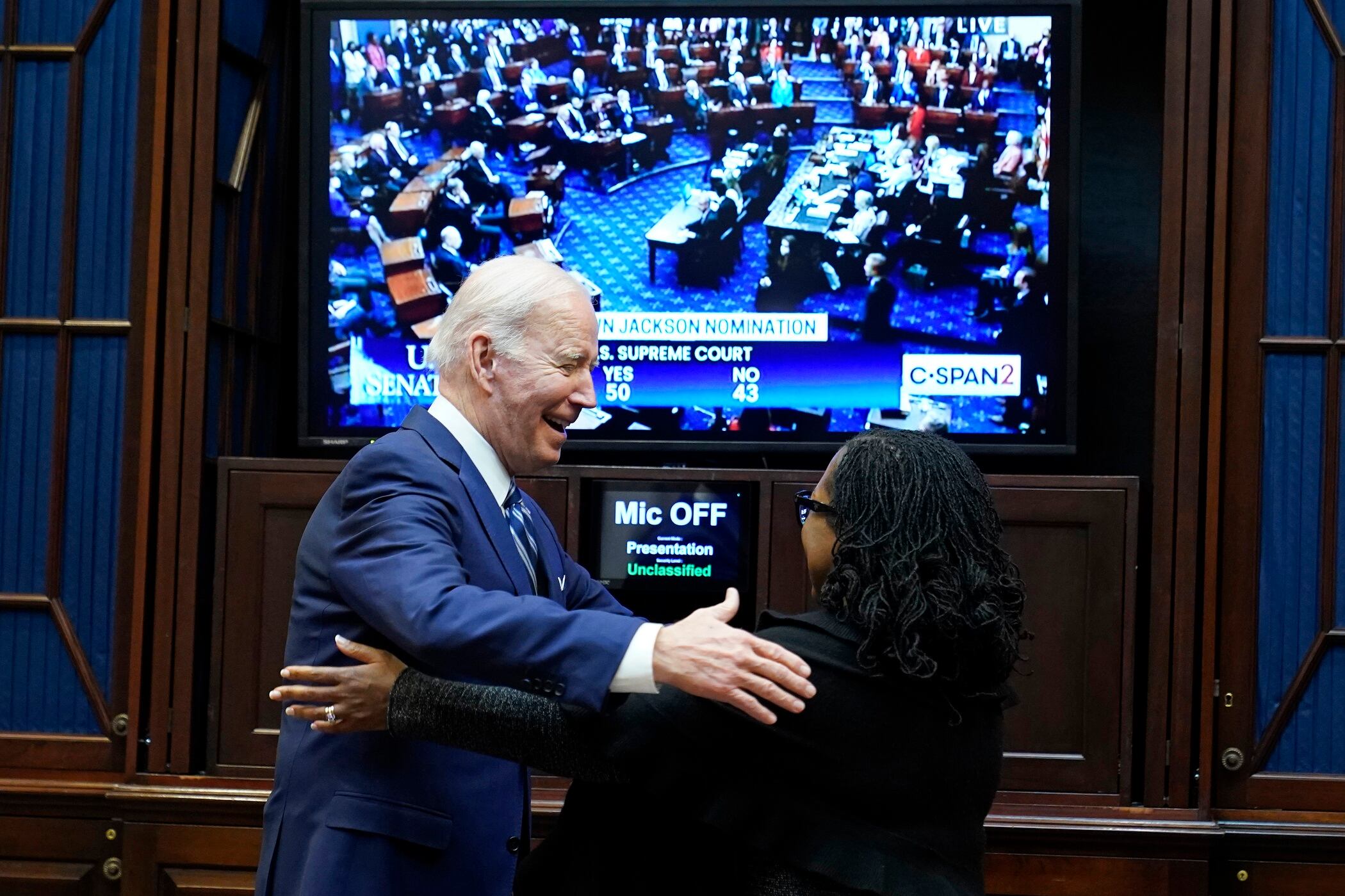
The Senate has confirmed Ketanji Brown Jackson to the Supreme Court, shattering a historic barrier by securing her place as the first Black female justice and giving President Joe Biden a bipartisan endorsement for his effort to diversify the court
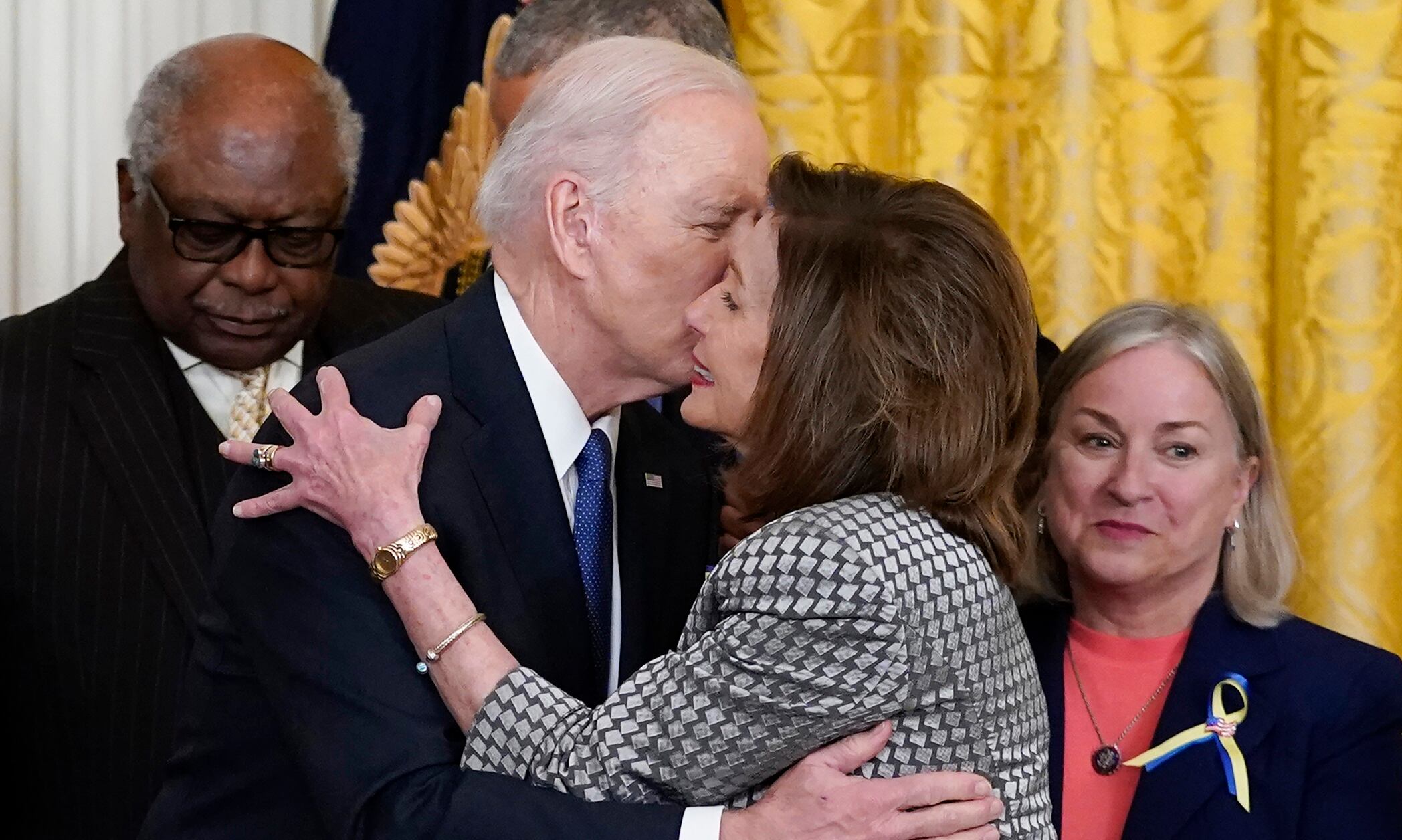
House Speaker Nancy Pelosi has tested positive for COVID-19, her spokesman says. That's a day after the 82-year-old Democratic leader appeared unmasked at a White House event with President Joe Biden.
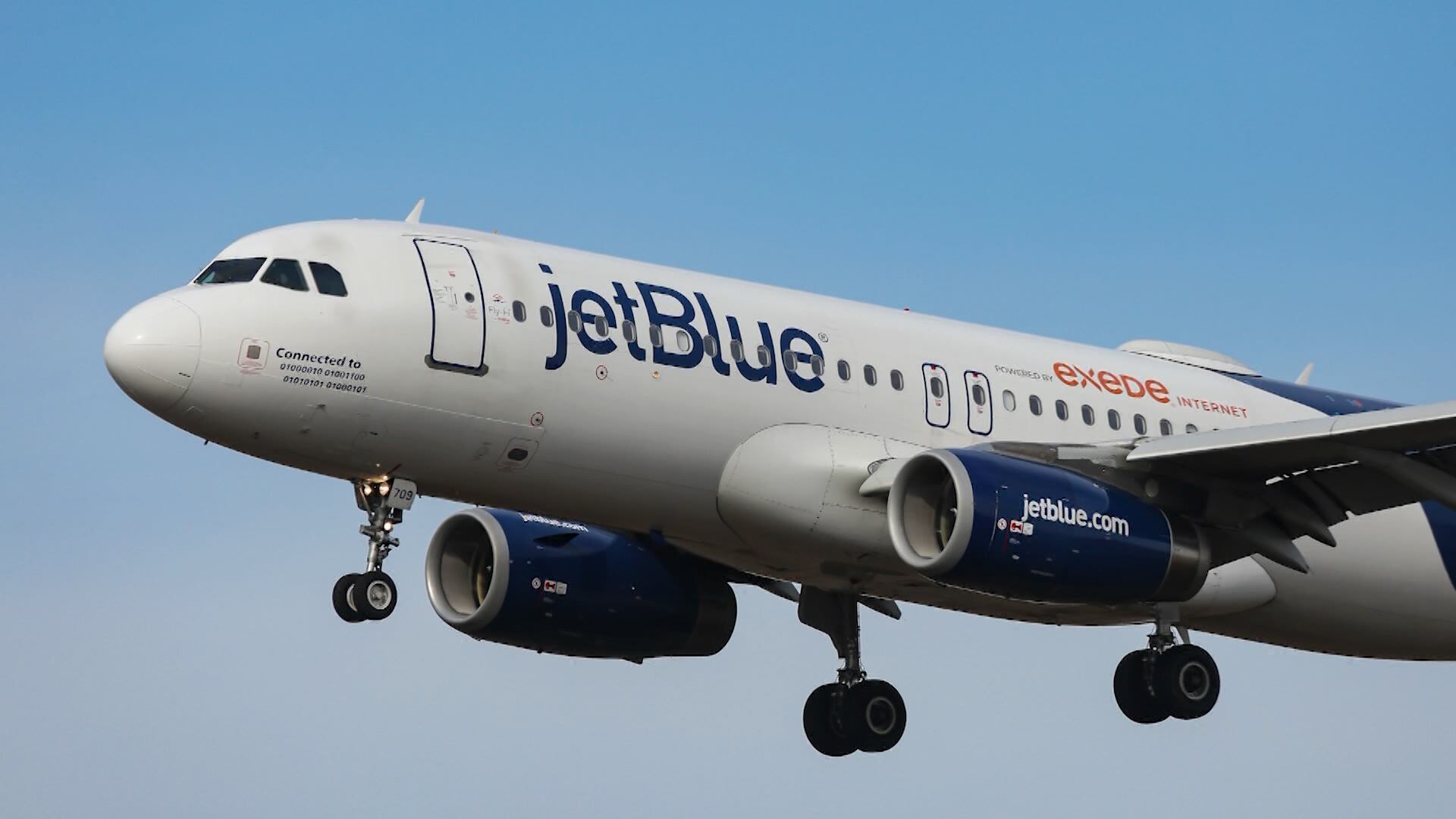
JetBlue made an unsolicited offer to buy low-cost carrier Spirit Airlines, potentially jeopardizing the original offer from Frontier Airlines. Several analysts sounding the alarm on JetBlue's proposed $3.6 billion merger, saying the deal doesn't quite make sense. Jim Corridore, Senior Insights Manager at Similarweb joined Cheddar's Opening Bell to discuss.
The Biden administration is once again extending the pause on federal student loans payments — this time, through the end of August. In a statement, President Biden cited a recent analysis from the Fed that if the payments were to resume, millions of student loan borrowers would face significant "economic hardship, delinquencies, and defaults that could threaten America's financial stability." Sarah Foster, an analyst at Bankrate, breaks down the impact of the extension on borrowers, the economy, and the future of student loan forgiveness. "I think this is just an instance of the federal student loan forbearance program kind of creating additional uncertainty for borrowers, especially in the sense that these past four extensions from the Biden administration have kind of come at the 11th hour here," she said.