Rep. Dingell: The Left and Right Agree GM Is 'the Worst Corporation in this Country'
*By Justin Chermol and Carlo Versano*
When General Motors announced a major restructuring that would result in mass layoffs and plant closures, the American automaker managed to do what few others have: unite the left and right in anger and disappointment.
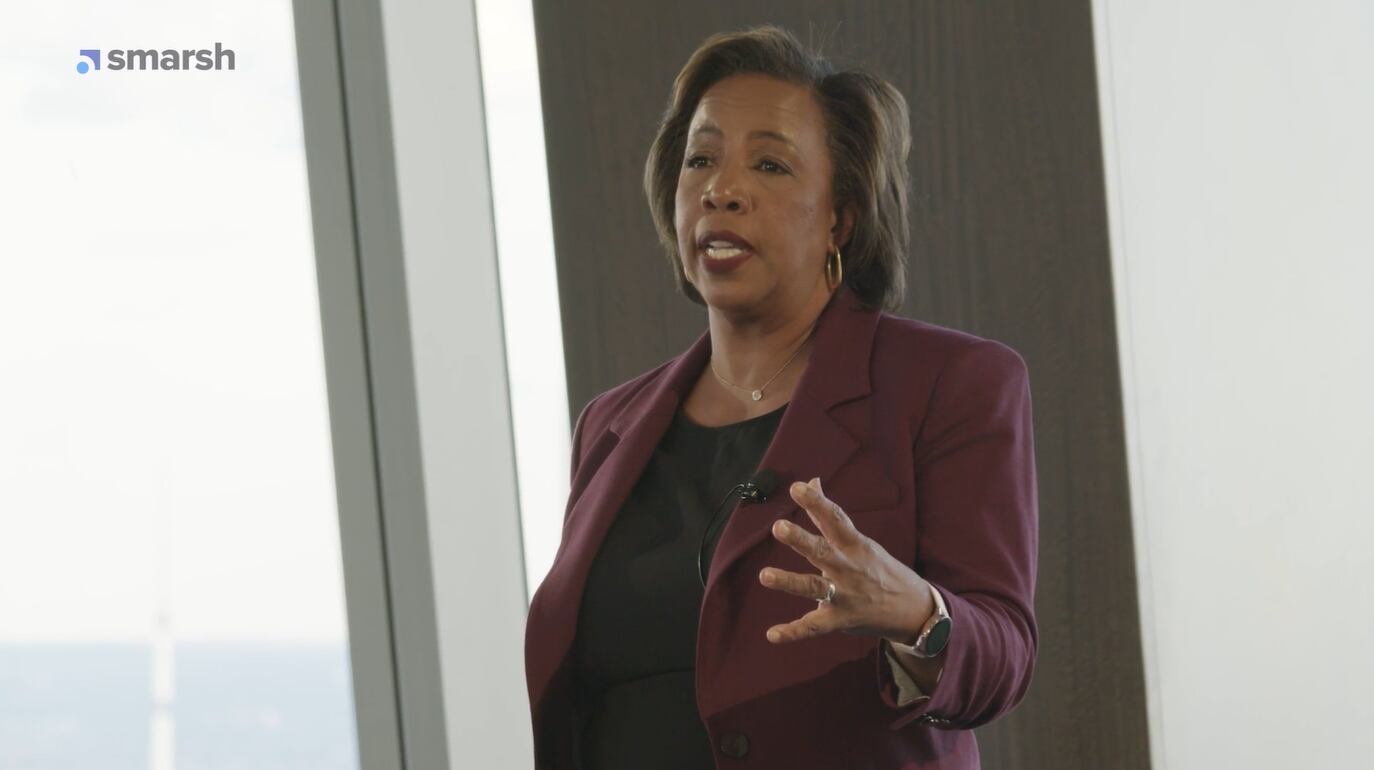
Rep. Debbie Dingell (D-MI) represents a suburban Detroit district that will be affected by the reductions. She told Cheddar in an interview Wednesday that she was surprised by the timing, given that the auto industry is cyclical. Both Democrats and Republicans think "they are the worst corporation in this country."
"They have no fans right now," she said.
GM's newest strategy is twofold: the company is shrinking its sedan footprint in response to market conditions and consumer tastes, as well as investing in an electric, self-driving future it's terming "Zero Crashes, Zero Emissions, Zero Congestion."
Ford ($F), GM's main American rival, announced in April that it will scale about 90 percent of its auto production to trucks, utilities, and commercial vehicles by 2020. The company went on to explain that it would discontinue four of its sedan models and invest more in autonomous technology.
Back in June, in a cautionary note, GM [wrote](https://assets.bwbx.io/documents/users/iqjWHBFdfxIU/rJBrNbApznVU/v0) to the Department of Commerce, warning increased tariffs could lead to a "smaller GM."
Despite its foresight, GM didn't cite tariffs as a reason for the layoffs in its statement Monday. Instead, CEO Mary Barra said almost the opposite ー that the economy was so strong that it would be preferable to make changes now rather than trying to restructure during a slowdown. Automakers learned that lesson the hard way during the financial crisis.
Dingell said that while she indicated to President Trump that she would support a "NAFTA 2.0" trade bill, she has changed her mind in the wake of GM's restructuring.
"I will not support a trade bill that lets that company put any more jobs in Mexico," she said. "We need to keep those jobs here in the United States."
After the announcement, [President Trump](https://twitter.com/realDonaldTrump/status/1067494680416407552) and Prime Minister [Justin Trudeau](https://twitter.com/JustinTrudeau/status/1067082236686753792?ref_src=twsrc%5Etfw%7Ctwcamp%5Etweetembed%7Ctwterm%5E1067082236686753792&ref_url=https%3A%2F%2Fwww.cnn.com%2F2018%2F11%2F26%2Fbusiness%2Fgm-oshawa-plant%2Findex.html) both took to Twitter to call reductions in the U.S. and Canada a massive "disappointment." Since then, the two leaders have spoken on the phone to discuss the issue.
While pundits and industry analysts debate whether the era of the personally-owned car is coming to an end ー and perhaps where American automakers fall in the new mobility hierarchy ー the effects of GM's decisions will still weigh heavily on local communities that depend on it as the anchor business. And that, in turn, makes it a political issue for the president. President Trump dispatched his chief economic adviser Larry Kudlow to meet with Barra.
As for the future of the auto-industry, Rep. Dingell said she understands the harsh realities her constituents are facing: "It's no longer a car industry, its a mobility industry. And the mobility industry is changing."
"The model is going to change but you are still going to be building vehicles and there will be new jobs," she said.
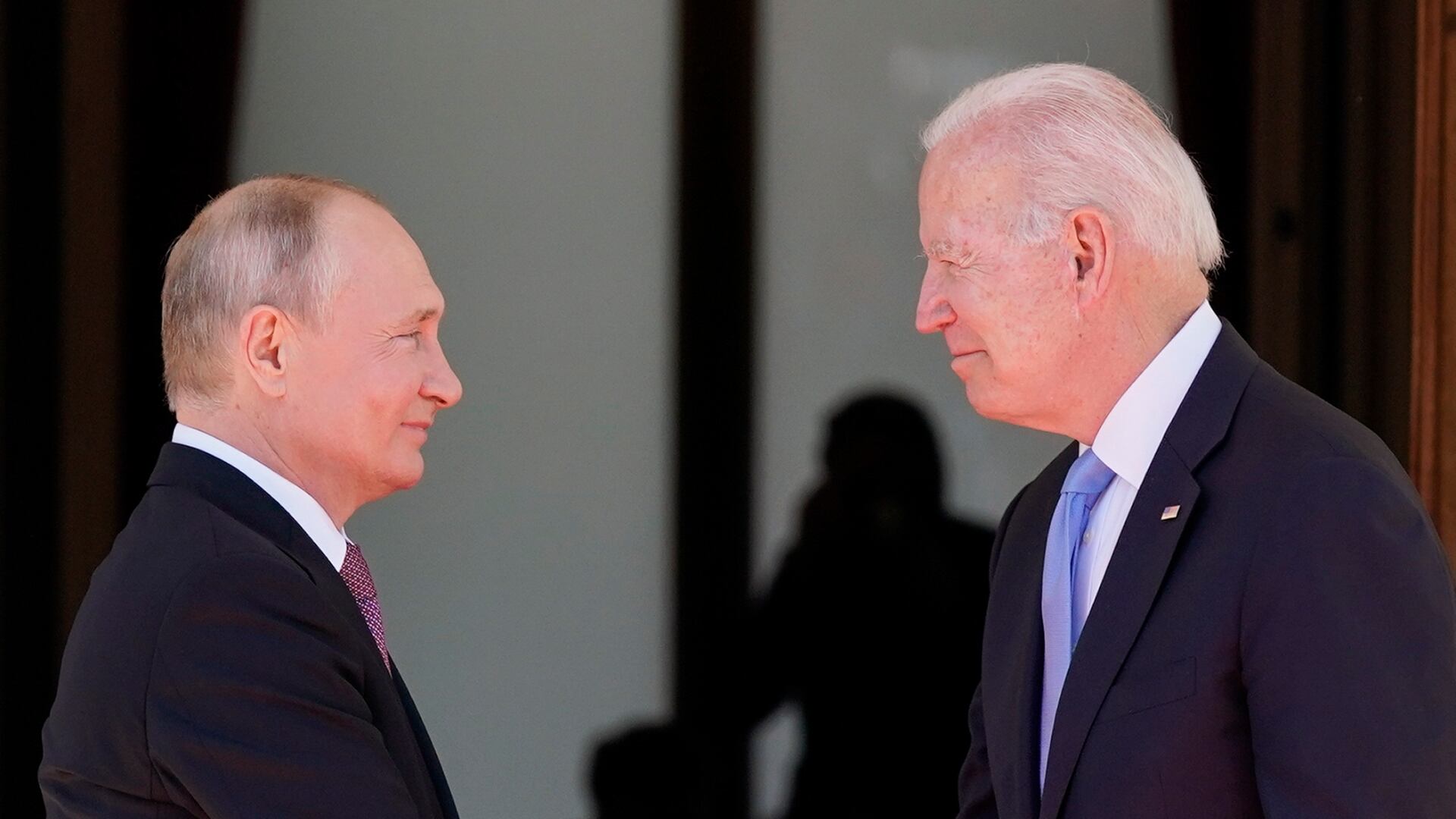
Face to face for just over two hours, President Joe Biden and Russia’s Vladimir Putin squared off in a secure video call Tuesday as the U.S. president put Moscow on notice that an invasion of Ukraine would bring enormous harm to the Russian economy.
Ahead of Instagram head Adam Mosseri's congressional hearing on the mental impact of the social platform on teens, the company announced a number of updates aimed at teen safety.
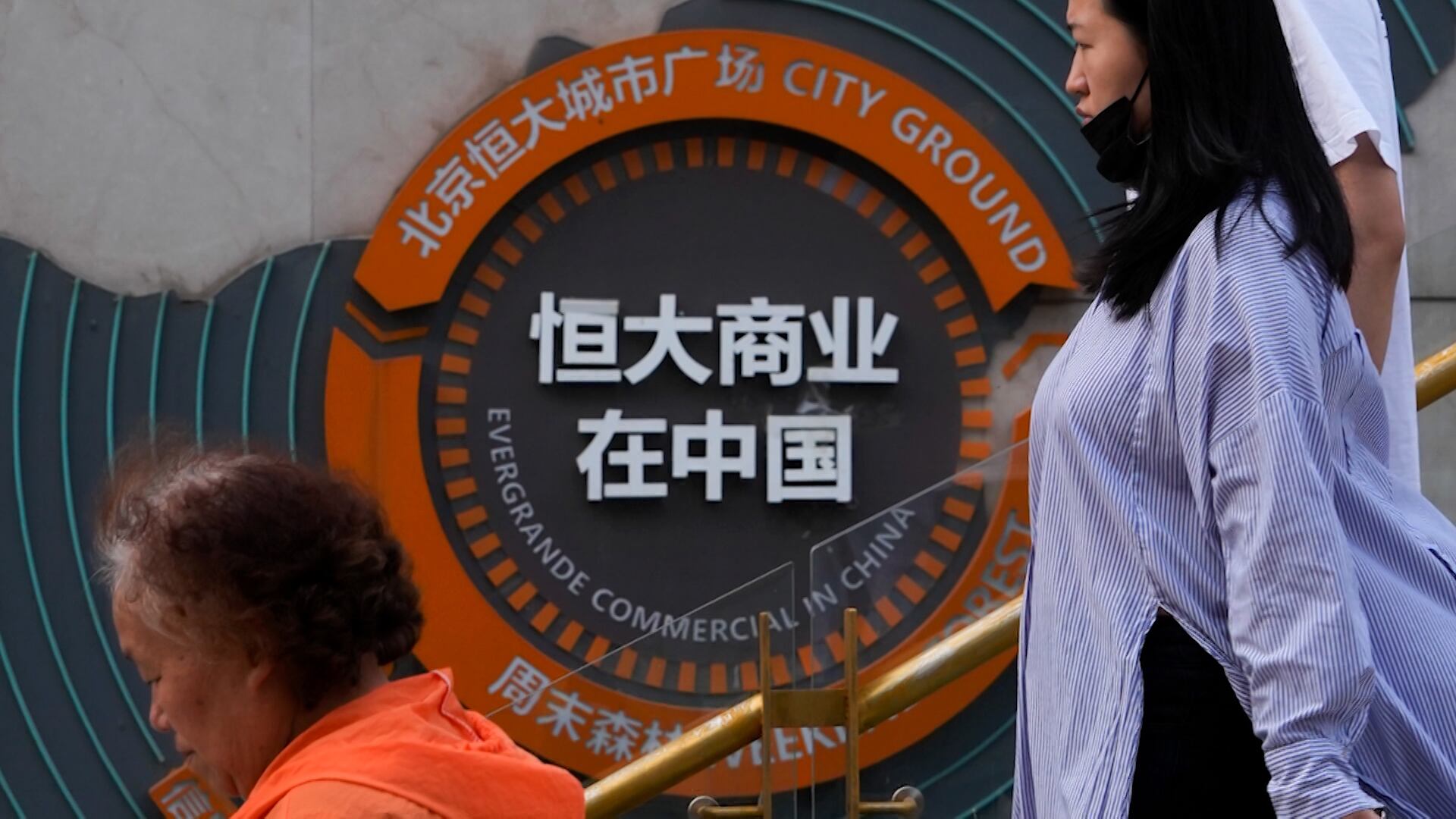
Troubled Chinese real estate giant Evergrande is once again nearing the brink of collapse. Shares of Evergrande sunk to a new record low on Monday, closing down 20 percent, as debt default fears resurfaced. Drew Bernstein, co-chairman at consultancy MarcumBP, joined Cheddar's Opening Bell to discuss. He said U.S. investors have to understand that "there is no company in China that's too big to fail, that's for sure," and that the Chinese government will be prioritizing the social welfare of the populace. Bernstein did note that it would be a managed collapse in some form.
Joan Greve, a politics reporter at The Guardian US, joined Wake Up With Cheddar to break down the implications of the Biden administration announcing a diplomatic boycott of the 2022 Beijing games in response to allegations of human rights abuses against Uyghur Muslims. She noted the significance of the move, assessing the already frayed relationship between the U.S. and China. "The Chinese have said that a boycott would be politically manipulative, and now they are actually threatening countermeasures," she said. "And that will certainly have an impact on the spirit of the games at the very least."
The Biden administration has reached an agreement with the Mexican government to resume the "Remain-in-Mexico" policy under court order. By reinstating a Trump-era border policy, asylum-seekers will be forced to stay in Mexico until their U.S. immigration court date. The program is set to resume on Monday. Ryan Devereaux, a reporter for The Intercept, joins Cheddar News to discuss.
The U.S. announced it will not send any official representation to the upcoming Beijing winter Olympics. Cheddar's Hena Doba speaks with East Asia expert Michael Swaine about the reasons behind the diplomatic move.
COVID-19 is still battering the nation's criminal justice system, causing a massive backlog in cases and delaying verdicts for months on end. This, combined with the fear of crowded prisons during a pandemic, has prompted many defendants to plead guilty in exchange for time served or probation. Tina Luongo, attorney-in-charge of the Criminal Defense Practice, joined Cheddar to discuss the court backlog, the rise in plea bargains, and why this was an issue long before the pandemic.
With so many high-profile court cases taking over the media, from the trial over the murder of Ahmaud Arbery to the trial of Kyle Rittenhouse to the ongoing Elizabeth Holmes trial, Cheddar took a look at these cases and why there is such a big interest in them. Rachel Fiset, a white collar criminal defense lawyer and partner with Zeiback, Fiset, and Coleman, and Bryan Hance, attorney-at-law, professor, and academic program director of the pre-law and paralegal studies program at National University, joined Cheddar for a roundtable discussion on why there is so much public interest in so-called courtroom drama.
Carlo and Baker discuss the sweeping new vaccine mandate in NYC that will target all private businesses. Plus, Trump's media venture gets its CEO and more.