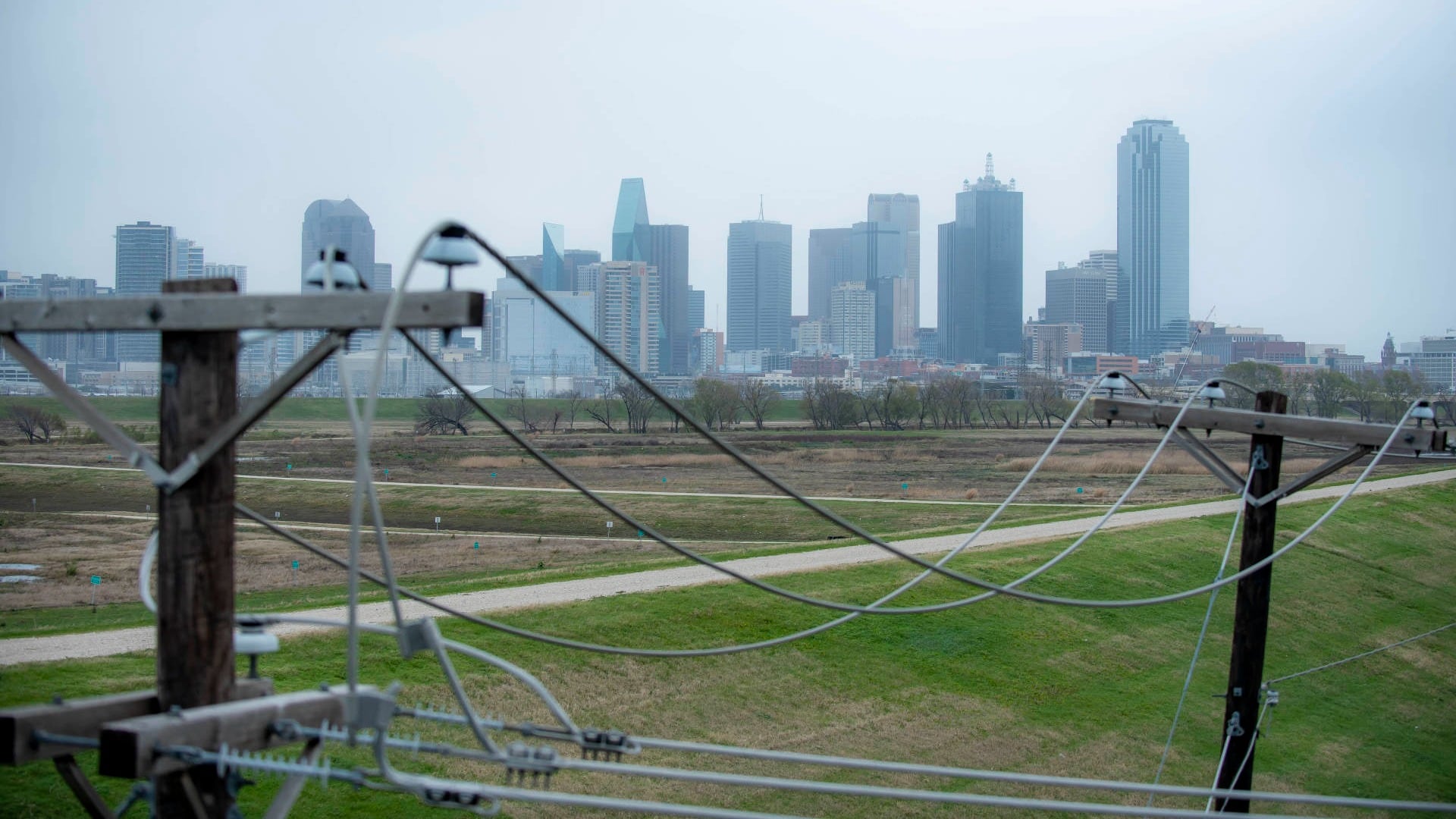
The Dallas skyline is visible from Sylvan Avenue in Dallas, Texas on Thursday, December 22, 2022. (Emil T. Lippe for The Washington Post via Getty Images)
Ford, General Motors, Google Nest, and several energy companies are partnering to support the growth of "virtual power plants" (VPPs) — or networks of decentralized power sources designed to kick in when the grid falls short. RMI, a nonprofit seeking to decarbonize the energy system, is spearheading the effort.
“Virtual power plants are poised for explosive growth, and RMI is committed to being at the forefront of their success by launching VP3,” said RMI CEO Jon Creyts in a press release. “Our analysis shows that VPPs can reduce peak power demand and improve grid resilience in a world of increasingly extreme climate events."
How does this work? Virtual power plants pool together both energy producers and consumers under a single entity, from wind and solar farms to home heaters that use smart thermostats. The idea is that these networks can coordinate to both provide and conserve energy as needed, depending on demand on the grid. This could entail using advanced software to prompt members to reduce their consumption.
On the supply side, producers in a VPP are able to better "monitor, forecast, optimize and trade their power," explains Next, one of Europe's largest VPP operators. "This way, fluctuations in the generation of renewables can be balanced by ramping up and down power generation and power consumption of controllable units."
So if a wind farm is overproducing, and a solar park is under producing, they can coordinate their output to provide a balanced load. It also allows them to potentially trade together on the same market, putting them in competition with large central power plants. It could also provide additional power options for large industrial consumers, such as automakers.
“Virtual power plants present an exciting opportunity to unlock additional value for homes, businesses and communities, helping to drive greater energy independence and grid decarbonization,” said Mark Bole, vice president and head of GM's V2X and Battery Solutions. “This collaboration underscores GM’s commitment to creating a more resilient grid, with EVs and virtual power plants playing a key role in helping to advance our all-electric future.”
Chip Paucek, CEO and co-founder of 2U, an educational tech company, joined Cheddar's "Closing Bell" to talk about the company's $800 million acquisition of online course provider edX featuring curriculum from Harvard and MIT. He noted that added services will provide 2U users with high quality, free options. "Us coming together with edX should allow us to really continue to drive affordability for people to unlock their own potential in a variety of different kinds of programs," he said.
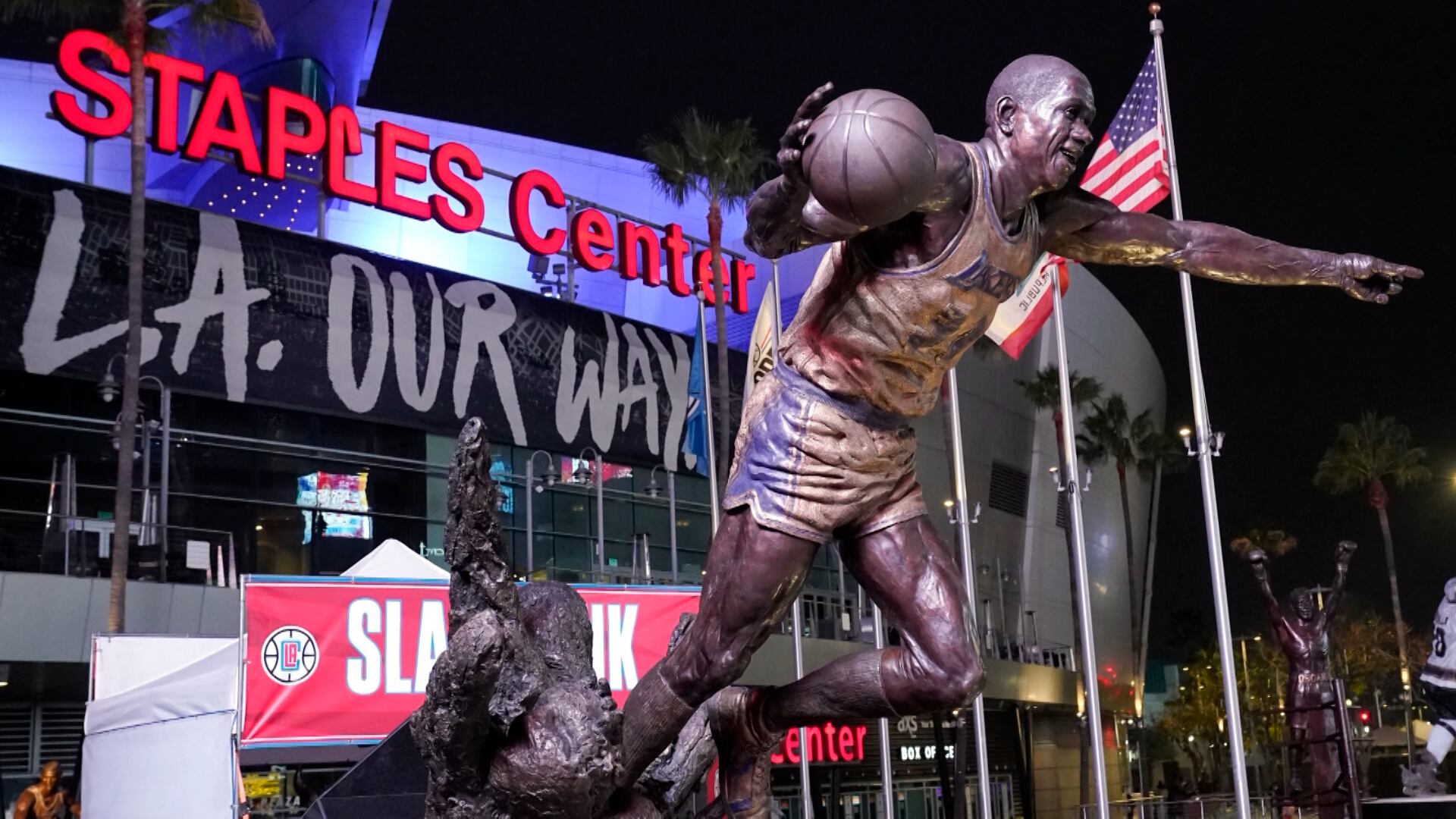
Beginning Christmas Day, the home of the Los Angeles Lakers, Clippers, Kings, and Sparks, the Staples Center, will go by the name Crypto.com Arena after a massive $700 million deal with AEG. Steven Kalifowitz, the chief marketing officer at Crypto.com, and Todd Goldstein, the chief revenue officer at AEG, joined Cheddar to talk about the historic changeover in naming rights and what other changes that fans entering the arena might expect.
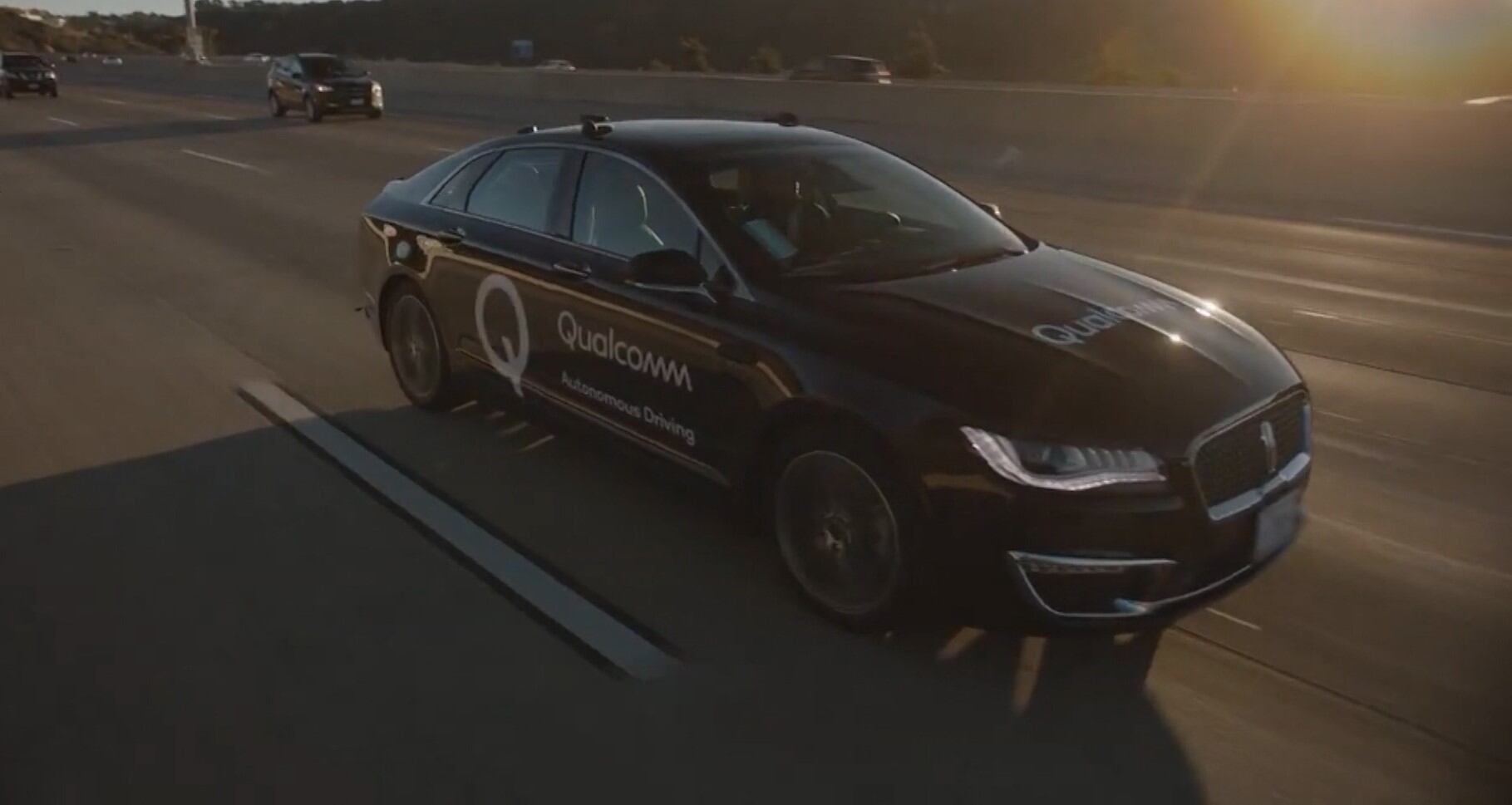
Earlier this week, Qualcomm announced an extension of its partnership with BMW as it moves to help build the technology for automated driving. Nakul Duggal, general manager at Qualcomm, joined Cheddar to provide some background on the collaboration and how the company has been able to navigate the global chip shortage amid the pandemic. "We have invested in advance, in very specific packaging capacity and technology, with our suppliers so that we actually have the capacity available to be able to service that demand," Duggal said.
Some of the most popular social media and streaming platforms like Snapchat, Spotify, and Discord were offline for several hours on Tuesday after Google Cloud experienced a technical issue. The problem was resolved as of that afternoon.
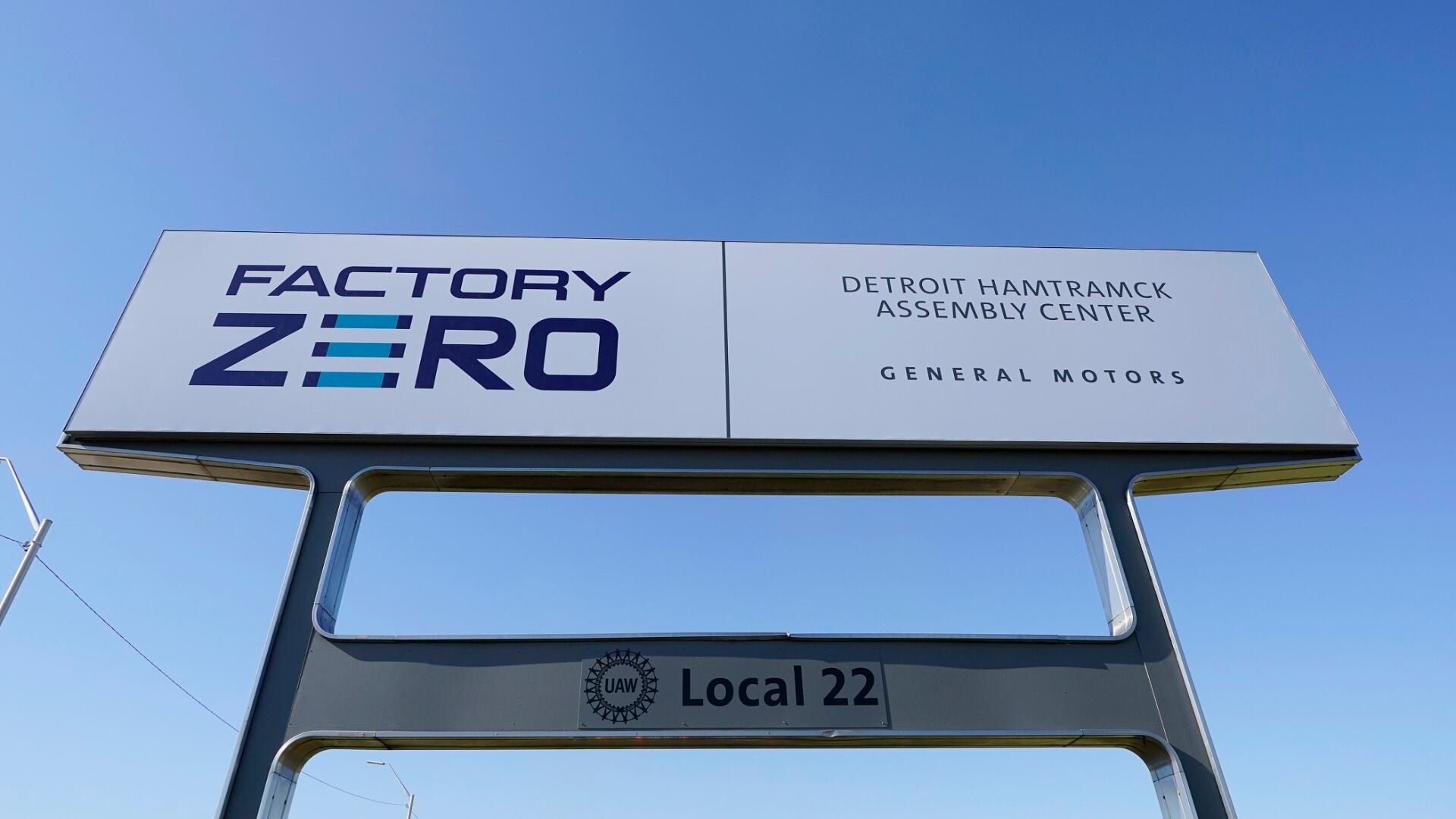
President Joe Biden is expected to visit GM's 'Factory Zero' plant in Detroit, where mass production of its electric vehicle fleet will get underway. Biden is likely to tout his recently passed $1.2 trillion infrastructure plan, which allocates $7.5 billion toward EV infrastructure.
No one is ever fully "ready" for the future. However, the past two years have clearly shown us that some businesses can be better prepared for the future than others. Shelly Kramer, Founding Partner & Lead Analyst of Futurum Research, joins Cheddar News to discuss how businesses of all sizes can stay agile enough to adapt to whatever the future may bring.
Jill is joined by “Friend of the Pod” Mosheh Oinounou to talk booster shots, and whether “fully vaccinated” will eventually mean three shots, not two. Plus, the latest on the Kyle Rittenhouse trial. And the research is in: we know now the perfect way to hug. Also, Jill and Mosheh debate whether Airpods are passé.
A deal was reached as the COP26 Summit in Glasgow came to a close. Dr. Katharine Hayhoe, Chief Scientist at the Nature Conservancy and Author of 'Saving Us: A Climate Scientist's Case for Hope and Healing in a Divided World,' joined Cheddar News' Closing Bell to discuss the deal.