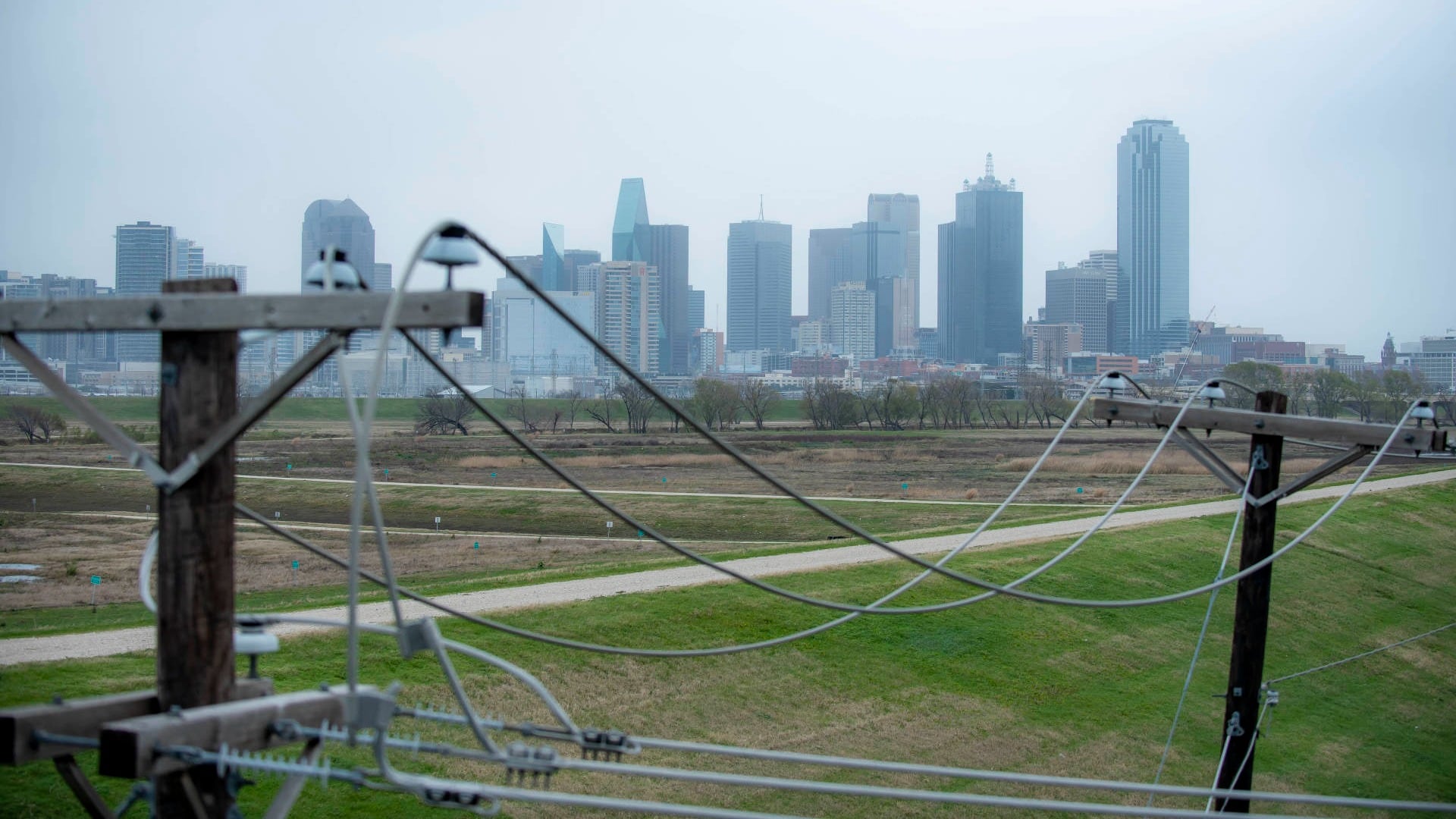
The Dallas skyline is visible from Sylvan Avenue in Dallas, Texas on Thursday, December 22, 2022. (Emil T. Lippe for The Washington Post via Getty Images)
Ford, General Motors, Google Nest, and several energy companies are partnering to support the growth of "virtual power plants" (VPPs) — or networks of decentralized power sources designed to kick in when the grid falls short. RMI, a nonprofit seeking to decarbonize the energy system, is spearheading the effort.
“Virtual power plants are poised for explosive growth, and RMI is committed to being at the forefront of their success by launching VP3,” said RMI CEO Jon Creyts in a press release. “Our analysis shows that VPPs can reduce peak power demand and improve grid resilience in a world of increasingly extreme climate events."
How does this work? Virtual power plants pool together both energy producers and consumers under a single entity, from wind and solar farms to home heaters that use smart thermostats. The idea is that these networks can coordinate to both provide and conserve energy as needed, depending on demand on the grid. This could entail using advanced software to prompt members to reduce their consumption.
On the supply side, producers in a VPP are able to better "monitor, forecast, optimize and trade their power," explains Next, one of Europe's largest VPP operators. "This way, fluctuations in the generation of renewables can be balanced by ramping up and down power generation and power consumption of controllable units."
So if a wind farm is overproducing, and a solar park is under producing, they can coordinate their output to provide a balanced load. It also allows them to potentially trade together on the same market, putting them in competition with large central power plants. It could also provide additional power options for large industrial consumers, such as automakers.
“Virtual power plants present an exciting opportunity to unlock additional value for homes, businesses and communities, helping to drive greater energy independence and grid decarbonization,” said Mark Bole, vice president and head of GM's V2X and Battery Solutions. “This collaboration underscores GM’s commitment to creating a more resilient grid, with EVs and virtual power plants playing a key role in helping to advance our all-electric future.”
Fold CEO & Co-founder Will Reeves joins Cheddar News' Closing Bell, where he discusses what his company's augmented reality metaverse involves and elaborates on Fold's goals surrounding the new initiative.
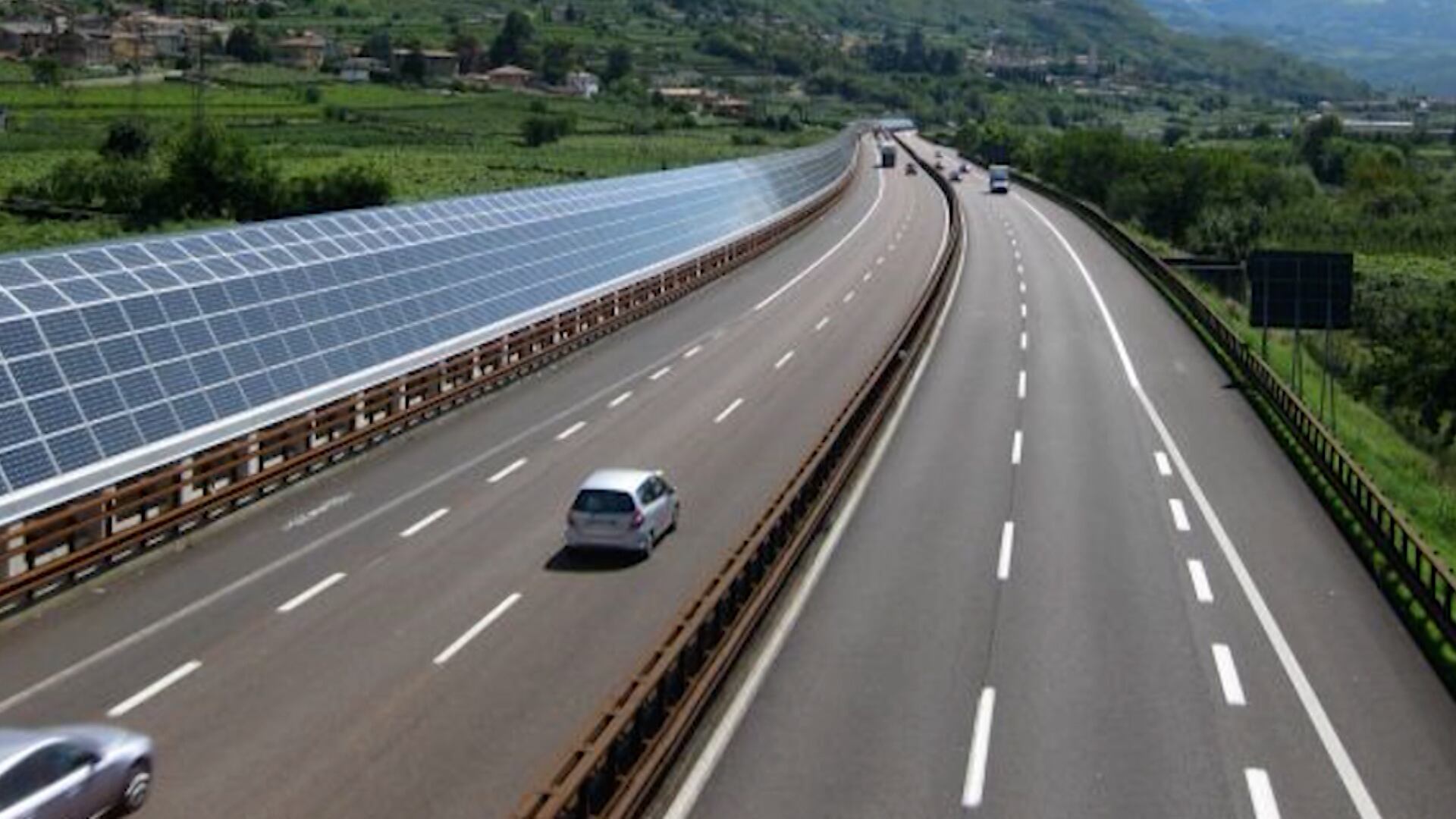
Donald Pettey, Program Manager for Strategic Initiatives for MassDOT, and Mohammed Siddiqui, Vice President of Public Relations at Ko-Solar, join Cheddar Climate, where they discuss their plan to test highway barriers that absorb sound and solar energy, with construction expected to begin in the first half of 2022.
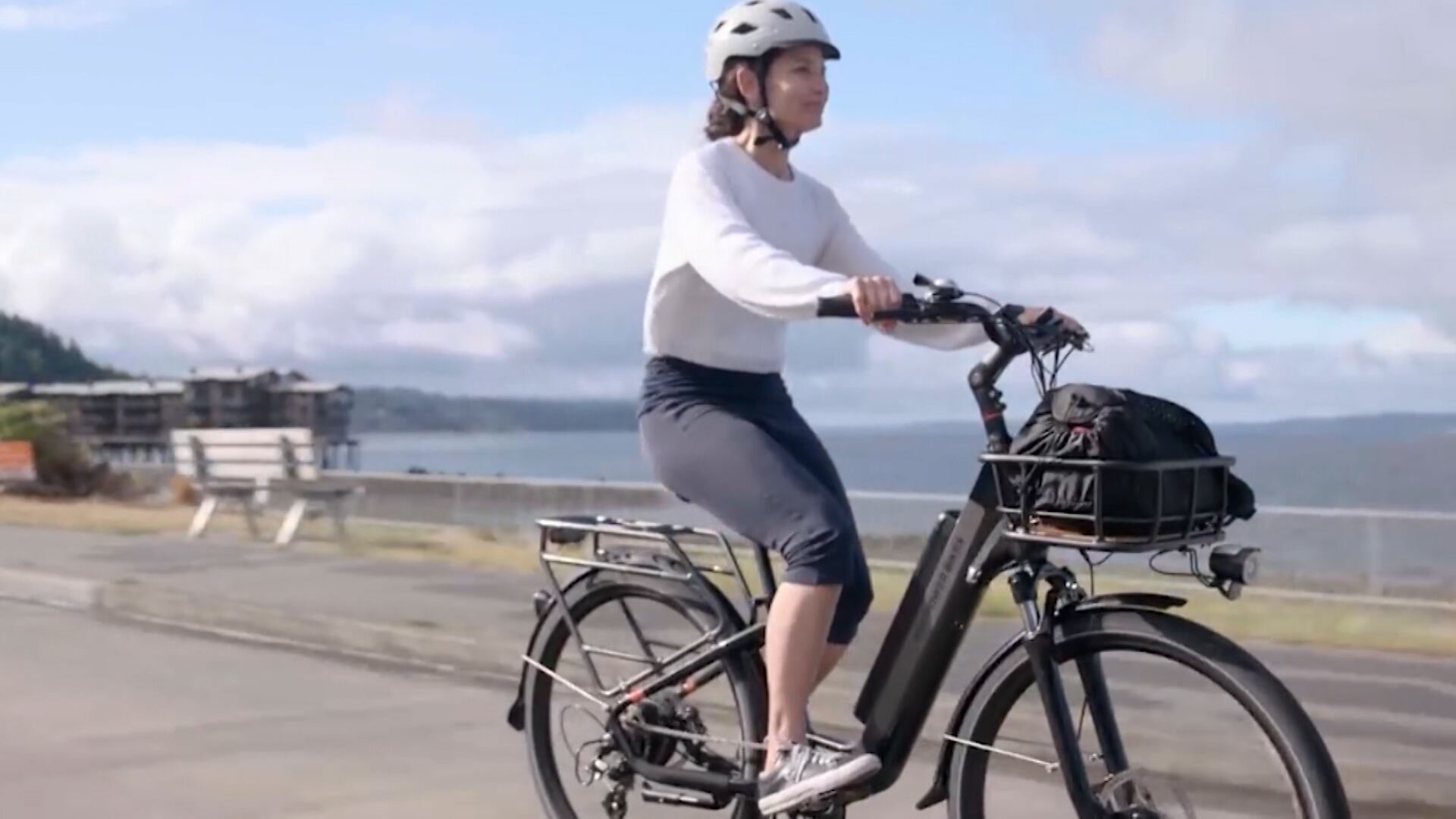
President Joe Biden's "Build Back Better" bill could mean cheaper electric bicycles and scooters as the nation attempts to shift away from gas-powered cars. Noa Banayan, the director of federal affairs at PeopleForBikes, joined Cheddar's "Closing Bell" to provide some background on the E-Bike Act included in Biden's reconciliation bill that would provide tax credits for qualified purchases. "We want to make sure, from the bike industry's perspective, that this is a technology and a product that is available to the majority of Americans who want to lower their carbon footprint and get around town faster and do everything that they would normally do in a short car trip but by bike, because it's healthier, it's fast, it's efficient, you're not in traffic," she said.
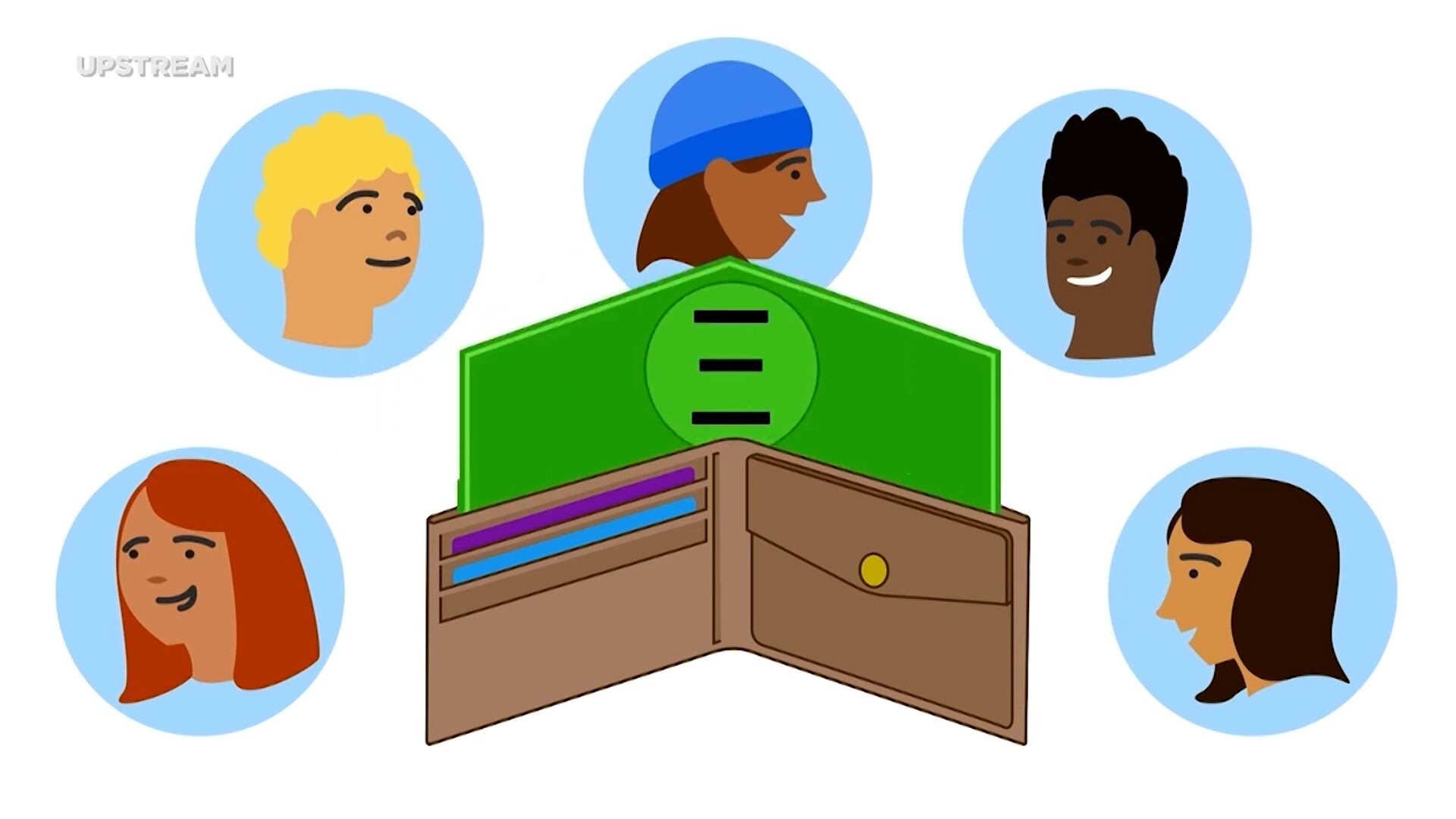
It's being called the next big trend in crypto. A decentralized autonomous organization, or DAO, is an internet community of different types of groups and businesses. The purpose is to allow people to commit funds to a specific cause in a safe way. Now, one social platform is creating a do-it-yourself kit for those who want to step into the space. Upstream Collective just launched the beta mode of its platform with the goal of putting all facets of running a DAO in one place. Alex Taub, co-founder and CEO of Upstream, joins Cheddar News to discuss.
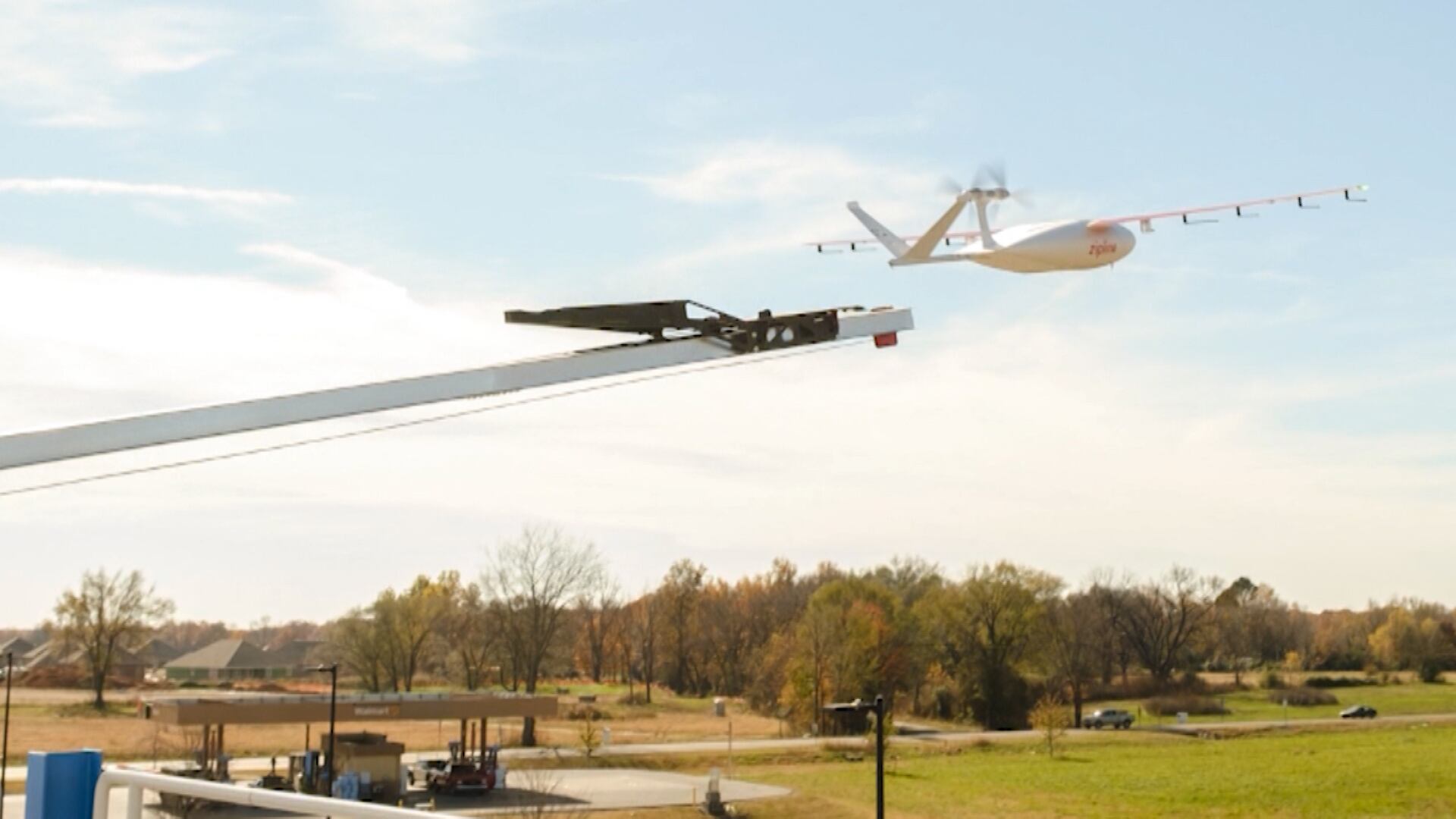
Walmart and Zipline have teamed up to launch a drone delivery service in Pea Ridge, Arkansas. The service delivers products to customers within a 50-mile radius of the store. Liam O'Connor, COO of Zipline, joins Cheddar News to talk more about the partnership.
A NASA spacecraft that will deliberately crash into an asteroid is preparing to launch this week. The goal of the DART mission, or the Double Asteroid Redirection Test, is to hit the smaller of the two asteroids, Dimorphos, with the spacecraft at about 15,000 miles per hour and see how the impact changes the asteroid’s trajectory. Joey Roulette, space reporter at The New York Times, joins Cheddar News to talk more about it.
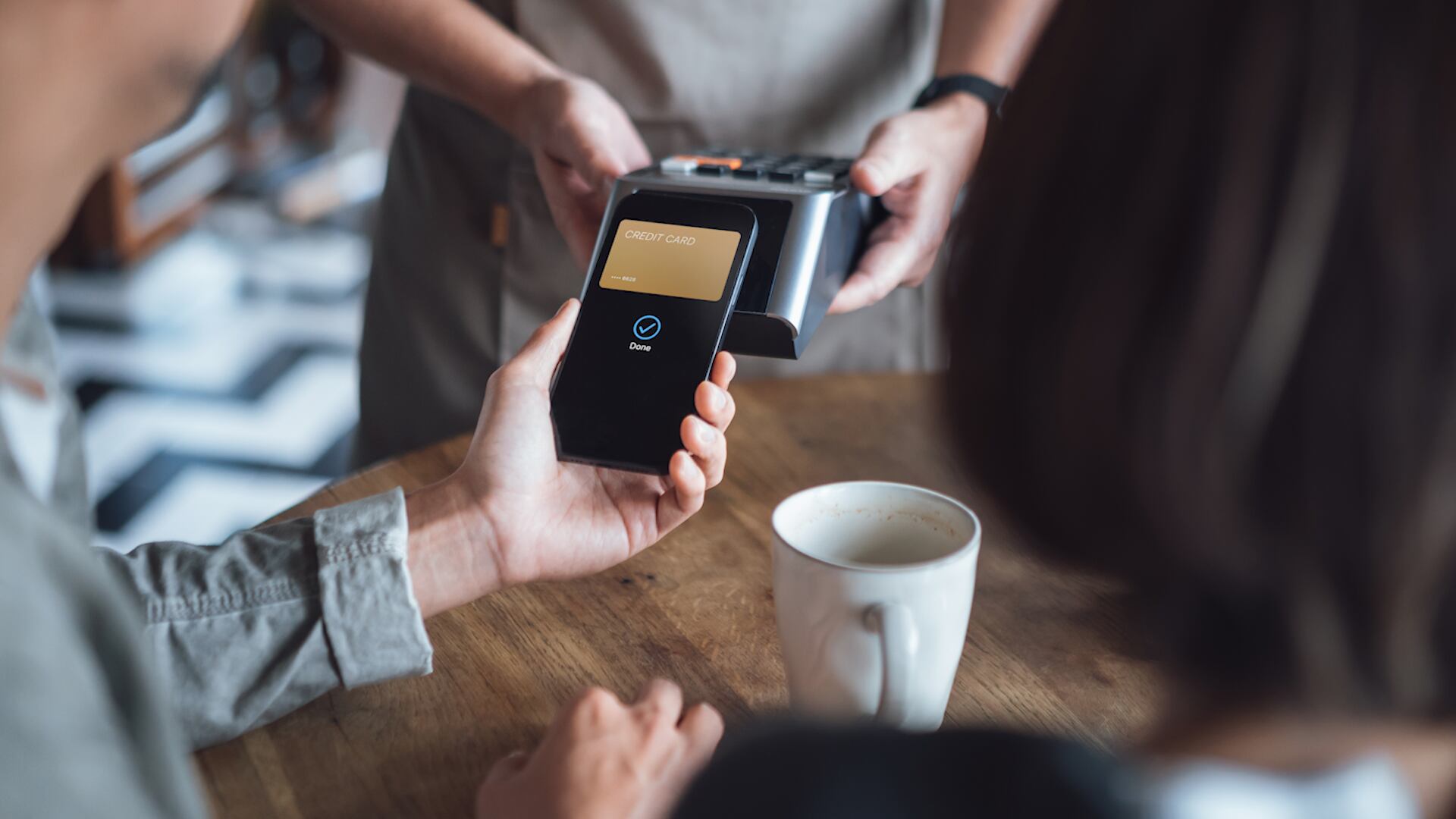
On this episode of Cheddar Reveals, Yair Nechmad, Nayax CEO, discusses the future of cashless payments, and how cashless payments give retailers a competitive edge and allow merchants to scale business; Jason Thomas, Global CEO of Tappit, breaks down how the pandemic accelerated the transition to cash-free live events, and why that trend is here to stay; Cheddar gets a look at Curiosity Steam's 'Blockchain Revolution.'
Not long ago, banning cash at a large public event would have been seen as a crazy idea that would deter sales. But our cash-free future is getting closer with the use of contactless payments being implemented in sports venues, music festivals, concerts, and more. Jason Thomas, Global CEO of Tappit, joins Cheddar Reveals to break down how the pandemic accelerated the transition to cash-free live events, and why that trend is here to stay.
Yair Nechmad, Nayax CEO, joins Cheddar Reveals to discuss the future of cashless payments, and how cashless payments give retailers a competitive edge and allow merchants to scale business.