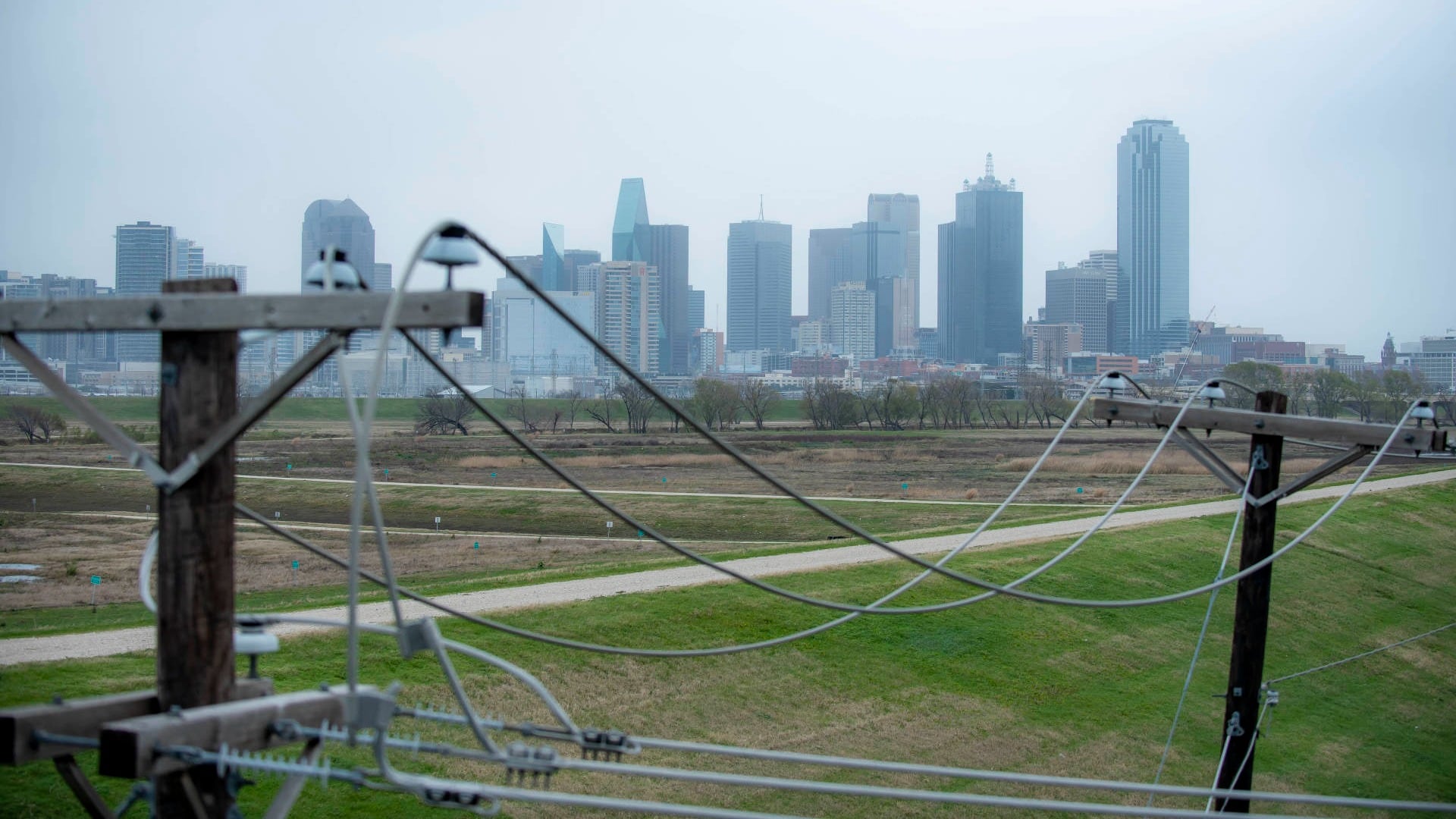
The Dallas skyline is visible from Sylvan Avenue in Dallas, Texas on Thursday, December 22, 2022. (Emil T. Lippe for The Washington Post via Getty Images)
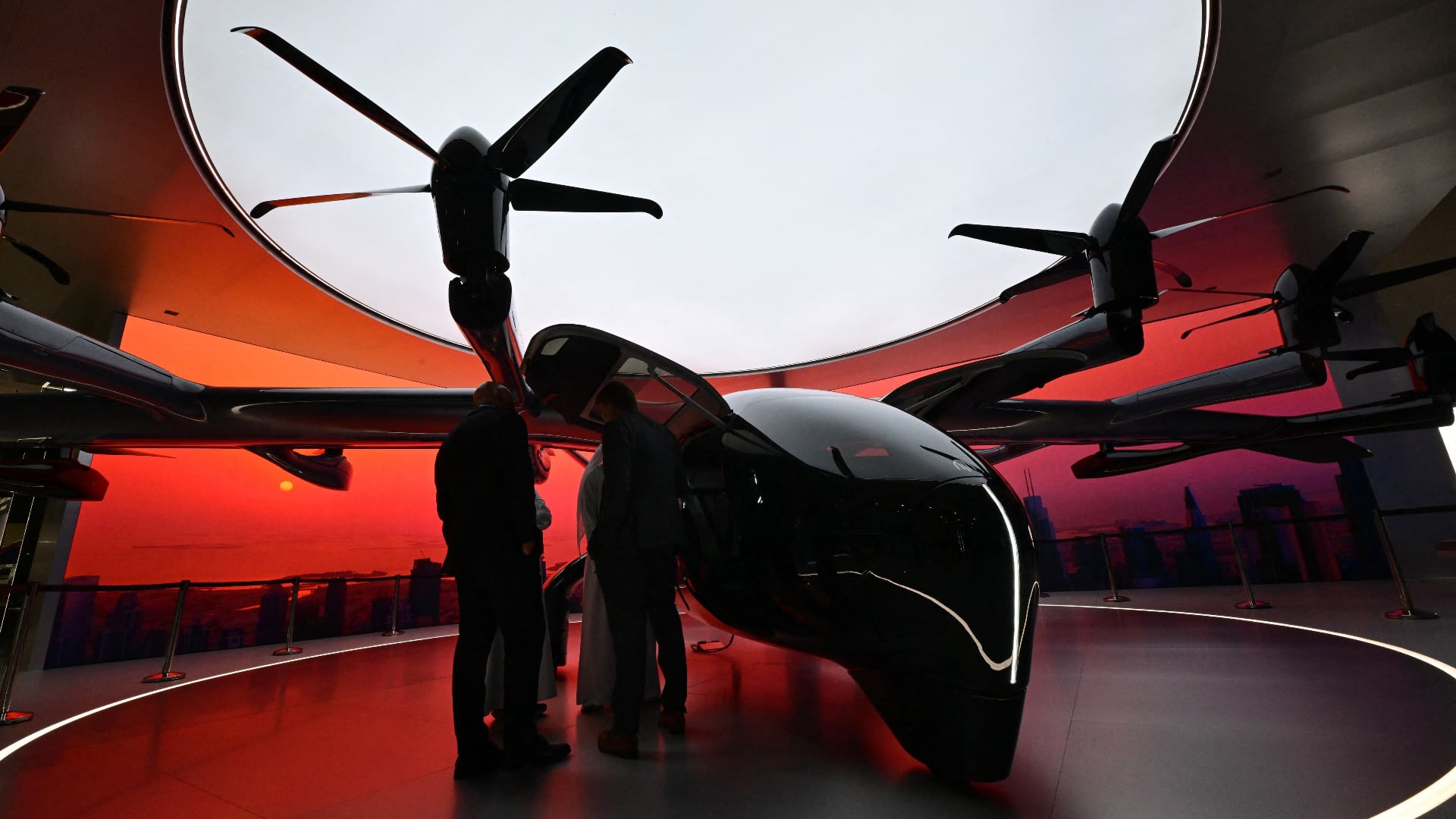
Ford, General Motors, Google Nest, and several energy companies are partnering to support the growth of "virtual power plants" (VPPs) — or networks of decentralized power sources designed to kick in when the grid falls short. RMI, a nonprofit seeking to decarbonize the energy system, is spearheading the effort.
“Virtual power plants are poised for explosive growth, and RMI is committed to being at the forefront of their success by launching VP3,” said RMI CEO Jon Creyts in a press release. “Our analysis shows that VPPs can reduce peak power demand and improve grid resilience in a world of increasingly extreme climate events."
How does this work? Virtual power plants pool together both energy producers and consumers under a single entity, from wind and solar farms to home heaters that use smart thermostats. The idea is that these networks can coordinate to both provide and conserve energy as needed, depending on demand on the grid. This could entail using advanced software to prompt members to reduce their consumption.
On the supply side, producers in a VPP are able to better "monitor, forecast, optimize and trade their power," explains Next, one of Europe's largest VPP operators. "This way, fluctuations in the generation of renewables can be balanced by ramping up and down power generation and power consumption of controllable units."
So if a wind farm is overproducing, and a solar park is under producing, they can coordinate their output to provide a balanced load. It also allows them to potentially trade together on the same market, putting them in competition with large central power plants. It could also provide additional power options for large industrial consumers, such as automakers.
“Virtual power plants present an exciting opportunity to unlock additional value for homes, businesses and communities, helping to drive greater energy independence and grid decarbonization,” said Mark Bole, vice president and head of GM's V2X and Battery Solutions. “This collaboration underscores GM’s commitment to creating a more resilient grid, with EVs and virtual power plants playing a key role in helping to advance our all-electric future.”
Jill and Carlo cover the latest developments with the Omicron variant that are spooking markets once again. Twitter's @Jack is leaving, SCOTUS takes up abortion rights and the world has a brand new republic.
Phyllis Newhouse, the first black woman to bring a company public via SPAC on the NYSE earlier this year, has launched her second SPAC, ShoulderUp Technology Acquisition.
Phyllis is a serial entrepreneur, retired military officer, and founder of the ShoulderUp movement, which educates and encourages women around the world to reach their greatest economic, political and cultural potential. Shawn Henry is part of the ShoulderUp team, bringing his expertise on cybersecurity to the new company. Both Phyllis and Shawn joined Cheddar to discuss this new venture and how it plans to tackle the issue of cybercrime.
Don Basile, CEO, Monsoon Blockchain & Founder of Bitcoin Latinum, joins Cheddar News' Closing Bell, where he explains why we're seeing major crypto investors look to purchase expensive pieces of art, and discusses what the NFT space could look like in the not-too-distant future.
Jack Constantine, chief digital officer and product inventor at Lush, joined Cheddar to talk about the cosmetic company's mass exodus from major social media platforms TikTok, Facebook, Instagram, and Snapchat, in the wake of recent reports that Instagram specifically had negative impacts on teen girls. He noted that with teenage girls being a large part of its consumer base and audience, Lush had a responsibility to market its company on outlets that prioritize mental wellbeing. "For us, we've always been a social brand, and it started to feel that social media was no longer offering what we felt we wanted to gain from it," he said. "And then obviously when you add that to the damage that it's causing, it just feels like a combination that we can't continue on with." The company also pulled out of social media platforms in 2019.
Jon Lowen, Co-Founder of Surfside, joined Wake Up With Cheddar's Baker Machado to discuss Uber's partnership with cannabis retailer Tokyo Smoke, as it's the first time a cannabis merchant has been listed on UberEats across all of its global markets.
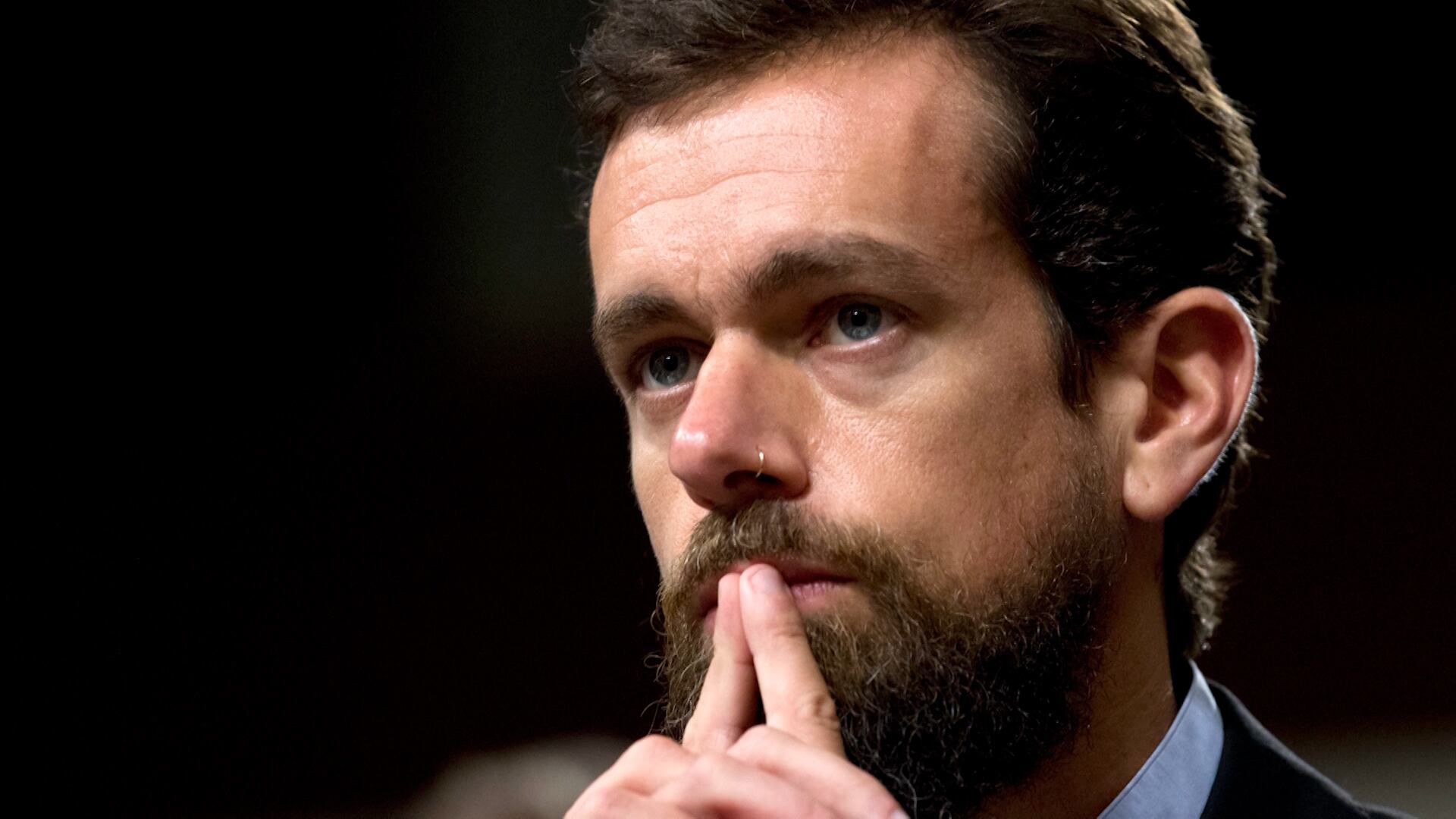
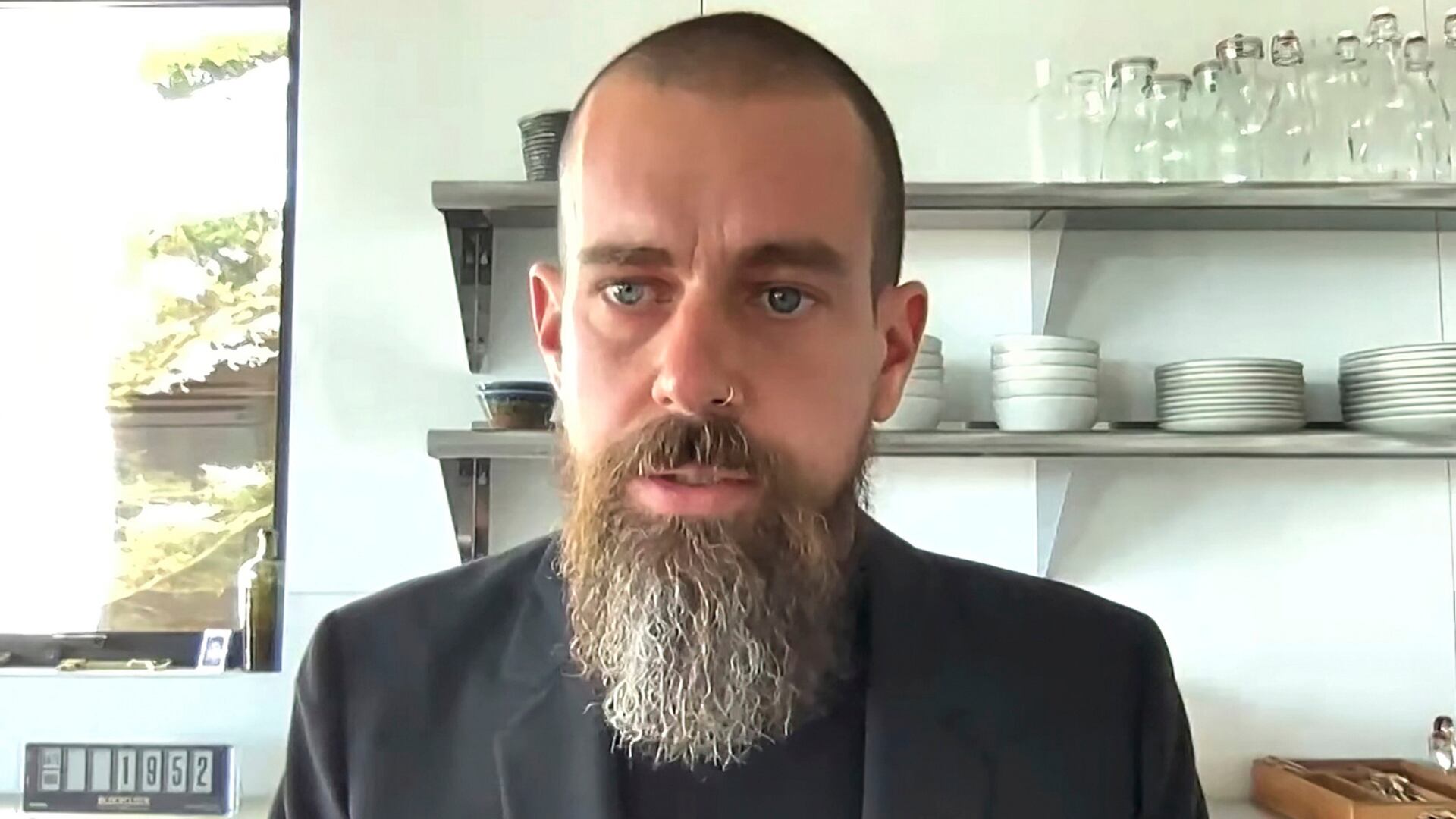
Jack Dorsey resigned from his post as CEO of the social media company on Monday and will be replaced by chief technology officer Parag Agrawal. Mitch Rubin, portfolio manager at RiverPark Long/Short Opportunity Fund, joined Cheddar to break down the move and what it means for investors in both Twitter and Square, the payment company that Dorsey also helms. "For the long-term, I think this is very positive news for both companies," he said. Rubin also talked about growing competition in the social media space and why Twitter continues to lag behind other major players.
Jack Dorsey is officially out as Twitter's CEO. Dorsey said in a statement that the platform is ready to move away from its founders and now will be led by current CTO Parag Agrawal.