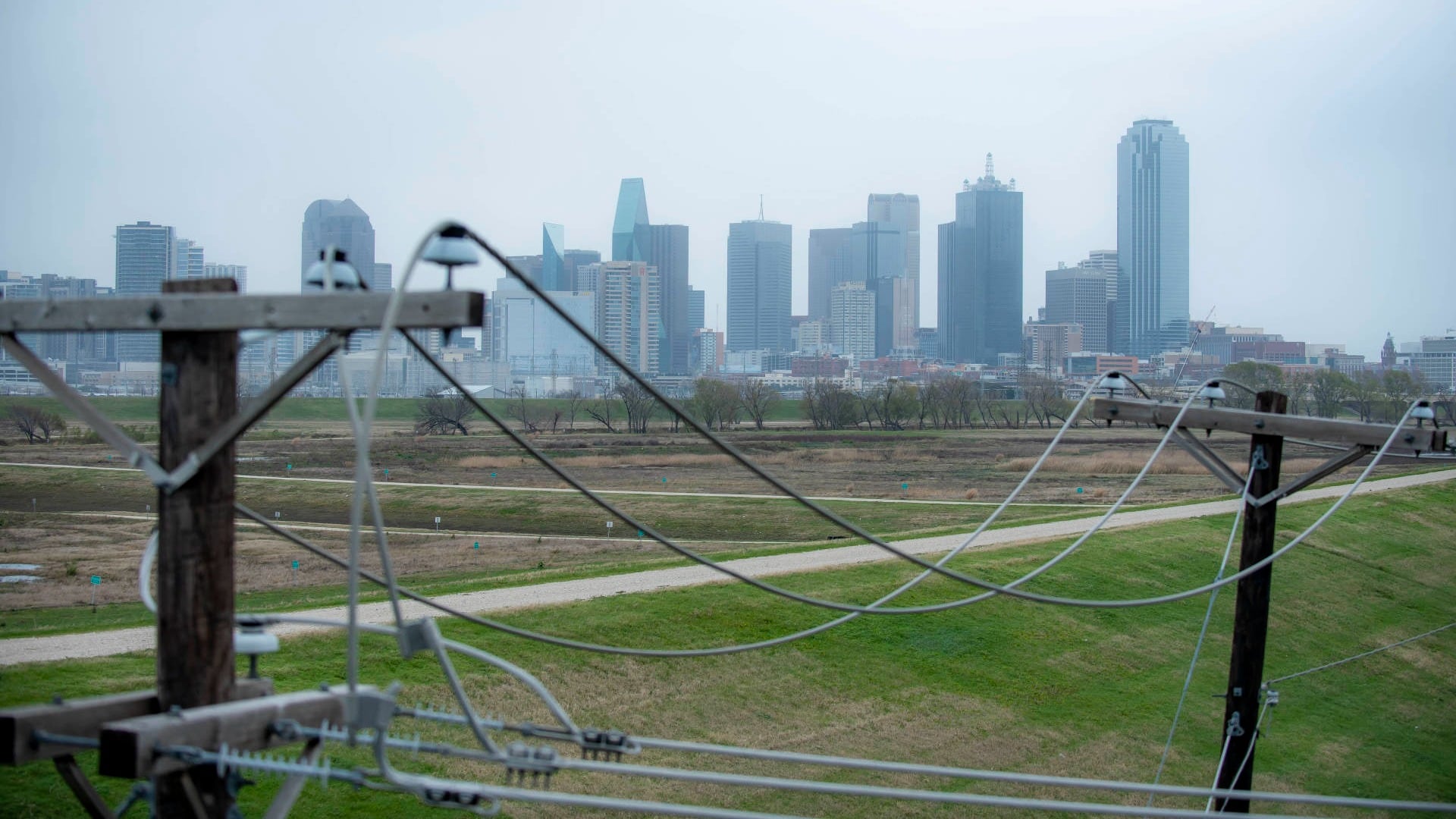
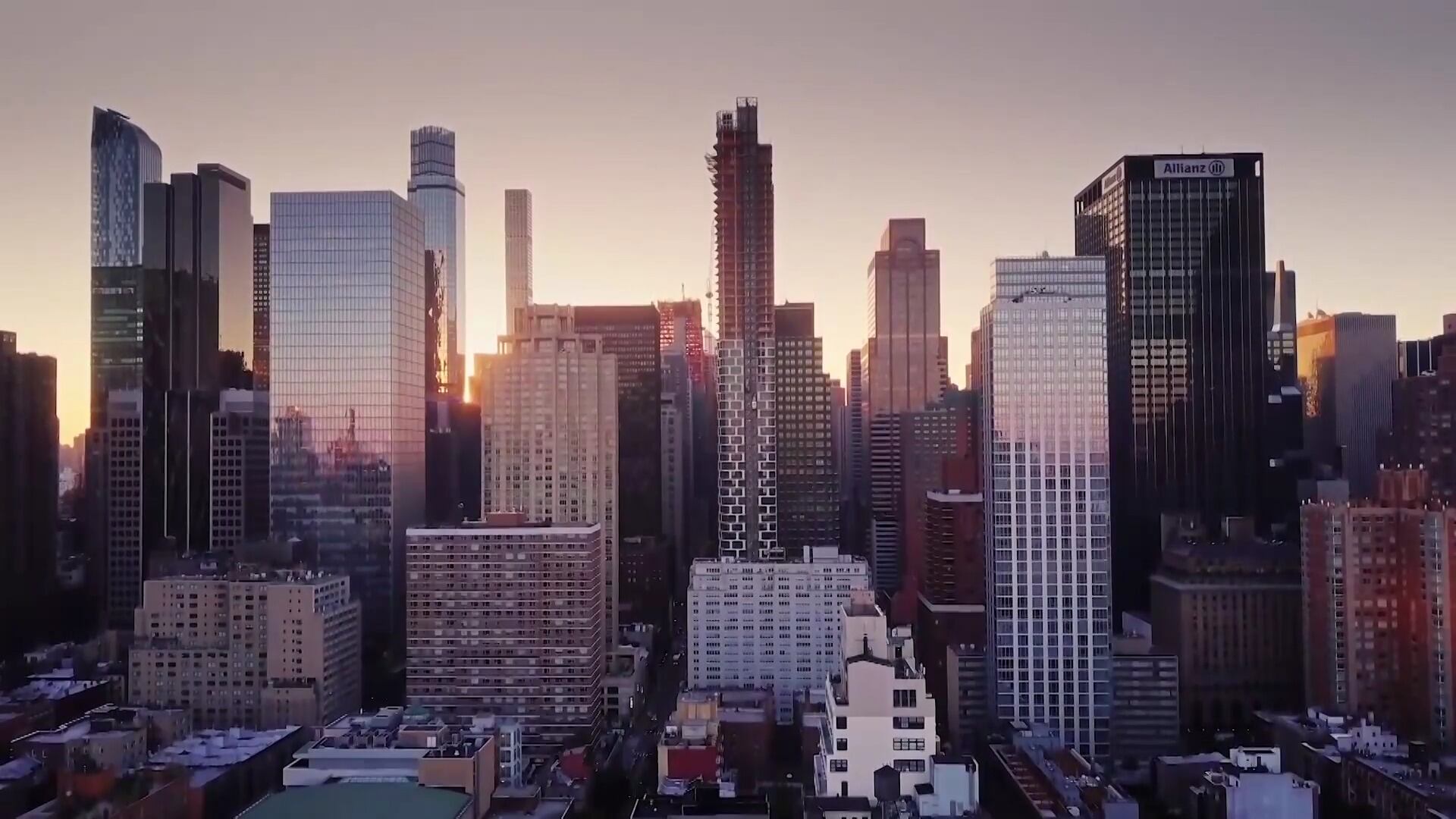
The Dallas skyline is visible from Sylvan Avenue in Dallas, Texas on Thursday, December 22, 2022. (Emil T. Lippe for The Washington Post via Getty Images)
Ford, General Motors, Google Nest, and several energy companies are partnering to support the growth of "virtual power plants" (VPPs) — or networks of decentralized power sources designed to kick in when the grid falls short. RMI, a nonprofit seeking to decarbonize the energy system, is spearheading the effort.
“Virtual power plants are poised for explosive growth, and RMI is committed to being at the forefront of their success by launching VP3,” said RMI CEO Jon Creyts in a press release. “Our analysis shows that VPPs can reduce peak power demand and improve grid resilience in a world of increasingly extreme climate events."
How does this work? Virtual power plants pool together both energy producers and consumers under a single entity, from wind and solar farms to home heaters that use smart thermostats. The idea is that these networks can coordinate to both provide and conserve energy as needed, depending on demand on the grid. This could entail using advanced software to prompt members to reduce their consumption.
On the supply side, producers in a VPP are able to better "monitor, forecast, optimize and trade their power," explains Next, one of Europe's largest VPP operators. "This way, fluctuations in the generation of renewables can be balanced by ramping up and down power generation and power consumption of controllable units."
So if a wind farm is overproducing, and a solar park is under producing, they can coordinate their output to provide a balanced load. It also allows them to potentially trade together on the same market, putting them in competition with large central power plants. It could also provide additional power options for large industrial consumers, such as automakers.
“Virtual power plants present an exciting opportunity to unlock additional value for homes, businesses and communities, helping to drive greater energy independence and grid decarbonization,” said Mark Bole, vice president and head of GM's V2X and Battery Solutions. “This collaboration underscores GM’s commitment to creating a more resilient grid, with EVs and virtual power plants playing a key role in helping to advance our all-electric future.”
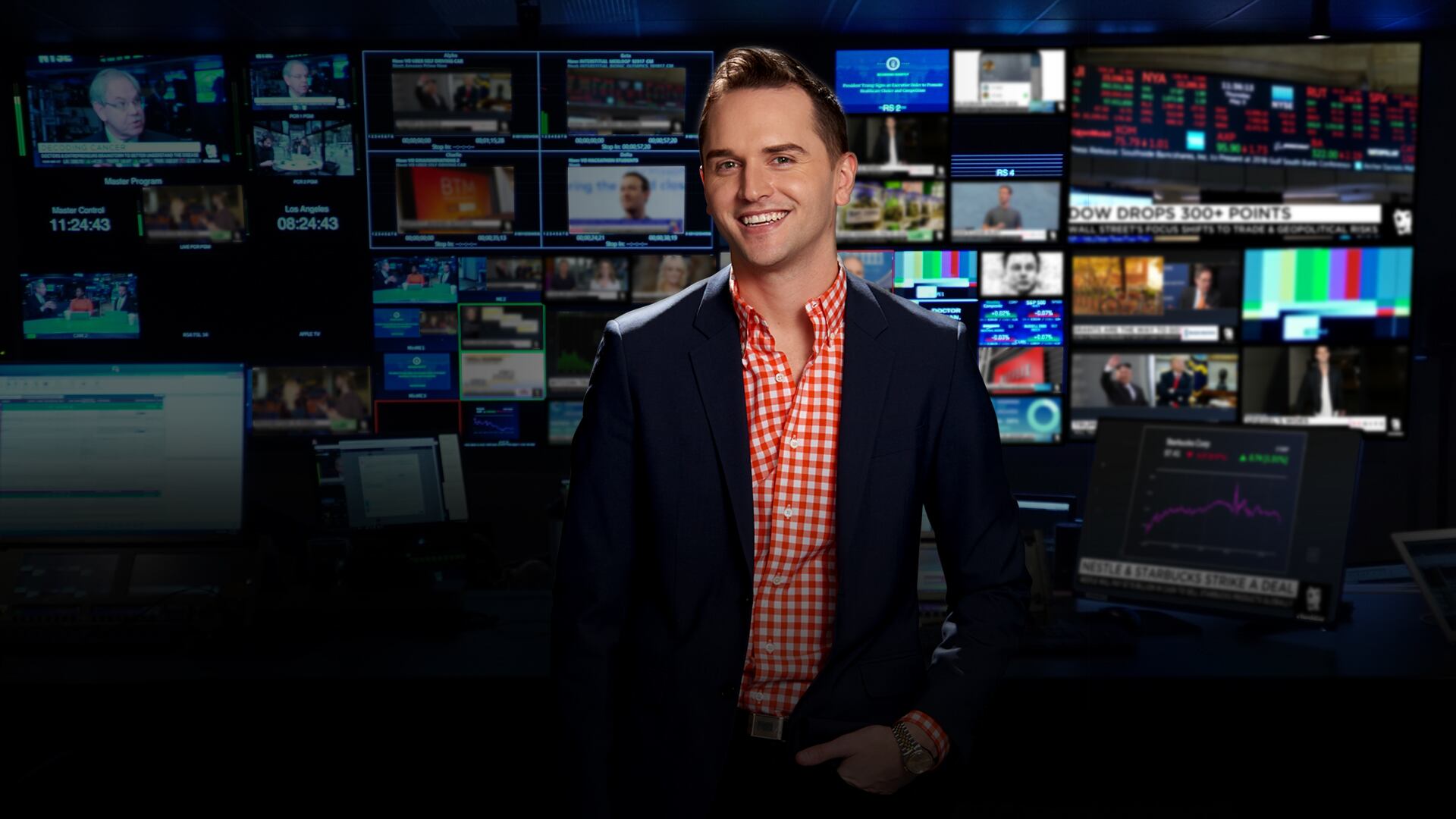
Carlo and Baker discuss the sweeping new vaccine mandate in NYC that will target all private businesses. Plus, Trump's media venture gets its CEO and more.
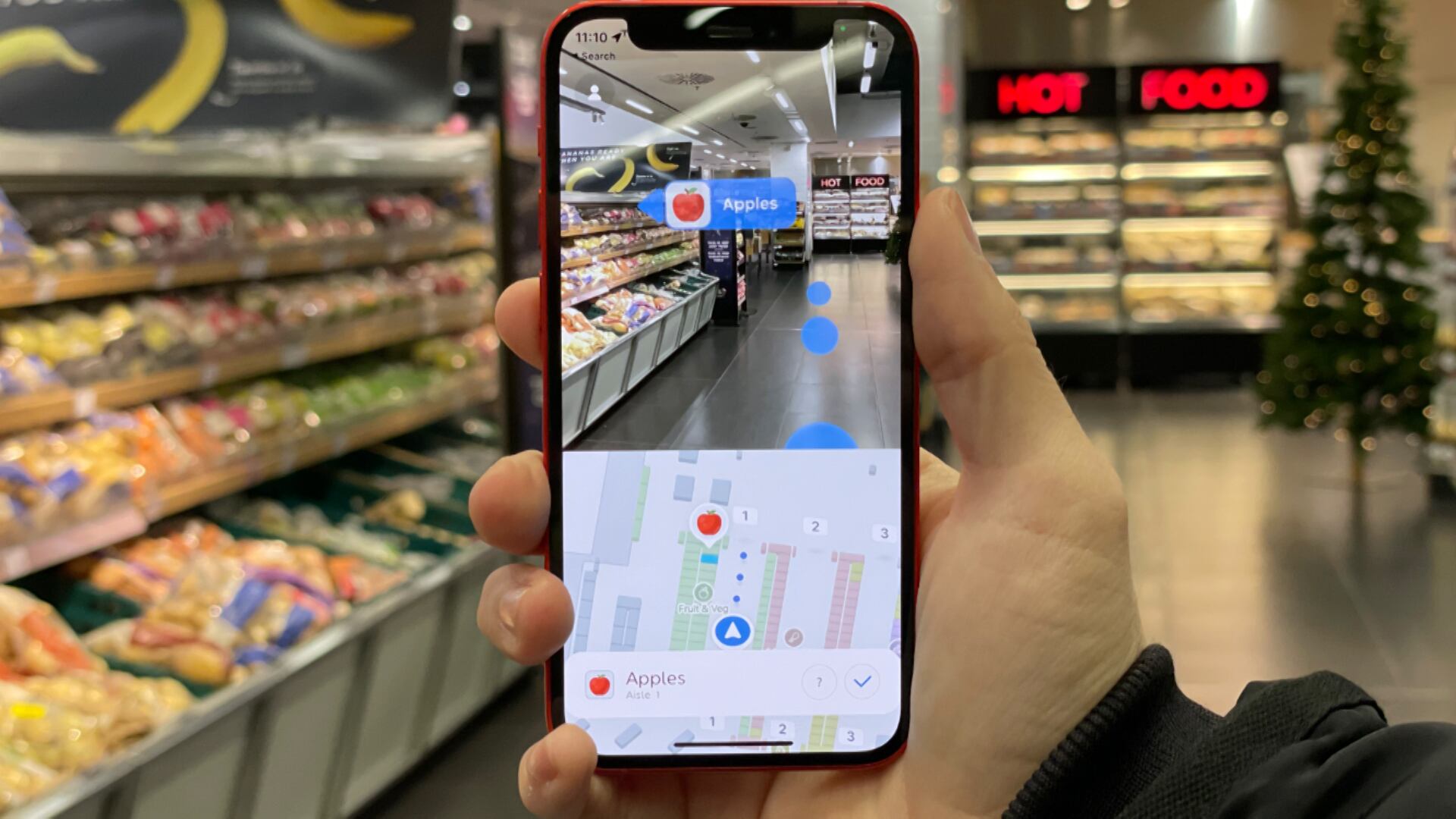
The UK-based augmented reality startup, Dent Reality, raised the equivalent of $3.4 million USD in its most recent funding round. Dent Reality has created an AR app for smartphones that helps shoppers navigate retail locations by providing a layout of a store's aisles, while showing where to find specific items. The company works mainly with grocery stores but aims to integrate its tech with all types of physical spaces. Dent Reality CEO Andrew Hart joins Cheddar News' Closing Bell to discuss.
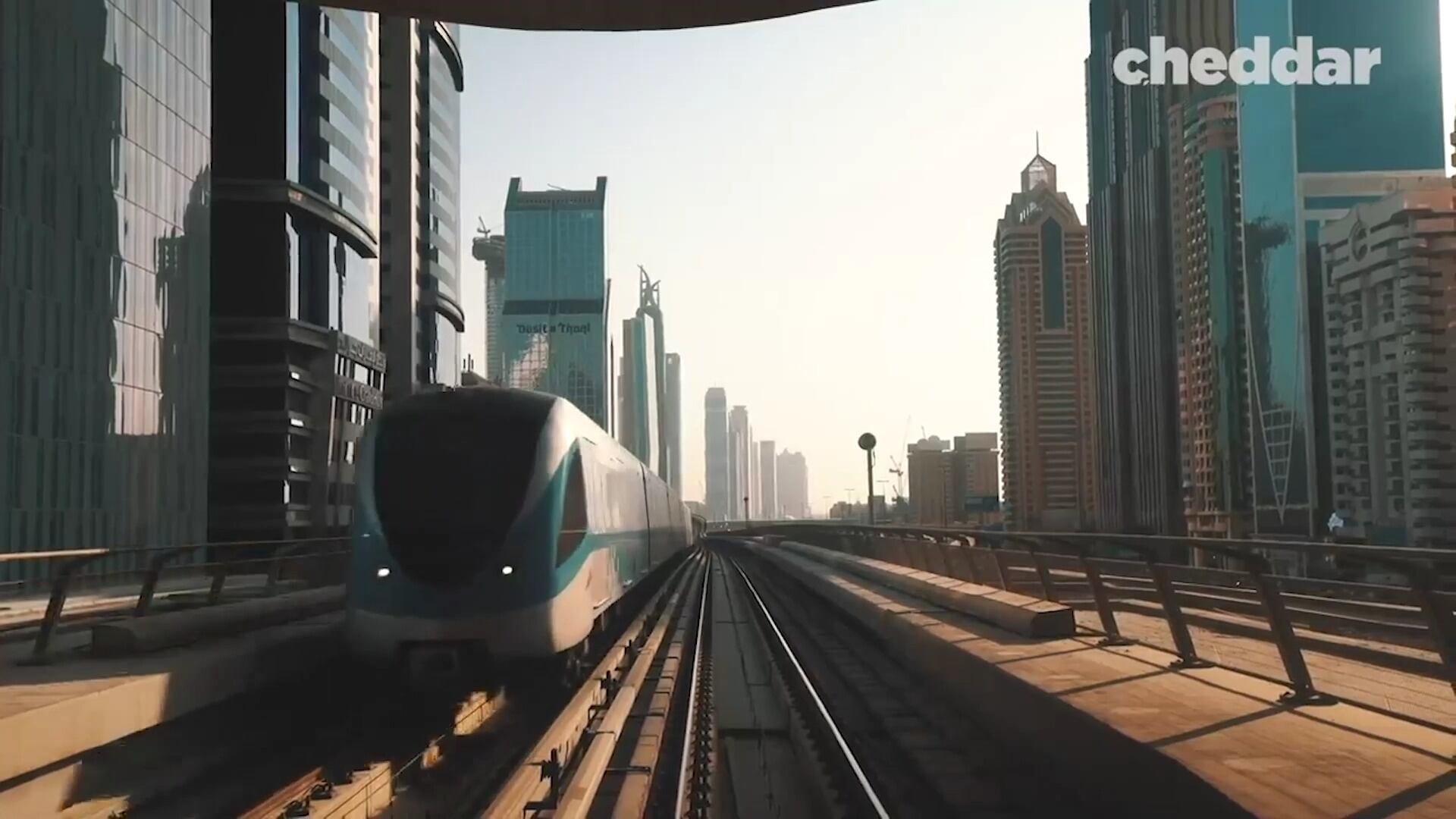
The world is amidst a skyscraper boom. In 2018, 146 buildings over 650 feet were constructed. That’s more than the total amount of skyscrapers constructed between 1979 and 1999. And all this construction is transforming our cities.
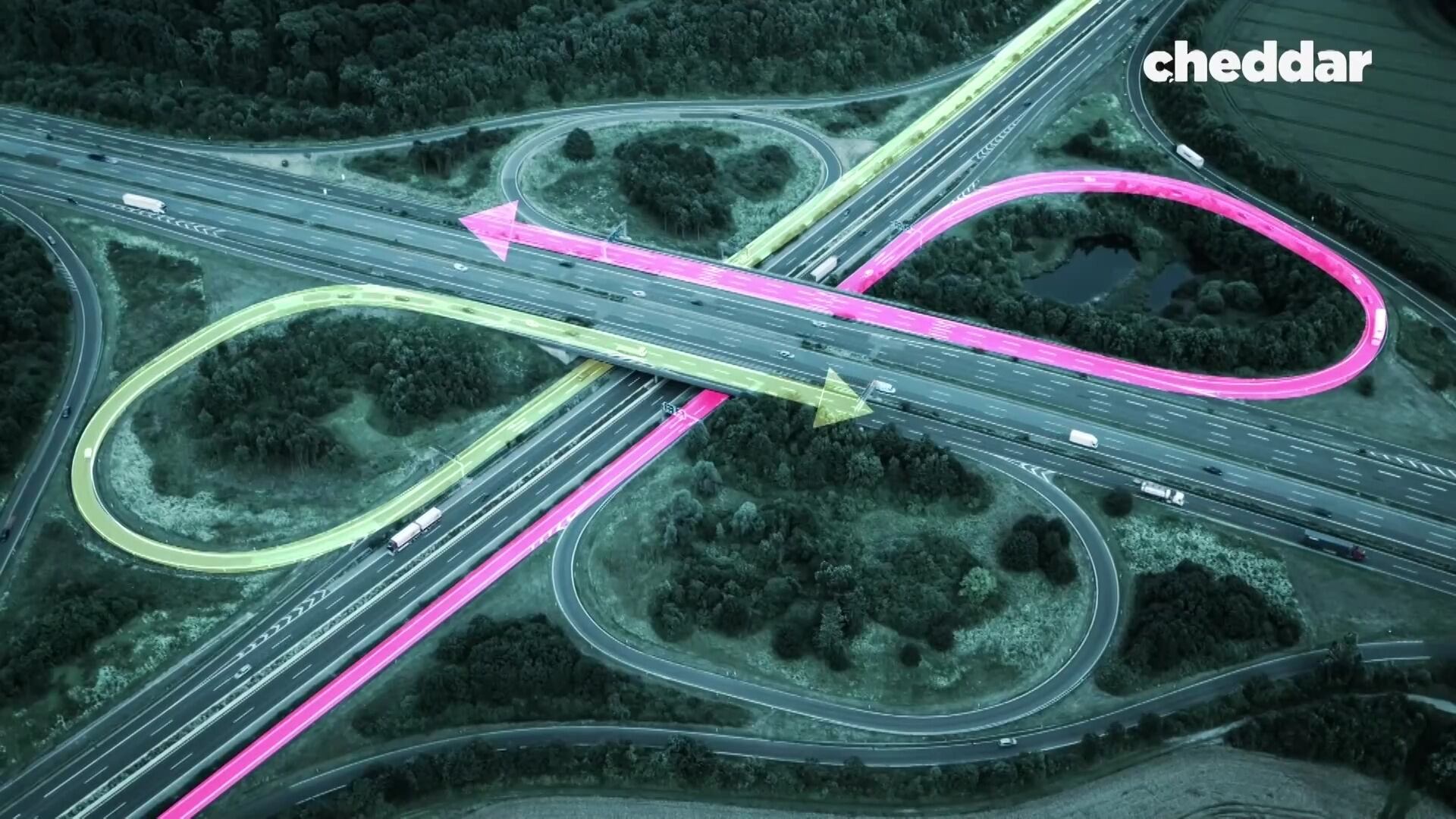
It’s no secret that America’s infrastructure is aging. The average American bridge is 43 years old. 49% of our streets and highways are in poor condition. That’s why rebuilding our roads is near the top of President Biden’s to-do list. But repaving is just surface level, some suggest we need to rethink the structures themselves.
Throughout history, humans have tried their best to predict what the future will look like. Today, it’s fun to look back and laugh at some of the wacky conceptual drawings of “cities of the future”. While the majority of these ideas look silly today, some concepts almost became our reality, if not for a few key shortcoming.
The streaming wars could be peaking as platforms vie for a shrinking pool of new subscribers and services like Disney+ recalibrate their outlooks as the rate of new memberships slows. Jana Arbanas, the U.S. telecom, media, and technology sector leader at Deloitte, joined Cheddar to discuss the 2022 outlook for streaming platforms, expecting more than 150 million people to cancel subscriptions adding to the global churn trend. "People are signing up for a service for a very specific piece of original, compelling content, watching that, perhaps, season of content, dropping that service, and then re-upping the service again when the next season comes out," Arbanas noted.
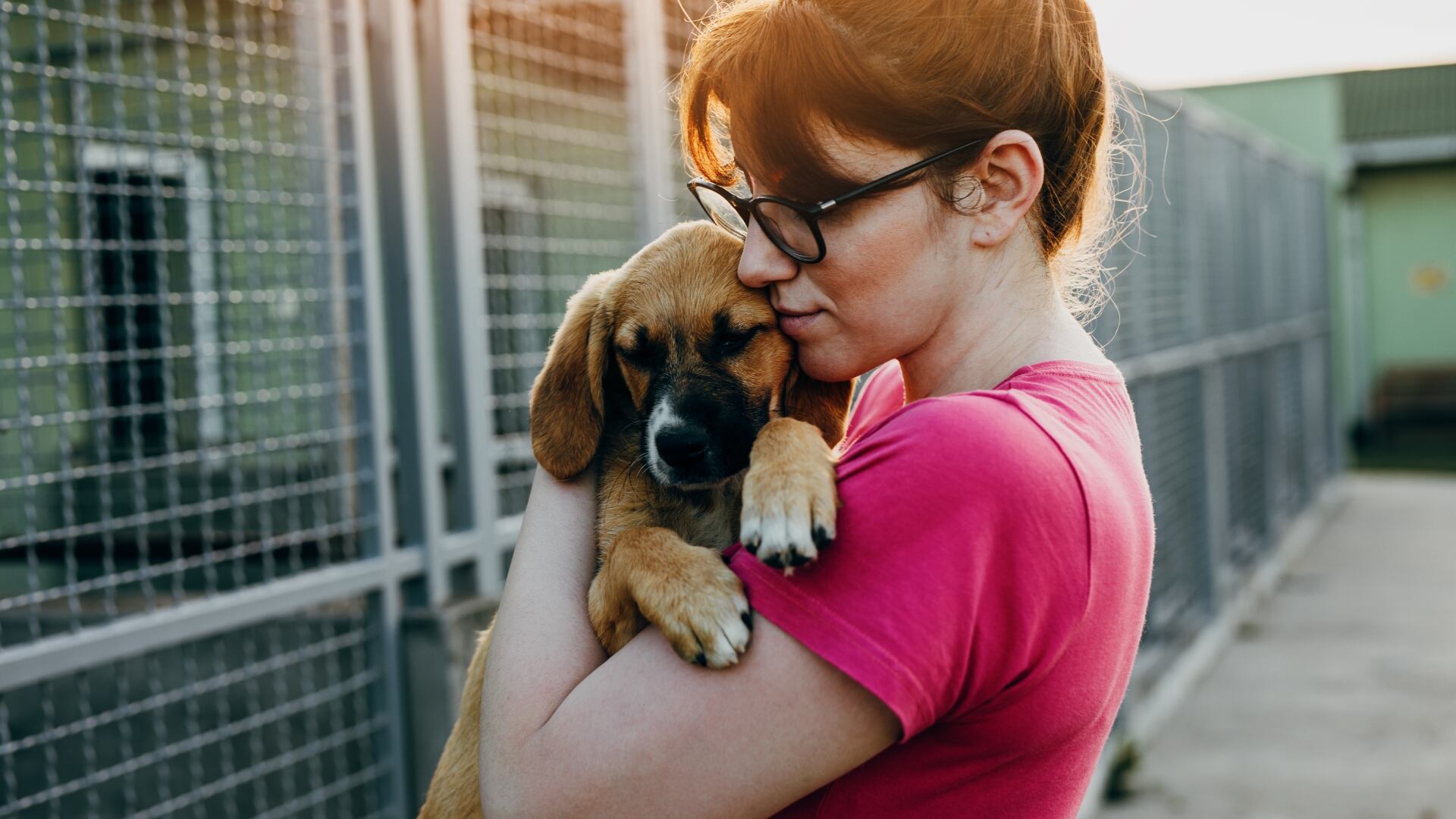
TikTok isn't just for remixing the best trending sounds. The social media platform is having a positive impact on animal shelters and helping pets find forever homes, according to Katie Grissum, the communications and design coordinator for the non-profit animal shelter charity KC Pet Project. Grissum joined Cheddar to break down just how TikTok is being used to raise money and draw more eyes to animals in need of adoption.