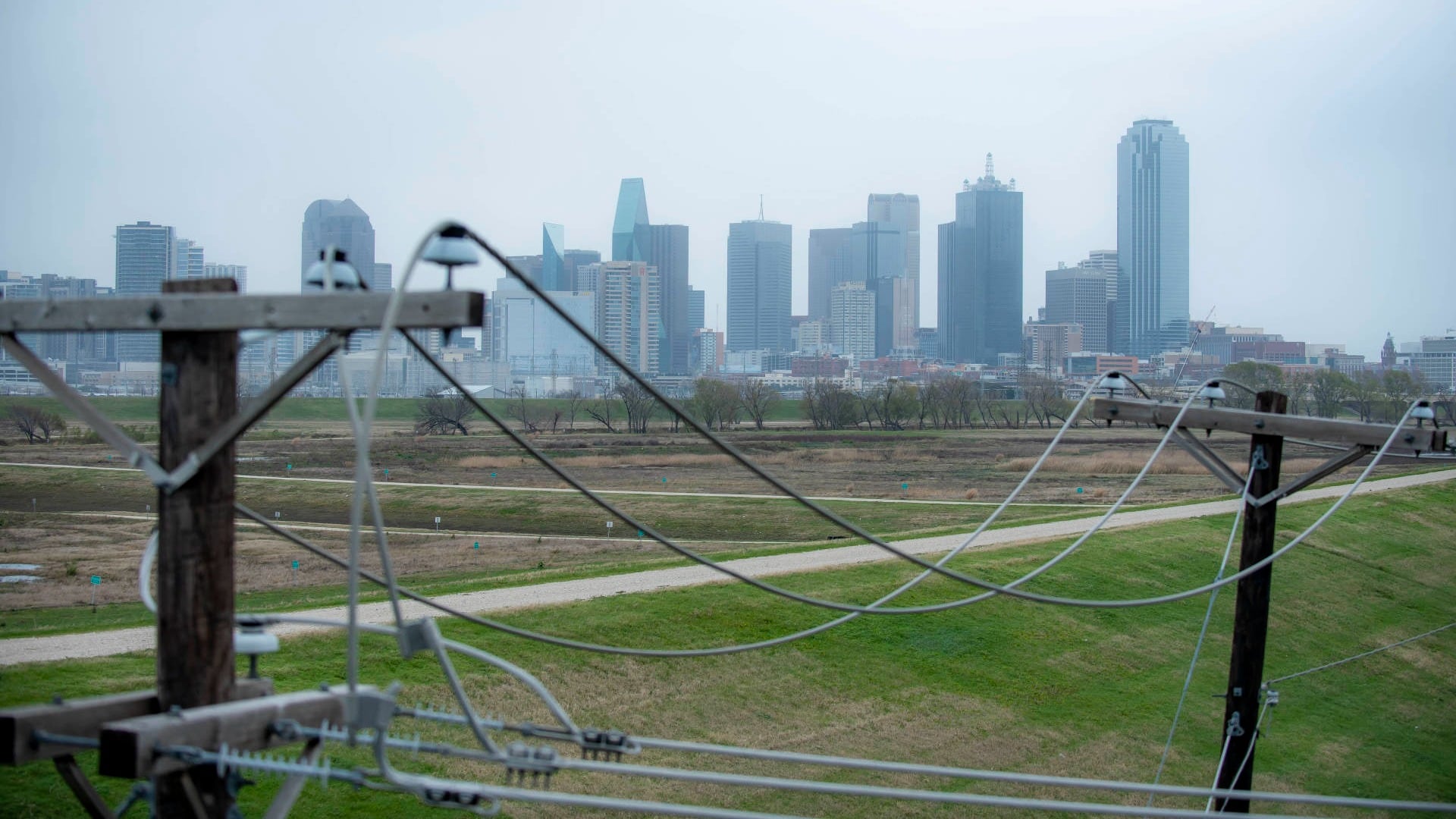
Ford, General Motors, Google Nest, and several energy companies are partnering to support the growth of "virtual power plants" (VPPs) — or networks of decentralized power sources designed to kick in when the grid falls short. RMI, a nonprofit seeking to decarbonize the energy system, is spearheading the effort. 

“Virtual power plants are poised for explosive growth, and RMI is committed to being at the forefront of their success by launching VP3,” said RMI CEO Jon Creyts in a press release. “Our analysis shows that VPPs can reduce peak power demand and improve grid resilience in a world of increasingly extreme climate events." 

How does this work? Virtual power plants pool together both energy producers and consumers under a single entity, from wind and solar farms to home heaters that use smart thermostats. The idea is that these networks can coordinate to both provide and conserve energy as needed, depending on demand on the grid. This could entail using advanced software to prompt members to reduce their consumption. 

On the supply side, producers in a VPP are able to better "monitor, forecast, optimize and trade their power," explains Next, one of Europe's largest VPP operators. "This way, fluctuations in the generation of renewables can be balanced by ramping up and down power generation and power consumption of controllable units." 

So if a wind farm is overproducing, and a solar park is under producing, they can coordinate their output to provide a balanced load. It also allows them to potentially trade together on the same market, putting them in competition with large central power plants. It could also provide additional power options for large industrial consumers, such as automakers. 

“Virtual power plants present an exciting opportunity to unlock additional value for homes, businesses and communities, helping to drive greater energy independence and grid decarbonization,” said Mark Bole, vice president and head of GM's V2X and Battery Solutions. “This collaboration underscores GM’s commitment to creating a more resilient grid, with EVs and virtual power plants playing a key role in helping to advance our all-electric future.”

Share:
More In Technology
How to Implement Preventative Cybersecurity
Liz Mann, EY Americas Cybersecurity Consulting Leader, joins Cheddar News to discuss the state of cybersecurity in 2022, ways to implement preventative cybersecurity practices, and what the next generation of authentication looks like.
Top Trends at CES 2022
CES, the world’s largest annual tech trade show kicked off in Las Vegas on Wednesday. Cheddar News speaks with Ian Sherr, editor at large for CNET, about this year’s biggest trends.
Mainstream Banks Outside U.S. Dive into Crypto Market
At a time when banks in countries like Australia and Spain are offering customers cryptocurrency assets for the first time, Josh Goodbody, COO of Qredo, believes we're going to see more financial institutions across the world unveil their crypto solutions this year after developing them behind the scenes last year. He joined Cheddar News' Closing Bell to discuss.
2022 Marks Crucial Year for Big Tech With Midterm Elections Looming
The new year has just gotten underway, but the clock is already ticking for the Democratic-led Congress to pass bills regulating big tech. Evan Greer, Director for Fight For the Future, joins Cheddar News to explain why Democratic lawmakers would want to push legislation now, and what a Republican takeover would mean for the industry.
Walmart, Kroger Raise At-Home COVID-19 Test Prices
Americans looking to purchase at-home COVID-19 tests will now have to shell out a bit more money after an agreement expired between the White House and companies to sell the tests at cost. The price of Abbot's BinaxNow test kit from October to December was $14 apiece; on Tuesday, Walmart's website listed the test for $19.88, and Kroger listed the tests for $23.99. Carbon Health Regional Clinical Director Dr. Bayo Curry-Winchell joined Cheddar News' Closing Bell to discuss the impact higher prices will have as the nation experiences another surge in cases.
The Self-Driving Vehicle Industry In 2022
2022 is set to be a big year for autonomous technology. After many new partnerships, acquisitions, and developments in 2021, all eyes will be on the self-driving sector to see what progress, or lack there-of, will be made this year. Soroush Salehian, CEO and co-founder of Aeva, gives a look at what's ahead for the industry.
Load More