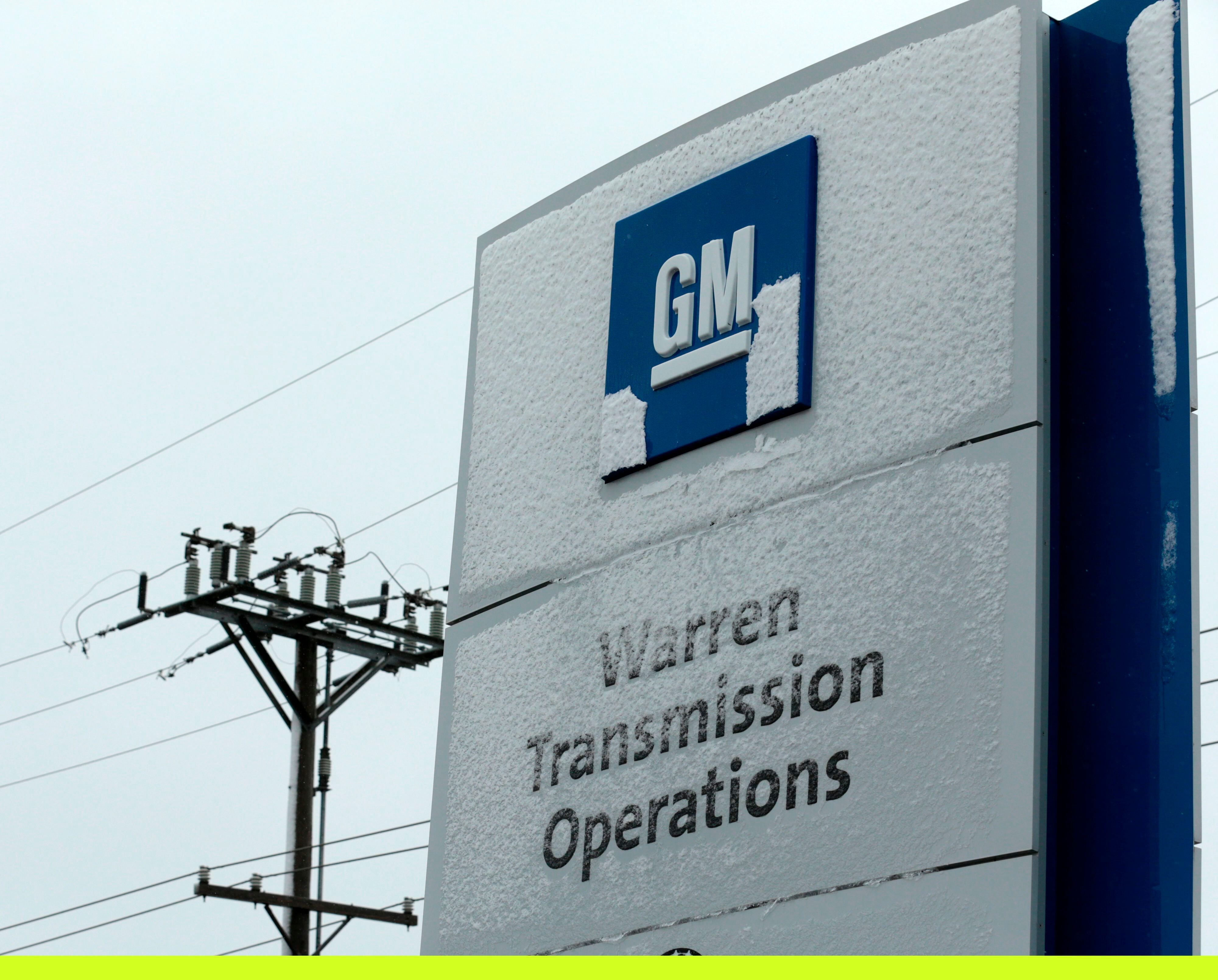
File photo of the shuttered General Motors Warren Transmission Operations facility. (Photo credit: JEFF KOWALSKY/AFP via Getty Images/FILE
After a series of angry outbursts from President Trump, General Motors on Friday announced that it will be working with the medical device maker Ventec Life Systems to ramp up production of ventilators at a GM factory in Indiana.
The companies are preparing to build as many as 200,000 ventilators.
GM will also start manufacturing surgical masks next week at its plant in Warren, Mich., where it hopes to produce 50,000 masks a day in as soon as two weeks, and as many as 100,000 masks a day if needed.
The ventilator breathing devices and the masks are in short supply as hospitals across the country have struggled to cope with soaring numbers of coronavirus cases.
GM last week was the first automaker to publicly confirm that it would use some of its manufacturing capacity to help produce the equipment. Ford and Tesla have since made similar announcements. All three companies have joined other automakers in halting vehicle production to help slow the spread of coronavirus.
“This unique partnership combines Ventec’s respiratory care expertise with GM’s manufacturing might to produce sophisticated and high-quality critical care ventilators,” Ventec CEO Chris Kiple said in a statement. “This pandemic is unprecedented and so is the response, with incredible support from GM and their suppliers. Healthcare professionals on the front lines deserve the best tools to treat patients and precision critical care ventilators like VOCSN are what is necessary to save lives.”
About 1,000 workers will return to the assembly lines to help with the production.
The announcement Friday afternoon followed a remarkable string of Twitter attacks by Trump, lashing out at GM and its CEO, Mary Barra. The president’s tirade began after an eye-popping New York Times report the previous evening that Trump had abruptly backed out of a deal in which the Federal government would buy some 80,000 ventilators for about $1.5 billion.
Federal officials cited concerns that GM would not be able to deliver as many ventilators as it promised. However, even as they worried about having too few ventilators, officials also fretted that the federal government would end up with an excess of ventilators.
Trump also reportedly cited concerns about the deal’s cost, although the price-tag would have amounted to about $18,000 a ventilator — a mere fraction of the $2 trillion relief package that Congress approved this week, or roughly equivalent to 18 F-35 fighter jets.
“We are proud to stand with other American companies and our skilled employees to meet the needs of this global pandemic,” GM’s Barra said in a statement. “This partnership has rallied the GM enterprise and our global supply base to support Ventec, and the teams are working together with incredible passion and commitment. I am proud of this partnership as we work together to address urgent and life-saving needs.”
On this episode of ChedHER, Amira Rasool, CEO and Founder of The Folklore, discusses her $1.7 million pre-seed funding round and why she's being intentional about the investors she's working with; Brittany Merrill-Yeng, co-founder Skrewball Whiskey, reveals the origins of Skrewball Whisky, experiencing a period of rapid growth, and navigating a male-dominated industry; Suz Hernandez, Owner of MamaP, breaks down how her company is combining eco-friendly and sustainable products with a mission to donate to non-profits that help people and the planet.
On this episode of ChedHER: CEO of The Lactation Network breaks down how they are expanding access to lactation support for families nationwide; CEO of Vanta explains the importance of a security team for startups; Midwest Divison Area Manager at JPMorgan Chase discusses the perks of having a business mentor.
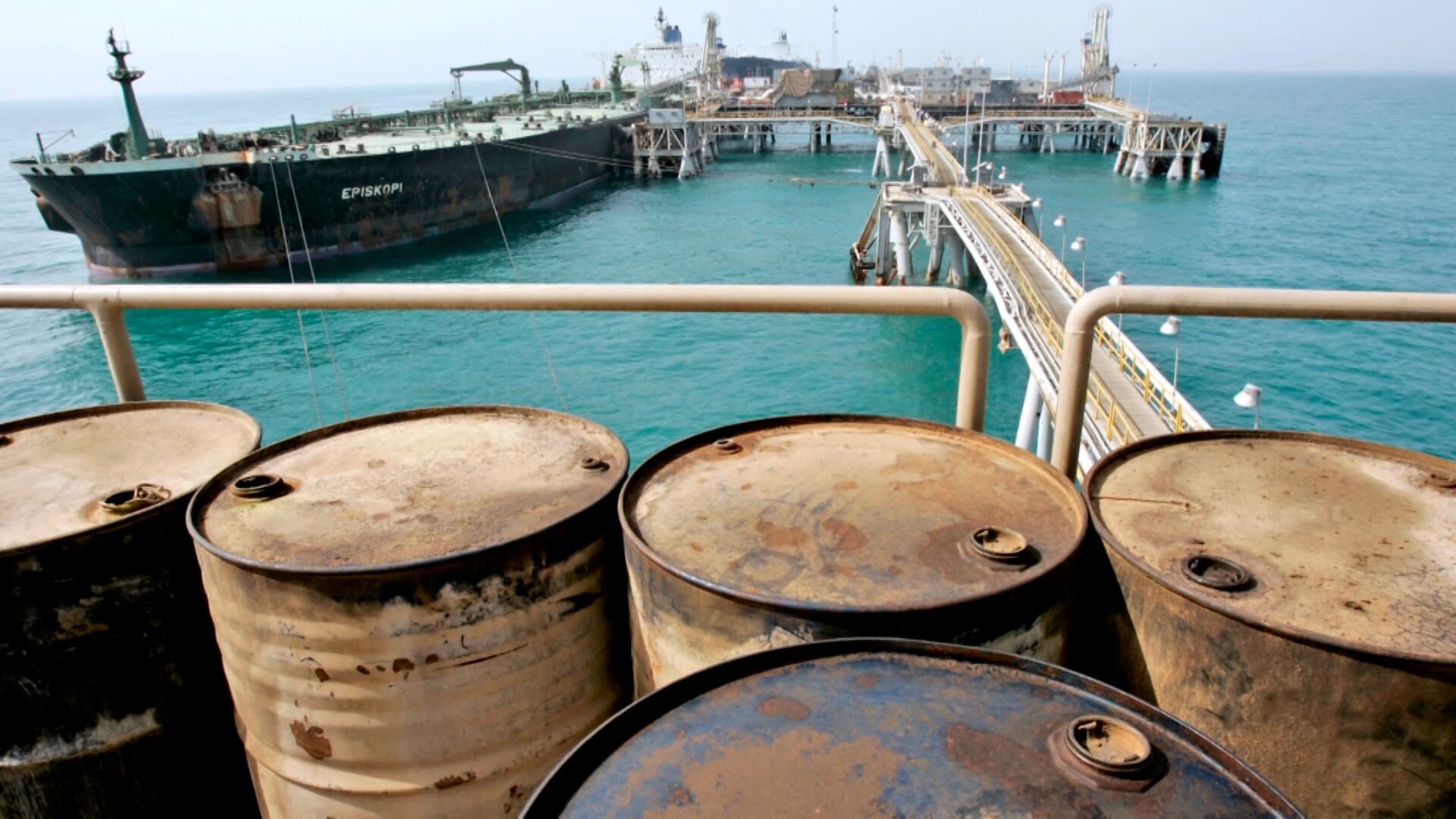
The global oil benchmark has crossed the $100 per barrel mark for the first time since 2014. Oil prices have surged nearly 10 percent since Russia's invasion of Ukraine. Russia is the number two oil producer in the world, and it comes at a time when global oil supplies have already been constrained over the course of the past year. Rob Thummel, portfolio manager at Tortoise, joined Cheddar Movers to discuss.
Russia's economy is falling on hard times as businesses throughout the world continue to shut out the country after its invasion of Ukraine. Cheddar News was joined by Christine McDaniel, Senior Research Fellow at the Mercatus Center, to learn more about the situation.
Tech companies such as Google, Apple, and Twitter are the latest to announce back-to-office plans. Google has asked its employees to return starting on April 4th. Heidi Brooks, senior lecturer in organizational behavior at Yale University School of Management, joins Cheddar News to discuss.
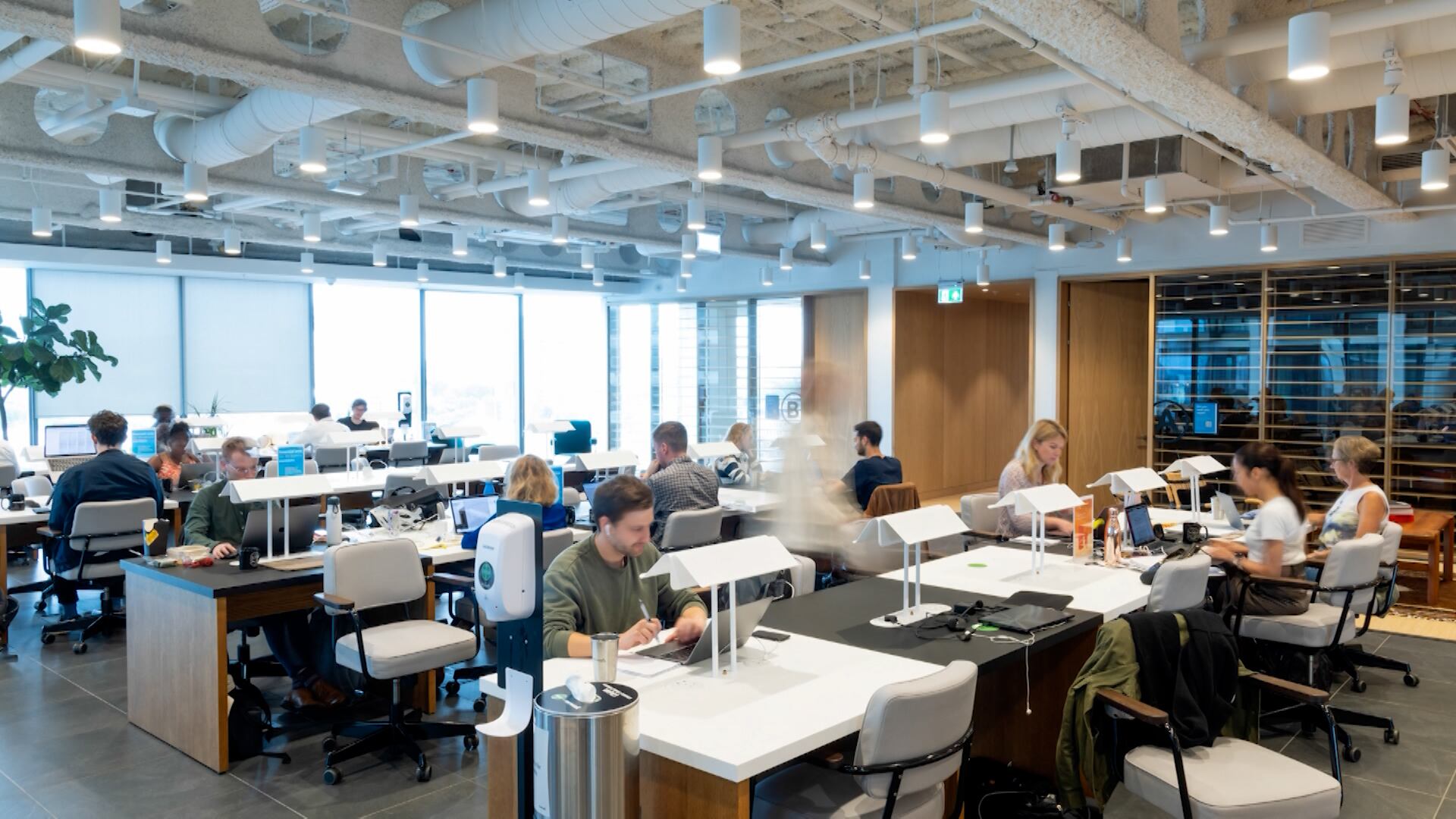
Businesses face more challenges for building a positive work environment as offices reopen. Workplace tech platform Envoy's At Work Report showed that hybrid work is currently in vogue, featuring focused work in both the office and at home. Annette Reavis, chief people officer for Envoy, joined Cheddar to discuss how employers can smooth the rough edges for their returning employees. "It is about hybrid though, it's really important for the future that we change our mindset from five days a week," she said. "Those are days of the past to working hybrids. So when you're in the office, you're focused, you're working cross-functionally."
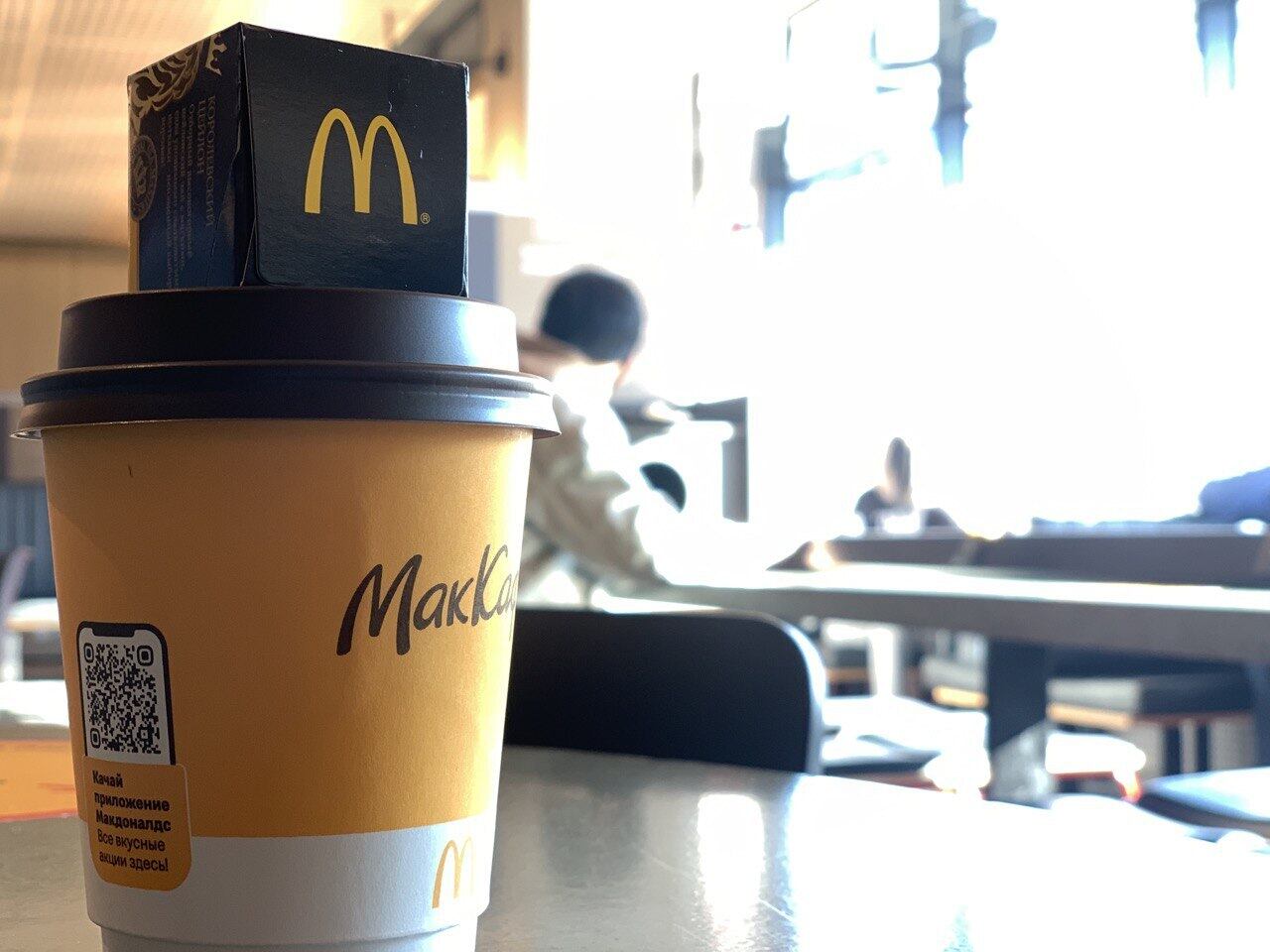
Following the invasion of Ukraine, a multitude of Western companies have paused doing business with Russia. PepsiCo, Coca-Cola, McDonald's, and Starbucks are the most recent companies to temporarily cease operations in Russia. Dean of Miami Herbert Business School at the University of Miami, John Quelch, joined Cheddar News to discuss what message this sends to Russia and the Russian consumer. “I would not underestimate the collective strength of all of these multinational companies, essentially coming together to make their collective statement in support of the political statements that have come out of Washington," he said.