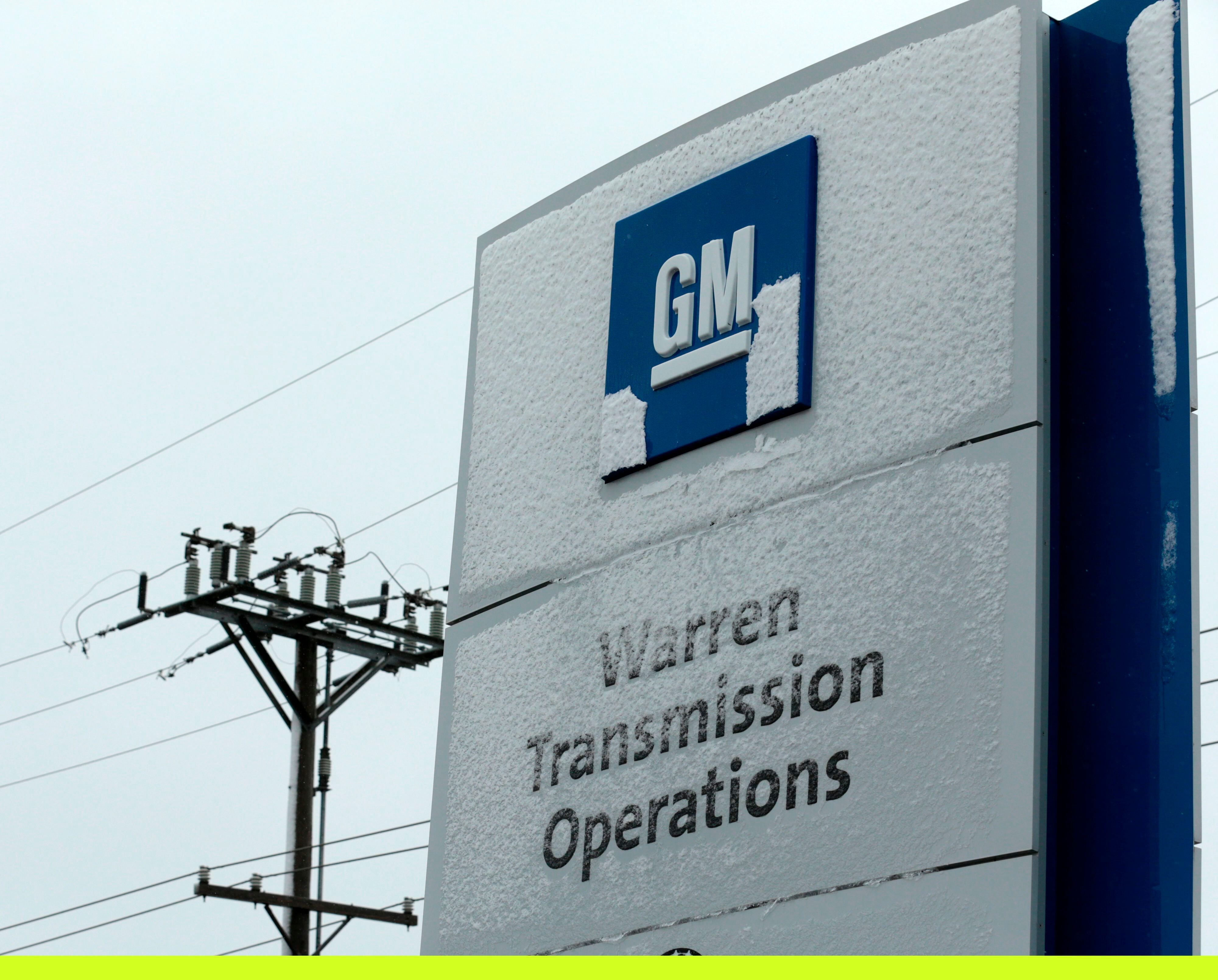
File photo of the shuttered General Motors Warren Transmission Operations facility. (Photo credit: JEFF KOWALSKY/AFP via Getty Images/FILE
After a series of angry outbursts from President Trump, General Motors on Friday announced that it will be working with the medical device maker Ventec Life Systems to ramp up production of ventilators at a GM factory in Indiana.
The companies are preparing to build as many as 200,000 ventilators.
GM will also start manufacturing surgical masks next week at its plant in Warren, Mich., where it hopes to produce 50,000 masks a day in as soon as two weeks, and as many as 100,000 masks a day if needed.
The ventilator breathing devices and the masks are in short supply as hospitals across the country have struggled to cope with soaring numbers of coronavirus cases.
GM last week was the first automaker to publicly confirm that it would use some of its manufacturing capacity to help produce the equipment. Ford and Tesla have since made similar announcements. All three companies have joined other automakers in halting vehicle production to help slow the spread of coronavirus.
“This unique partnership combines Ventec’s respiratory care expertise with GM’s manufacturing might to produce sophisticated and high-quality critical care ventilators,” Ventec CEO Chris Kiple said in a statement. “This pandemic is unprecedented and so is the response, with incredible support from GM and their suppliers. Healthcare professionals on the front lines deserve the best tools to treat patients and precision critical care ventilators like VOCSN are what is necessary to save lives.”
About 1,000 workers will return to the assembly lines to help with the production.
The announcement Friday afternoon followed a remarkable string of Twitter attacks by Trump, lashing out at GM and its CEO, Mary Barra. The president’s tirade began after an eye-popping New York Times report the previous evening that Trump had abruptly backed out of a deal in which the Federal government would buy some 80,000 ventilators for about $1.5 billion.
Federal officials cited concerns that GM would not be able to deliver as many ventilators as it promised. However, even as they worried about having too few ventilators, officials also fretted that the federal government would end up with an excess of ventilators.
Trump also reportedly cited concerns about the deal’s cost, although the price-tag would have amounted to about $18,000 a ventilator — a mere fraction of the $2 trillion relief package that Congress approved this week, or roughly equivalent to 18 F-35 fighter jets.
“We are proud to stand with other American companies and our skilled employees to meet the needs of this global pandemic,” GM’s Barra said in a statement. “This partnership has rallied the GM enterprise and our global supply base to support Ventec, and the teams are working together with incredible passion and commitment. I am proud of this partnership as we work together to address urgent and life-saving needs.”
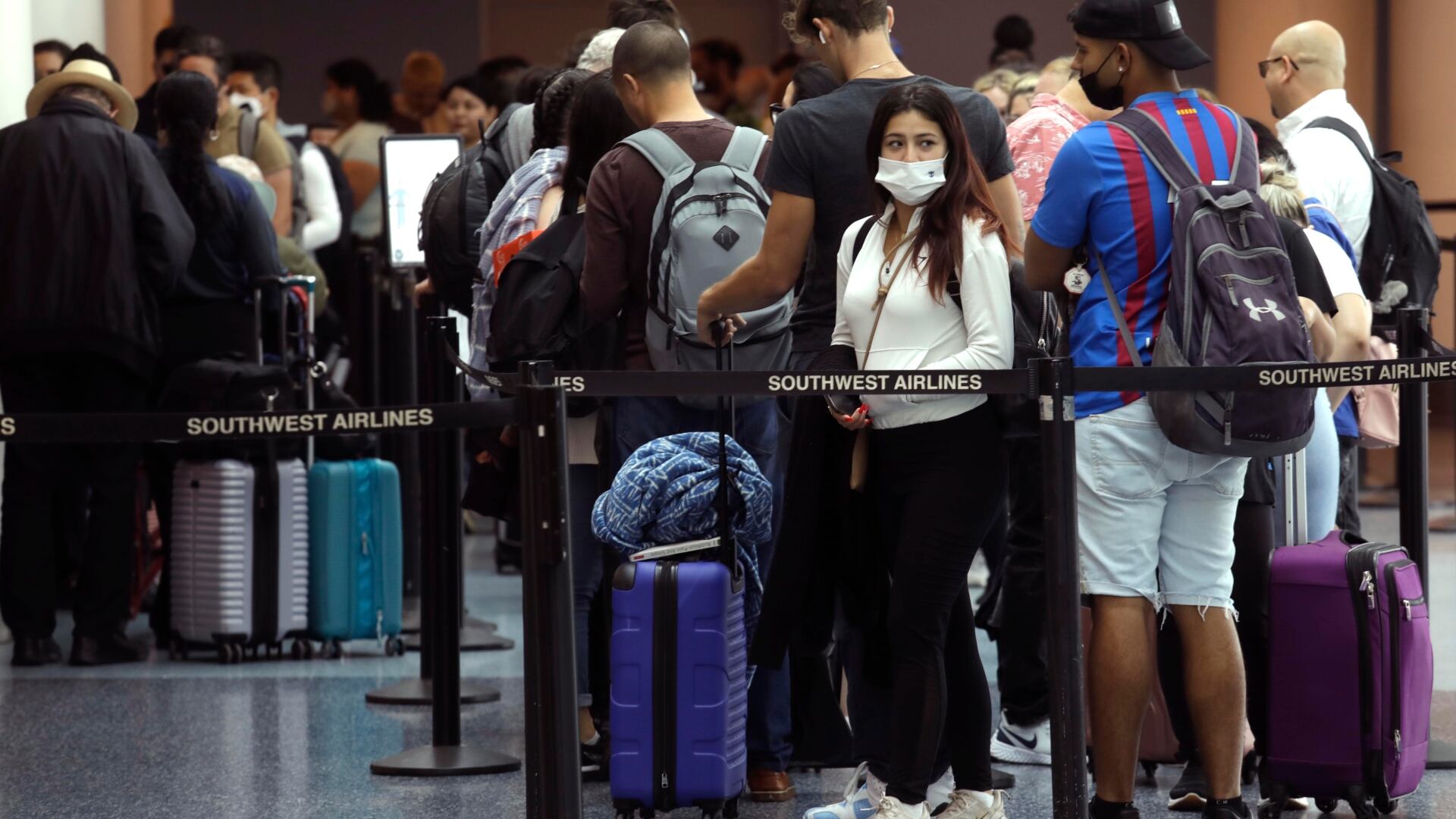
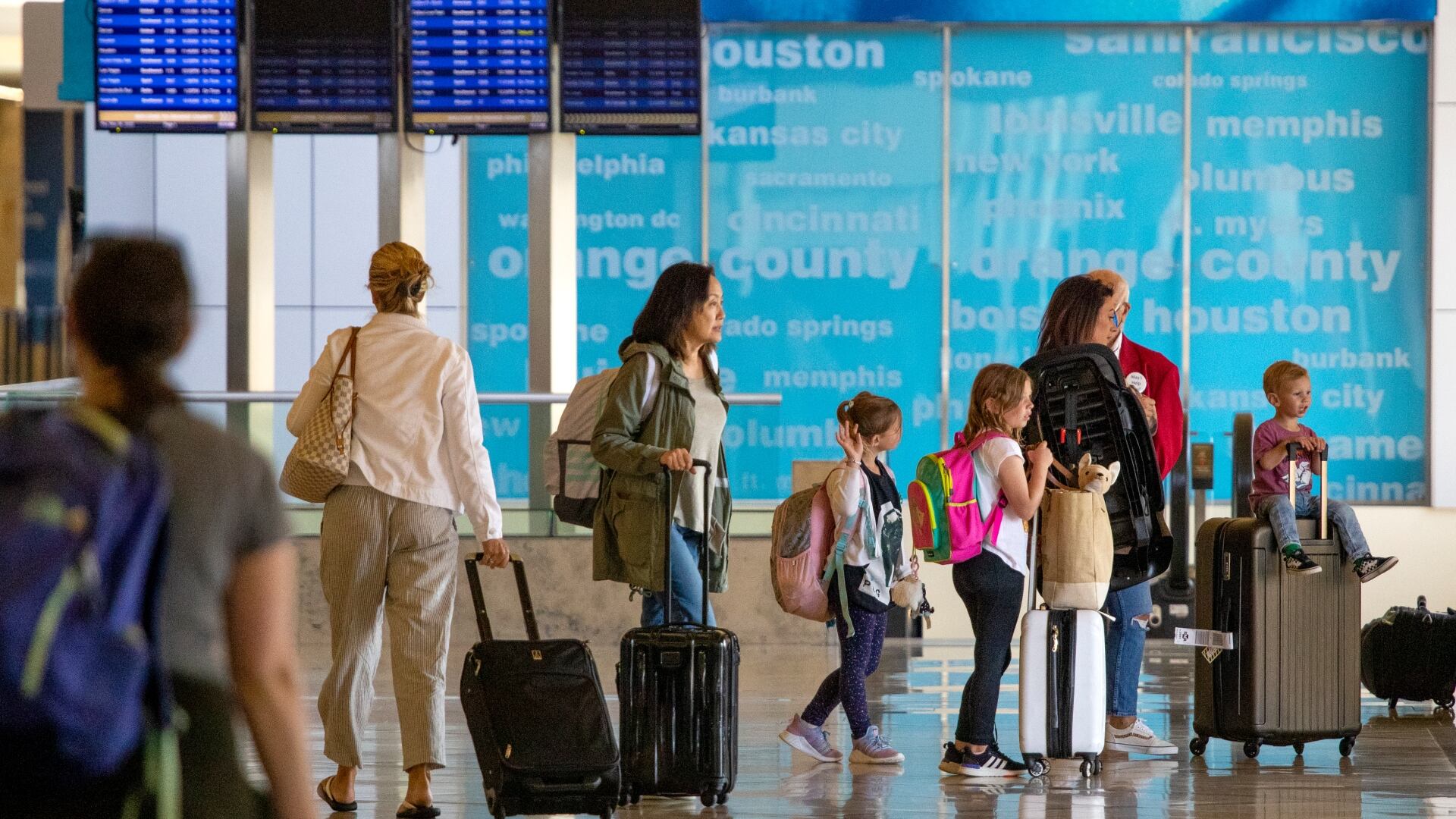
Memorial Day rang in the unofficial start of summer here in the United States -- and with it, the unofficial start of summer travel. Whether consumers traveled by air or by land, they probably experienced some form of frustration over the weekend. Flyers faced delays and cancellations, and drivers faced the most expensive gas prices ever recorded on Memorial Day. Zach Griff, Senior Aviation Reporter for the Points Guy, joins Cheddar News' Closing Bell to discuss.
Next-generation gaming ecosystem Joystick recently raised $8 million in a seed round and is in the process of raising a $110 million Series A funding round. Gaming ecosystems are a relatively new type of platform in the Web3 space, allowing users to maximize their play-to-earn gaming opportunities, exchange crypto-currencies, and sell their digital assets. Joystick says its platform is flipping the current model on its head by giving players the opportunity to keep 100% of the revenue they earn. Robin Defay, co-founder and CEO of Joystick, and Michael Le, co-founder of Joystick and TikTok content creator, join Cheddar News' Closing Bell to discuss.
Abe Stein, Head of Innovation at Sports Innovation Lab, joins Cheddar News' Closing Bell, where he explains why the top four spots on his company's 2022 list are European soccer clubs and discusses Sports Innovation Lab's plan to publish data on women's pro sports teams in the not-too-distant future.
Joel Birch, Co-Founder and CEO of Stacked, joins Cheddar News' Closing Bell, where he explains why he doesn't see any new catalysts that would lead to a Bitcoin rally at the moment. He also reiterates that now is a good time for long-term Bitcoin investors to buy low.
The dating app Bumble has sponsored bills and pushed lawmakers to criminalize the online practice of sending unsolicited nudes or “cyberflashing." Payton Iheme, Bumble's head of public policy for the Americas, joined Cheddar News to discuss why the app was going after the harassing behavior beyond its own platform. "Now, while we went to work internally in the company, and we created something called private detector to automatically blur those images so the user can decide if they want to see them, there's nothing for the rest of the internet," she said. "And so that's why we went to work with these laws."
The holiday weekend saw Disney+ and Netflix competing head-to-head for streaming views as the Disney behemoth kicked off the unofficial start to summer with its release of "Obi-Wan Kenobi" and Netflix responded with the first part of "Stranger Things" Season 4. The streaming giants caught the eye of Wall Street, and Seth Schachner, the managing director at consultancy Strat Americas, joined Cheddar News to break down the heavy hitters. "This is a very tough, competitive game, and I don't see it getting any easier," he said. "I think you'll probably see more consolidation."