After a series of angry outbursts from President Trump, General Motors on Friday announced that it will be working with the medical device maker Ventec Life Systems to ramp up production of ventilators at a GM factory in Indiana.

The companies are preparing to build as many as 200,000 ventilators. 

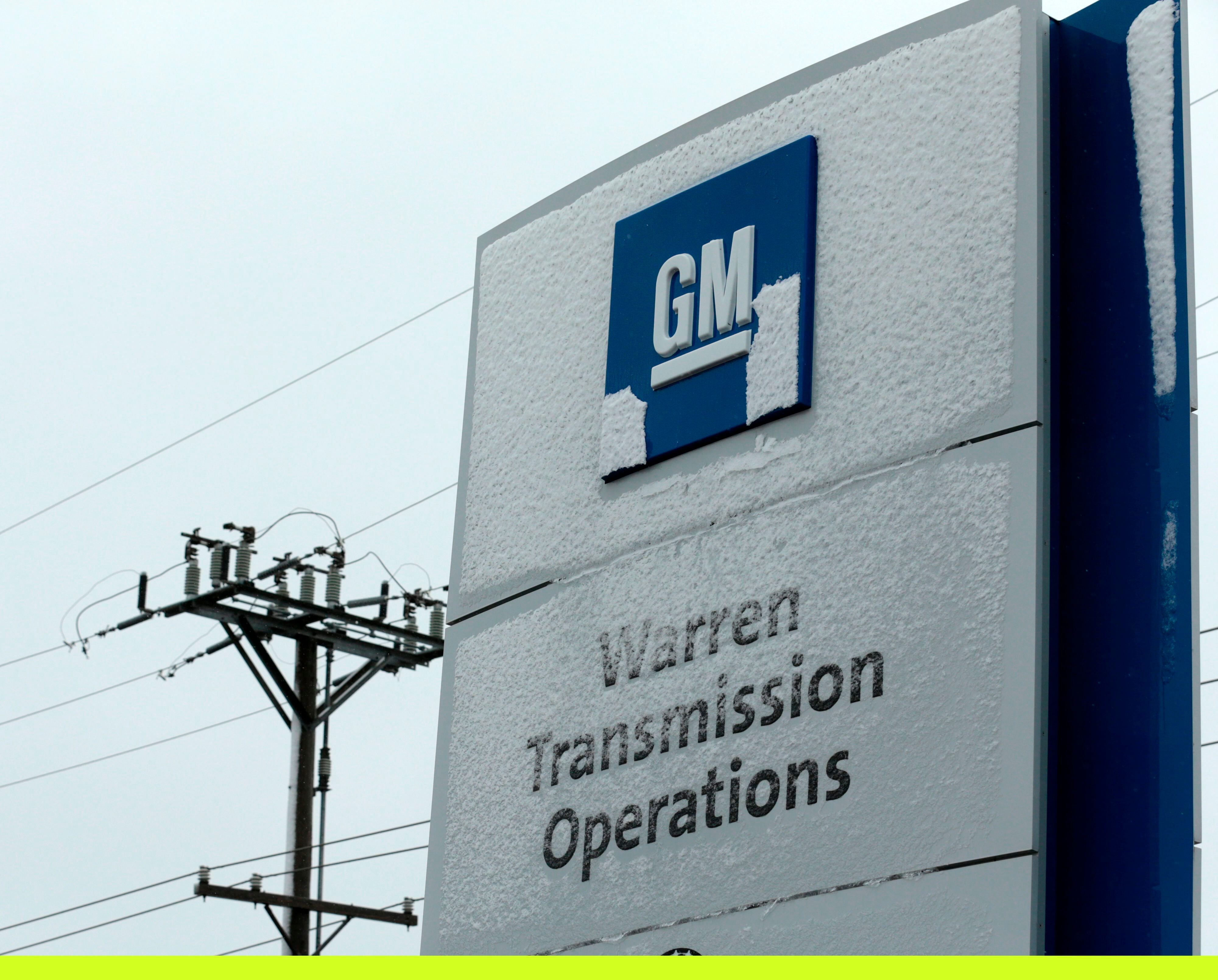
GM will also start manufacturing surgical masks next week at its plant in Warren, Mich., where it hopes to produce 50,000 masks a day in as soon as two weeks, and as many as 100,000 masks a day if needed.

The ventilator breathing devices and the masks are in short supply as hospitals across the country have struggled to cope with soaring numbers of coronavirus cases. 

GM last week was the first automaker to publicly confirm that it would use some of its manufacturing capacity to help produce the equipment. Ford and Tesla have since made similar announcements. All three companies have joined other automakers in halting vehicle production to help slow the spread of coronavirus. 

“This unique partnership combines Ventec’s respiratory care expertise with GM’s manufacturing might to produce sophisticated and high-quality critical care ventilators,” Ventec CEO Chris Kiple said in a statement. “This pandemic is unprecedented and so is the response, with incredible support from GM and their suppliers. Healthcare professionals on the front lines deserve the best tools to treat patients and precision critical care ventilators like VOCSN are what is necessary to save lives.”

About 1,000 workers will return to the assembly lines to help with the production.

The announcement Friday afternoon followed a remarkable string of Twitter attacks by Trump, lashing out at GM and its CEO, Mary Barra. The president’s tirade began after an eye-popping New York Times report the previous evening that Trump had abruptly backed out of a deal in which the Federal government would buy some 80,000 ventilators for about $1.5 billion.

Federal officials cited concerns that GM would not be able to deliver as many ventilators as it promised. However, even as they worried about having too few ventilators, officials also fretted that the federal government would end up with an excess of ventilators.

Trump also reportedly cited concerns about the deal’s cost, although the price-tag would have amounted to about $18,000 a ventilator — a mere fraction of the $2 trillion relief package that Congress approved this week, or roughly equivalent to 18 F-35 fighter jets.  

“We are proud to stand with other American companies and our skilled employees to meet the needs of this global pandemic,” GM’s Barra said in a statement. “This partnership has rallied the GM enterprise and our global supply base to support Ventec, and the teams are working together with incredible passion and commitment. I am proud of this partnership as we work together to address urgent and life-saving needs.”

Share:
More In Business
N2K: Gun Reform In Congress, Jan. 6 Hearings, SCOTUS Decision On The Way
Catching you up on the stories you need to know this morning, the U.S. could soon get its first major gun safety law in years, the House Select Committee investigating the January 6th attack on the U.S. capitol holds its second hearing, and today might just be the day the Supreme Court overturns Roe v. Wade, and decides on new gun laws.
U.S. Stocks Close at Session Lows
U.S. stocks closed Thursday at their lowest levels of the trading day, as investors continue to eye inflation ahead of the May CPI report out Friday. Art Hogan, Chief Market Strategist for National Holdings, joins Cheddar News' Closing Bell to discuss.
Branding 101
Creating a brand is one of the most important steps in building a business. It can help set you apart from the competition and tells customers what your values are, but many companies don't know how to brand themselves effectively. Tiana Von Johnson, CEO & Chief Brand Strategist of TVJ World, gives expert tips on the do’s and don’ts of branding.
Housing Affordability Drops To Lowest Level On Record
Housing affordability has collapsed to its lowest level on record over the last year. According to the national association of realtors, affordability has dropped by 29%, thanks to surging home prices and mortgage rates. Odeta Kushi, Deputy Chief Economist of First American, breaks down the housing market, and when buyers can expect prices to finally drop.
Markets Plunge On Hotter-Than-Expected Inflation Data
U.S. markets opened sharply lower on Friday on hotter-than-expected inflation data. The May CPI showed an 8.6% jump in consumer prices year-over-year, higher the expected 8.3%. Mark Howard, Senior Multi-Asset Specialist at BNP Paribas joined Cheddar's Opening Bell to discuss.
U.S. Stocks Close at Session Lows Following High May Inflation Data
U.S. stocks closed Friday at session lows after May CPI data showed inflation in the U.S. has not peaked and is still rising rapidly. For the week, the S&P fell 5.06%, the Dow lost 4.58%, and the Nasdaq dropped 5.60%, marking the worst week since January for all three major indexes. Mike Zigmont, Head of Trading and Research at Harvest Volatility Management, joins Cheddar News' Closing Bell to discuss.
Resilience Force Tackles Unemployment, Climate Change With Job Creation and Community Outreach
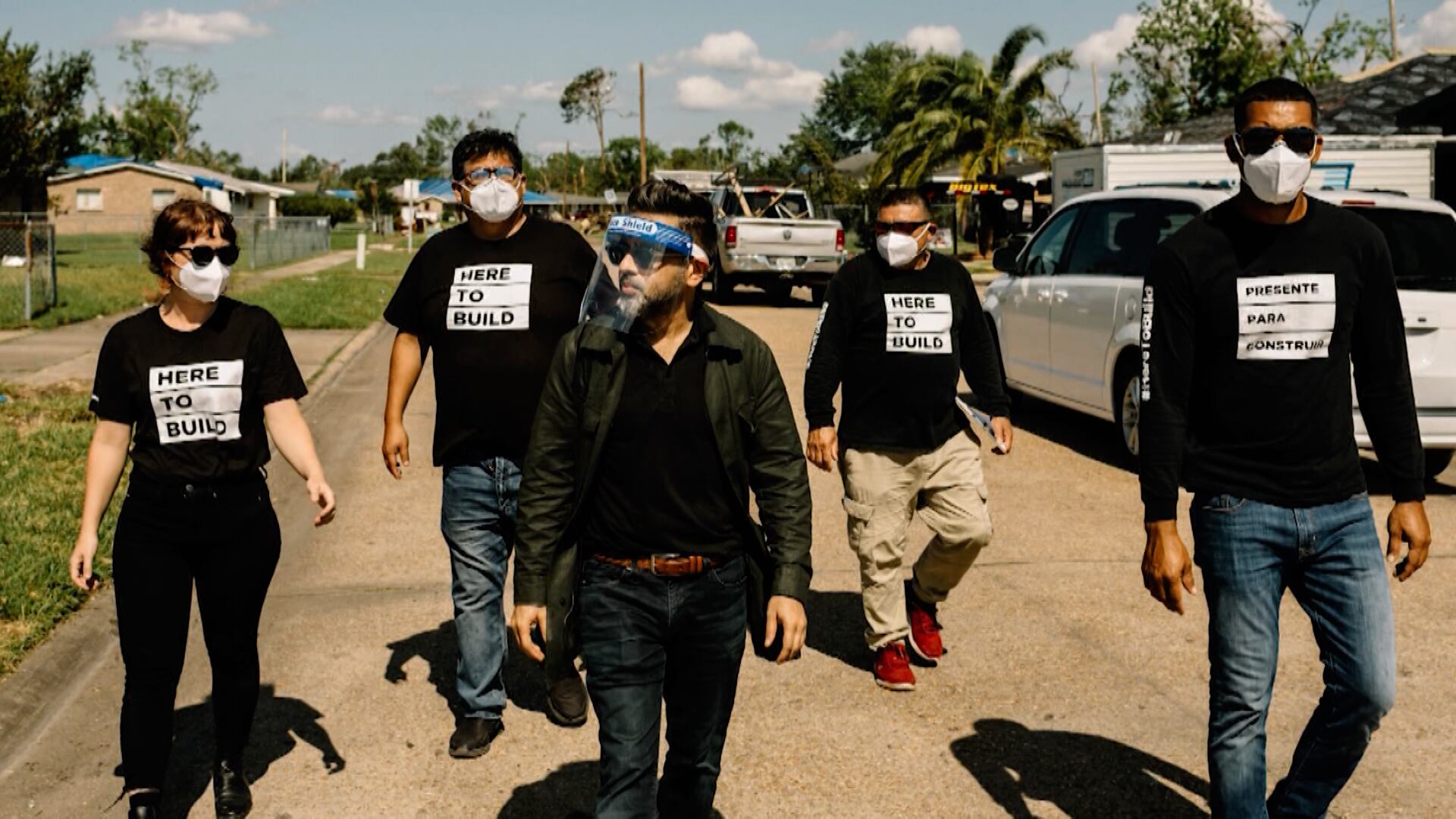
Residents often have to wait on federal assistance after a disaster, but one group has a solution: hiring community members to help clean up and improve their neighborhoods. Resilience Force tackles two problems at once by creating jobs in response to growing climate-related disasters. LaTanja Silvester, director of New Orleans programming for Resilience Force, joins Closing Bell to discuss how the organization creates jobs in communities that need help and higher employment, the importance of creating a "green" workforce, and more.
Load More