Earth sizzled in July and became the hottest month in 142 years of recordkeeping, U.S. weather officials announced.
As extreme heat waves struck parts of the United States and Europe, the globe averaged 62.07 degrees (16.73 degrees Celsius) last month, beating out the previous record set in July 2016 and tied again in 2019 and 2020. the National Oceanic and Atmospheric Administration said Friday. The margin was just .02 degrees (.01 Celsius),
The last seven Julys, from 2015 to 2021, have been the hottest seven Julys on record, said NOAA climatologist Ahira Sanchez-Lugo. Last month was 1.67 degrees (0.93 degrees Celsius) warmer than the 20th century average for the month.
“In this case first place is the worst place to be,” NOAA Administrator Rick Spinrad said in a press release. “This new record adds to the disturbing and disruptive path that climate change has set for the globe."
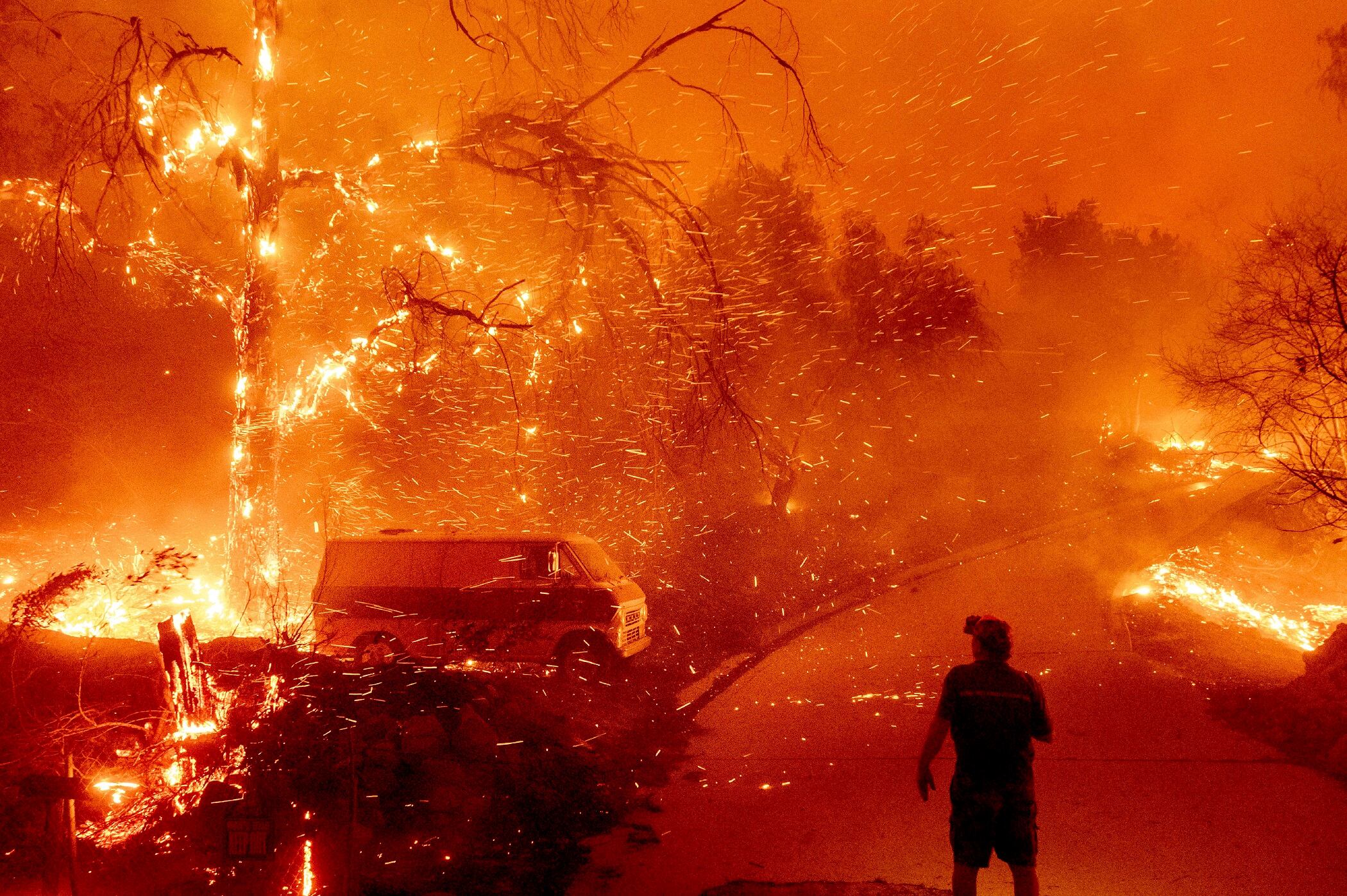
“This is climate change," said Pennsylvania State University climate scientist Michael Mann. “It is an exclamation mark on a summer of unprecedented heat, drought, wildfires and flooding.”
Earlier this week, a prestigious United Nations science panel warned of worsening climate change caused by the burning of coal, oil and natural gas and other human activity.
Warming on land in western North America and in parts of Europe and Asia really drove the record-setting heat, Sanchez-Lugo said. While the worldwide temperature was barely higher than the record, what shattered it was land temperature over the Northern Hemisphere, she said.
Northern Hemisphere temperatures were a third of a degree (.19 degrees Celsius) higher than the previous record set in July 2012, which for temperature records is “a wide margin,” Sanchez-Lugo said.
July is the hottest month of the year for the globe, so this is also the hottest month on record.
One factor helping the world bake this summer is a natural weather cycle called the Arctic Oscillation, sort of a cousin to El Nino, which in its positive phase is associated with more warming, the NOAA climatologist said.
Even with a scorching July and a nasty June, this year so far is only the sixth warmest on record. That's mostly because 2021 started cooler than recent years due to a La Nina cooling of the central Pacific that often reduces the global temperature average, Sanchez-Lugo said.
“One month by itself does not say much, but that this was a La Nina year and we still had the warmest temperatures on record ... fits with the pattern of what we have been seeing for most of the last decade now,” said University of Illinois meteorology professor Donald Wuebbles.
While the world set a record in July, the United States only tied for its 13th hottest July on record. Even though California, Nevada, Oregon and Washington had their hottest Julys, slightly cooler than normal months in Texas, Oklahoma, Kansas, Arkansas, Missouri, Alabama, Maine, Vermont and New Hampshire kept the nation from approaching record heat levels.
The last time the globe had a July cooler than the 20th century average was in 1976, which was also the last year the globe was cooler than that normal.
“So if you’re younger than 45 you haven’t seen a year (or July) where the mean temperature of the planet was cooler than the 20th century average,” said Princeton University climate scientist Gabriel Vecchi.
___
The Associated Press Health and Science Department receives support from the Howard Hughes Medical Institute’s Department of Science Education. The AP is solely responsible for all content.
In a nearly 3,700 page UN report, climate scientists outline the imminent dangers caused by climate change, saying fossil fuels are 'choking humanity.' The report calls some of the impacts of global warming 'irreversible,' warning of extreme consequences in the near future. Kristie L. Ebi, Professor of Global Health and Environmental and Occupational Health Sciences, University of Washington joined Cheddar's Opening Bell to discuss.
World leaders are currently dealing with a handful of pressing issues, including Russia's invasion of Ukraine, inflation, and not to mention the COVID-19 pandemic; but it could be argued that the most pressing issue is one that has experienced its fair share of neglect in the past -- climate change. As tensions escalate between Russia and Ukraine, there is fear the focus on climate will once again be pushed aside. However, the White House appears to be making some effort to prevent that from happening. The White House Office of Science and Technology held a first-of-its-kind roundtable discussion with some of the nation's leading climate scientists on Thursday. Michael Mann, Director of the Earth System Science Center at Pennsylvania State University, and author of the book 'The New Climate War' joins Cheddar News' Closing Bell to discuss his experience as one of the climate scientists at the White House event.
On December 25, 2021, NASA got into the holiday spirit by launching the James Webb Space Telescope, the largest and most powerful space science observatory in history.
It is intended to succeed the Hubble Space Telescope as NASA's flagship mission in astrophysics and is able to view objects too old and distant for Hubble. Gregory Robinson, director of NASA's James Webb Space Telescope program, joins Cheddar News' Closing Bell to discuss the mission. "I think a lot of what we don't know today is what I'm expecting to find and certainly really understand what took place more than 13.5 billion years ago and see the formation of some of the first galaxies in our universe," said Robinson.
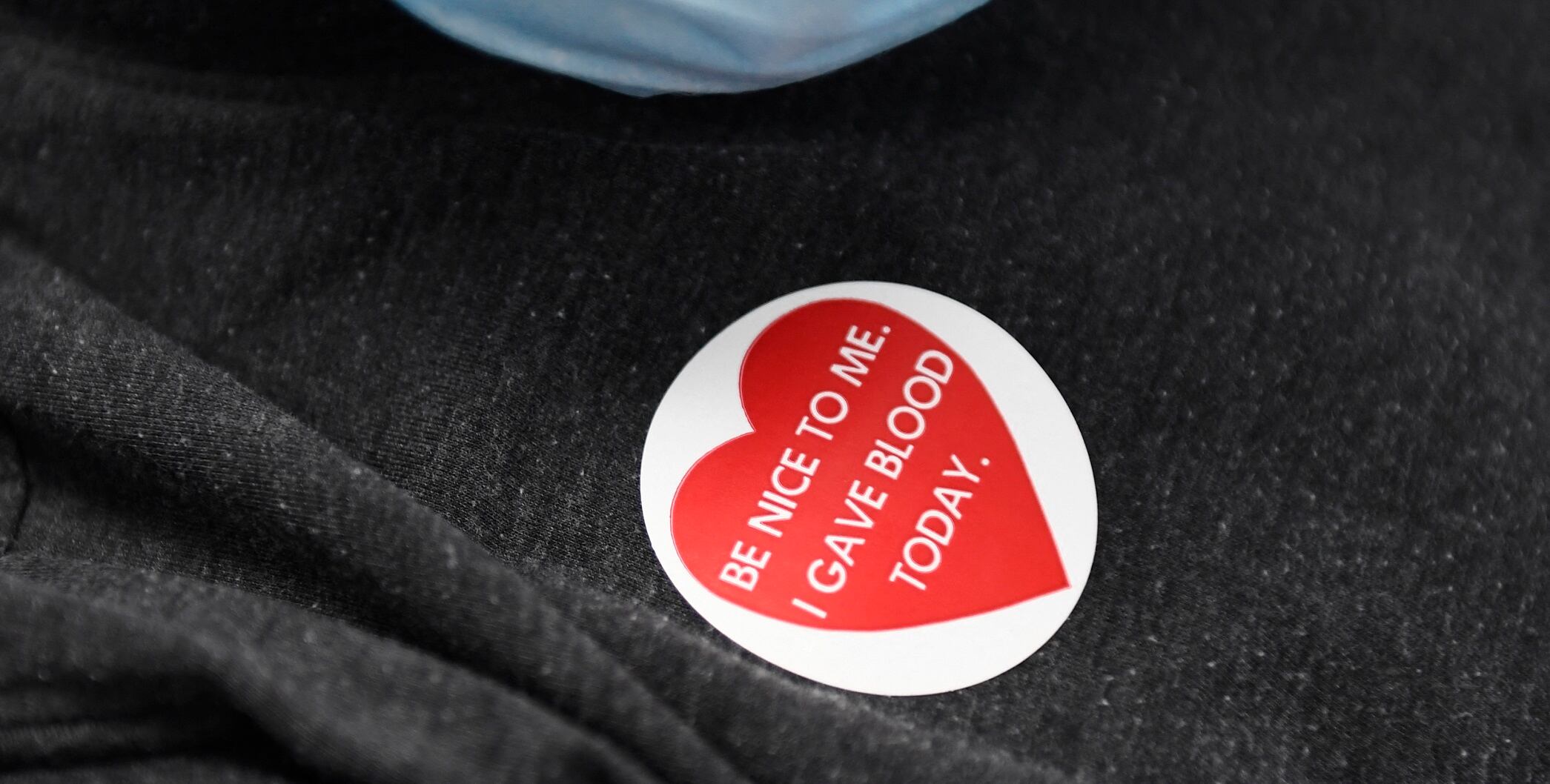
The COVID-19 pandemic disrupted blood donations leading to severe shortages throughout the country. Chloe Aiello reports on the desperate need for new donors.
GSK has unveiled its new consumer health unit called Haelon. Haleon will debut as a standalone company later this year. Katie Williams, U.S. chief marketing officer at GSK, joined Cheddar News to discuss.
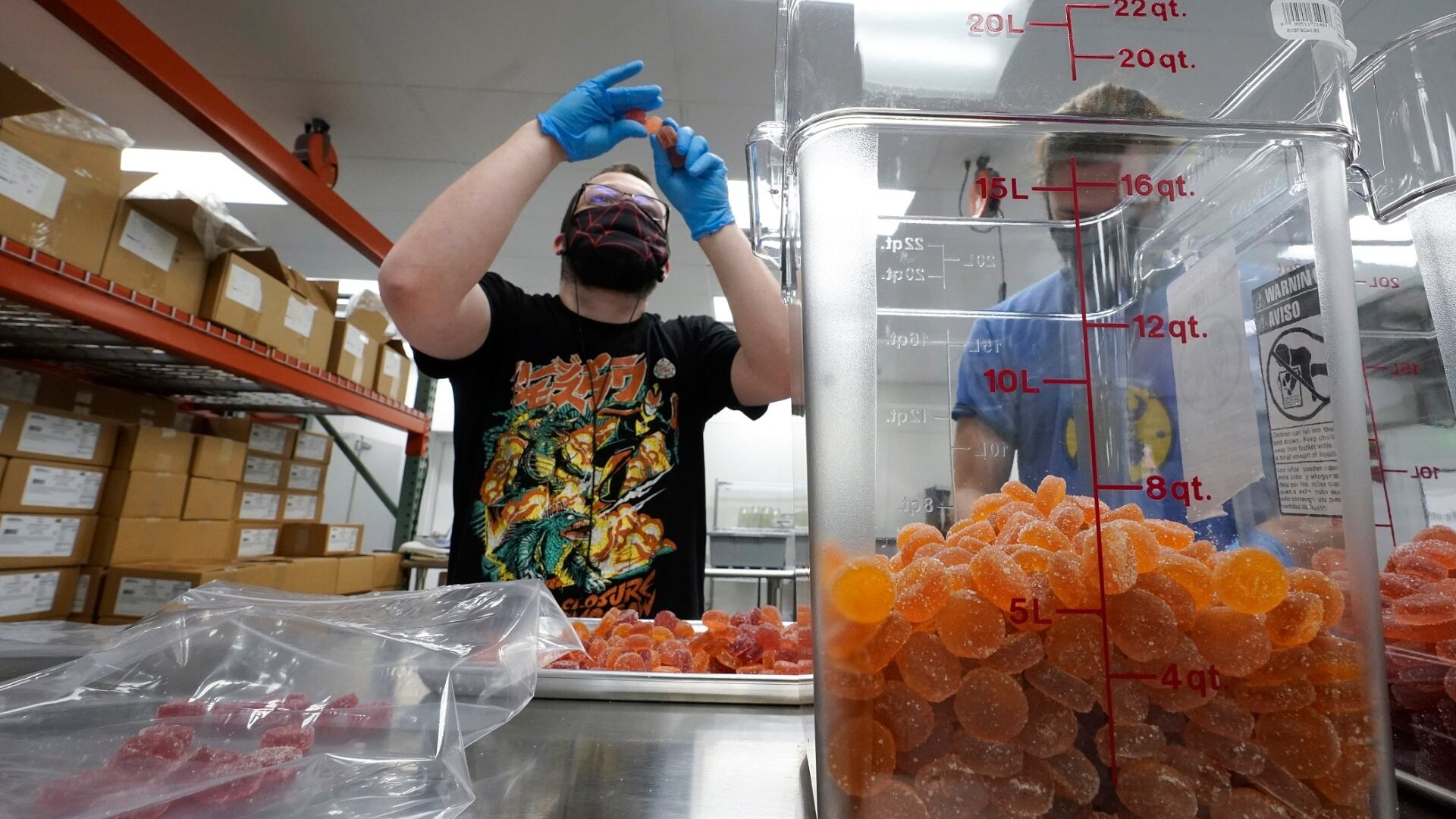
Even amid the Great Resignation, the cannabis industry saw major job growth. As of January 2022, the legal industry supported more than 428,000 jobs — a 33 percent increase year-over-year, according to the sixth annual jobs report from Leafly, a website focused on cannabis use and education. Yoko Miyashita, CEO of Leafly, joined Cheddar News' Closing Bell to discuss. “You know we've got big moments coming ahead in New Jersey and New York with adult-use sales starting in New Jersey, hopefully by this fall, with New York quickly to follow," she said. "So we're hugely optimistic about the kind of job growth that those markets can drive with the right type of market setup.
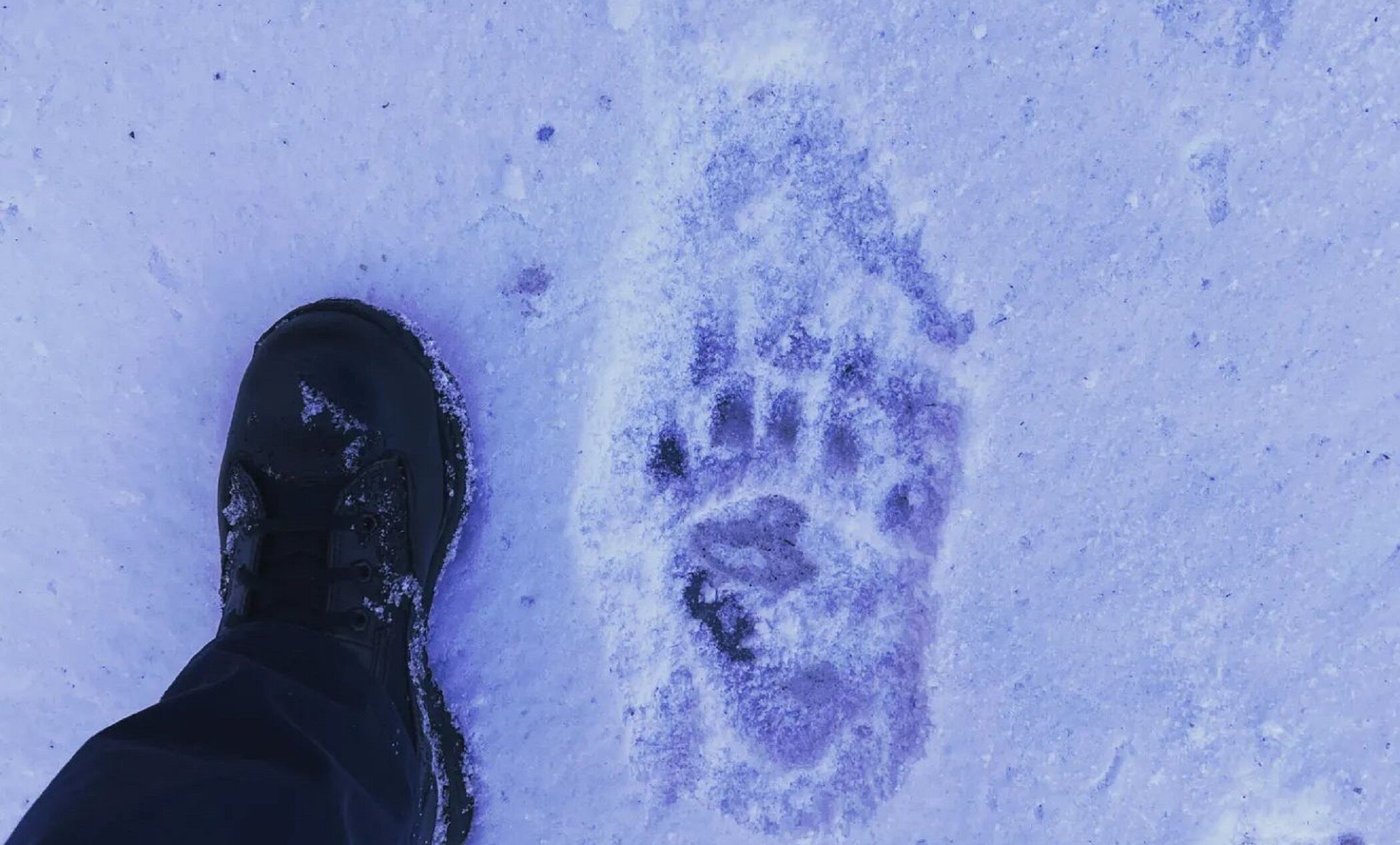
DNA evidence now shows that the 500-pound black bear the public had nicknamed “Hank the Tank” is, in fact, three not-so-little bears who have damaged more than 30 properties around Lake Tahoe in recent months.
The Biden administration will significantly loosen federal mask-wearing guidelines to protect against COVID-19 transmission on Friday, according to two people familiar with the matter.