Earth sizzled in July and became the hottest month in 142 years of recordkeeping, U.S. weather officials announced.
As extreme heat waves struck parts of the United States and Europe, the globe averaged 62.07 degrees (16.73 degrees Celsius) last month, beating out the previous record set in July 2016 and tied again in 2019 and 2020. the National Oceanic and Atmospheric Administration said Friday. The margin was just .02 degrees (.01 Celsius),
The last seven Julys, from 2015 to 2021, have been the hottest seven Julys on record, said NOAA climatologist Ahira Sanchez-Lugo. Last month was 1.67 degrees (0.93 degrees Celsius) warmer than the 20th century average for the month.
“In this case first place is the worst place to be,” NOAA Administrator Rick Spinrad said in a press release. “This new record adds to the disturbing and disruptive path that climate change has set for the globe."
“This is climate change," said Pennsylvania State University climate scientist Michael Mann. “It is an exclamation mark on a summer of unprecedented heat, drought, wildfires and flooding.”
Earlier this week, a prestigious United Nations science panel warned of worsening climate change caused by the burning of coal, oil and natural gas and other human activity.
Warming on land in western North America and in parts of Europe and Asia really drove the record-setting heat, Sanchez-Lugo said. While the worldwide temperature was barely higher than the record, what shattered it was land temperature over the Northern Hemisphere, she said.
Northern Hemisphere temperatures were a third of a degree (.19 degrees Celsius) higher than the previous record set in July 2012, which for temperature records is “a wide margin,” Sanchez-Lugo said.
July is the hottest month of the year for the globe, so this is also the hottest month on record.
One factor helping the world bake this summer is a natural weather cycle called the Arctic Oscillation, sort of a cousin to El Nino, which in its positive phase is associated with more warming, the NOAA climatologist said.
Even with a scorching July and a nasty June, this year so far is only the sixth warmest on record. That's mostly because 2021 started cooler than recent years due to a La Nina cooling of the central Pacific that often reduces the global temperature average, Sanchez-Lugo said.
“One month by itself does not say much, but that this was a La Nina year and we still had the warmest temperatures on record ... fits with the pattern of what we have been seeing for most of the last decade now,” said University of Illinois meteorology professor Donald Wuebbles.
While the world set a record in July, the United States only tied for its 13th hottest July on record. Even though California, Nevada, Oregon and Washington had their hottest Julys, slightly cooler than normal months in Texas, Oklahoma, Kansas, Arkansas, Missouri, Alabama, Maine, Vermont and New Hampshire kept the nation from approaching record heat levels.
The last time the globe had a July cooler than the 20th century average was in 1976, which was also the last year the globe was cooler than that normal.
“So if you’re younger than 45 you haven’t seen a year (or July) where the mean temperature of the planet was cooler than the 20th century average,” said Princeton University climate scientist Gabriel Vecchi.
___
The Associated Press Health and Science Department receives support from the Howard Hughes Medical Institute’s Department of Science Education. The AP is solely responsible for all content.
After two decades of engineering, over $10 billion, and a series of delays, the most powerful telescope built by NASA is finally scheduled to launch on Saturday. The James Webb Space Telescope was built to provide a fresh look at the universe by detecting light that is invisible to the human eye and to reveal new information about the universe's oldest stars and galaxies. Lou Strolger, observatory scientist and deputy head of instruments division, space telescope, joins Cheddar News.
Carlo and Baker kick off the weirdest week of the year with all the news you missed over the holiday weekend, including calls for the CDC to shorten its isolation window as Omicron sweeps through the country.
The 2022 Winter Olympics will be without some of hockey's biggest players. The NHL and the NHL Player's Association have agreed to not participate in the men's hockey tournament at the Games in Beijing next year. The league has been forced to postpone some games because of a rise in COVID-19 cases among players. Washington Post sports reporter Samantha Pell joins Cheddar News' Closing Bell to discuss what this could mean for the Winter Olympics and the sport of hockey.
The National Highway Traffic Safety Administration has opened a formal investigation into Tesla. The agency is looking into about 580,000 Tesla vehicles, and a feature called 'Passenger Play' which allows drivers to play video games on the center touch screen. The feature previously only worked when a vehicle was in park; but, the NHTSA says it has confirmed that the feature has been available while vehicles are in motion since December of 2020. iSeeCars.com executive analyst Karl Brauer joins Cheddar News' Closing Bell to discuss.
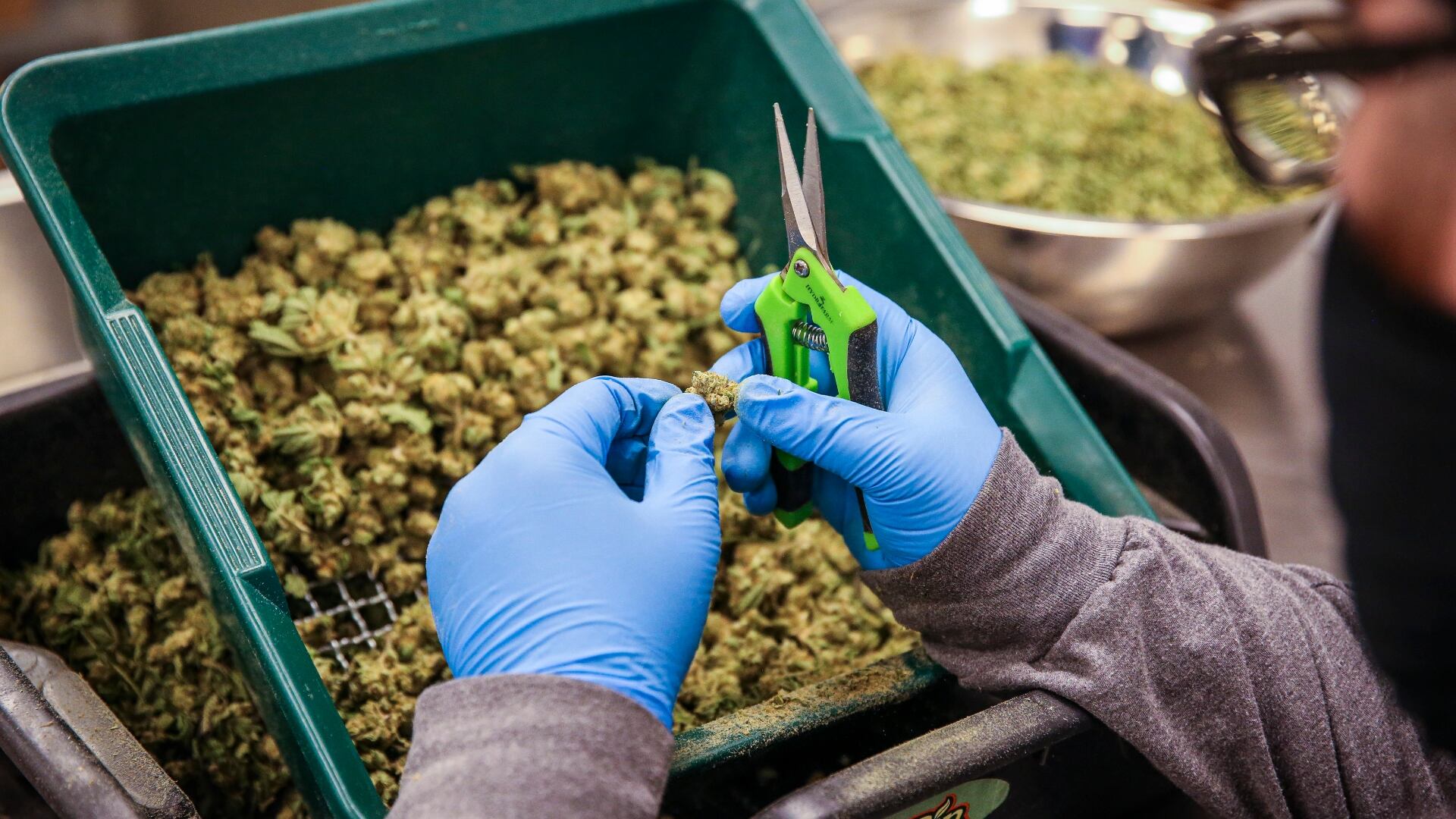
Baron Davis and Kate Hudson want you to bring cannabis home for the holidays. The cannabis-infused seltzer brand Cann released a new spot featuring the actress and former NBA player. The campaign comes hand in hand with Cann's launch of a new holiday bundle, which includes its product with Hudson's King Street Vodka. Davis and Hudson are also Cann investors. Cheddar cannabis reporter Chloe Aiello spoke to Davis about his involvement with the company and its new campaign.
Healthcare workforce management platform ShiftMed
recently announced a $45 million funding round.
The company's platform connects nurses and healthcare professionals to hospitals and other healthcare providers.
ShiftMed's new funding comes amid widespread labor shortages in the healthcare sector. The company's CEO Todd Walrath joins Cheddar News' Closing Bell to discuss.
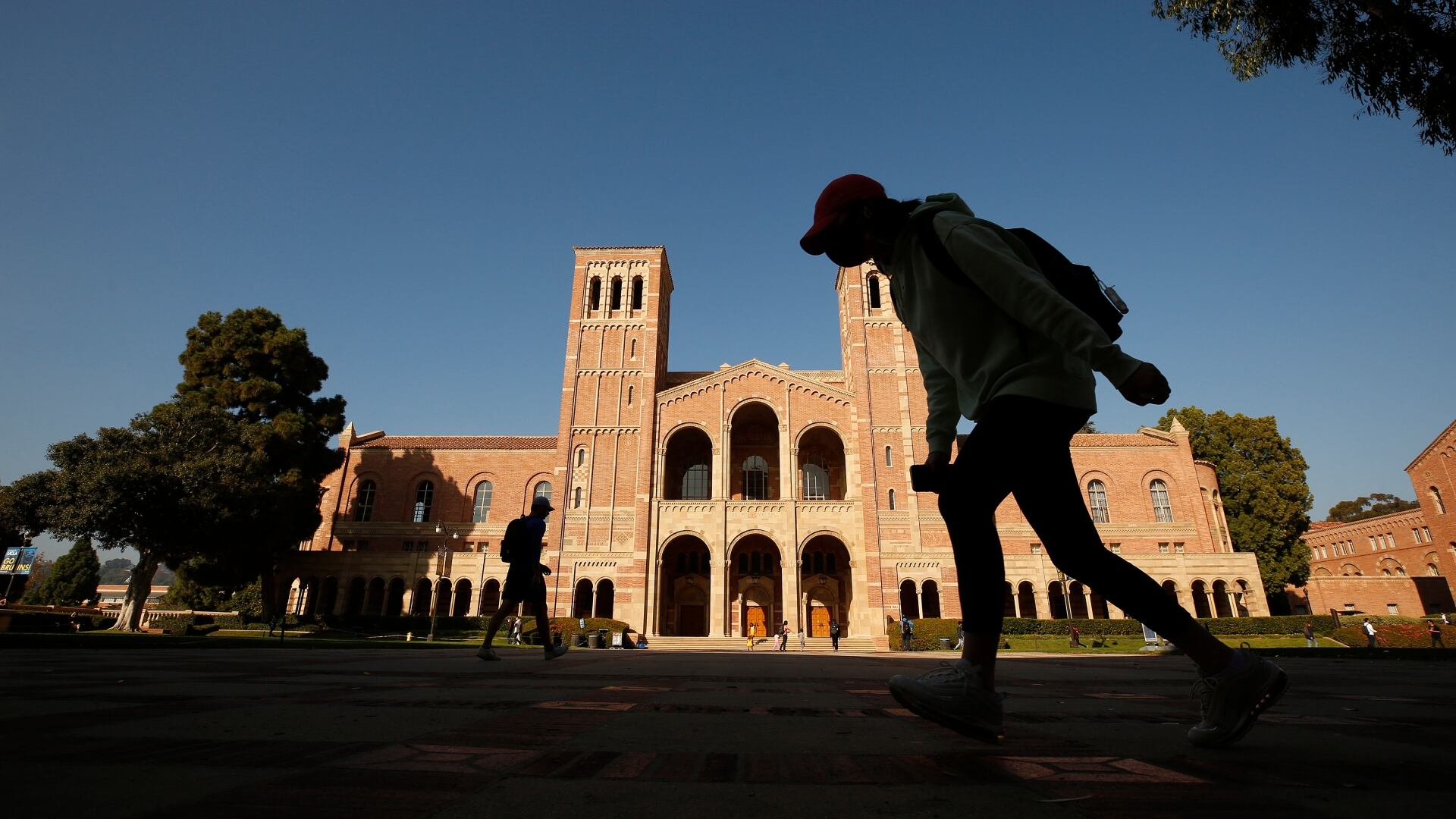
Universities like UCLA, Yale, and Duke have announced they're implementing remote learning amid the COVID omicron variant surge, despite President Biden recommending that K-12 schools should continue in-person education. Jared C. Bass, senior director for Higher Education at American Progress, joined Cheddar to break down what institutions of higher education might be considering differently. "I think some universities are allowing periods of a bit of a respite to allow students to get testing and make sure when they do return back to campus that they're healthy," he noted.
Supply chain issues have become one of the biggest roadblocks for the U.S. EV market, with production woes likely to stunt the industry's growth in 2022. Rich Steinberg, electric vehicle expert and industry advisor, told Cheddar that the Biden administration investing in domestic mining for essential minerals used in battery manufacturing — such as lithium — could help alleviate the bottlenecks. "Some of those same materials are available domestically, they just haven't been prioritized," he said, noting the paradox between green tech and "dirty" mining. "The good news is that there are ways to extract those materials cleanly."
Hyperfine, the pioneer of the very first FDA-approved portable MRI device, made its public debut on the Nasdaq via a SPAC merger. CEO Dave Scott joined Cheddar's "Opening Bell" to discuss the IPO launch, the company's valuation at $580 million, and the impact of its machine called Swoop. "We can roll an MRI system, our MRI Swoop system, right into the room where you are, right up to your patient bedside, and scan you right there and get an image in less than an hour," he explained.
Dr. Rob Davidson, Executive Director of the Committee to Protect Health Care and an ER Physician in West Michigan, joins Cheddar News to break down the expectations of Pfizer's new COVID-19 treatment pill.