Earth sizzled in July and became the hottest month in 142 years of recordkeeping, U.S. weather officials announced.
As extreme heat waves struck parts of the United States and Europe, the globe averaged 62.07 degrees (16.73 degrees Celsius) last month, beating out the previous record set in July 2016 and tied again in 2019 and 2020. the National Oceanic and Atmospheric Administration said Friday. The margin was just .02 degrees (.01 Celsius),
The last seven Julys, from 2015 to 2021, have been the hottest seven Julys on record, said NOAA climatologist Ahira Sanchez-Lugo. Last month was 1.67 degrees (0.93 degrees Celsius) warmer than the 20th century average for the month.
“In this case first place is the worst place to be,” NOAA Administrator Rick Spinrad said in a press release. “This new record adds to the disturbing and disruptive path that climate change has set for the globe."
“This is climate change," said Pennsylvania State University climate scientist Michael Mann. “It is an exclamation mark on a summer of unprecedented heat, drought, wildfires and flooding.”
Earlier this week, a prestigious United Nations science panel warned of worsening climate change caused by the burning of coal, oil and natural gas and other human activity.
Warming on land in western North America and in parts of Europe and Asia really drove the record-setting heat, Sanchez-Lugo said. While the worldwide temperature was barely higher than the record, what shattered it was land temperature over the Northern Hemisphere, she said.
Northern Hemisphere temperatures were a third of a degree (.19 degrees Celsius) higher than the previous record set in July 2012, which for temperature records is “a wide margin,” Sanchez-Lugo said.
July is the hottest month of the year for the globe, so this is also the hottest month on record.
One factor helping the world bake this summer is a natural weather cycle called the Arctic Oscillation, sort of a cousin to El Nino, which in its positive phase is associated with more warming, the NOAA climatologist said.
Even with a scorching July and a nasty June, this year so far is only the sixth warmest on record. That's mostly because 2021 started cooler than recent years due to a La Nina cooling of the central Pacific that often reduces the global temperature average, Sanchez-Lugo said.
“One month by itself does not say much, but that this was a La Nina year and we still had the warmest temperatures on record ... fits with the pattern of what we have been seeing for most of the last decade now,” said University of Illinois meteorology professor Donald Wuebbles.
While the world set a record in July, the United States only tied for its 13th hottest July on record. Even though California, Nevada, Oregon and Washington had their hottest Julys, slightly cooler than normal months in Texas, Oklahoma, Kansas, Arkansas, Missouri, Alabama, Maine, Vermont and New Hampshire kept the nation from approaching record heat levels.
The last time the globe had a July cooler than the 20th century average was in 1976, which was also the last year the globe was cooler than that normal.
“So if you’re younger than 45 you haven’t seen a year (or July) where the mean temperature of the planet was cooler than the 20th century average,” said Princeton University climate scientist Gabriel Vecchi.
___
The Associated Press Health and Science Department receives support from the Howard Hughes Medical Institute’s Department of Science Education. The AP is solely responsible for all content.
On this episode of Cheddar Innovates: Founder of Unlimited Tomorrow breaks down how he is creating completely 3D printed prosthetics to make them more affordable, customizable, and accessible; Chief Technology Officer of Zebra Technologies explains what the future of collaboration between robots and humans may look like; A look at Curiosity Stream's 'Mystery of the Roman Skulls.'
Each year about 5,000 people are diagnosed with ALS. This is such an important conversation. A disease that can weaken a patient's muscles and impact physical function. However, one research company says that could all change soon. Coya Therapeutics has developed a way to isolate a patient problematic T-cells in order to help ultimately slow the decline of not just ALS, but potentially Alzheimer's and other neurodegenerative diseases as well. Founder and Chief Executive Officer at Coya Therapeutics, Dr. Howard Berman, joined Cheddar to discuss more.
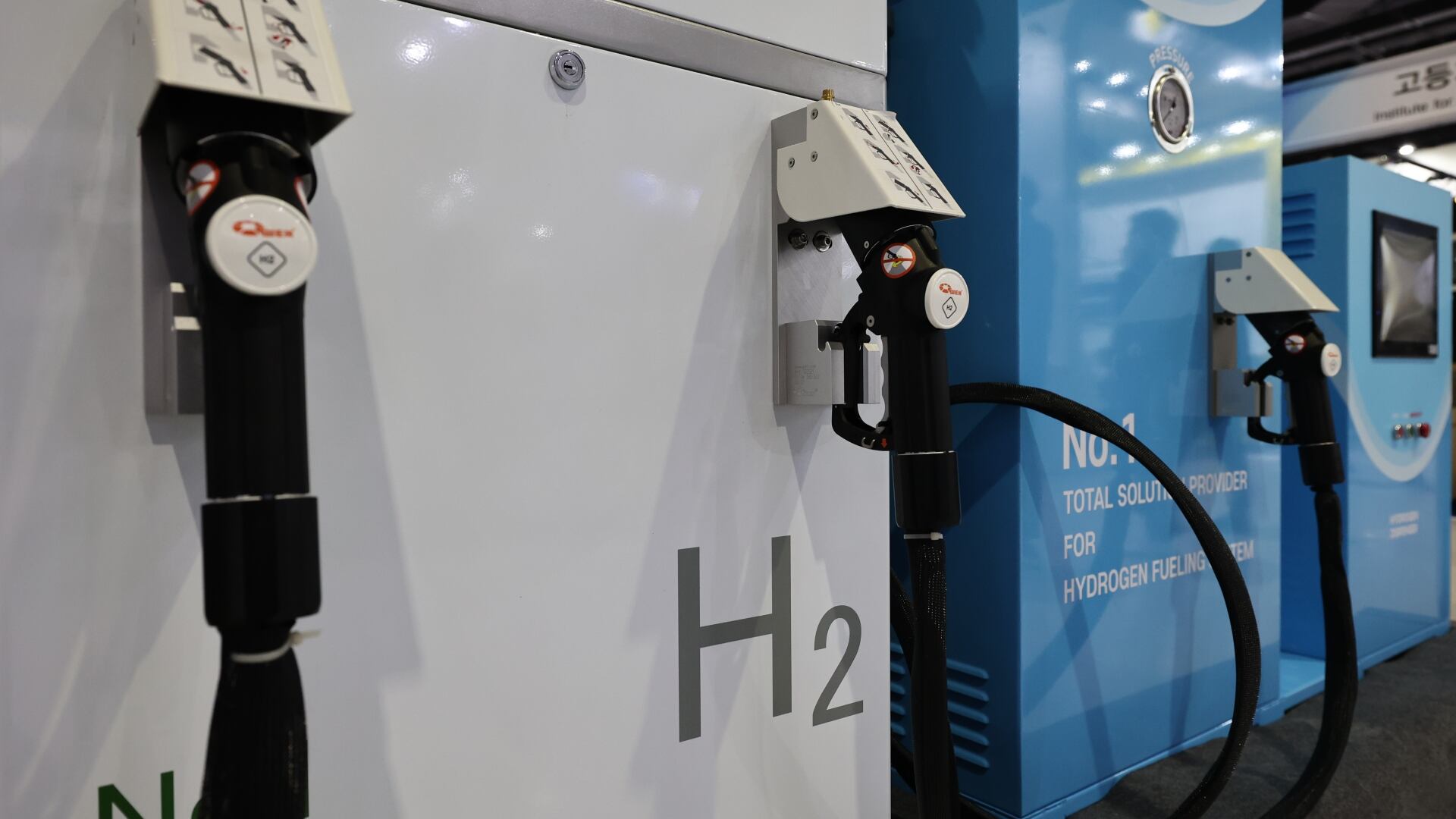
In the fight against climate change, much of the conversation revolves around reducing greenhouse gases like carbon dioxide or methane - and attempting to raise oxygen levels. But there's another gas - hydrogen - that could play a big role in the fight for the climate. Marco Alvera, CEO of Italian energy infrastructure company Snam and author of the book, 'The Hydrogen Revolution,' joined Cheddar Climate to explain the role hydrogen plays in helping achieve a net-zero future.
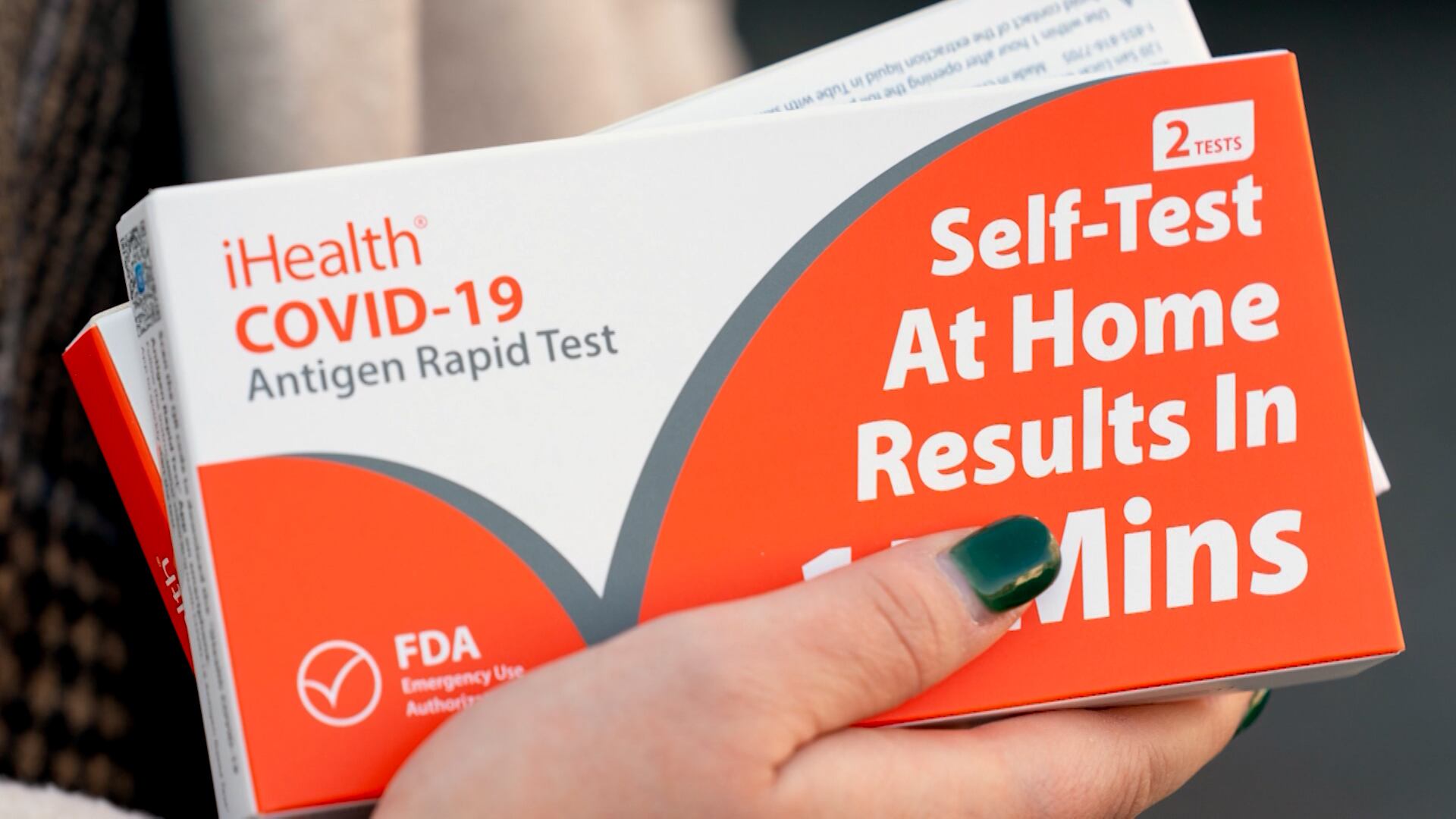
Americans looking to purchase at-home COVID-19 tests will now have to shell out a bit more money after an agreement expired between the White House and companies to sell the tests at cost. The price of Abbot's BinaxNow test kit from October to December was $14 apiece; on Tuesday, Walmart's website listed the test for $19.88, and Kroger listed the tests for $23.99. Carbon Health Regional Clinical Director Dr. Bayo Curry-Winchell joined Cheddar News' Closing Bell to discuss the impact higher prices will have as the nation experiences another surge in cases.
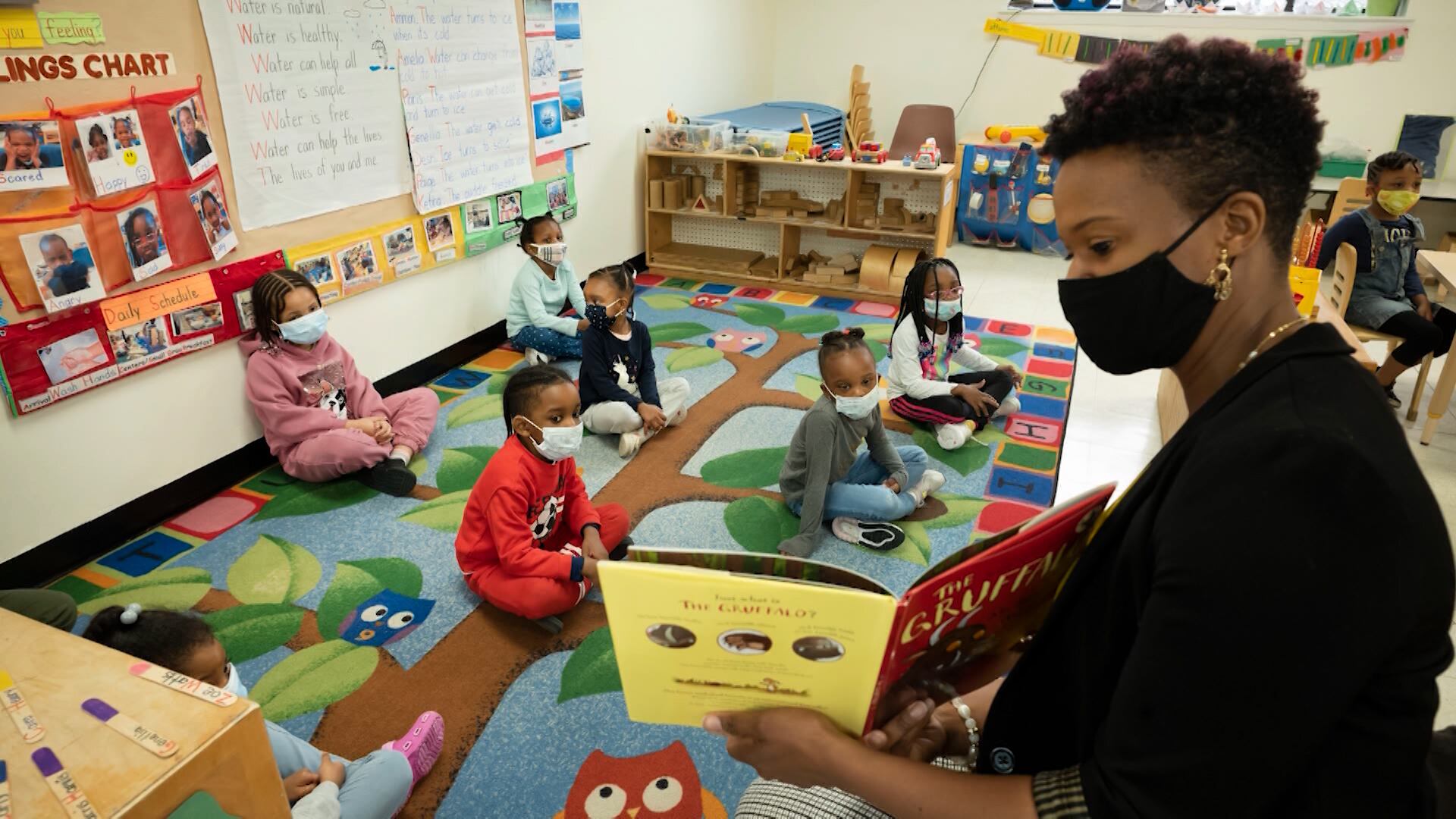
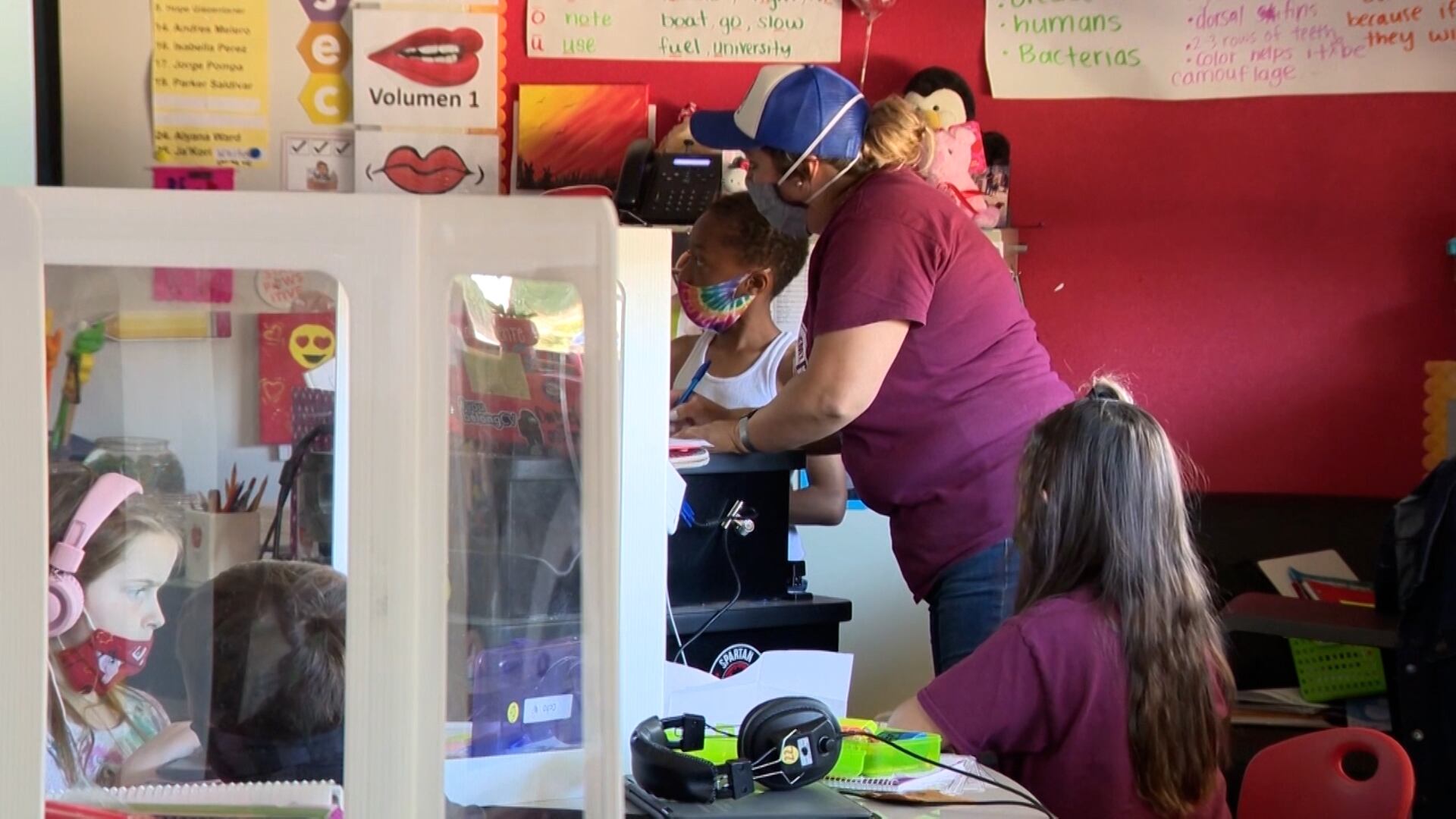
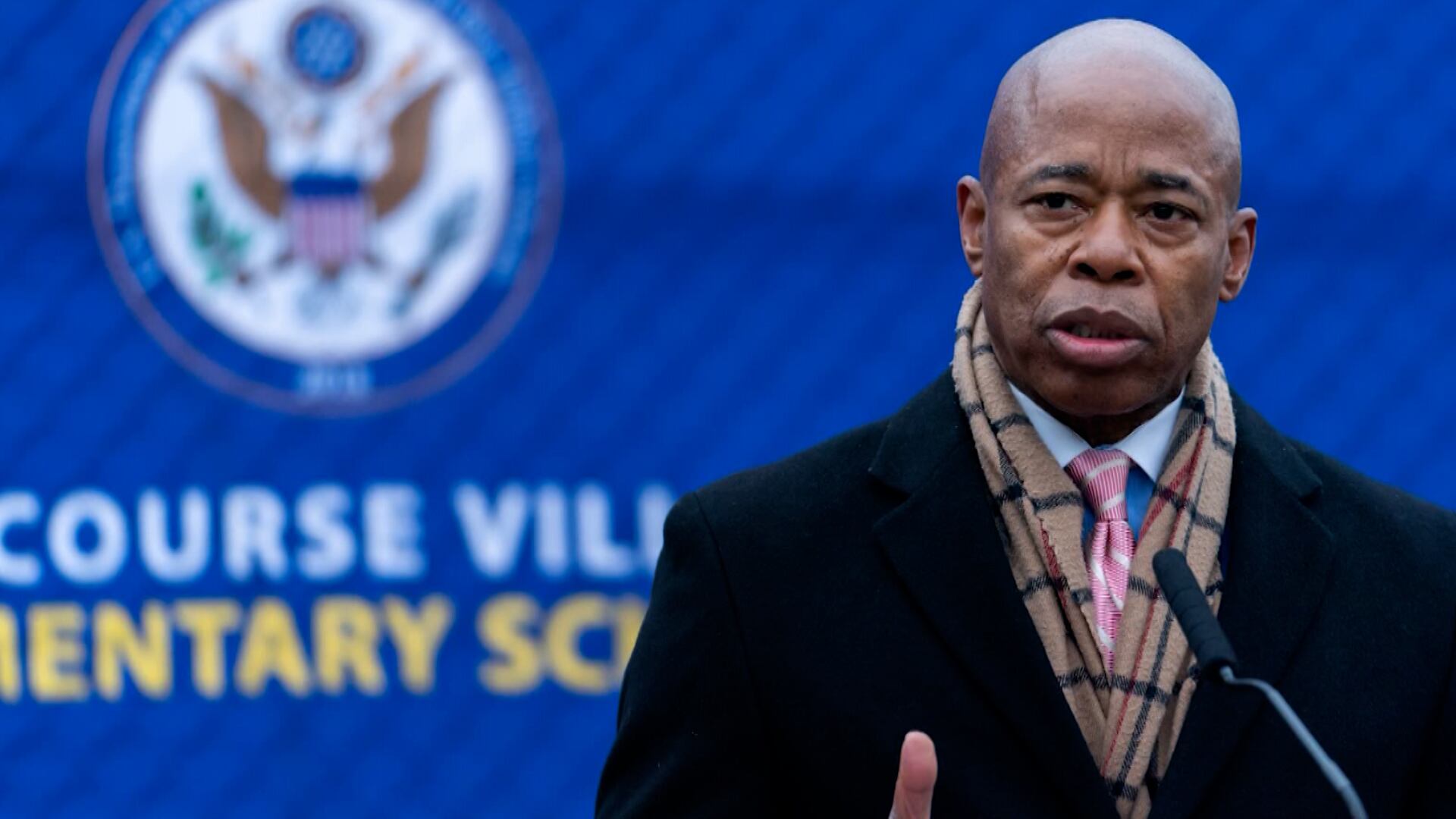
As millions of kids go back to school, districts across the country are determined to keep class in person, despite a surge in COVID cases. In New York City, Mayor Eric Adams has vowed to keep the nation's largest school system open amid Omicron, citing the disastrous effect of remote learning on students. Oswald Feliz, NYC council member who sits on the health and education committee, joined Cheddar to discuss the city's plan to combat the recent surge and keep kids in school.
Schools across the country are determined to keep class in session, despite the rapidly-spreading Omicron variant. While many parents prefer in-person learning, they also worry whether the current public health guidelines will be enough to protect their kids. Erin Richards, national education reporter for USA Today, joined Cheddar to discuss how are schools are preparing for the surge to avoid another round of remote learning.
With the annual CES convention underway amid COVID, HP unveiled rolled out a number of new products virtually this year, including new gaming PCs and 4K display monitors. But as industries look toward a greener future, HP is working with the climate crisis in mind. James McCall, chief sustainability officer at HP, joined Cheddar's Kristen Scholer to discuss the company's climate goals, which includes reducing its carbon footprint to net-zero by 2040. He admitted that reaching the ambitious goal will be difficult because much of the company's emissions totals come from third parties. "A large part of our footprint is outside of HP's direct control. A lot of it comes either from our incoming supply chain, the materials, our manufacturing process, or about 30 to 40 percent of it comes from our consumer-use base," McCall told Cheddar.
Pfizer and BioNTech are working to develop an mRNA-based shingles vaccine following the success of the COVID-19 shot. This latest collaboration will mark the third time the pharmaceutical companies have worked together on a vaccine.
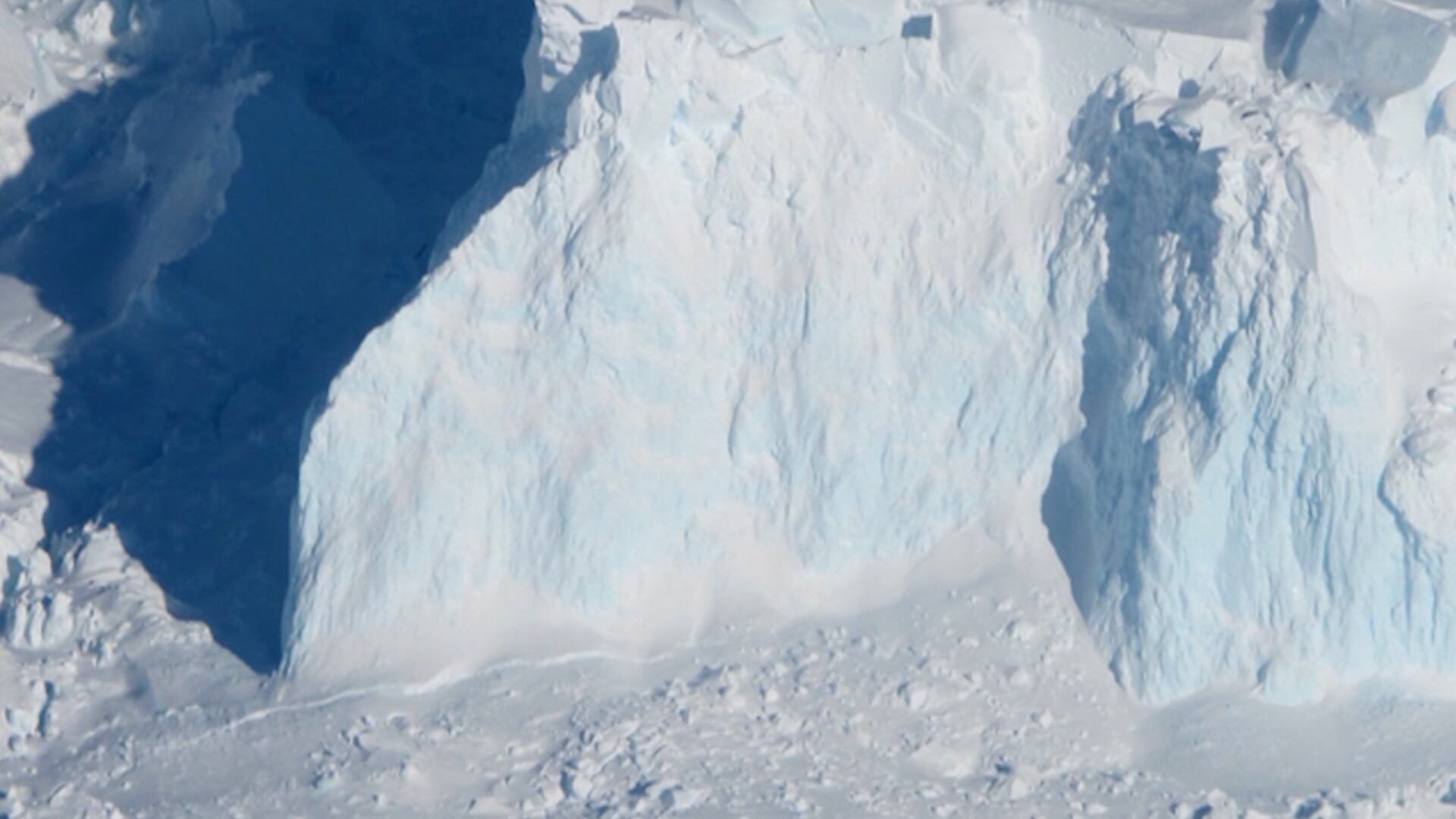
The potential collapse of the Thwaites glacier in Antarctica has been deemed a potential "doomsday event" — researchers and scientists say its melting and collapse could raise global sea levels by at least two feet, enough to destroy coastal communities around the world. One team of scientists is traveling to the Thwaites glacier to drill below in order to gauge current ocean temperatures and attempt to model possible outcomes. David Holland, professor at NYU and Principal Investigator for the International Thwaites Glacier Collaboration, joins Cheddar Climate to discuss the glacier's potential collapse, his team's research plan, and more.
As winter break wraps up and COVID-19 cases hit record levels, the majority of school districts are returning to in-person classes. While some public schools in large cities have shifted to remote learning for the beginning of the year, the schools that are reopening campuses are determined to avoid the academic, social, and logistical challenges that come with a virtual classroom. Cheddar News is joined by Keith Powers, NYC Council Member, to discuss.