*By Carlo Versano*
Stocks bounced back Friday with the Dow Industrials opening higher by 400 points and a strong showing from the FAANG stocks.
At the open, shares of Facebook ($FB), Amazon ($AMZN), Apple ($AAPL), Netflix ($NFLX), and Google parent Alphabet ($GOOGL) added $100 billion to the companies' collective market cap, erasing half the losses from the past two days.
The rally follows a bruising two-day sell-off on Wall Street. A bevy of factors has contributed to the worst week for stocks since February. Among them, worries over tightening monetary policy and the effects of a trade war with China starting to show themselves.
The White House dispatched top officials to quell concerns over the turmoil, even as the president extended his attack on Fed Chair Jerome Powell for what he called "loco" rate hikes.
Treasury Sec. Steve Mnuchin said on CNBC Friday that the markets were seeing a "natural correction" after riding so high since Trump's election. Economic adviser Larry Kudlow [told Cheddar](https://www.cheddar.com/videos/kudlow-tech-still-aint-bad-even-with-correction) tech stocks still "ain't bad" despite leading the markets downward.
The Federal Reserve reinforced its fight against high inflation Wednesday by raising its key interest rate by a quarter-point to the highest level in 16 years.
Cheddar News' Courtney Sturgeon reports from the Cboe floor with Alan Knuckman, Chief Market Strategist at Bulls Eye Option, to discuss strategies for options traders ahead of a busy trading week amid earnings, the FOMC meeting, and more.
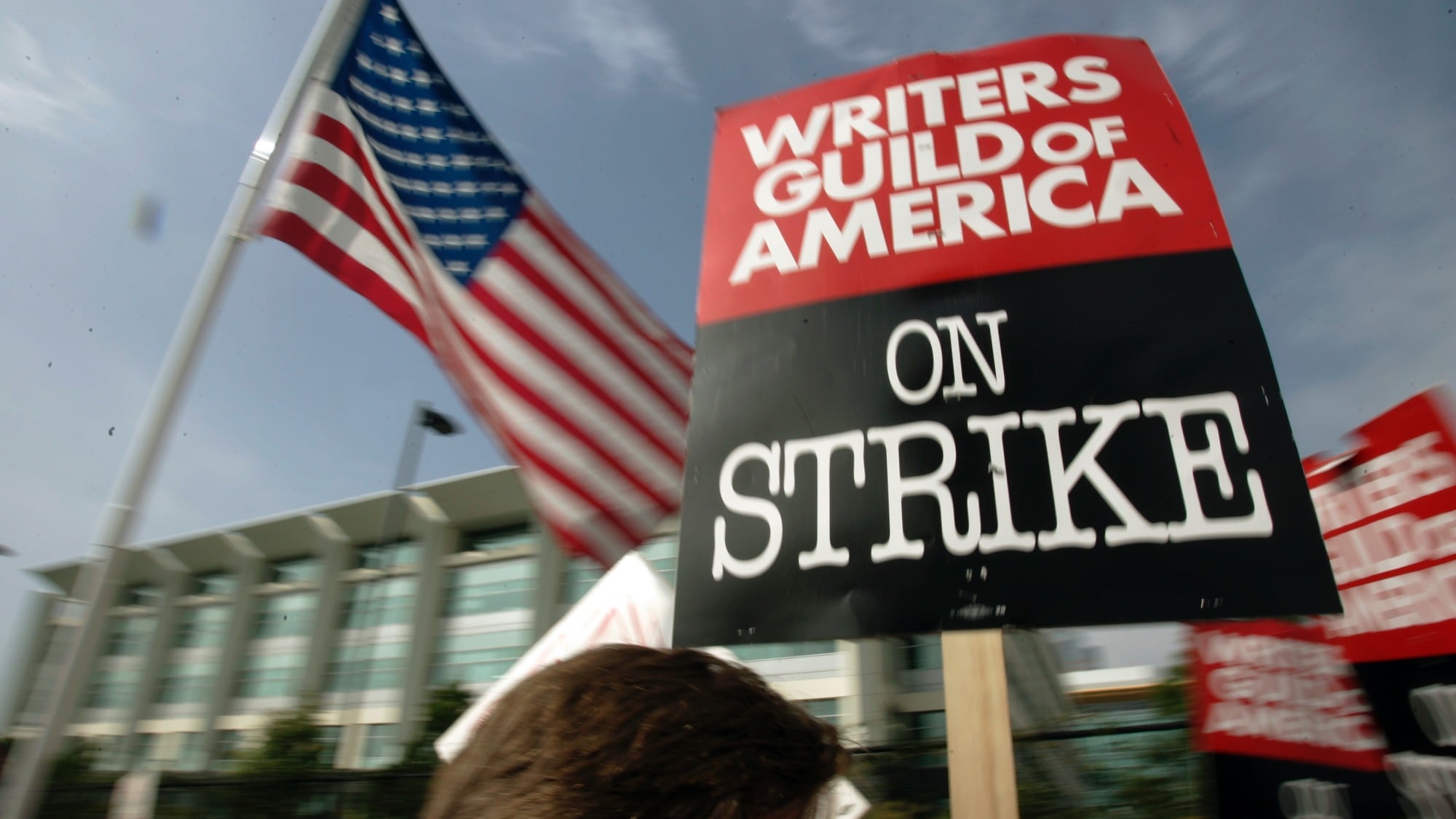
On Tuesday, the Writer’s Guild of America (WGA) kicked off its first strike in 16 years. Cheddar News' field reporter Ashley Mastronardi spoke with some of those picketing writers who said streaming giants need to catch up with the times and offer a higher wage and a bigger cut of residuals.
Airbnb is making a renewed push into renting single rooms in a nod to its beginnings and a realization that renting an entire house is too expensive for many travelers, especially younger ones.
Poised to raise interest rates Wednesday for a 10th time, Federal Reserve officials are facing two competing economic trends that could make their future rate decisions more difficult and treacherous.