*By Carlo Versano*
Stocks bounced back Friday with the Dow Industrials opening higher by 400 points and a strong showing from the FAANG stocks.
At the open, shares of Facebook ($FB), Amazon ($AMZN), Apple ($AAPL), Netflix ($NFLX), and Google parent Alphabet ($GOOGL) added $100 billion to the companies' collective market cap, erasing half the losses from the past two days.
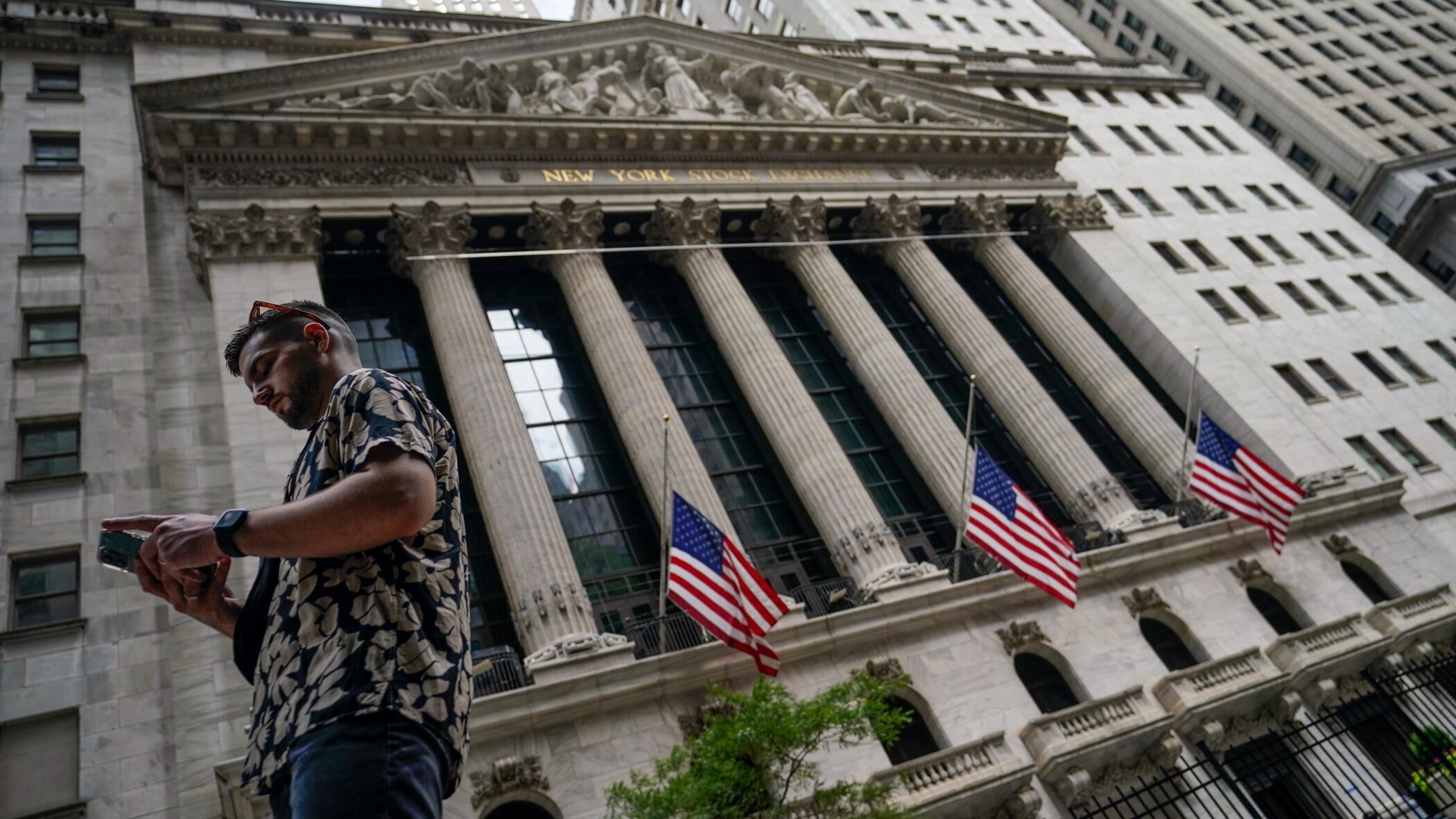
The rally follows a bruising two-day sell-off on Wall Street. A bevy of factors has contributed to the worst week for stocks since February. Among them, worries over tightening monetary policy and the effects of a trade war with China starting to show themselves.
The White House dispatched top officials to quell concerns over the turmoil, even as the president extended his attack on Fed Chair Jerome Powell for what he called "loco" rate hikes.
Treasury Sec. Steve Mnuchin said on CNBC Friday that the markets were seeing a "natural correction" after riding so high since Trump's election. Economic adviser Larry Kudlow [told Cheddar](https://www.cheddar.com/videos/kudlow-tech-still-aint-bad-even-with-correction) tech stocks still "ain't bad" despite leading the markets downward.
The sticker prices for Ford's F-150 Lightning electric pickup trucks are being lowered by thousands of dollars across the board, the company said Monday, due to increased plant capacity, falling costs for battery raw materials and internal efforts to scale production by the Detroit automaker.
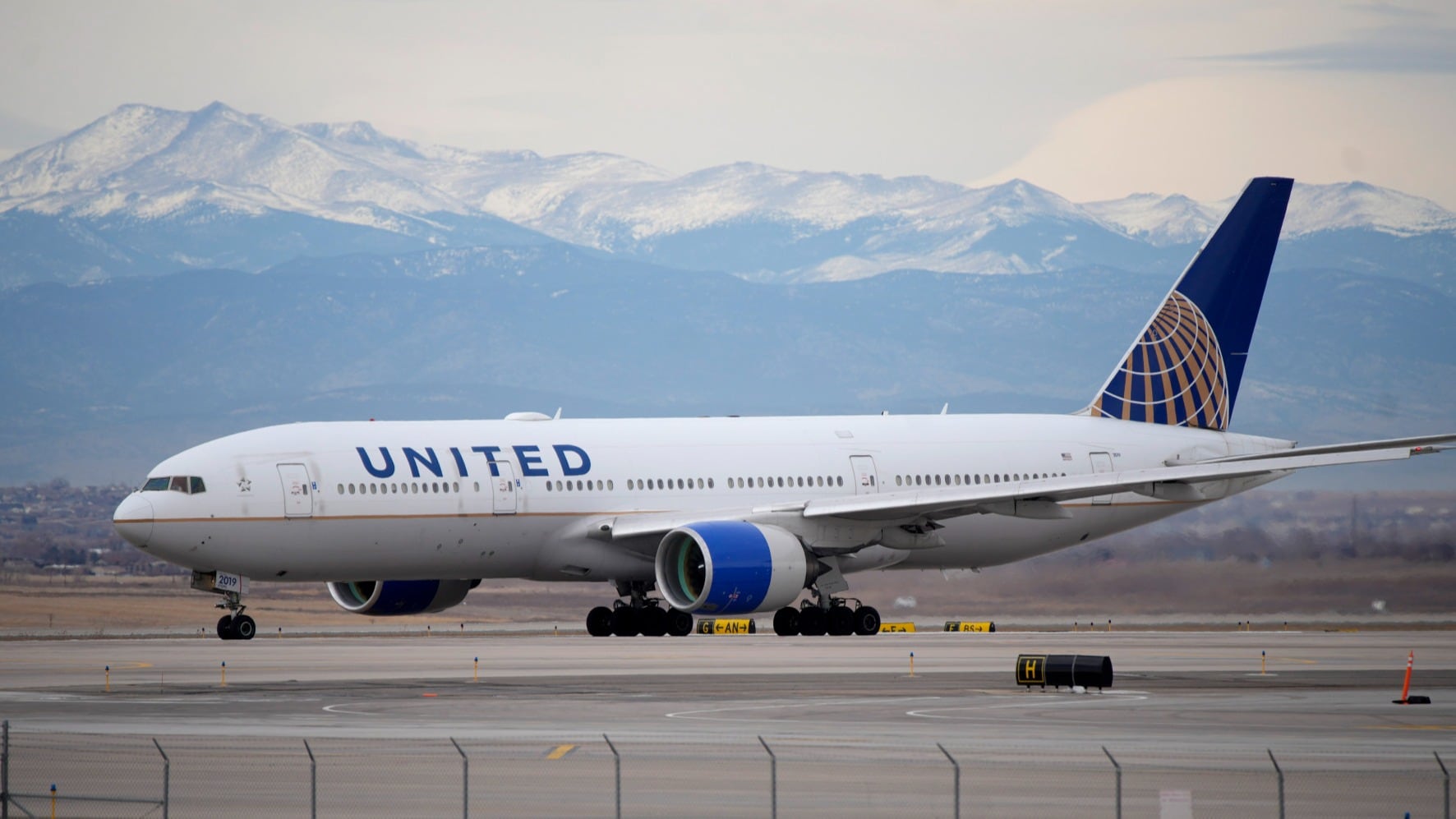
United Airlines and the union representing its pilots said Saturday they reached agreement on a contract that will raise pilot pay by up to 40% over four years.
The court’s ruling applies to higher education institutions and other entities that receive federal funding and doesn’t directly change private employer obligations, but business leaders might pull back diversity, equity and inclusion programs to avoid lawsuits.
The Week's Top Stories is a guided tour through the biggest market stories of the week, from winning stocks to brutal dips to the facts and forecasts generating buzz on Wall Street. Up this week: Meta, Disney & Microsoft-Activision Blizzard.