*By Carlo Versano*
Stocks bounced back Friday with the Dow Industrials opening higher by 400 points and a strong showing from the FAANG stocks.
At the open, shares of Facebook ($FB), Amazon ($AMZN), Apple ($AAPL), Netflix ($NFLX), and Google parent Alphabet ($GOOGL) added $100 billion to the companies' collective market cap, erasing half the losses from the past two days.
The rally follows a bruising two-day sell-off on Wall Street. A bevy of factors has contributed to the worst week for stocks since February. Among them, worries over tightening monetary policy and the effects of a trade war with China starting to show themselves.
The White House dispatched top officials to quell concerns over the turmoil, even as the president extended his attack on Fed Chair Jerome Powell for what he called "loco" rate hikes.
Treasury Sec. Steve Mnuchin said on CNBC Friday that the markets were seeing a "natural correction" after riding so high since Trump's election. Economic adviser Larry Kudlow [told Cheddar](https://www.cheddar.com/videos/kudlow-tech-still-aint-bad-even-with-correction) tech stocks still "ain't bad" despite leading the markets downward.
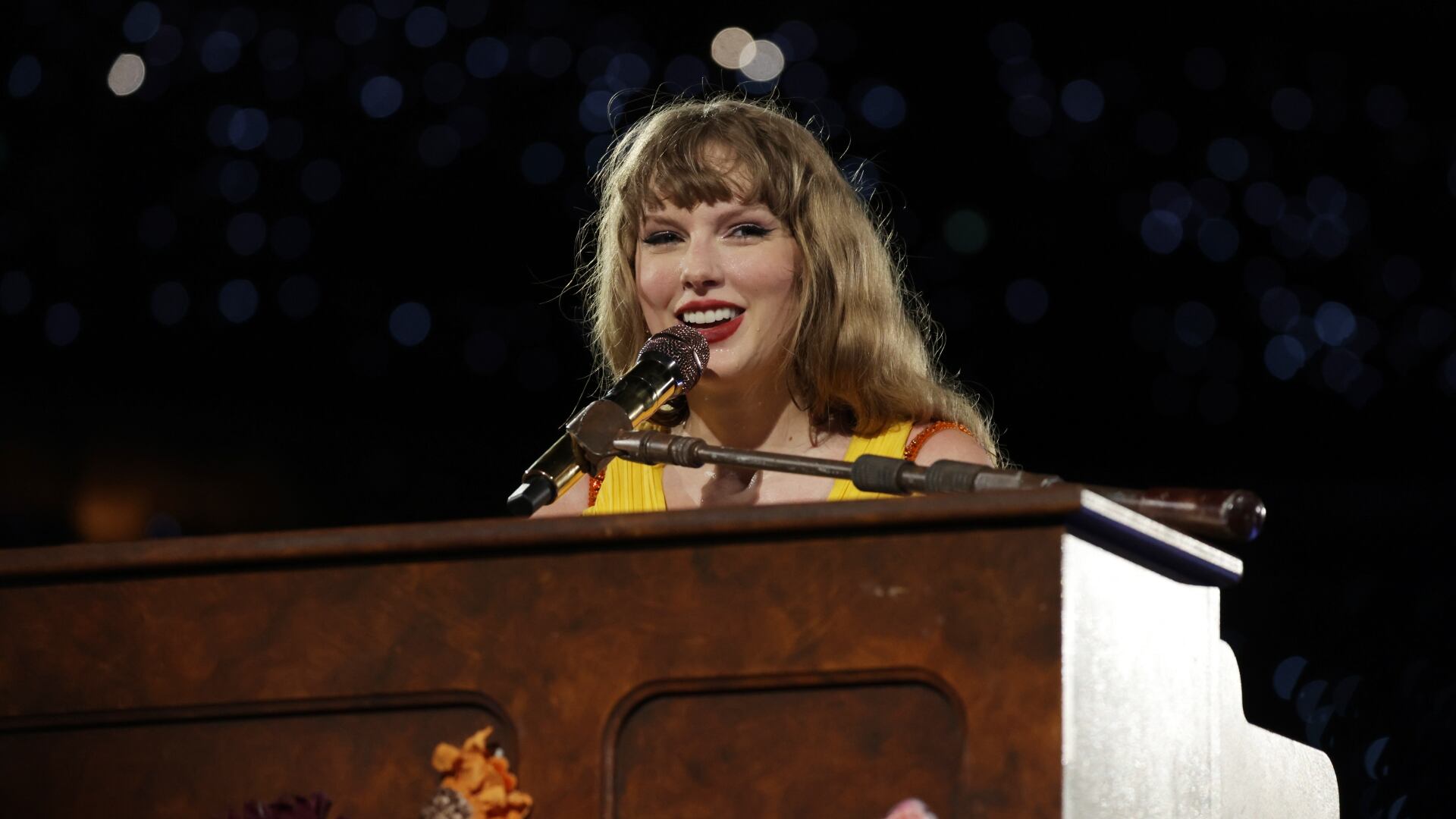
Bryan West, Gannett’s Taylor Swift reporter, recaps the many, many, theories and Easter eggs Swifties are debating as her ‘Eras Tour’ film comes to Disney+.
‘Our Biggest Fight’ author and Project Liberty founder Frank McCourt, Jr. explains his problem with the internet – and why this Tiktok bill is just a starting point.
Consumer prices in the United States picked up last month, a sign that inflation remains a persistent challenge for the Federal Reserve and for President Biden.
Jayesh Govindarajan, head of A.I. at Salesforce, explains the company's new Einstein copilot, plus other ways it is investing in artificial intelligence.
Altro founder and CEO Michael Broughton shares how his company is bringing both expanded credit access and financial wellness to underserved consumers, plus netting early investments from Tinashe, Quavo, and Jay Z’s Marcy Ventures.
Portillo’s CEO Michael Osanloo discusses the company’s decades of profitability, opening restaurants in new markets, and why it doesn’t need trends like dynamic pricing.
Adam Turnquist, Chief Technical Strategist for LPL Financial, weighs in on the latest CPI data, what could get the Fed to lower borrowing costs, and the crypto rally.