*By Carlo Versano*
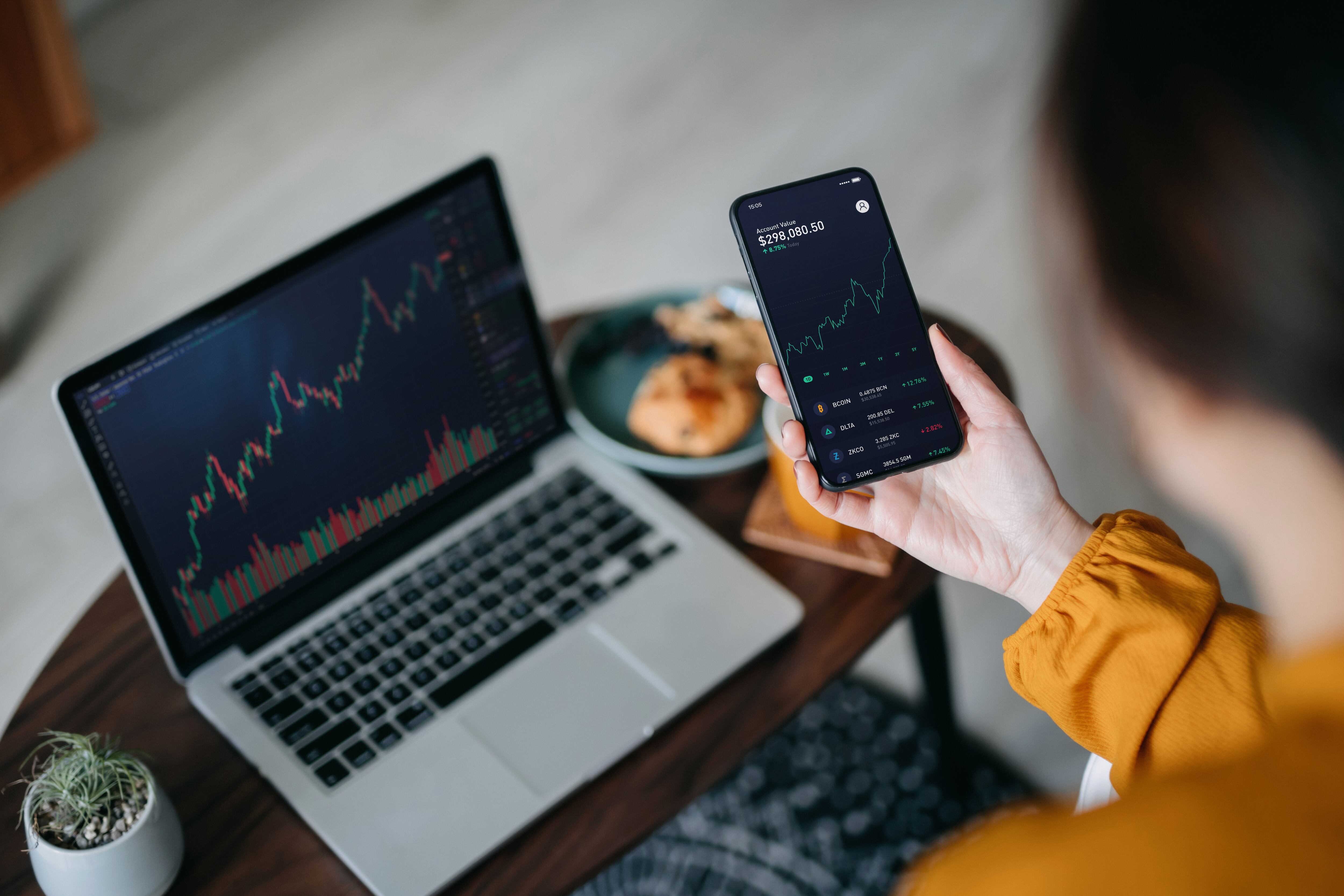
Stocks bounced back Friday with the Dow Industrials opening higher by 400 points and a strong showing from the FAANG stocks.
At the open, shares of Facebook ($FB), Amazon ($AMZN), Apple ($AAPL), Netflix ($NFLX), and Google parent Alphabet ($GOOGL) added $100 billion to the companies' collective market cap, erasing half the losses from the past two days.
The rally follows a bruising two-day sell-off on Wall Street. A bevy of factors has contributed to the worst week for stocks since February. Among them, worries over tightening monetary policy and the effects of a trade war with China starting to show themselves.
The White House dispatched top officials to quell concerns over the turmoil, even as the president extended his attack on Fed Chair Jerome Powell for what he called "loco" rate hikes.
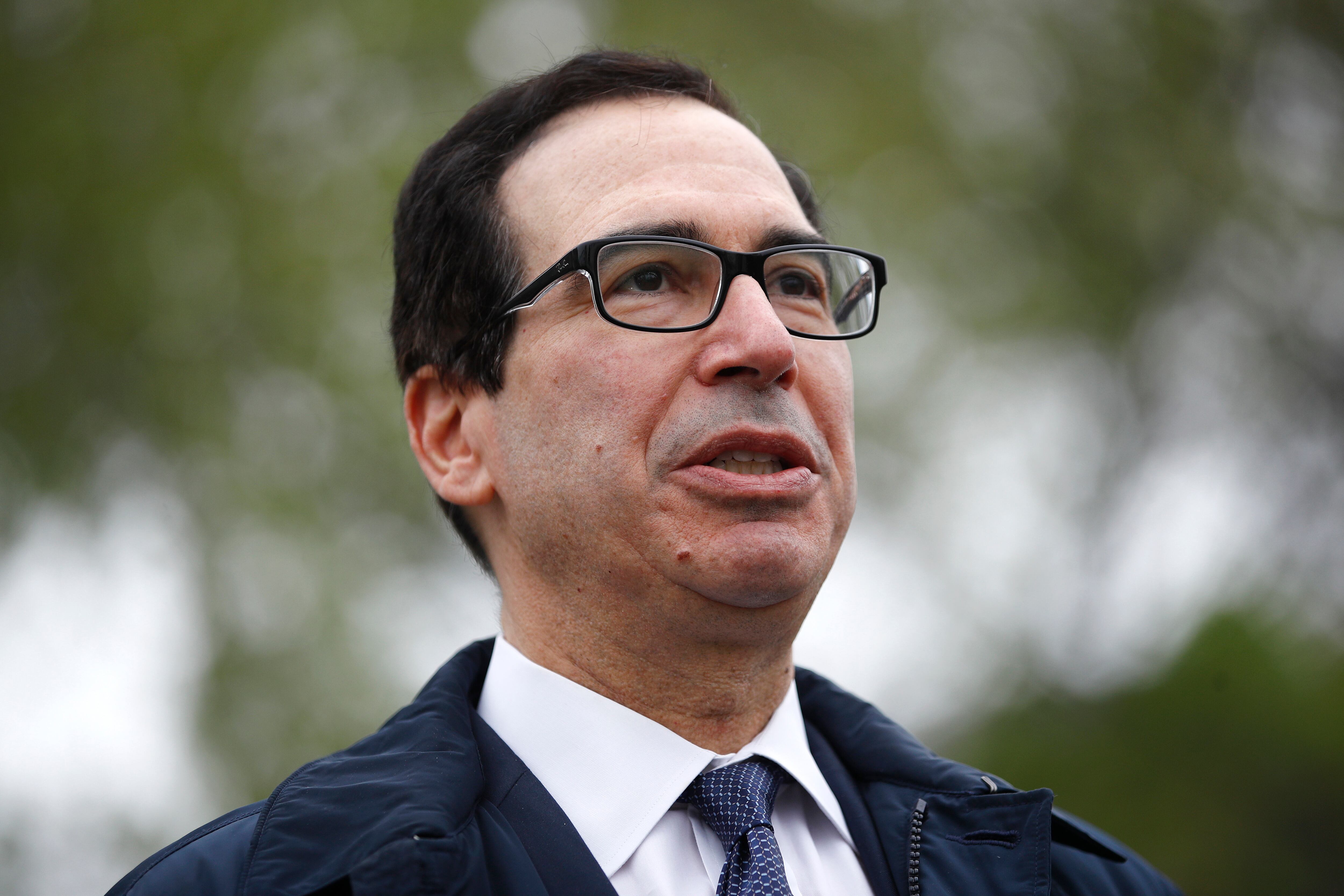
Treasury Sec. Steve Mnuchin said on CNBC Friday that the markets were seeing a "natural correction" after riding so high since Trump's election. Economic adviser Larry Kudlow [told Cheddar](https://www.cheddar.com/videos/kudlow-tech-still-aint-bad-even-with-correction) tech stocks still "ain't bad" despite leading the markets downward.
Brooke May, Managing Partner at Evans May Wealth, weighs in on how the market is expected to perform through the rest of 2024, plus why she’s still bullish on tech but cautious when it comes to financials.
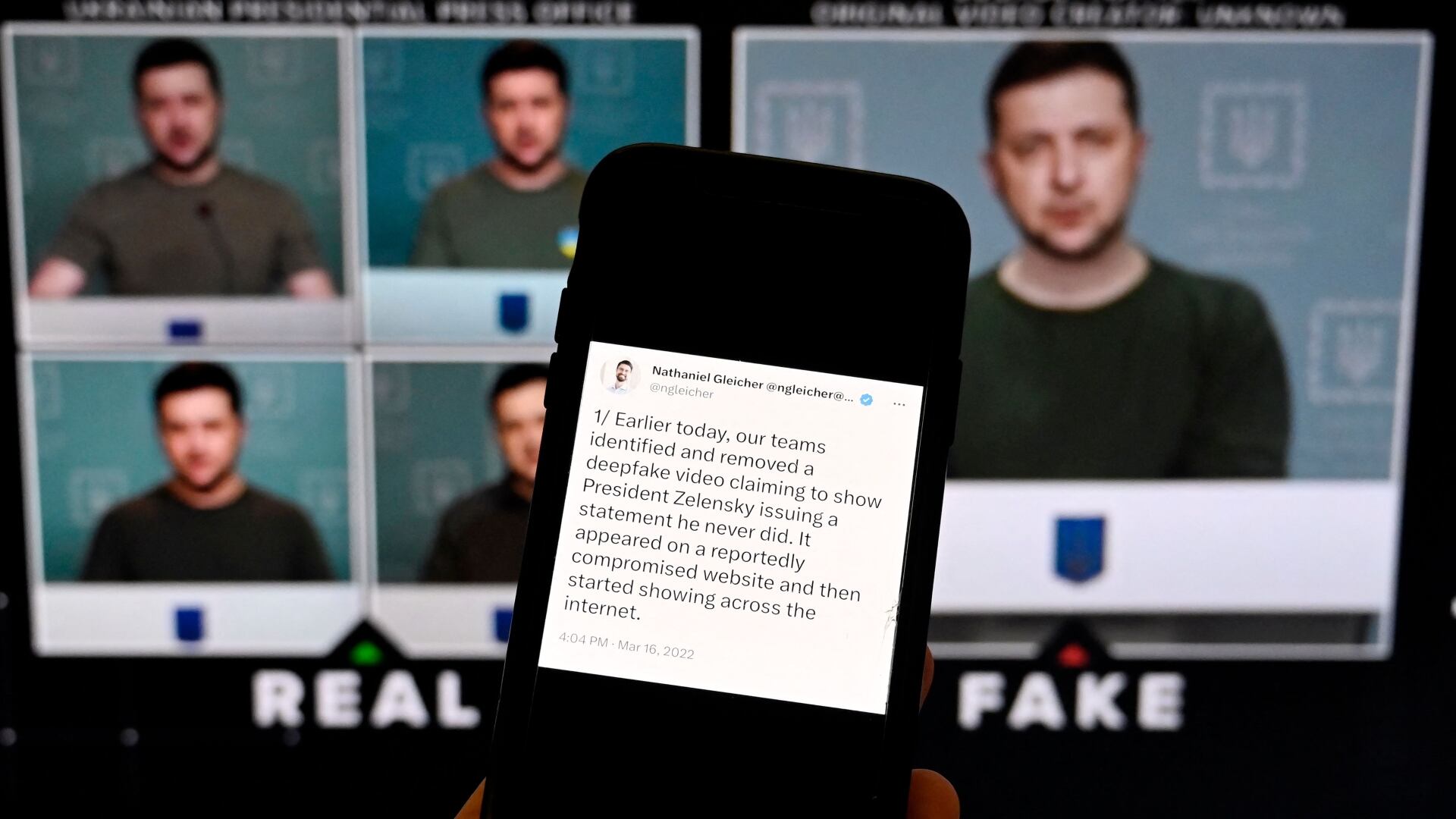
Pete Nicoletti, Global CISO at Check Point, explains why it’s so difficult to legislate against A.I. disinformation and why it’s a concern going into the 2024 election.
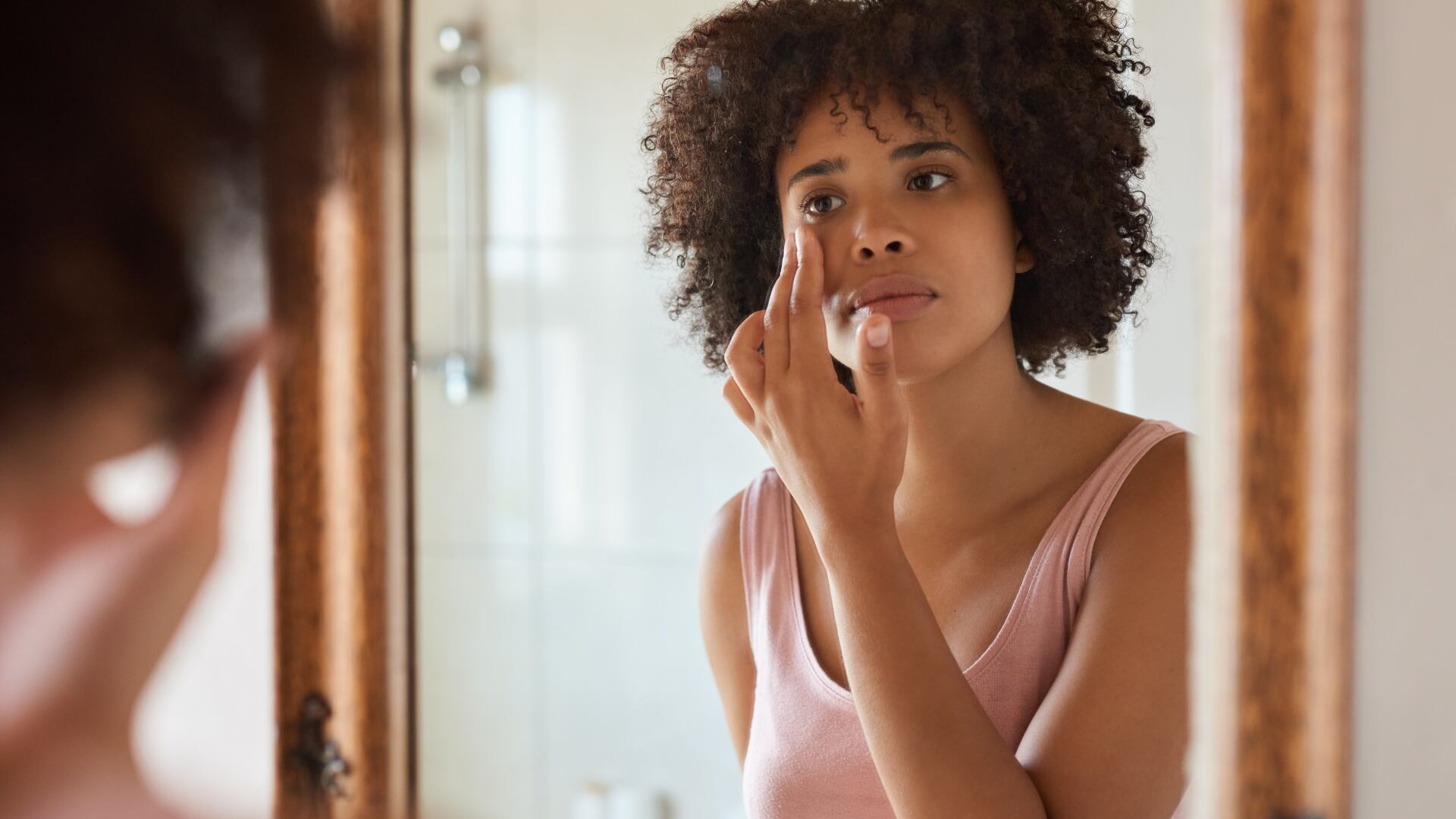
Michelle Freyre, Clinique Global Brand President, discusses the company's latest ventures and why skin advice should always come from a trusted source.
Jason Tartick, small business expert and TurboTax Live Partner (who you may recognize from 'The Bachelorette'), shares his tips for making sure your taxes are flawless this year.
Christine Short, Head of Research, Global Corporate Events at Wall Street Horizon, a TMX Company, breaks down the biggest takeaways from companies’ quarterly results.
TikTok once again finds itself in a precarious position as lawmakers in Washington move forward with a bill that could lead to a nationwide ban on the platform.