Global internet speed is picking up. In 2017, world internet speeds increased more than 30%. Adriane Blum, Head of Communications at Ookla, a company specialized in broadband testing, network diagnostic applications, and data, was with us to discuss what's driving this improvement.
With the FCC rolling back net neutrality regulations, many questions about the future of the internet are beginning to surface. Internet speed is one of the factors that could potentially be impacted by the vote. Blum says the key takeaway is transparency of data, as we face new risks.
Despite improved global speed, Ookla says there were far too many countries and regions where internet speed decreased. Hurricane Maria put a dent in Puerto Rico's internet capabilities, contributing to the island's 39.8% drop in mobile download speed over the past year.
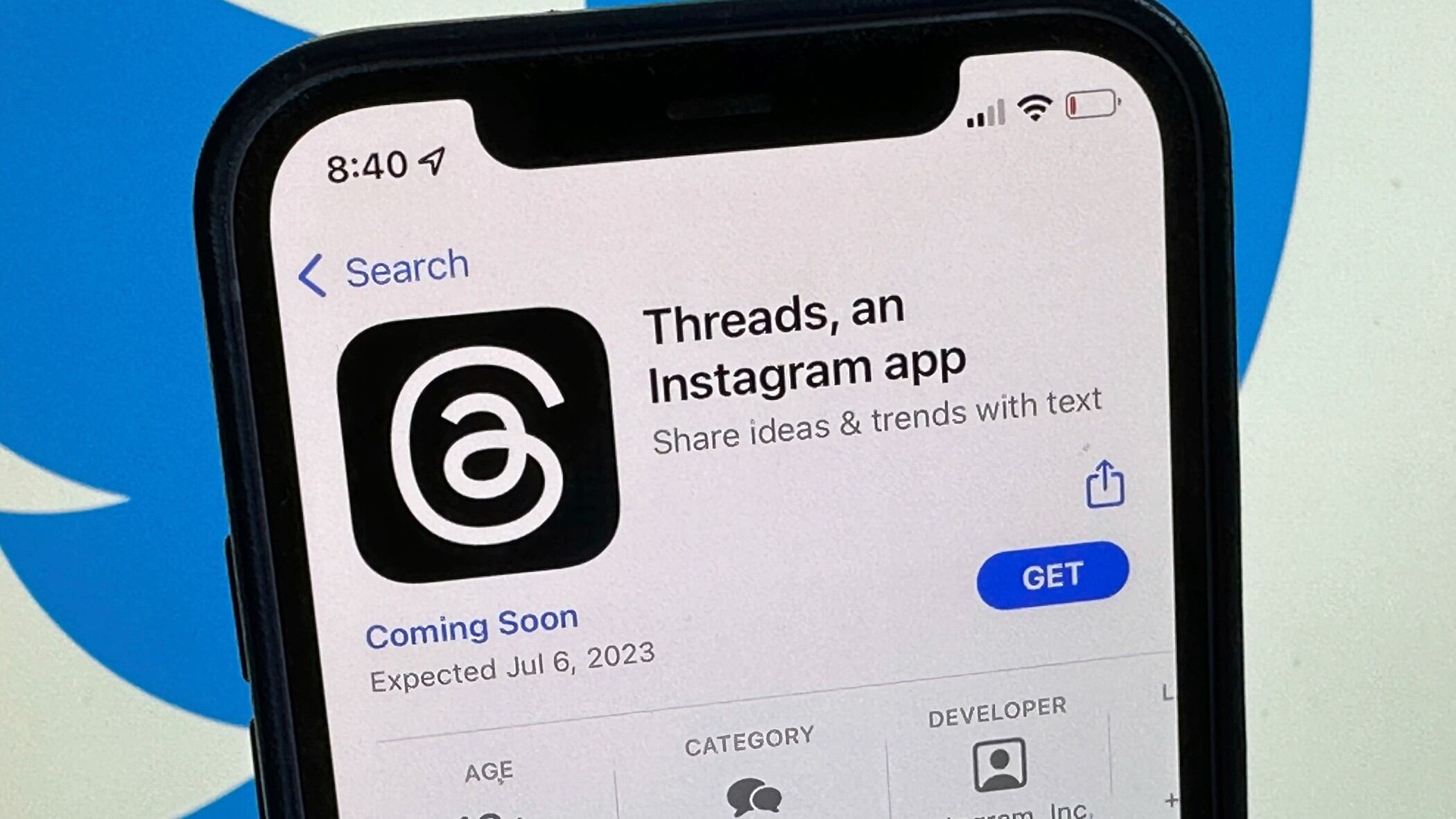
Meta has unveiled an app called Threads to rival Twitter, targeting users looking for an alternative to the social media platform owned — and frequently changed — by Elon Musk.
Complete sexual assault case folios containing intimate details were among more than 300,000 files dumped online in March after the 36,000-student Minneapolis Public Schools refused to pay a $1 million ransom. Other exposed data included medical records and discrimination complaints.
China has restricted exports of high-tech metals gallium and germanium, which are critical to making chips, in response to the U.S. blocking them from access to advanced chips.