Global internet speed is picking up. In 2017, world internet speeds increased more than 30%. Adriane Blum, Head of Communications at Ookla, a company specialized in broadband testing, network diagnostic applications, and data, was with us to discuss what's driving this improvement.
With the FCC rolling back net neutrality regulations, many questions about the future of the internet are beginning to surface. Internet speed is one of the factors that could potentially be impacted by the vote. Blum says the key takeaway is transparency of data, as we face new risks.
Despite improved global speed, Ookla says there were far too many countries and regions where internet speed decreased. Hurricane Maria put a dent in Puerto Rico's internet capabilities, contributing to the island's 39.8% drop in mobile download speed over the past year.
Ian Rogers, Chief Experience Officer, Ledger, joins Cheddar News to discuss innovation in crypto security, and why a hardware wallet is a critical tool for protecting digital assets.
Carlo and Baker cover the latest developments after a devastating tornado outbreak over the weekend, plus an eye on Omicron and inflation, and not even Spielberg can save the box office.
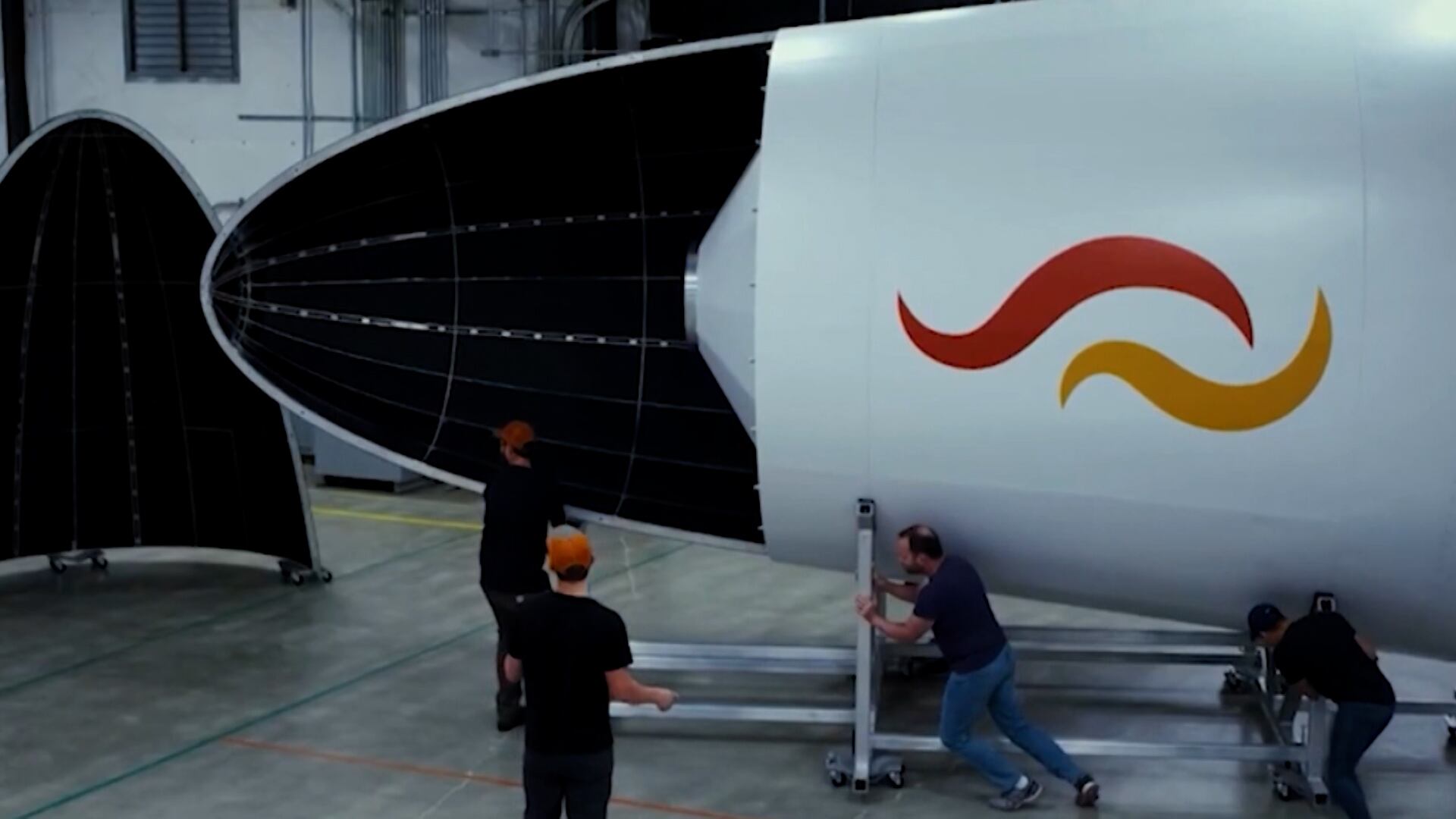
Reusable rocket developer Stoke Space Technologies raised $65 million in a Series A round led by Breakthrough Energy Ventures, a firm founded by Bill Gates. Stoke says its reusable rockets provide the satellite industry with low-cost, on-demand access to and from orbit. As companies like SpacX and Blue Origin are also making commitments to rocket reusability, Stoke says it is taking a different approach with a system designed to be 100% reusable, comprised of rockets designed to fly daily, like an airplane. Stoke co-founder and CEO Andy Lapsa joins Cheddar News' Closing Bell to discuss.
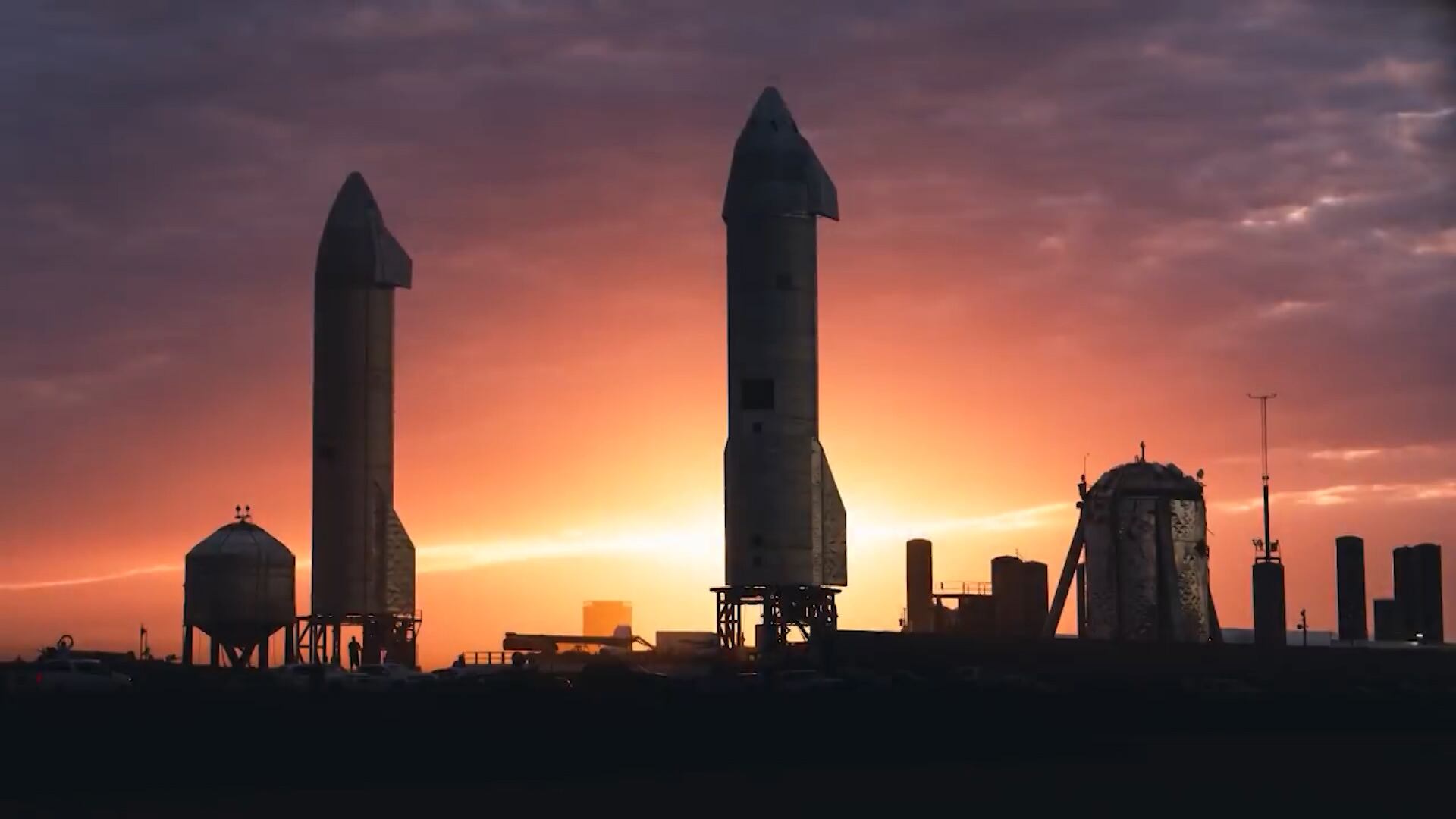
Humans are set to return to a place we have not been in nearly 50 years: the moon. NASA's Artemis program is expected to have astronauts back on the lunar surface by 2025. NASA says it will use what it learns on the moon to take the next giant leap - sending the first astronauts to Mars. The Artemis program also includes contributions from private companies like SpaceX, as well as academic research institutions like Georgia Tech. Georgia Tech professor of practice and former NASA astronaut Sandra Magnus joins Future of Space: Humankind's Leap Forward to discuss.